Grab Bag
Safety
Physical Examination
Medication Administration
Separation Anxiety
100
The FACES pain scale is appropriate for children this age and older.
3 years old
100
Babies should sleep in this position until 1 year of age to prevent SIDS
Supine (alone, on firm surface, no blankets or toys)
100
This is the largest muscle involved in respiration in children, as opposed to intercostal muscles in adults.
Diaphragm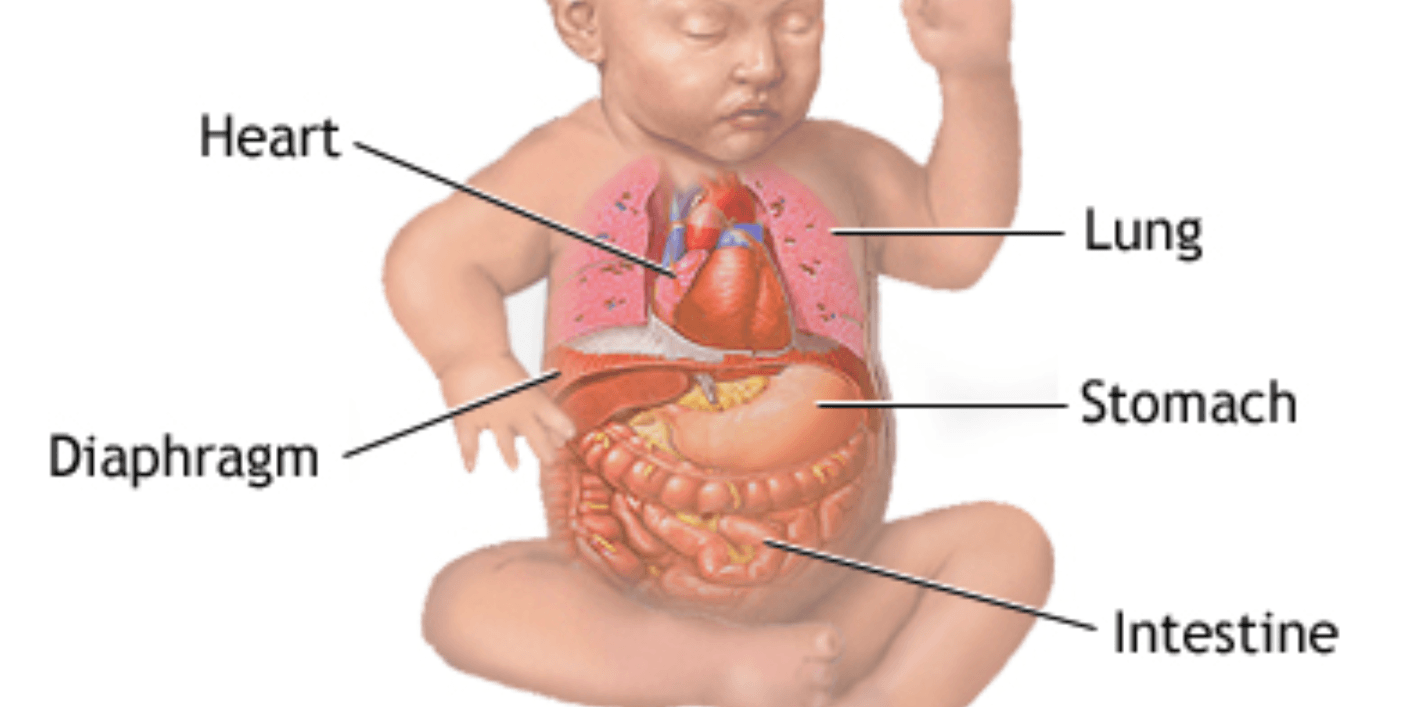
100
All pediatric medication dosing is based on this measurement.
Weight
100
Separation Anxiety is greatest in this age group.
Toddler
200
This biometric measurement is made on children from birth until age 2, and tracks brain development.
Head Circumference or OFC (occipital-frontal circumference)
200
This can be used to secure IV in a child and keep it "out of sight, out of mind"
Arm board or no-no
200
This common cardiac finding in children is defined by increased HR with inspiration, and decreased HR with expiration.
Respiratory Sinus Arrhythmias
200
Slower gastric emptying effects oral medication absorption in this age group.
Infants
200
This is the last stage of separation anxiety, when the child becomes interested in environment and may ignore parents' return. This is sometimes viewed as a healthy adjustment, but the child has really just “given up” and is protecting themself from further separation experiences.
Detachment
300
Crib rails should always be kept in this position unless a caregiver is within arms reach of the patient.
Up & locked
300
The nurse should take this action if the infant spits out a partial dose of a medication.
Notify MD; do not administer 2nd dose.
300
Physical examination in children should go in this order.
Quiet to active.
300
This is the preferred IM injection site in infants
Vastus Lateralis
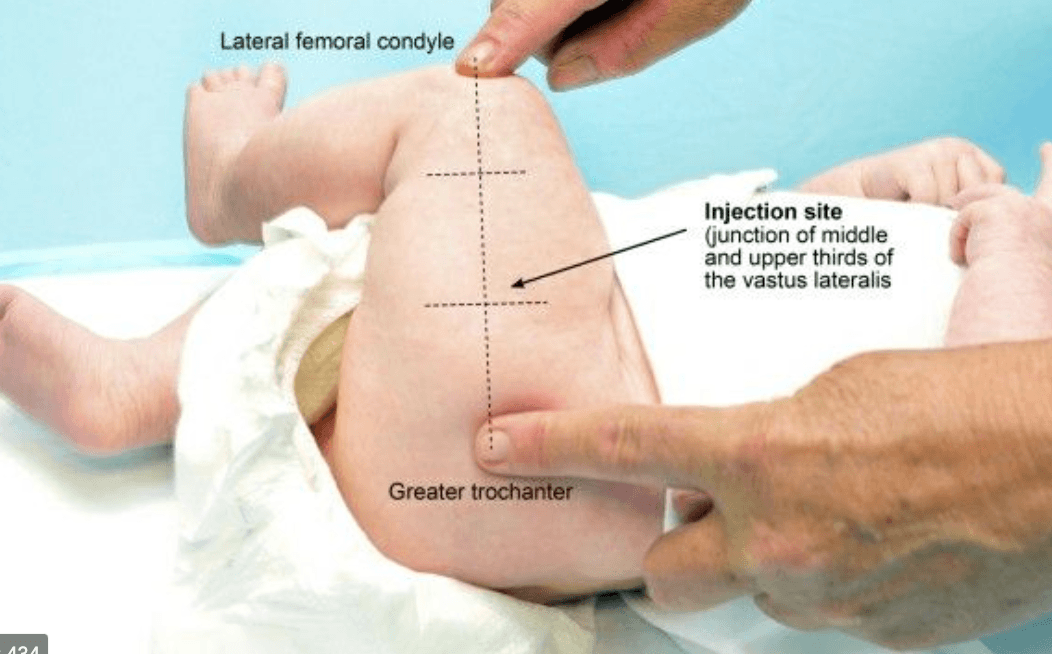
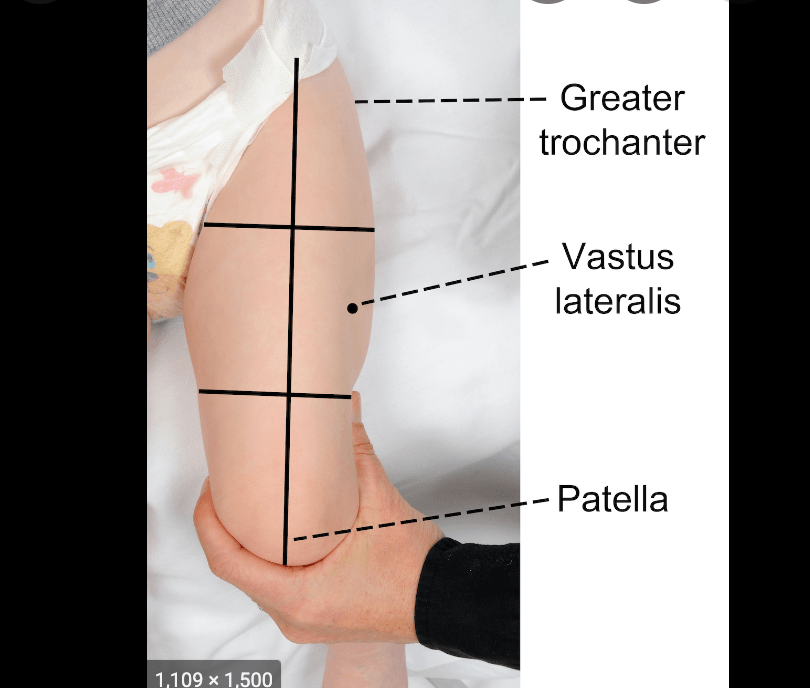
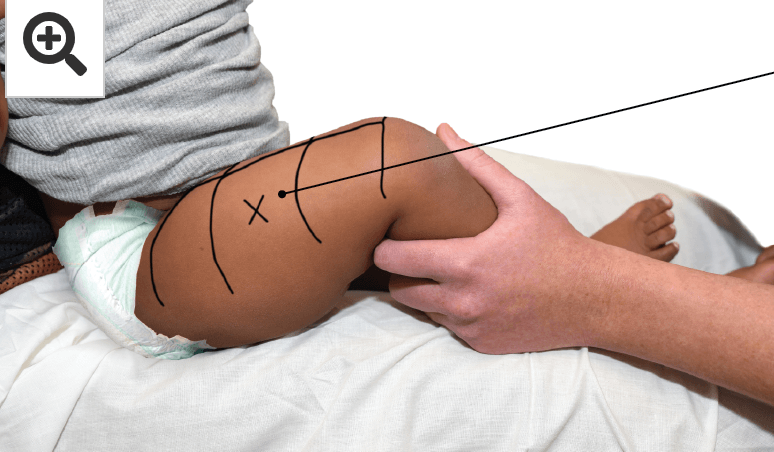
300
In this age group, separation from peers is often the highest source of stress.
Adolescent
400
If a hospital procedure might hurt or be distressing, it should be performed here.
Procedure room.
400
At this age, children's vital signs are (usually) the same as an adult's.
12
400
When these are sunken in infants, it usually is a sign of dehydration.
Fontanelles.
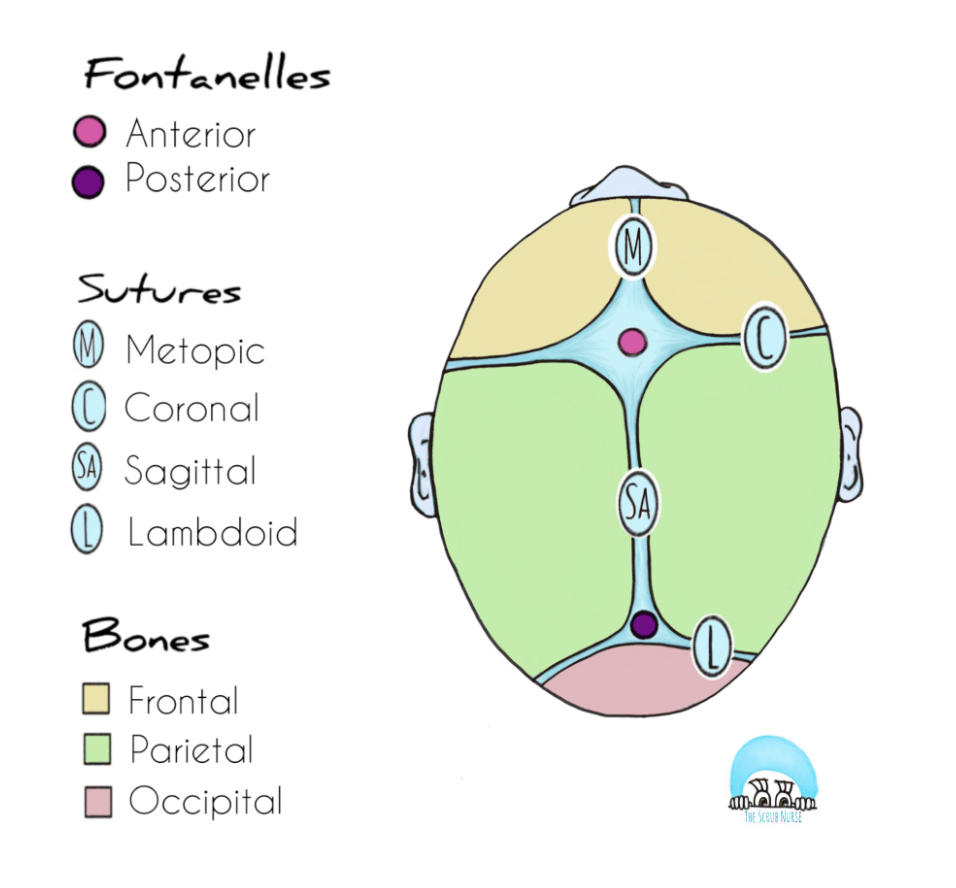
400
This is the primary organ for medication excretion in children, which does not reach adult functioning until ~1-2 years of age. This can lead to prolonged circulation and allow medication to reach toxic levels if dosed improperly.
Kidneys (renal system)
400
Separation anxiety in this age group might be less obvious, as they often feel guilty and that they have something bad to cause their hospitalization.
Pre-schoolers
500
These are pediatric specific questions the nurse should ask about the pediatric patient's past medical history (name 2 of 4)
Prenatal history
Birth History
Immunizations
Developmental/Milestone History
500
A parent tells the nurse that they live in a house built before 1970. The nurse should ask about what specific potential environmental exposure?
Lead paint, asbestos
500
A common finding in infantas and children, these are often found to be small (< 2cm), shotty (moveable), and firm on palpation. They are usually benign unless they are large and supraclavicular.
Lymph nodes
500
This is the total daily maintenance IV fluid calculation for a 35kg child.
1800mL
500
A RN who is having difficulty communicating with this age group can ask them to draw a picture.
School aged.