The wee ones
Full of hot air
Things you don't want to have...
It's all about your priorities
That looks like painful
100
A one month old male presents with fever of 38.6 and foul smelling urine for 2 days. Urine is positive for leukocyte esterase and nitrates. Should the patient be admitted or discharged with antibiotics?
Children less than 2 months of age with a diagnosis of UTI should be admitted to the hospital.
Source: EM Cases Digest, Vol. 2: Pediatric Emergencies
100
This respiratory illness is a leading cause of pediatric decompensation in winter.
Bronchiolitis, often caused by RSV
Treatment is supportive
No role for routine labwork, imaging, or antibiotics
100
What are the most common sources of fever in a pediatric patient without obvious history or physical findings during assessment?
"LUCAS" mnemonic
-Lungs
-Urine
-CNS
-Abdomen
-Skin
100
What are the first signs of pediatric shock, and how does this differ from adults?
Tachycardia is often the first sign of pediatric shock, hypotension is a late and ominous sign, so shock is often defined by age‑adjusted hypotension criteria and prolonged capillary refill rather than low blood pressure alone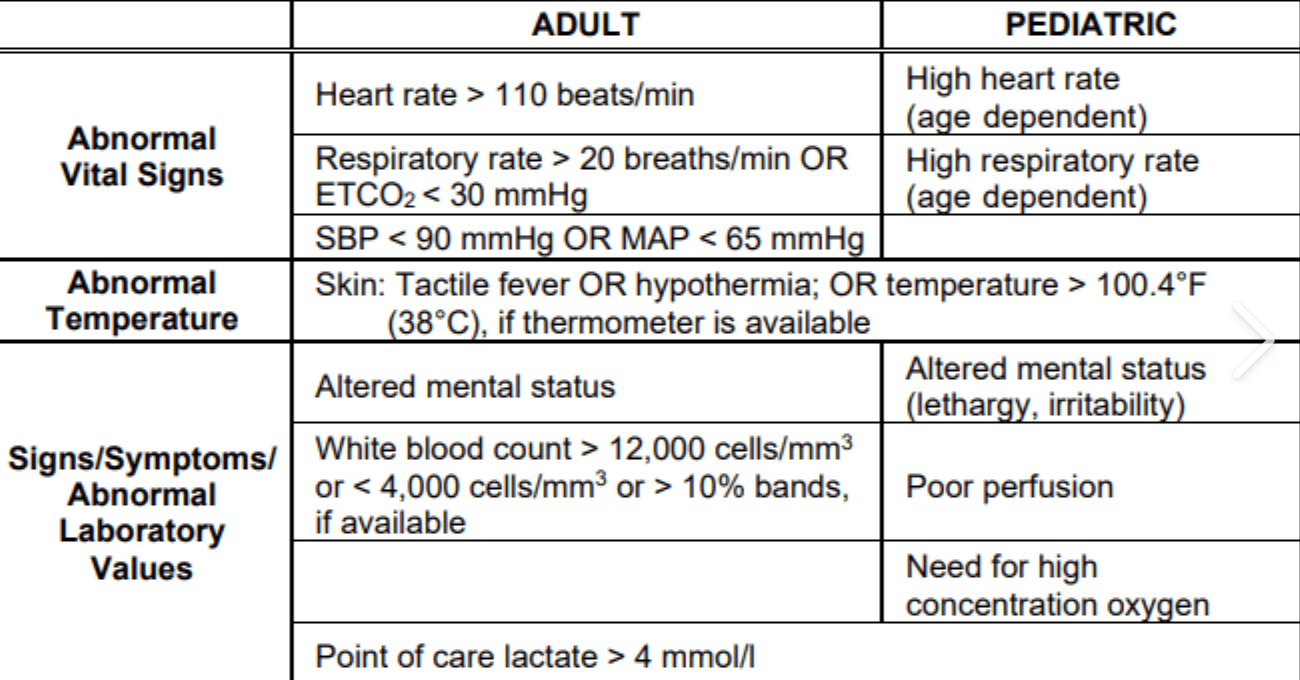
100
A 10 year old is brought in for the following fever and rash, which mother states "feels rough"
What is the name, treatment, and a potential complication if untreated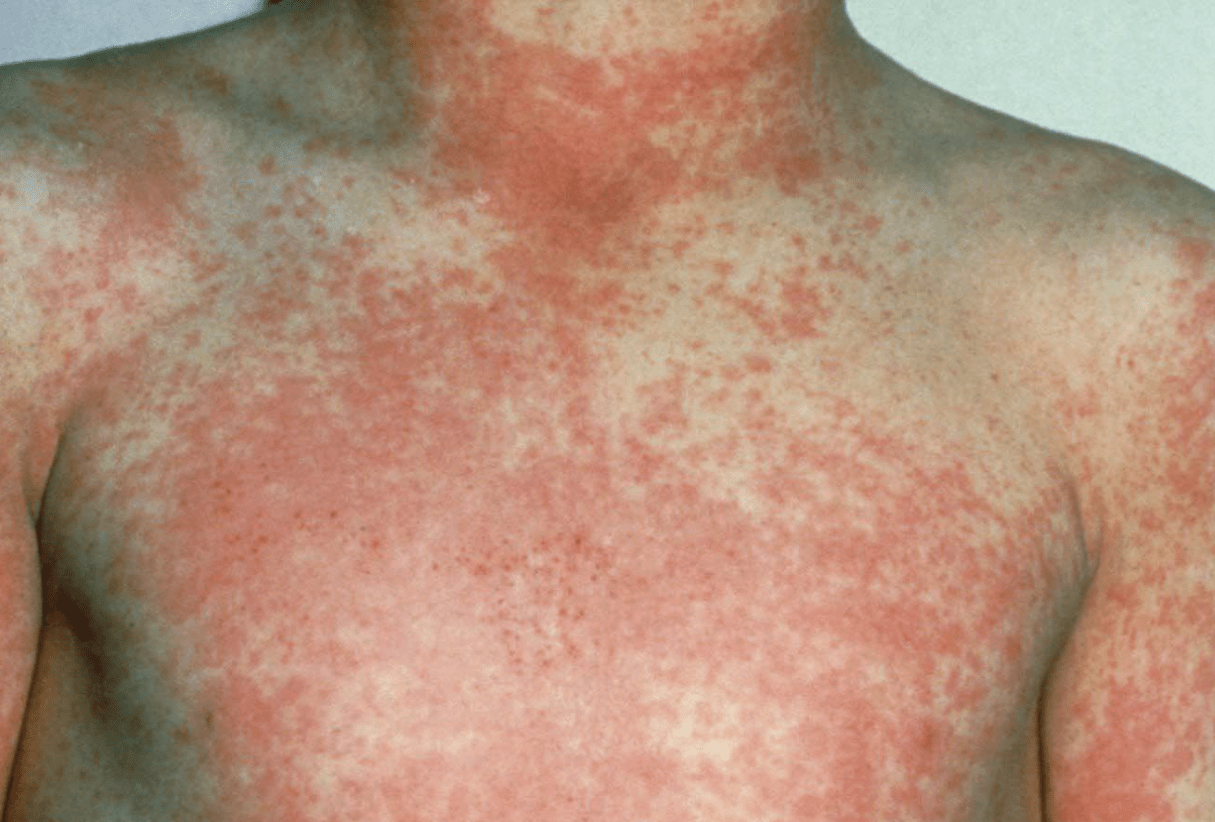
What is Scarlet Fever - described as a sandpaper rash that spares the palms and soles.
Treatment is low dose Amoxicillin 50mg/kg/day to max of 1000mg/day
Acute Rheumatic Fever (ARF): An autoimmune reaction that can develop 2–4 weeks after infection. ARF may cause inflammation of the heart (rheumatic heart disease), painful joints, skin rashes (erythema marginatum), and neurological symptoms like Sydenham’s chorea
200
A 4 month old infant is brought in for evaluation for profuse runny nose. Mother did not have prenatal care, and the baby was born at home, and has not seen a doctor yet. On exam you note an enlarged liver and a rash involving the palms. What's the causitive organism and what is the treatment
Congenital Syphillis, treatment is penicillin
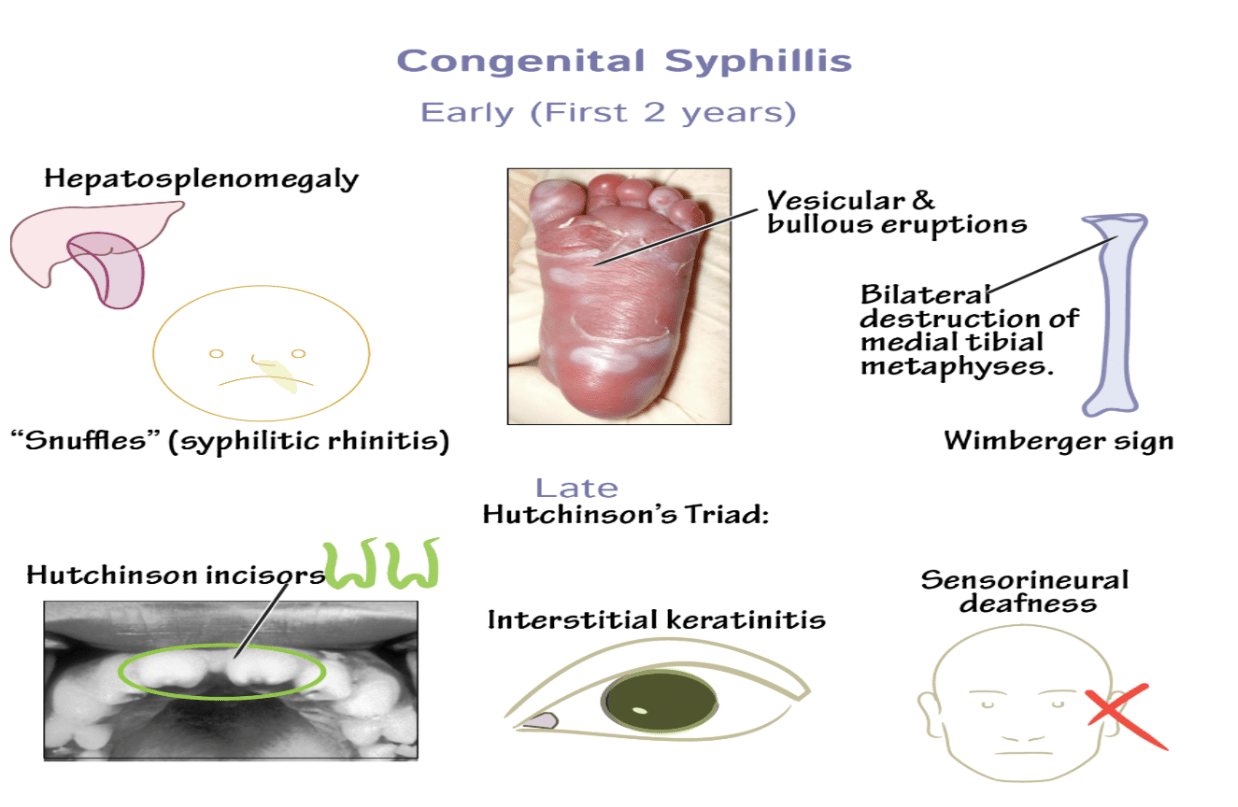
- Maternal screening early in pregnancy is the best means to prevent congenital syphilis.
- Penicillin is 98% effective at preventing congenital syphilis. [Hussain, 2023]
- Excellent prognosis if treated early.
- If not treated early, then increased risk of poor outcomes and death.
- Untreated congenital syphilis has high morbidity (~33%) and mortality (~6.5%).
200
This infectious disease can cause life‑threatening airway obstruction due to a “barking” cough and inspiratory stridor, especially in younger children.
Name the illness, and what is the treatment
Croup
6mo-6years
Parainfluenza Virus
Early treatment with Decadron 0.6mg/kg PO
200
A 4 year old male with PMH of sickle cell disease presents to the ED with sudden onset of back pain, inability to walk, and is noted to have midline tenderness. What is the most common culprit and what culprit must you consider
Staph is the most common culprit, but Salmonella needs to be considered in this age group
Spread is often hematogenous
MRI is diagnostic study of choice.
Antibiotic therapy would be Clindamycin or Cephalosporin
200
This metabolic parameter must be checked early because children burn through it quickly.
Glucose
In pediatric patients with sepsis, it is crucial to monitor blood glucose levels closely. Hypoglycemia can indicate a more severe disease state and may correlate with worse outcomes, including increased risk of organ dysfunction and mortality
200
This viral illness causes high fever followed by rash once the fever breaks.
Name the culprit and the treatment
Roseola, HHV-6, treatment is supportive.
Sudden high fever (often 39.5–40.5°C / 103–105°F) lasting 3–5 days. During this period, children may appear flushed, irritable, tired, or have mild respiratory symptoms such as a runny nose, cough, or sore throat
pink or red rash typically appears, starting on the trunk and neck and spreading to the arms and legs, but usually sparing the face. The rash consists of small, discrete macules or papules and is generally not itchy or painful, lasting 1–4 days

300
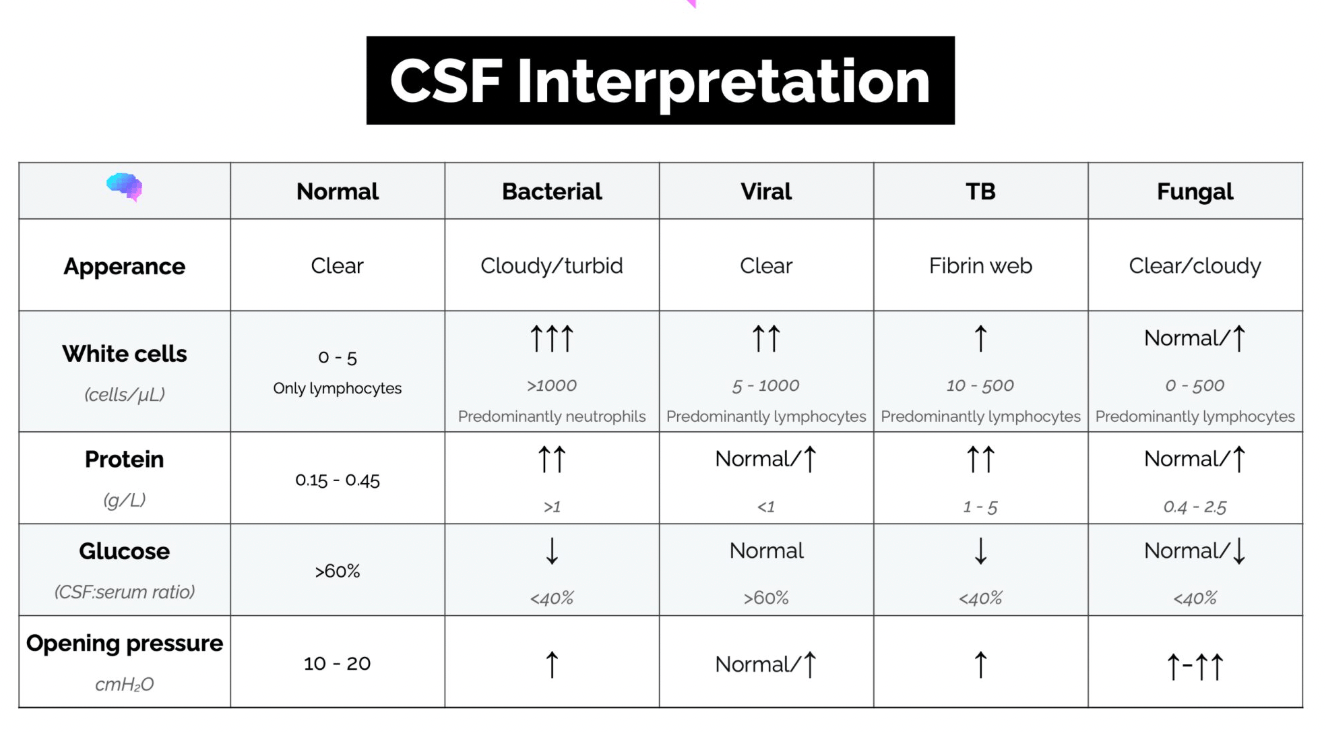
A 1.5 week old male patient is brought to the ED with one day of fever of 39C, poor feeding and a rash. Urine and CXR are negative. You decide to proceed to LP. What organism should you be concerned about and what would be the CSF findings?
HSV meningitis risk is highest in patients less than 2 weeks of age. Other concerning factors would be rash, maternal history of HSV lesions at birth, abnormal LFTs, AMS, seizure
LP findings: clear appearance, normal pressure, mildly elevated WBC with lymphocytic predominance, 100 or higher protein, normal glucose, RBC levels may be elevated in HSV meningitis.
300
A 2 year old is brought in for evaluation of a cough. Parents state that he seems to be having trouble catching his breath between coughing. The cough is so bad it is causing him to vomit, and he has developed subconjunctival hemorrhages. He is unvaccinated, and his siblings also have a similar cough.
What is the causative organism, and what is the role of antibiotics?
Whopping cough, Bordatella pertussis
Antibiotics do not shorten symptoms but they do decrease infectiousness
- “Whooping cough”. The “whoop” is caused on inspiration between coughs.[1]
- Most common in kids < 1yo, because they haven’t completed the whole vaccine series, AND adults, who have waning immunity.
- One of the only vaccine preventable diseases that has increased in prevalence recently
- Up to 20% of adults with cough >2 weeks have serologic evidence of pertussis[2]
- Bordetella pertussis, a gram-negative coccobacillus
300
Five year old boy presents with fever and this rash. Parents report he has complained of body aches and was sick several weeks ago with what they thought was a URI. Name the disease, cause and major criteria for diagnosing it.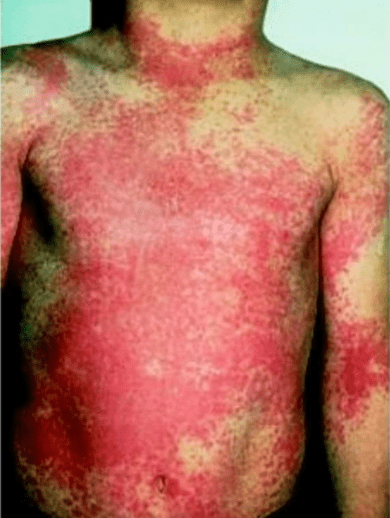
Acute rheumatic fever 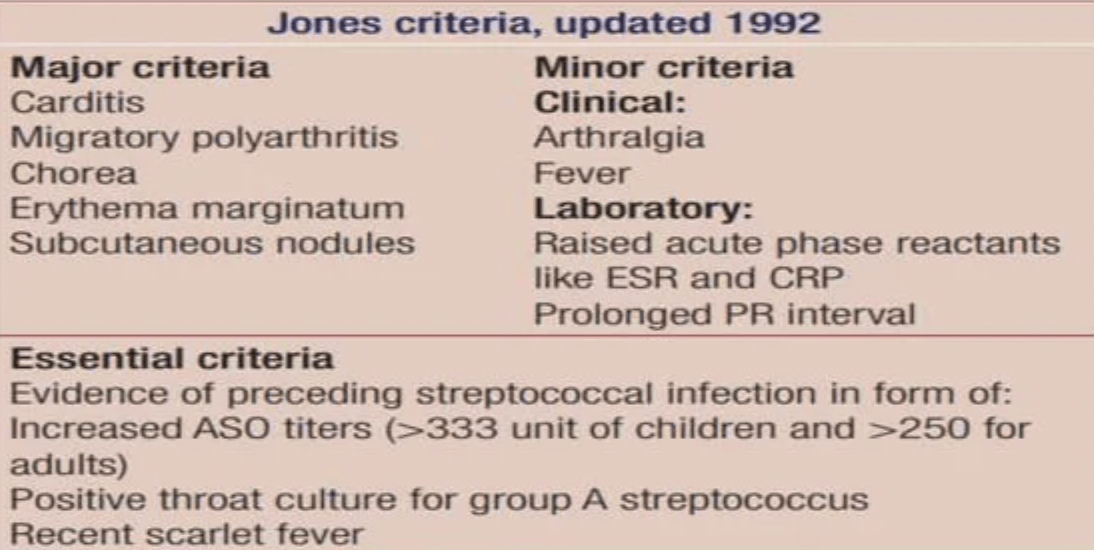
300
Because children fatigue quickly, this intervention is prioritized early.
What is airway/respiratory support (HFNC, CPAP, BVM, intubation)?
300
Name this rash, its cause, and two possible complications
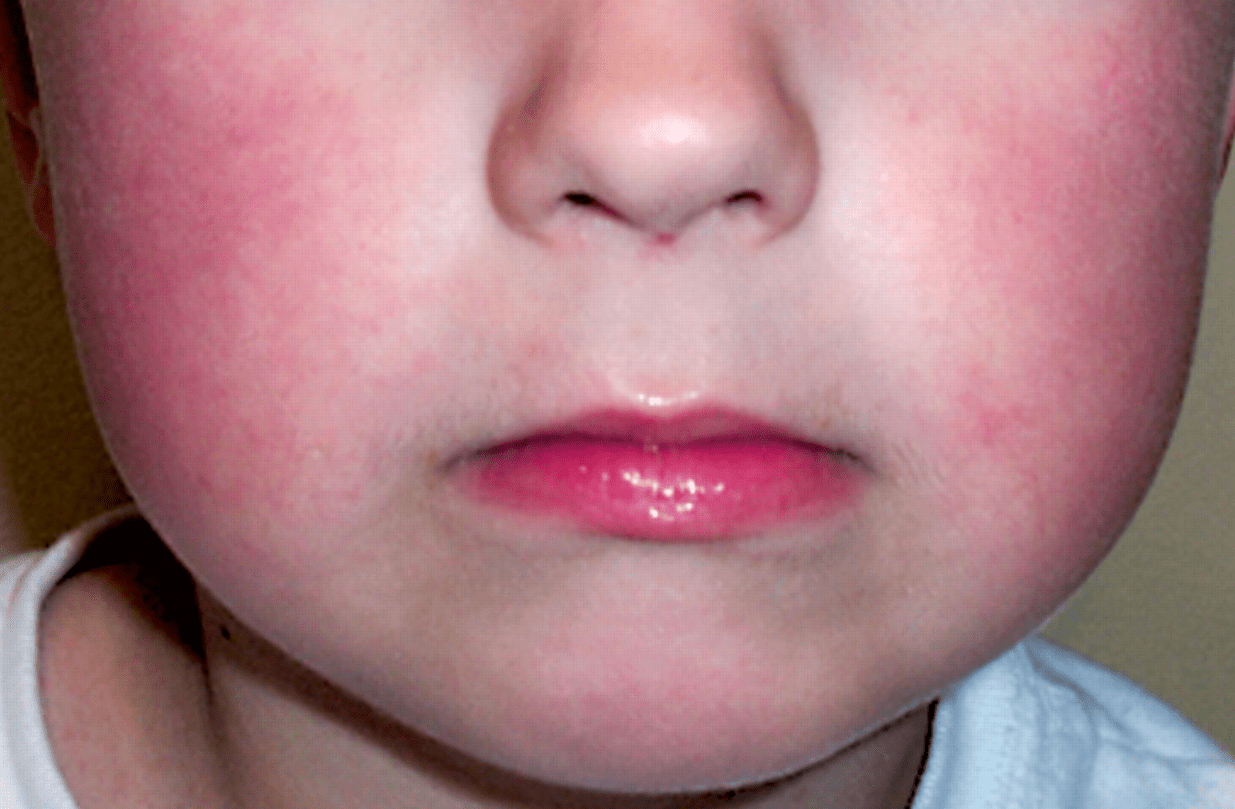
Fifth disease, erythema infectiosum
Parvovirus B19
Fever with mild URI symptoms, then develops "slapped cheek" rash
Treatment is supportive but can cause aplastic crisis and risk of miscarriage for pregnant women
400
When determining who needs an LP, what was determined to be Low risk by PECARN criteria
PECARN FEBRILE INFANT <28Days
- What they found
- Invasive Bacterial Infection: 4.5%
- Bacteremia: 3.8%
- Meningitis: 0.7%
- Rule performance was strong
- Sensitivity 94.2%
- Specificity 41.6%
- Negative Predictive Value 99.4%
- Key Clinical Takeaways: [Burstein, 2026]
- 41% of infants were classified as low risk
- No cases of bacterial meningitis were misclassified as low risk
- Missed infections were bacteremia without meningitis
- What they found
- No cases of bacterial meningitis were misclassified as low risk
- Missed infections were bacteremia without meningitis
400
A 16 year is brought into your ER for evaluation of fever, sore throat and drooling. He recently immigrated to the country, and cannot provide much medical history. You obtain the following XRay. What is this, what is the cause, and what should you NOT do!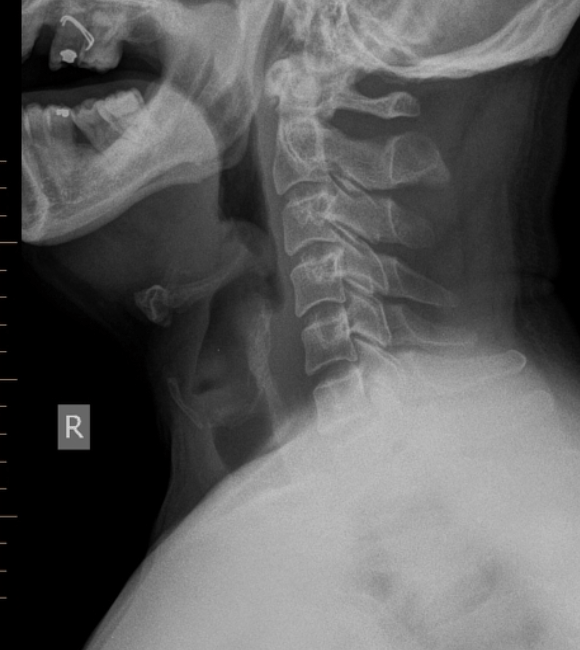
Epiglotitis
H influenzae type b (classically) now Strep, Klebsiella, and Staph)
- Sore Throat
- Dysphagia and subsequent Drooling
- Muffled Voice
- Stridor
- Progressive Respiratory distress
- Tripod position
- Fever and Toxic appearance
- Make every effort to keep child comfortable.
- Anxiety will worsen stridor
- More turbulent airflow will occur
- Increased work of breathing
- Delay IV attempts or IM injections
- Do not use tongue depressor as this may worsen agitation.
- Anxiety will worsen stridor
- Intubate in the OR with ENT/Anesthesia
400
What is the Kocher Criteria for septic arthritis? (4 elements)
What is the Kocher Criteria for septic arthritis? (4 elements)
The Kocher Criteria include:
• Non-weight-bearing on the affected side
• ESR >40 mm/hr
• Fever
• WBC >12,000
Source: EM Cases Digest, Vol. 2: Pediatric Emergencies
400
Pediatric fluid resuscitation must be done this way to avoid overload, and what is the standard bolus.
What is judiciously / cautiously?
Bolus of 20ml/kg, over 10-15 min can repeat q15 minutes
400
A 4 year old unvaccinated child visiting from Europe is brought for evaluation of cough, rash and fever. On physical exam the med student says he sees this in his throat. What is this, name the physical finding, and describe how the rash spreads.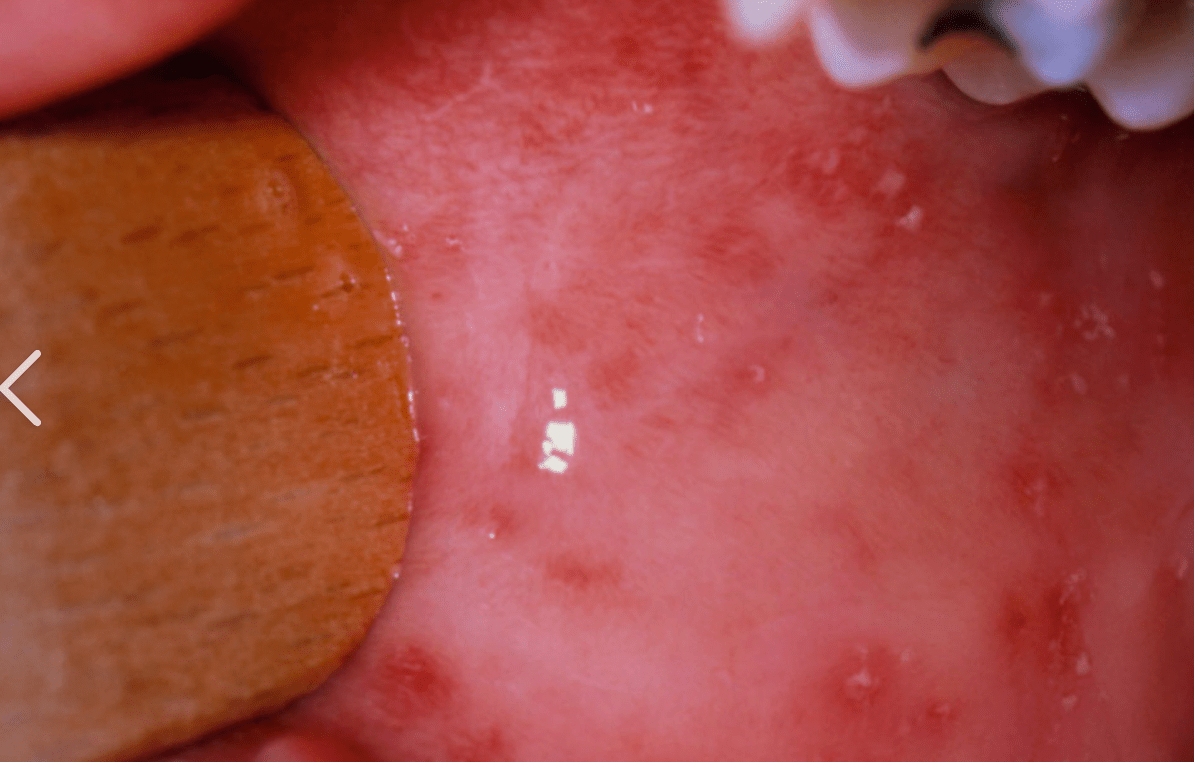
Measles - Macuolopapular rash that starts on the cheeks and spreads to chest and arms
Classic triad of cough, coryza and conjunctivitis
Koplik spots are pathognomic and appear before rash
Pts are contagious 1-2 days before the onset of symptoms (3-5 days before rash) to 4 days after rash disappears
Treatment is supportive, can consider Ribavirin for severe cases/immunocompromised
500
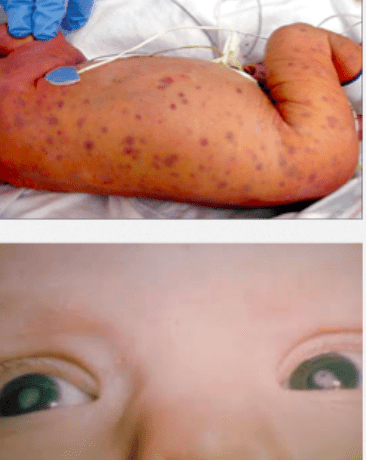
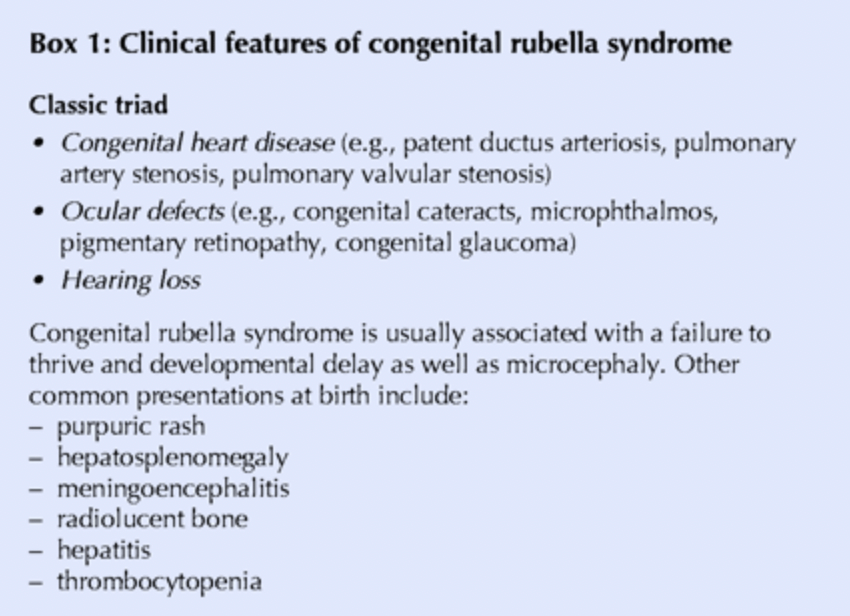
A 5 day old infant is brought in for evaluation of a persistent rash and "his eyes looking funny". Mom had a free birth with no prenatal care. You see the following, what is your diagnosis, and name at least three symptoms it often presents with?
500
A 10 year old is brought in for SOB, fever and cough. He is noted to be febrile, using accessory muscles with decreased breath sound on the right and coarse rhonchi. His CXR is shown below. What is this, the most common organism, and the treatment?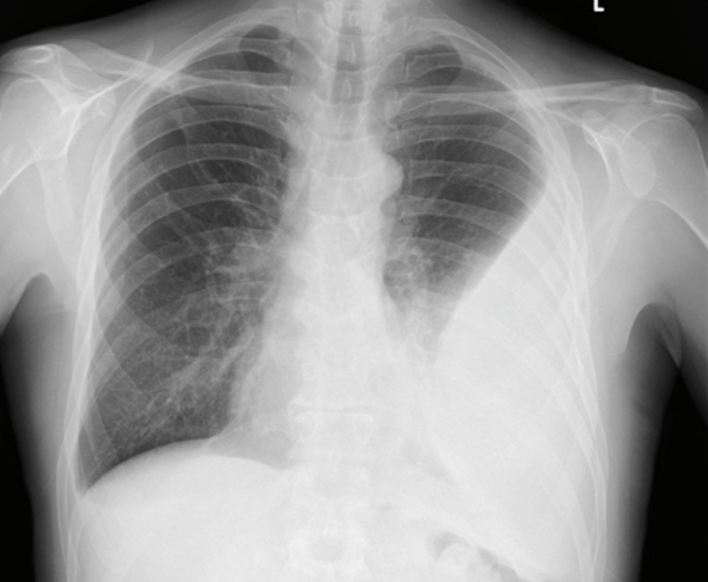
Pediatric empyema usually follows bacterial pneumonia; parapneumonic effusions common in complicated pneumonia.
Common pediatric pathogens: S pneumoniae, S aureus, group A strep; H influenzae now rare post-vaccine.
For ill-appearing children, it is particularly important to include vancomycin or clindamycin in the regimen because of the increasing frequency of parapneumonic effusions caused by community-associated methicillin-resistant S. aureus (CA-MRSA)
- Pleural infection may extend from lung abscess or contiguous mediastinal/esophageal/subdiaphragmatic disease.
- Pathophysiology progresses exudative → fibrinopurulent → organizing; loculations + pleural peel can form.
- Prognosis generally good; most recover, but early recognition/definitive therapy lowers morbidity.
500
A 2 year old child is brought in for evaluations of fever and a rash. Parents are concerned that he might have pink eye so wanted eye drops so he can go back to daycare. What is the disease, criteria and its treatment
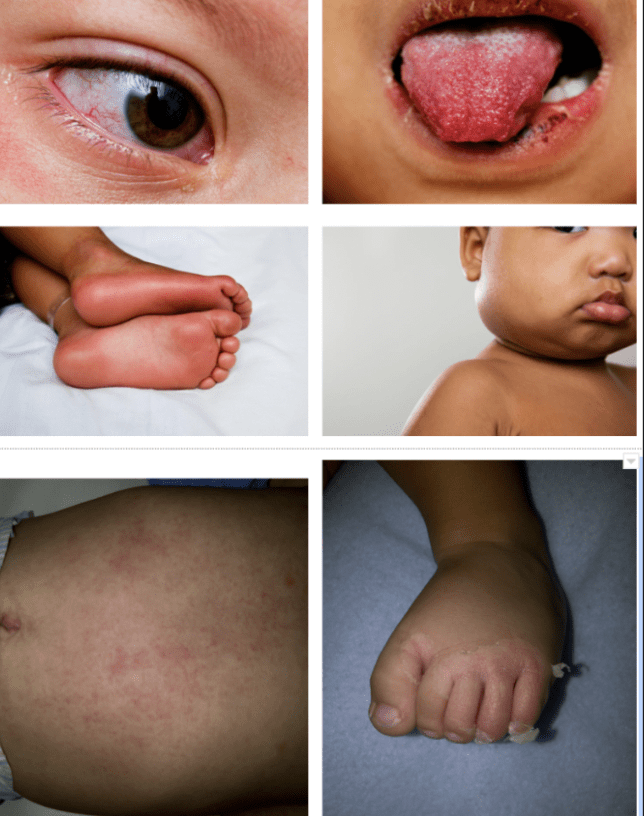
Kawasaki Disease
- Unexplained Fever lasting > 5 days with:
- Bilateral, non-exudative conjunctivitis
- Oral mucosa membrane changes (ex, strawberry tongue, red lips)
- Cervical lymphadenopathy
- Skin Rash
- Swelling of the hands and feet
- Treatment is IVIG, high dose ASA to prevent CA aneurysms
500
What is the difference of Cold vs Warm Shock and how is it treated differently?
“Cold shock” means profound vasoconstriction and low cardiac output, while “warm shock” means vasodilation and hyperdynamic circulation
Cold shock:
First-line: Rapid isotonic crystalloid boluses (e.g., 20 mL/kg) to restore preload internetbookofemergencymedicine.com.
Vasopressors: Generally not first-line; may be considered only after adequate fluid resuscitation and if hypotension persists, often epinephrine in children internetbookofemergencymedicine.com.
Rationale: The main problem is low cardiac output; increasing SVR without improving preload can worsen tissue hypoxia Heart Start CPR.
Warm shock:
First-line: Fluid resuscitation as needed, but vasopressors are often started early to counter vasodilation and maintain MAP Heart Start CPR.
Preferred agent: Epinephrine is commonly used in pediatric shock; norepinephrine may be used in some protocols internetbookofemergencymedicine.com.
Rationale: Cardiac output is usually adequate; the issue is low SVR, so increasing afterload improves perfusion Heart Start CPR.
500
Parents bring in their 4 year old child. They are concerned because she is irritable, febrile with a rash. It started on her face and now appears like this. What is this and how is it treated?
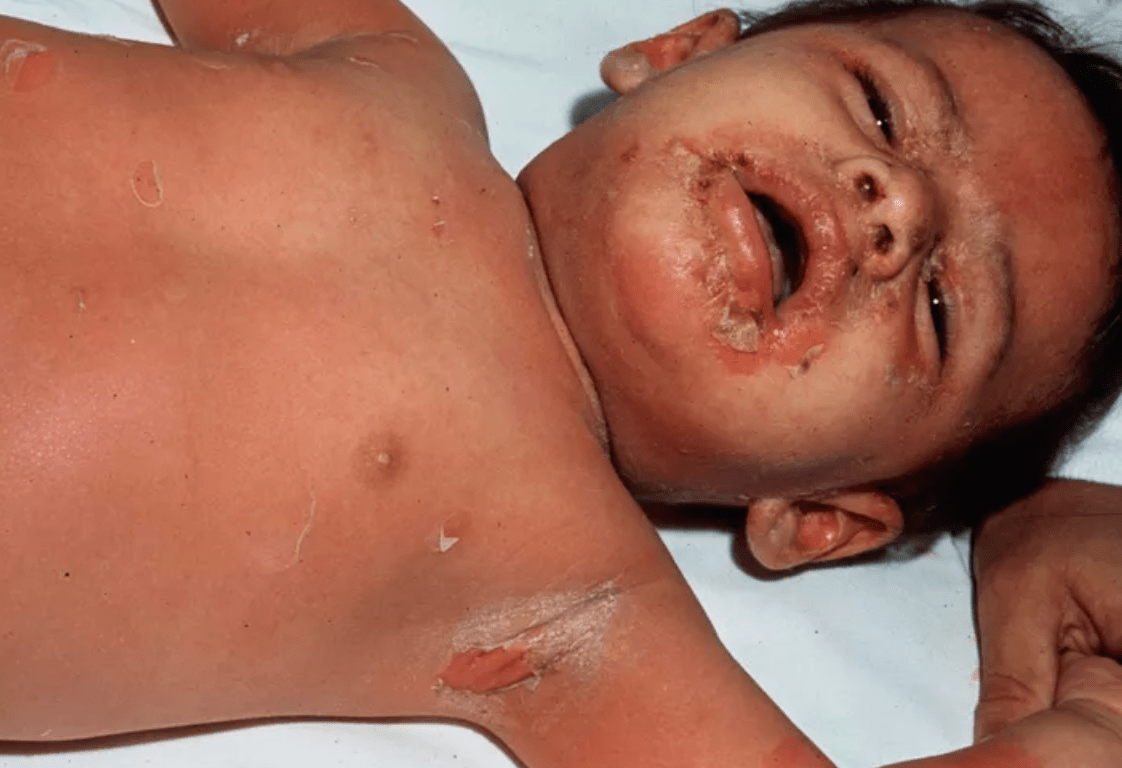
Staph scalded skin syndrome (SSSS) -IV antistaphylococcal antibiotics (e.g., nafcillin, oxacillin; alternatives for MRSA risk)
Caused by toxin‑producing Staphylococcus aureus strains that release exfoliative toxins (exfoliatins). These toxins target desmoglein‑1, causing separation of the epidermis and widespread skin peeling
- Primarily affects infants and children under 6.
Early symptoms:
- Fever, irritability, malaise.
Skin symptoms (within ~24 hours):
- Painful, diffuse erythema.
- Fragile, flaccid blisters.
- Positive Nikolsky sign (skin peels with gentle pressure).
- Large sheets of epidermal peeling, leaving raw, tender skin.
- Commonly affects face, neck, axillae, groin; spares mucous membranes.
- Hospitalization is usually required, often in burn or ICU units.
- IV antistaphylococcal antibiotics (e.g., nafcillin, oxacillin; alternatives for MRSA risk).
- IV fluids to prevent dehydration.
- Pain control and careful wound care (emollients, non‑adhesive dressings).
- Monitoring for complications such as sepsis, dehydration, and electrolyte imbalance