Periodic Table
Periodic Trends
Law of Conservation of Mass/Matter
Law of Conservation Mass/ Matter part 2
Misc.
100
This number tells you the number of protons and electrons in an atom. It is also how elements on the periodic table are arranged.
What is the atomic number?
100
The small, dense, positive part of every atom.
What is the nucleus?
100
This states that matter cannot be created nor destroyed, only transformed.
What is Law of Conservation of Mass?
100
This is found on the left side of the yields sign. In other words, what goes into the reaction.
What is a reactant?
100
The number of electrons that fit on the first, then the second, and finally the third energy levels.
What is 2, 8, and 8?
200
Subtract the atomic number from the atomic mass
How you figure out the number of neutrons?
200
The positive charge of an atom and the opposite part of an atom which has the negative charge of an atom. (2 answers)
What is the proton and electron?
200
3KOH + H2PO4 → K3PO4 + 3H2O
What is a balanced chemical equation?
200
Does this is image show the law of conservation of mass?
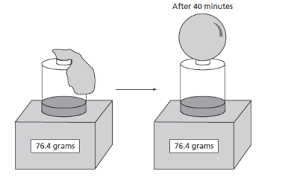
What is yes?
200
Lithium and Sodium are in the same family.
What is...
they have similar chemical properties?
the same number of valance electrons?
300
Calcium has an atomic number of 20 and an atomic mass of 40.008. Protons, neutrons, and electrons would be this.
What is 20 protons, 20 electrons, and 20 neutrons?
What is the same?
What is they all equal 20?
300
THe neutral part of an atom.
What is the neutron?
300
The masses of the reactants and the products in a chemical reaction according to the Law of conservation of mass should always be ____.
What is equal or balanced?
300
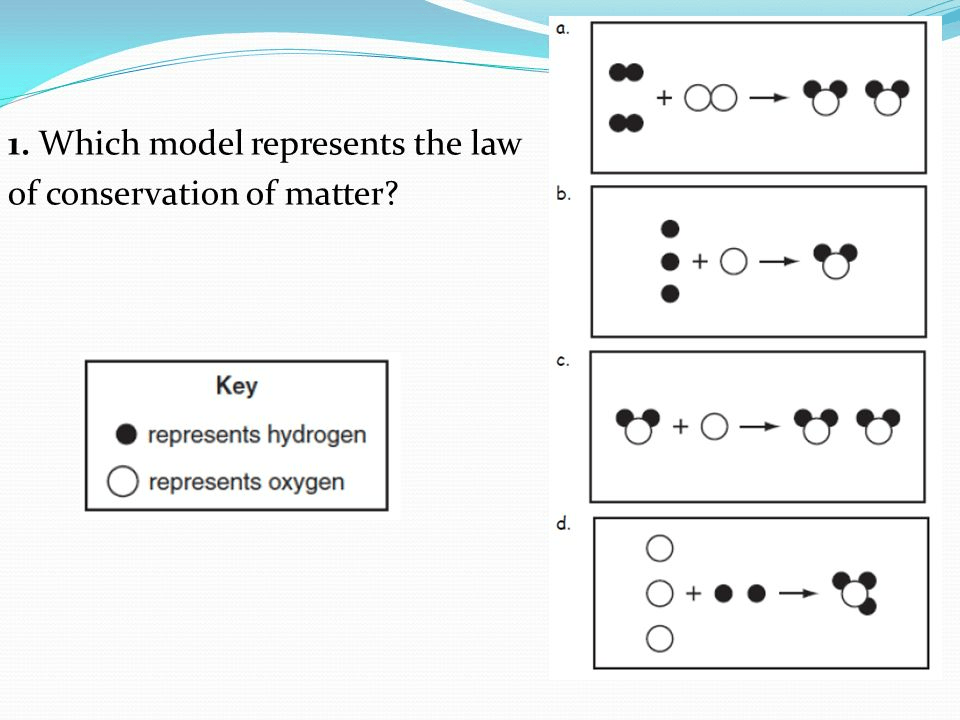
What is model A?
300
Draw a bohr model for Neon.
Atomic Number is 10
Atomic Mass is 20.180
What is 2 - 8 electrons in the energy shell?
10 protons and 10 neutrons in the small, dense nucleus.
400
The meaning of the numbers at the top of the groups / families.
What is the number of valence electrons?
400
The part of the periodic table that tells the chemical properties shared by the elements found in this section.
What are the families or groups of the periodic table?
400
12 grams of reactant X react with 15 grams of reactant Y. This is the total mass of the product(s).
What is twenty seven (27) grams?
400
Does this image support the law of conservation of matter/mass? what is the total mass of the product and reactant?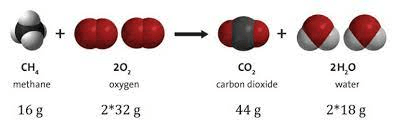
Yes. Reactants= 80g Products= 80g
400
Draw a Bohr Model for Calcium
Atomic Number = 20
Atomic Mass = 40.08
What is 2 - 8 - 8 - 2 for electrons in each shell?
20 protons and 20 neutrons in the nucleus.
500
What does the term 'valence electrons' mean?
The number of electrons on outermost shell and it can tell you how reactive an element is
500
These increase as you go across the periods or rows of the periodic table.
What are the number of electron shells?
500
In a chemical reaction, 50 g of Chlorine is used to produce 95 grams of Sodium Chloride. How much Sodium was used?
What is forty-five (45) grams?
500
Does this image support the law of conservation of matter?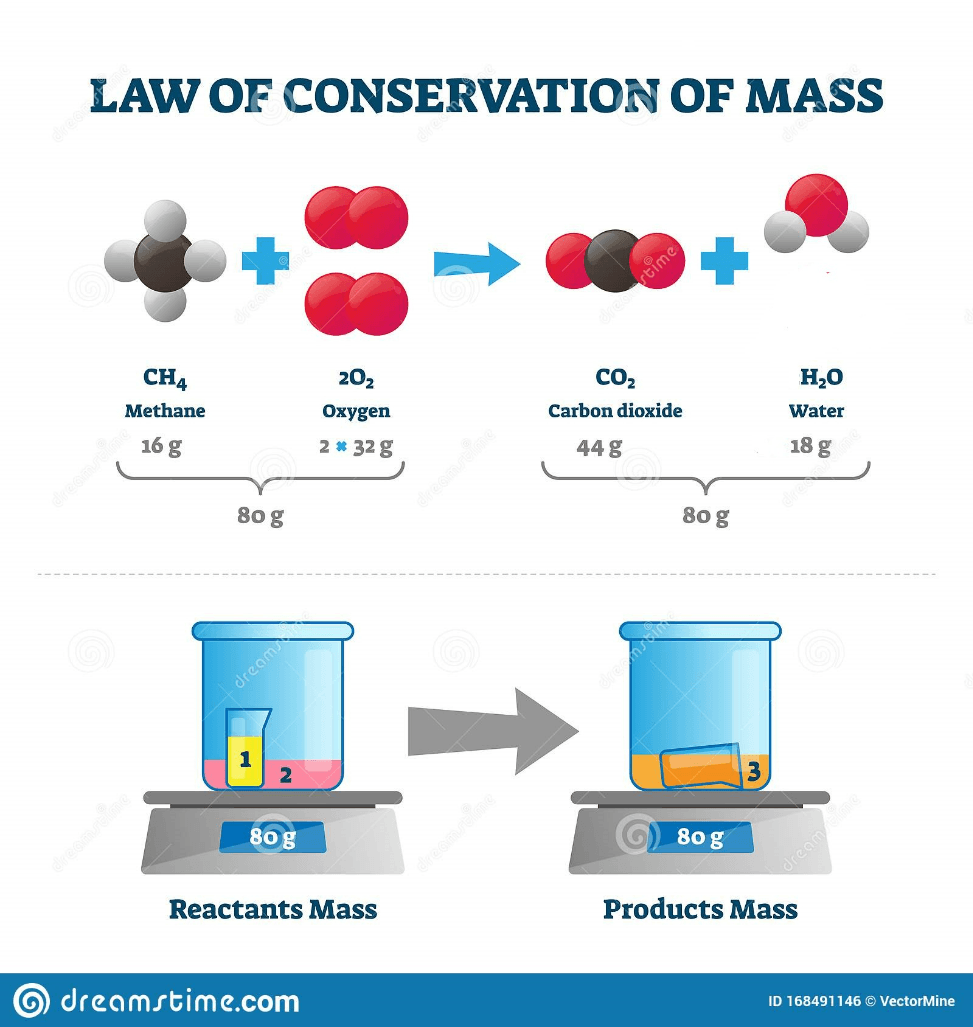
No. The mass is the same but the products and the reactants are not balanced.
500
List three patterns for the periodic table.
What is ...
the elements are arranged by the atomic mass?
periods increase and show energy level?
families increase and show valance electrons?
elements in families share chemical properties?