Diagrams
Basics
Maps
Key Concepts!
200
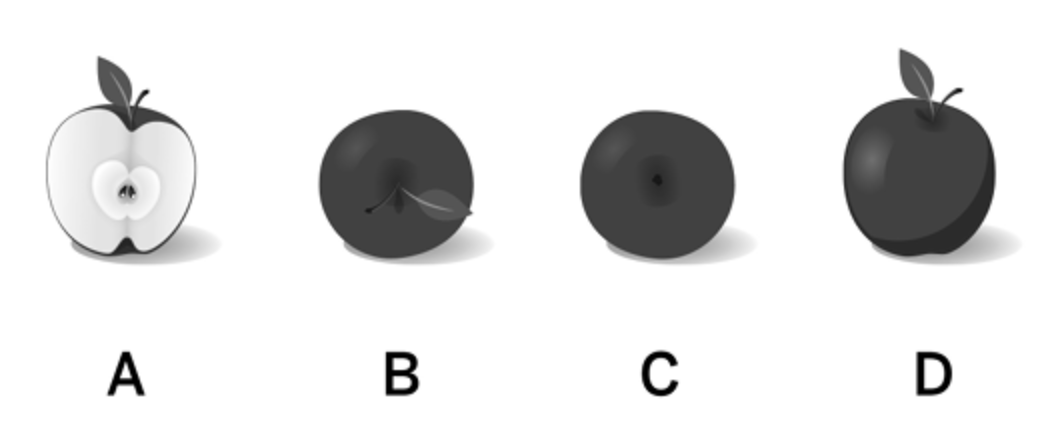 Which of the following is an example of a cross section?

200
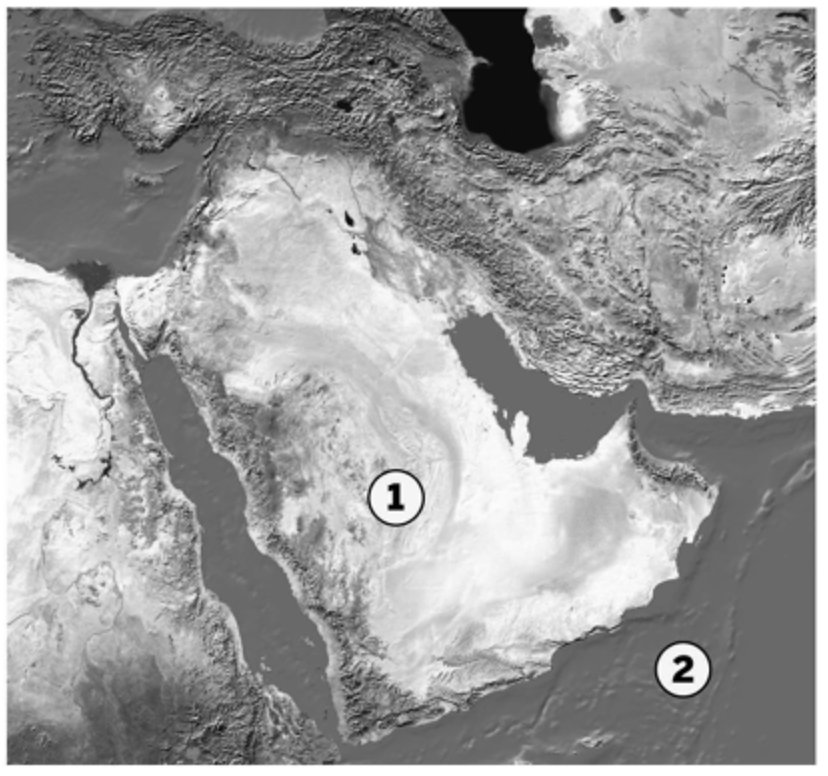
Where will the geologists find hard, solid rock? Site 1, Site 2, or both?
Both Site 1 and Site 2!
200
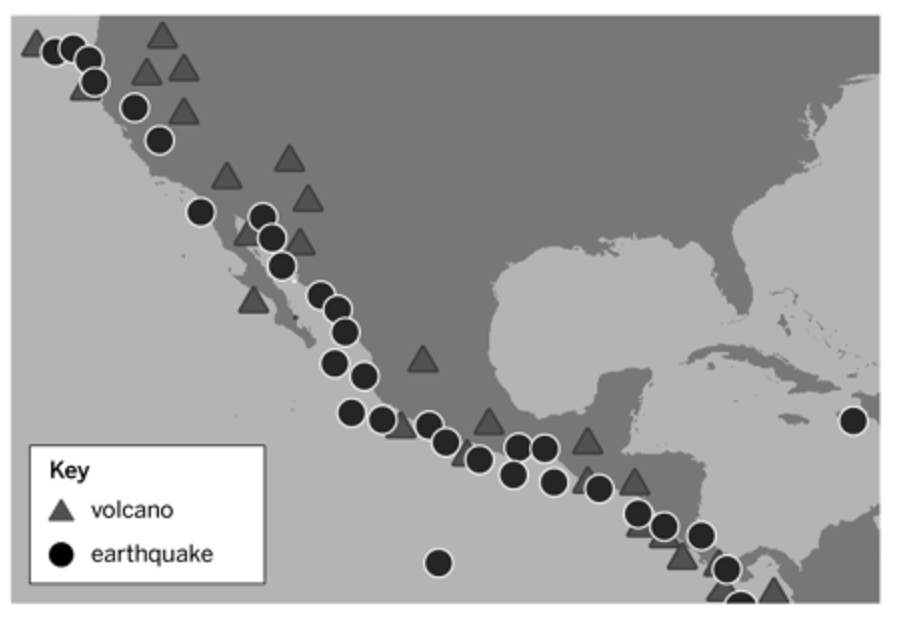 What type of activity do the triangles and circles represent?
Volcanoes and earthquakes!
200
Earth's outer layer is divided into sections called ___________.
Plates!
400
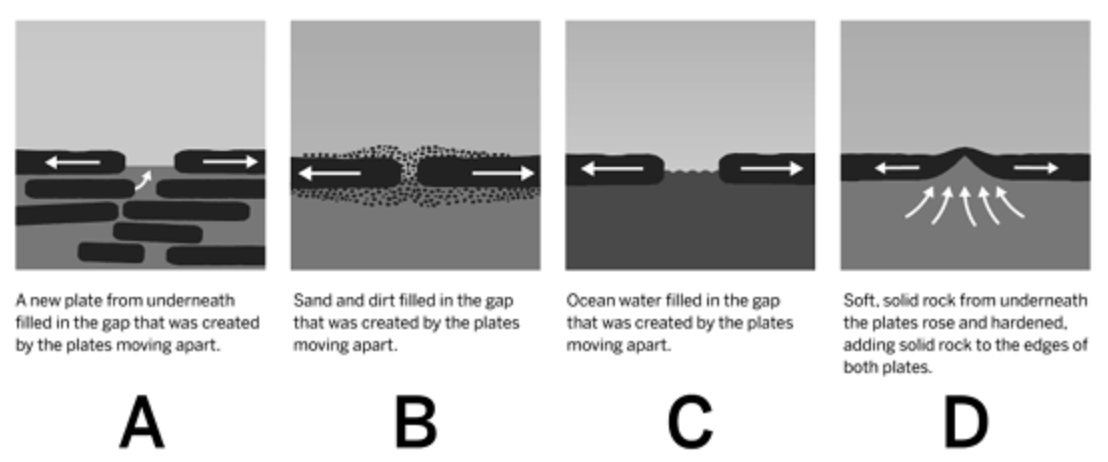 Which of the following diagrams illustrate a divergent plate boundary?
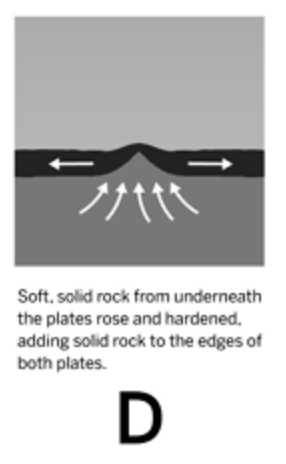
400
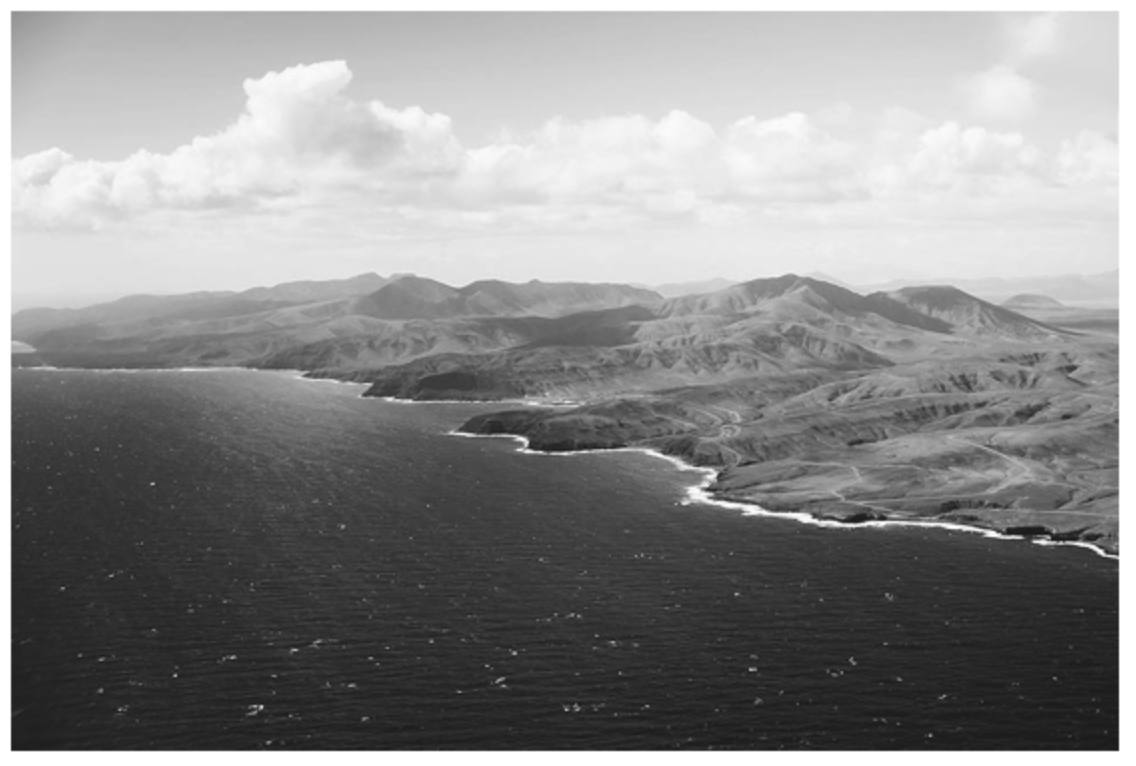 What is the Earth's outer layer made of underneath the image shown?
Hard, solid rock
400
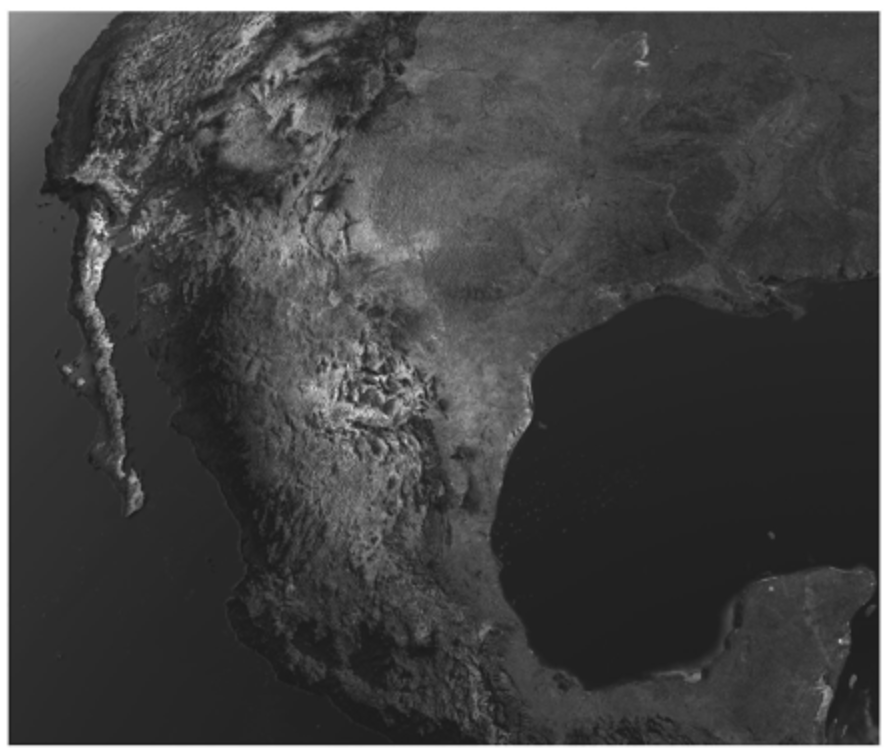
What is Earth’s outer layer like underneath the surface in the image?
Hard, solid rock under both the land and ocean!
400
At ______________ plate boundaries, rock rises from the mantle and hardens, adding new solid rock to the edges of both plates.
Divergent!
600
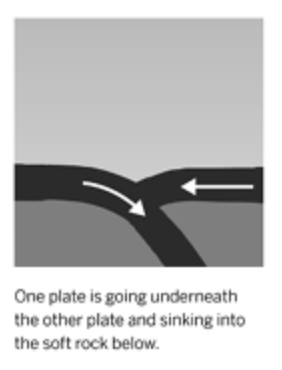 What type of plate boundary is illustrated by this diagram?
Convergent plate boundary
600
The plates slowly moved far apart as soft, solid rock from underneath got added to the edges of the plates over millions of years. What kind of boundary must be between these plates?
Divergent plate boundary!
600
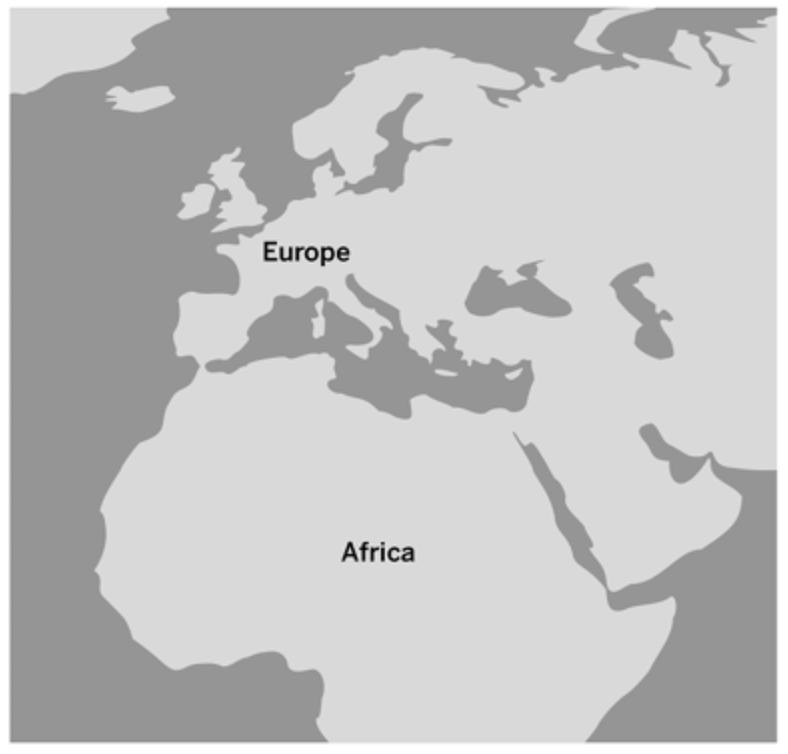
In the past, Africa used to be farther away from Europe than it is now (shown above). What could explain why Africa is closer to Europe now than it was before?
Convergent plate motion. The plates slowly moved toward each other as one plate went under the other plate into soft, solid rock over millions of years.
600
At _____________ plate boundaries, one plate moves underneath the other plate and sinks into the mantle.
Convergent!
800
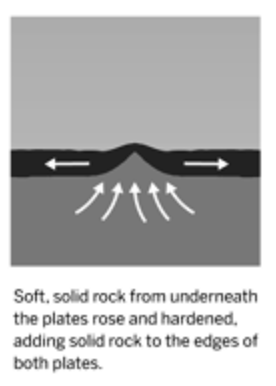 What type of plate boundary is illustrated by this diagram?
Divergent plate boundary
800
The plates slowly moved toward each other as one plate went under the other plate into soft, solid rock over millions of years. What kind of boundary must be between these plates?
Convergent plate boundary!
800
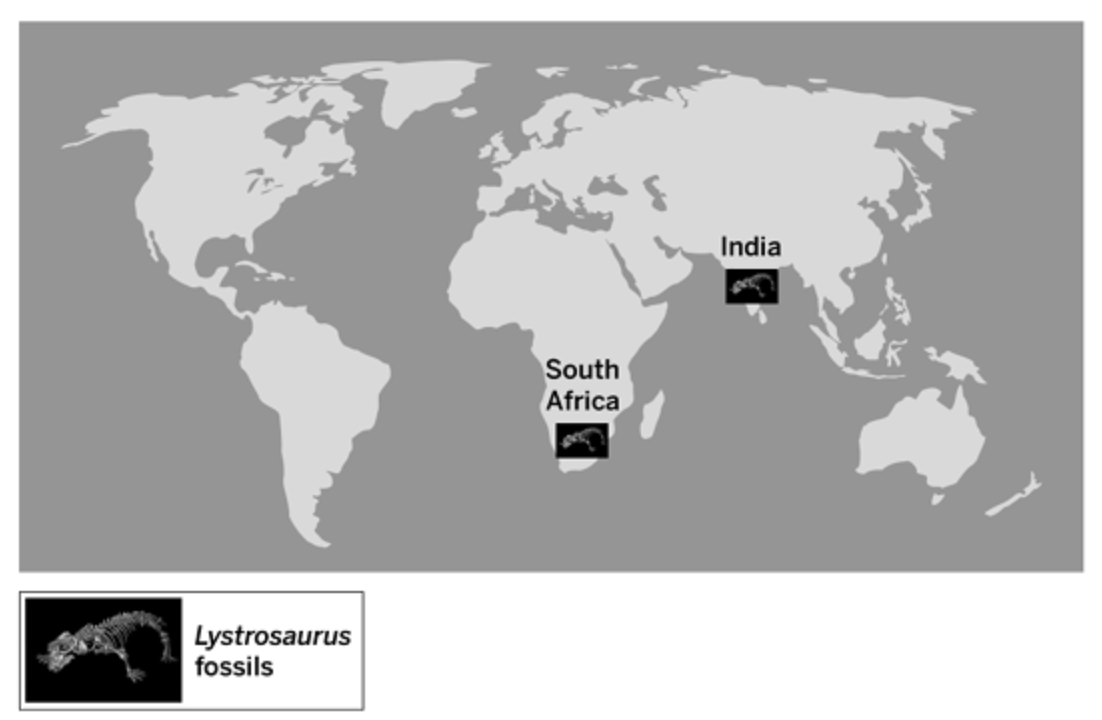
What type of plate motion would cause these fossils to end up on different continents?
Divergent plate motion. The plates slowly moved far apart as soft, solid rock from underneath got added to the edges of the plates over millions of years!
800
Earth's plates move on top of a soft, solid layer of rock called the _____________.
Mantle!
1000
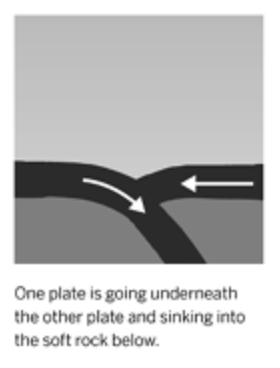
What type of landform is created after the plate motion pictured in the diagram?
A trench!
1000
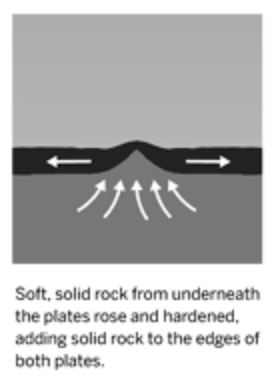
What type of landform is created after the plate motion pictured in the diagram?
A mid-ocean ridge!
1000
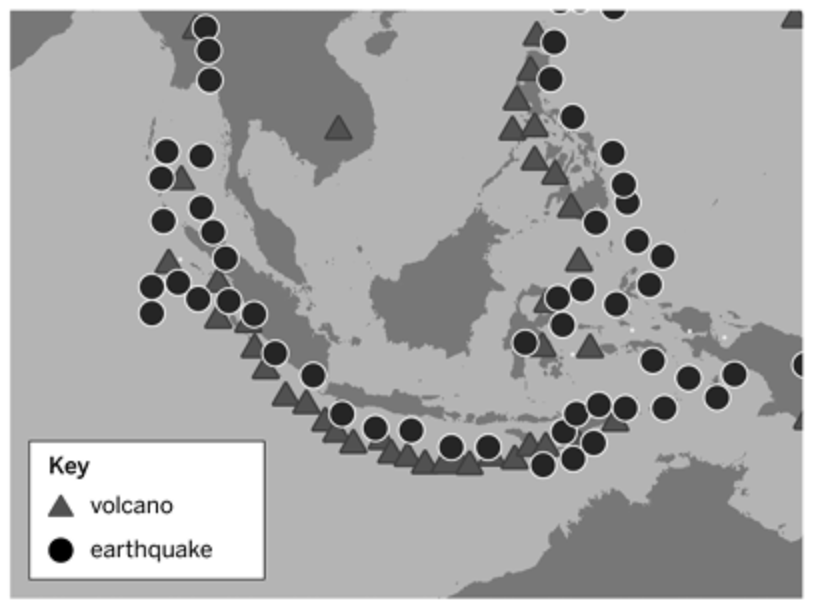
Does this map indicate that in this area there may be divergent plate motion, convergent plate motion, or either?
Either! Volcanoes and earthquakes can be found near either divergent or convergent plate boundaries.
1000
Earth's plates travel at a ________ too slow to be experienced by humans.
Rate!