Visuals
The Pyramid Model
Problem solving/Friendship Skills
Emotions/Rules and Expectations
Inclusion
100
Who do visuals help?
EVERYBODY!!
100
How many tiers are in the Pyramid Model?
4
100
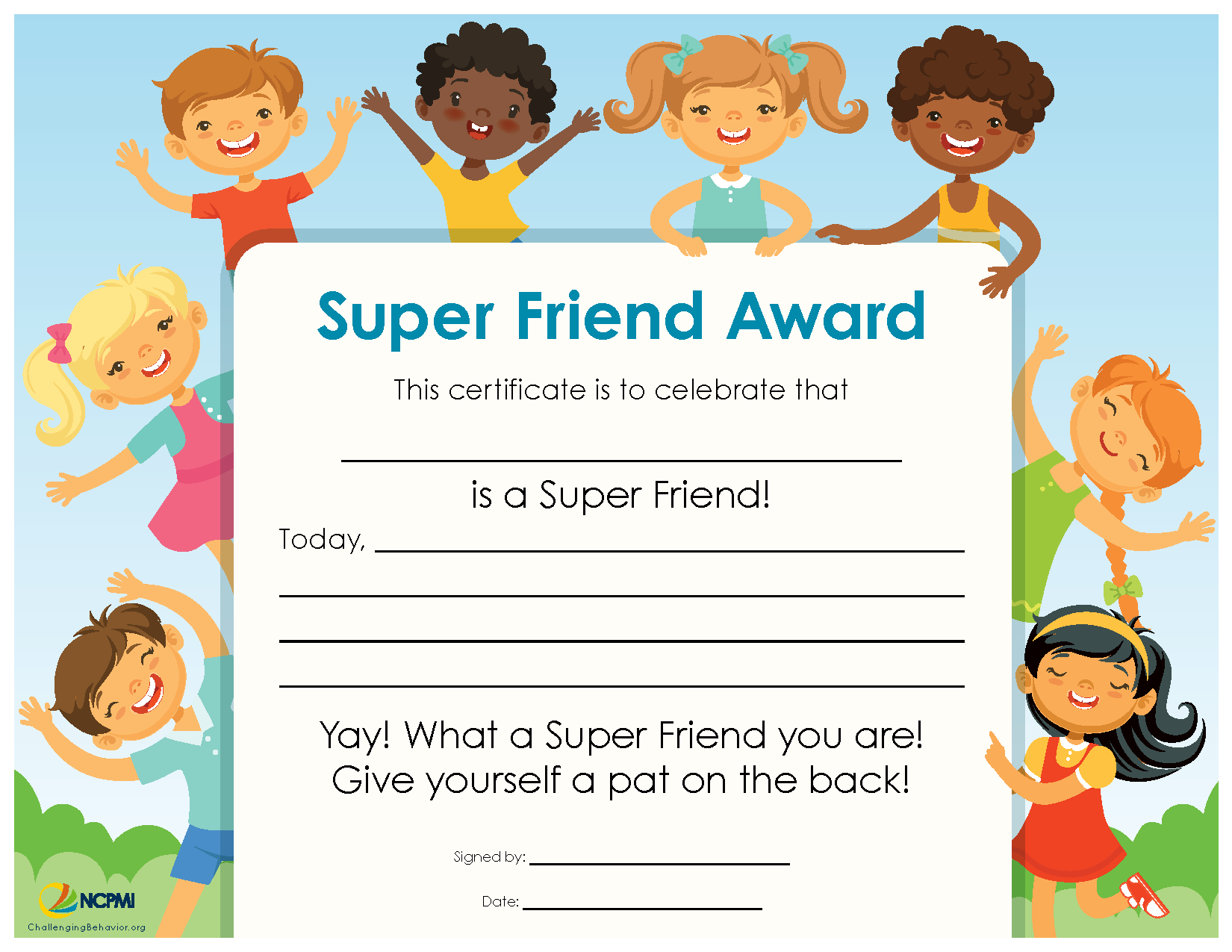
In the Pyramid Model, how do we celebrate a child for using positive friendship skills?
By giving them the title of "A Super Friend"
100
Who takes time to Tuck and Think?
Tucker Turtle!!
100
When used properly in the classroom, these stress-relieving items function as sensory tools to increase focus, rather than as this 3-letter word.
Toy
200
Who is capable of using visuals?
You! Me! It's not rocket science, it's just a visual ;)
200
What is the Pyramid Model?
a framework of evidence-based practices designed to promote the social, emotional, and behavioral development of young children
200
What is one way to let a child know they did something great? provide an example.
Using POSITIVE DESCRIPTIVE FEEDBACK!
Instead of good job "I love the way you use orange and yellow on your painting!"
200
What are three ways we could teach emotions to children?
1. Using role-playing/modeling
2. Using books/stories
3. Emotional check-in's (the emotions board)
200
What are 3 different ways of communication?
1. Verbal
2. Sign
3. Augmentative Communication devices- Ipad
4. Gestures
300
True or False: Children who have been with us for a year or many years automatically know the routine
False! This is an assumption we make as adults. Visual schedules support children's understanding of their day the same way we need and benefit from road signs.
300
What does Kindergarten readiness look like?
* Ability to make and maintain friends
* Emotional regulation
*Ability to recognize a problem and seek out a solution
A child who is equipped with a strong social and emotional foundation is to be FAR MORE successful in academics vs a child who was only taught ABC's and 123's.
300
True or False: A timer solves all problems!
NO! Timers do not solve all problems, we teach a variety of solutions to increase problem solving skills
300
What are your classroom Pyramid Model expectations?
1. Daycare: We are Safe, We are kind, We are Friendly, We are Respectful
2. Preschool: We are safe, We are kind, We take care of our world
300
Yes or no? All children respond well to clearly spoken directions from across the room
No! Not all children are able to understand a direction when it is given to a group. Some children require face to face directions, minute by minute reminders, visuals etc.
Connect before you direct!
400
Why are visuals important?
Words disappear while visual supports hold time and space, allowing young minds to process, comprehend and retain information much more effectively
400
What area's of the Pyramid Model did you learn with Melissa
1. Visual Schedule
2. Friendship skills
3. Problem Solving
4. Rules and Expectations
5. Positive Descriptive feedback
6. Teaching Emotions
400
What are six solutions on the Solution Centre?
1. Ask for a hug
2. wait and take turns
3. Share
4. Play together
5. Ask for help
6. Take a break
7. Trade
8. Ignore
9. Timer
10. Get a teacher
11. Ask nicely
12. Say "Please stop"
400
True or False: We should only be teaching children, sad, mad and happy
We all feel a great variety of emotions, teaching a wide range of emotions helps children build better emotional intelligence, where they can accurately recognize how they may be feeling.
400
True or False: ANY child with a diagnosis MUST be attached to SCD
FALSE! A child with diagnosis may not require SCD if they are participating to the best of their ability with successful teacher support.
SCD referrals should be based on that particular child's needs vs a diagnosis or needs of other children in the classroom
500
What are the benefits of a visual schedule?
1. Reduces anxiety
2. Teaches that there is a beginning and an end to an activity/day
3. Improves Transitions
4. Supports Communication
5. Increases Independence
6. Teaches flexibility
500
What are the 4 tiers of the Pyramid Model?
500
What are the 5 steps to Problem Solving?
Step 1: What is my problem?
Help the child calm down and figure out what the actual issue is.
Step 2: Think, think, think of some solutions.
Brainstorm a few different ideas or choices to fix the problem.
Step 3: What would happen if...?
Check if the ideas are safe and fair, and think about how everyone will feel.
Step 4: Give it a try! Pick one solution and use it.
Step 5: Did it work? See how the choice worked out and try a new idea if needed
500
What is the term used for supporting a child through Big Feelings?
Co-regulation
500
Yes or no? Fair means every child gets the same thing
No! Fair does not mean equal, fairness means we all get what we need.