I
Will
Study
For
FSSA
100
The chemical formula for carbon dioxide
CO2
100
The chemical formula for water
H2O
100
a positively charged particle in the nucleus of an atom.
proton
100
a neutral particle in the nucleus of an atom
neutron
100
a negatively charged particle that occupies the space in an atom outside the nucleus
electron
200
The temperature at which an element or compound changes from solid to liquid.
Melting Point
200
neither acid or base (ex. pure water has a PH=7)
neutral
200
a change in matter in which the substance that makes up the matter change into other substances.
chemical change
200
a row of the periodic table
period
200
a change in the size, shape, form, or state of matter that does not change the identity of the matter.
physical change
300
mass per unit volume of an object or substance
density
300
the common name for NaCl
table salt
300
# of protons and electrons that are in an atom of Hydrogen
1 proton
1 electron
300
The number of protons in an atom of an element (the "identity" of a substance)
atomic number
300
a substance containing atoms of two or more different elements chemically bonded together.
compound
400
Name 3 physical properties
malleability, ductility, conductivity, solubility, density, color, texture, luster, melting point, boiling point, etc.
400
new substances formed in a chemical reaction
products
400
made up of two or more substances but not chemically combined
mixture
400
What can cause a chemical reaction to happen quicker?
increase temperature
400
Which reaction cannot be reversed? Physical or Chemical
Chemical
500
Name 3 chemical properties
rust / oxidation state, flammability, combustibilty, pH (acid/basic), reactivity, toxicity
500
ability of a substance to bend without breaking
malleability
500
the ability of a substance to be pulled into thin wires
ductility
500
Number of protons, neutrons and electrons in Potassium
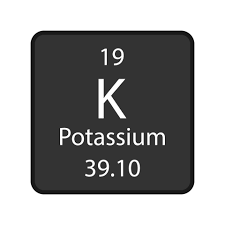
19 - protons
19 - electrons
20 - neutrons
500
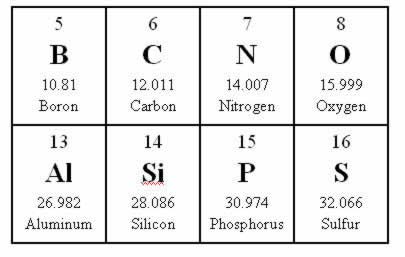 How to find the number of neutrons in an element?
Subtract the atomic number from the atomic mass