Materials, Techniques & Processes
Visual Language & Aesthetic Qualities
Ideas & Meaning
Exhibition & Display
Conservation & Care
100
Identify the main material and describe one visible characteristic created through its application.
Lucian Freud, Portrait of a Man (1981–82)
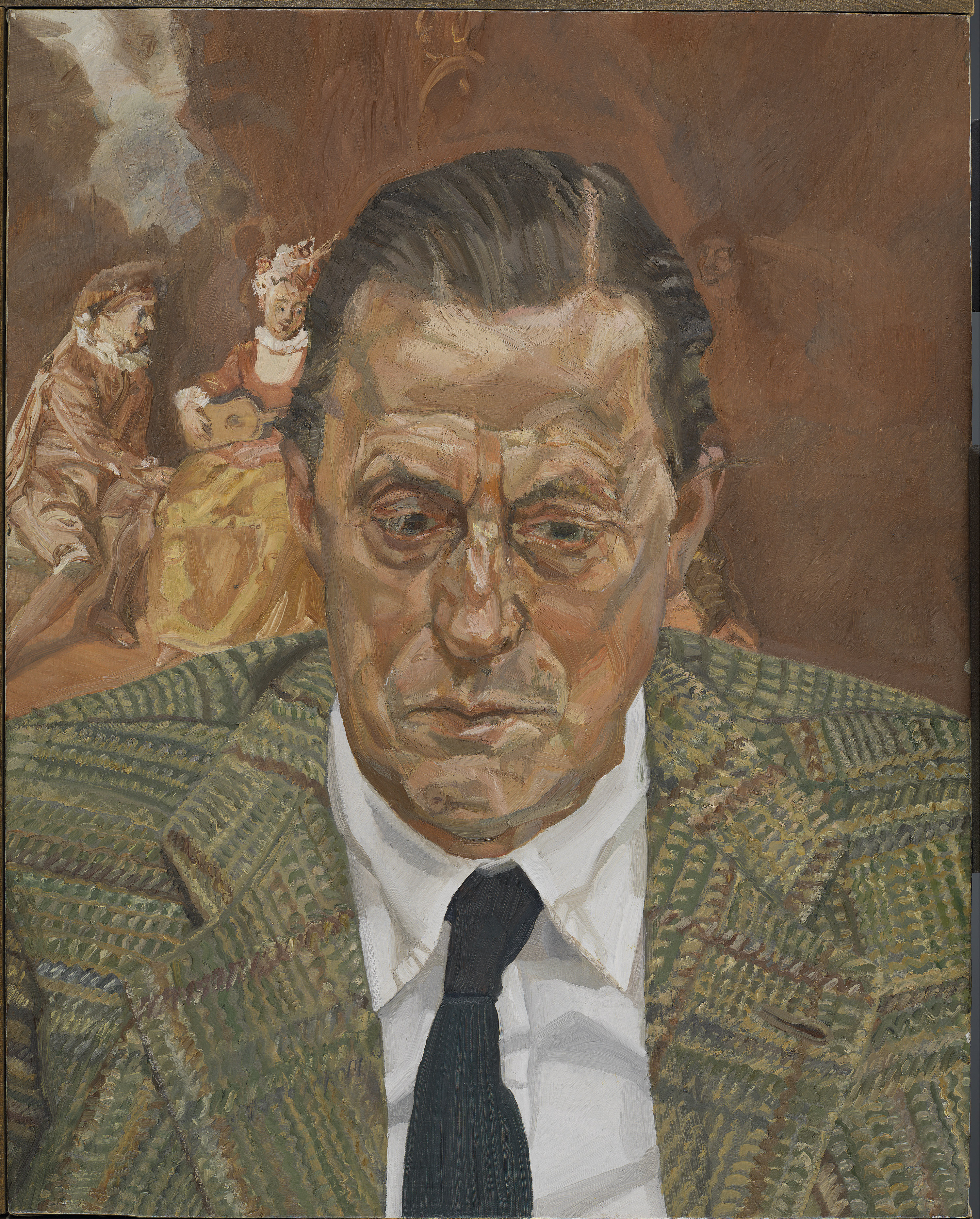
Oil paint. Visible, layered brushwork creates a textured, painterly surface and gives the sitter a strong sense of physical presence.
100
Identify one art principle and explain how it contributes to the aesthetic qualities of the artwork.
Bridget Riley, Movement in Squares (1961).
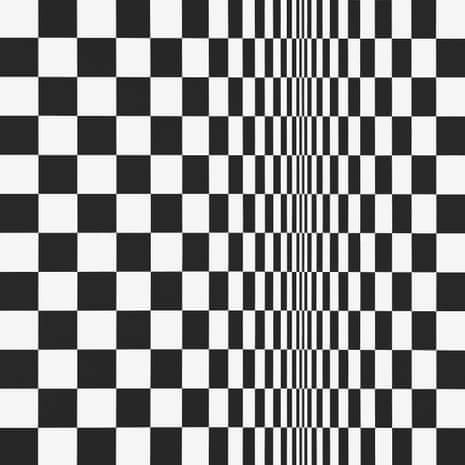
Repetition/rhythm of the black-and-white squares creates optical movement and a dynamic, unstable aesthetic.
100
Describe the subject matter and suggest one idea or meaning communicated by the photograph.
Dorothea Lange, Migrant Mother (1936).
Mother surrounded by her children; expressions/body language communicate hardship, uncertainty, poverty, resilience or concern.
100
Suggest one appropriate way this large three-dimensional artwork could be positioned in an exhibition space and explain why.
Ron Mueck, Mask II (2001–02).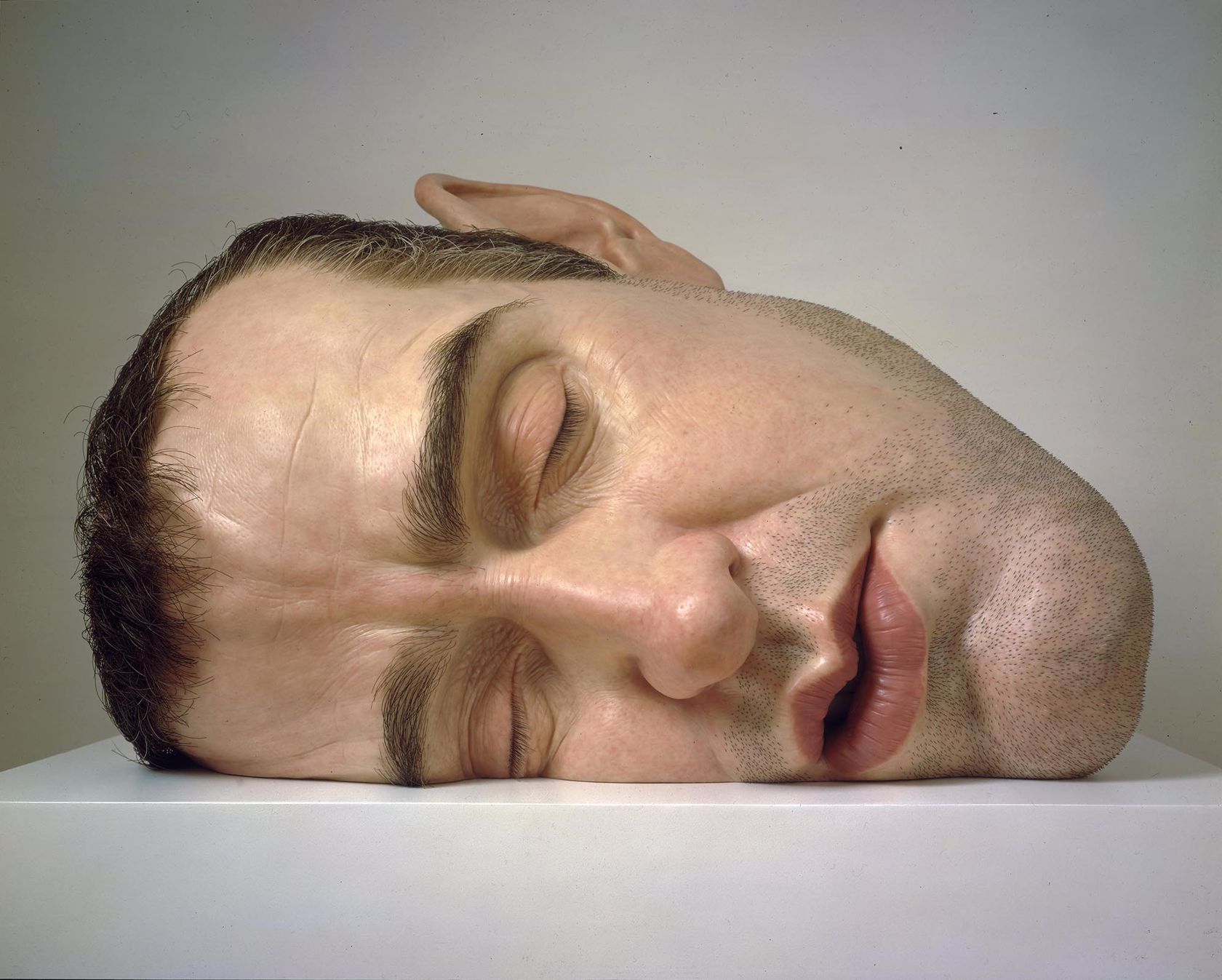

Place it where viewers have adequate space to move around/view it from different angles; consider its large scale and audience sightlines.
100
Recommend one appropriate lighting consideration for this artwork and explain why.
The Bather, Winslow Homer (watercolour)

Low lighting / avoid direct sunlight and UV exposure, because paper and pigments can be highly light-sensitive and may fade or discolour.
200
Identify the material and technique used, and explain one visual effect they create.
Kara Walker, Gone: An Historical Romance… (1994).

Black paper cut into silhouettes. The cutting creates flat, sharply defined shapes and strong contrast against the white wall.
200
Explain how colour and repetition contribute to the aesthetic qualities of this artwork.
Alma Thomas, Starry Night and the Astronauts (1972).

Bright contrasting colours and repeated painted marks create a vibrant, rhythmic and energetic aesthetic.
200
Identify one symbolic object and explain what it may represent.
Audrey Flack, Wheel of Fortune (Vanitas) (1977–78).
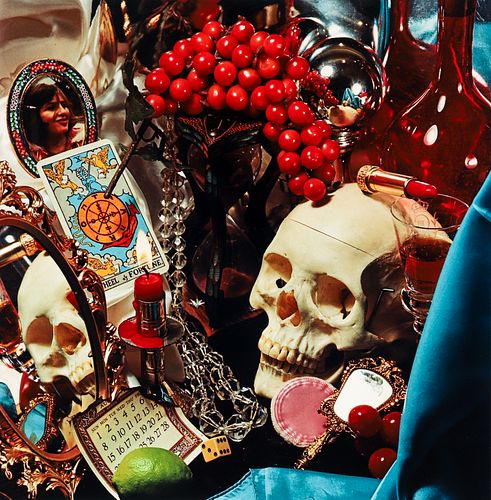
E.g. skull → mortality/death; candle → passing of time/life; decaying fruit → impermanence; mirror → vanity/self-reflection.
200
This is a large-scale video and sound installation. Identify one exhibition design consideration necessary for its presentation and explain its purpose.
Bill Viola, The Crossing (1996).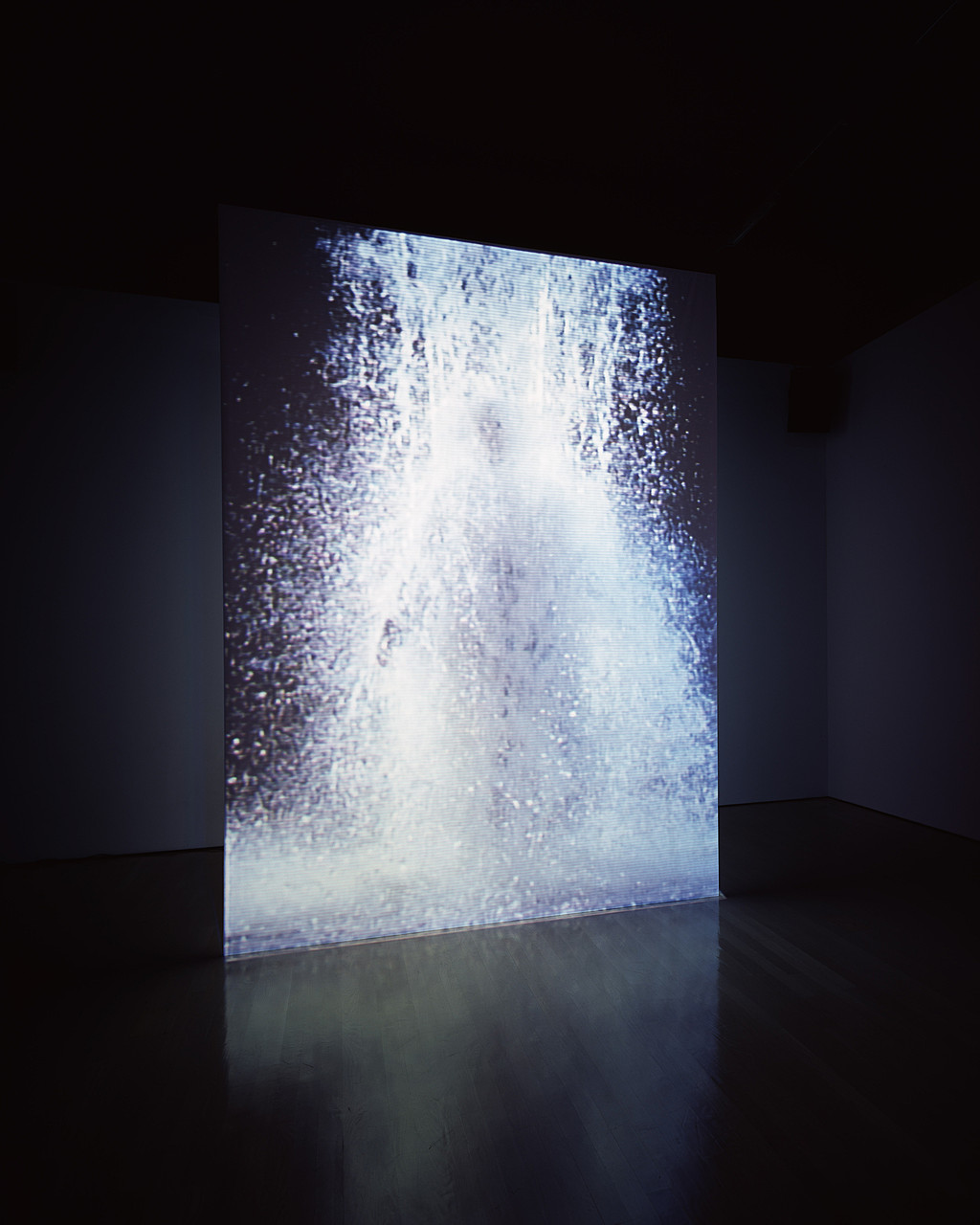
E.g. controlled/dim lighting to make the projection visible; or temporary walls/separation to minimise sound bleed.
200
Explain two precautions that should be taken when handling or transporting this ceramic artwork.
Magdalene Odundo, Untitled (1997), red clay.
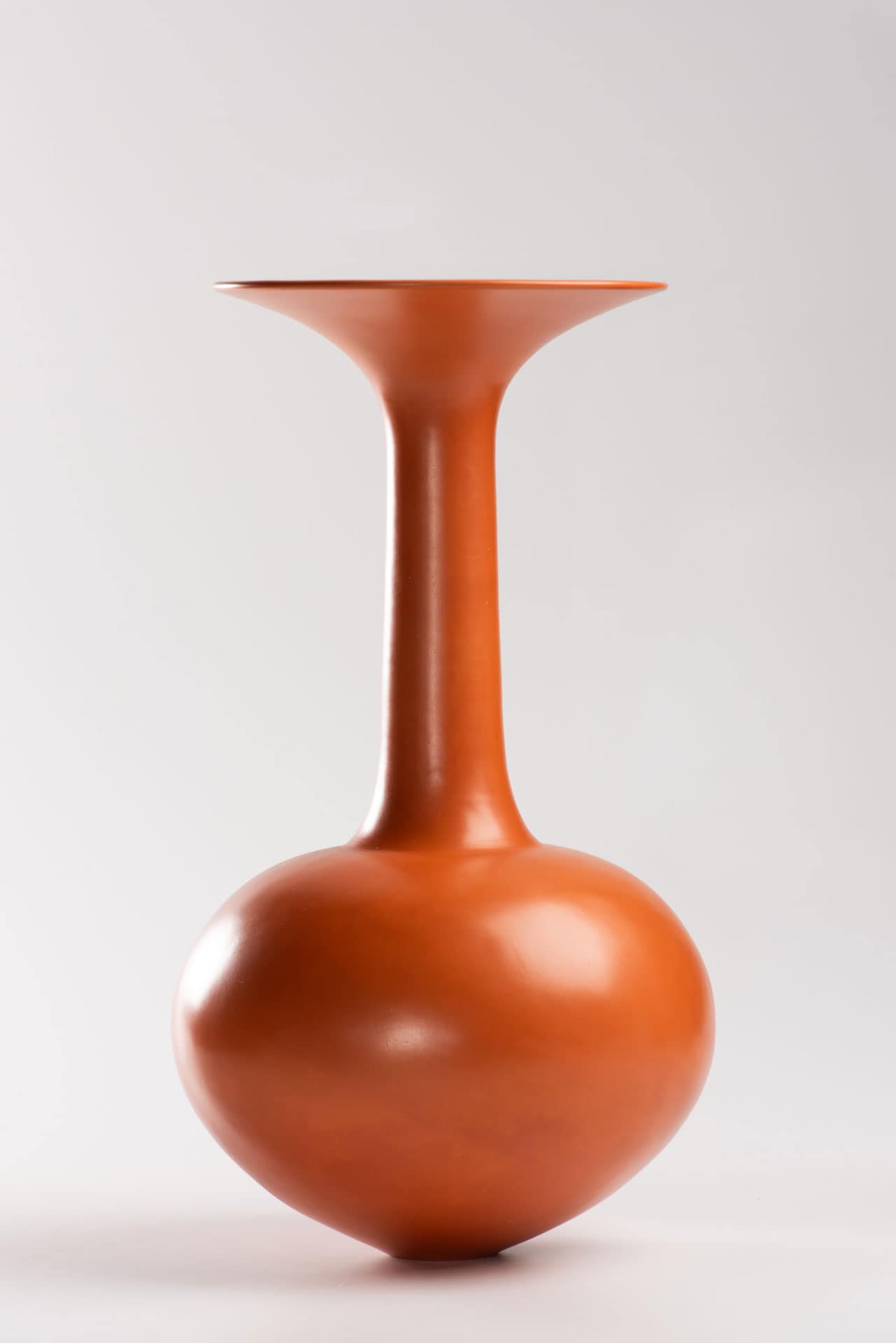
Trained handlers; support from strong structural areas; custom-fitted crate; inert cushioning to reduce vibration/impact; condition report before/after transport. The work is ceramic/red clay, so impact damage is a key concern.
300
Explain how the artist has manipulated his materials to create the appearance of a textile.
El Anatsui, Man’s Cloth (2001).
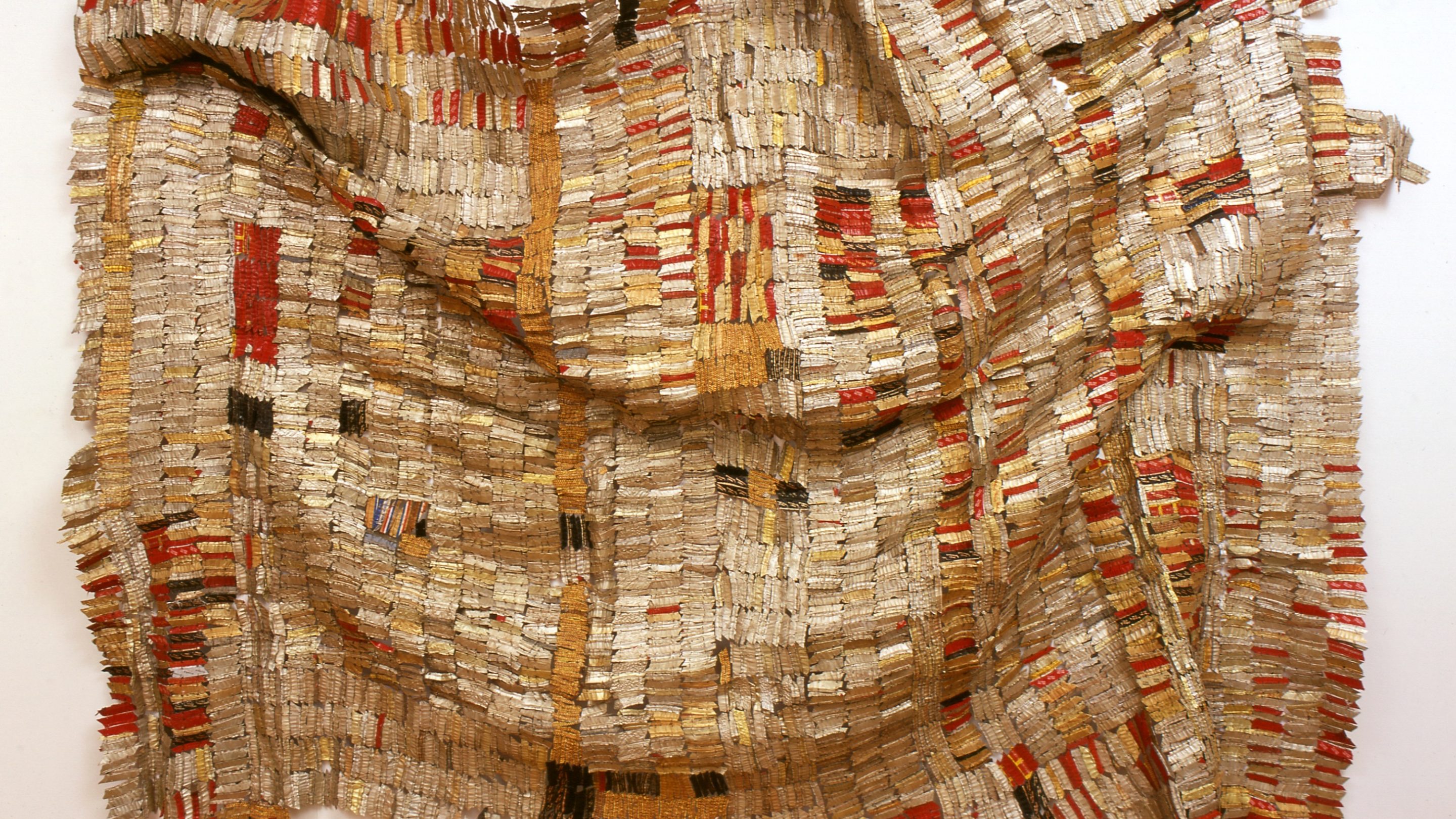

Aluminium bottle tops/caps have been flattened, folded and joined with copper wire, creating a flexible surface that drapes and resembles woven cloth.
300
Explain how composition and space contribute to the aesthetic qualities of the photograph.
Andreas Gursky, Rhine II (1999).
Strong horizontal bands, simplified composition and large areas of open space create a calm, ordered, minimal/restrained aesthetic.
300
The figure wears “Dutch wax” fabric associated with colonial trade and African identity. Explain how this context contributes to the meaning of the artwork.
Yinka Shonibare, The Swing (after Fragonard) (2001).
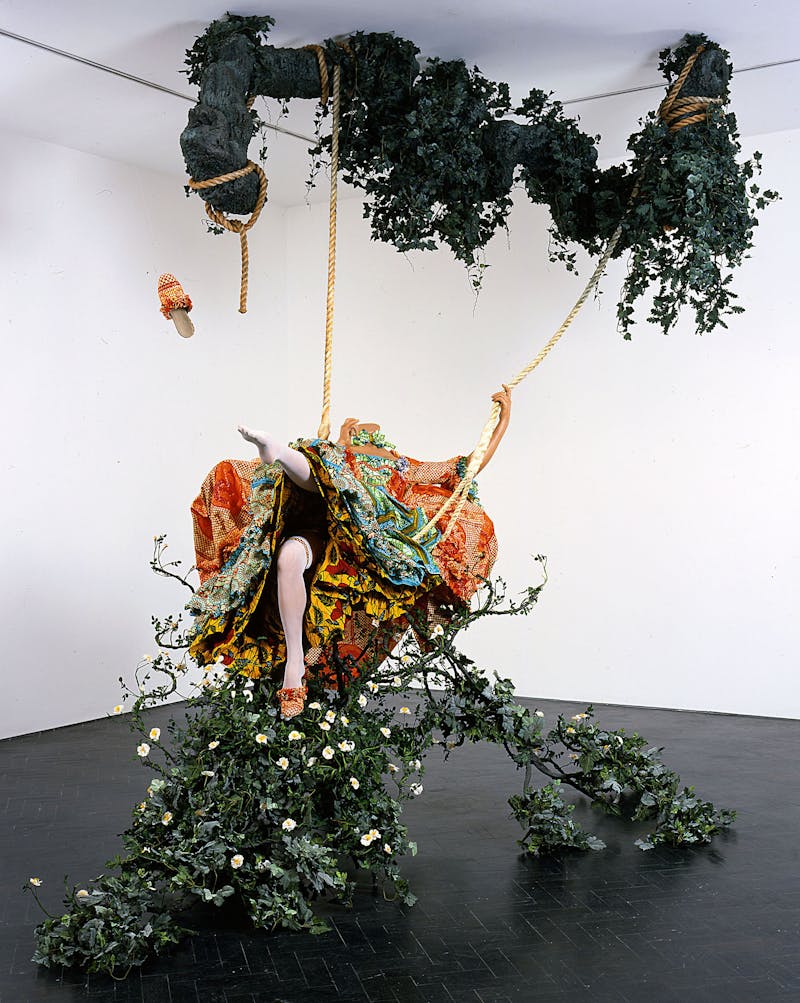
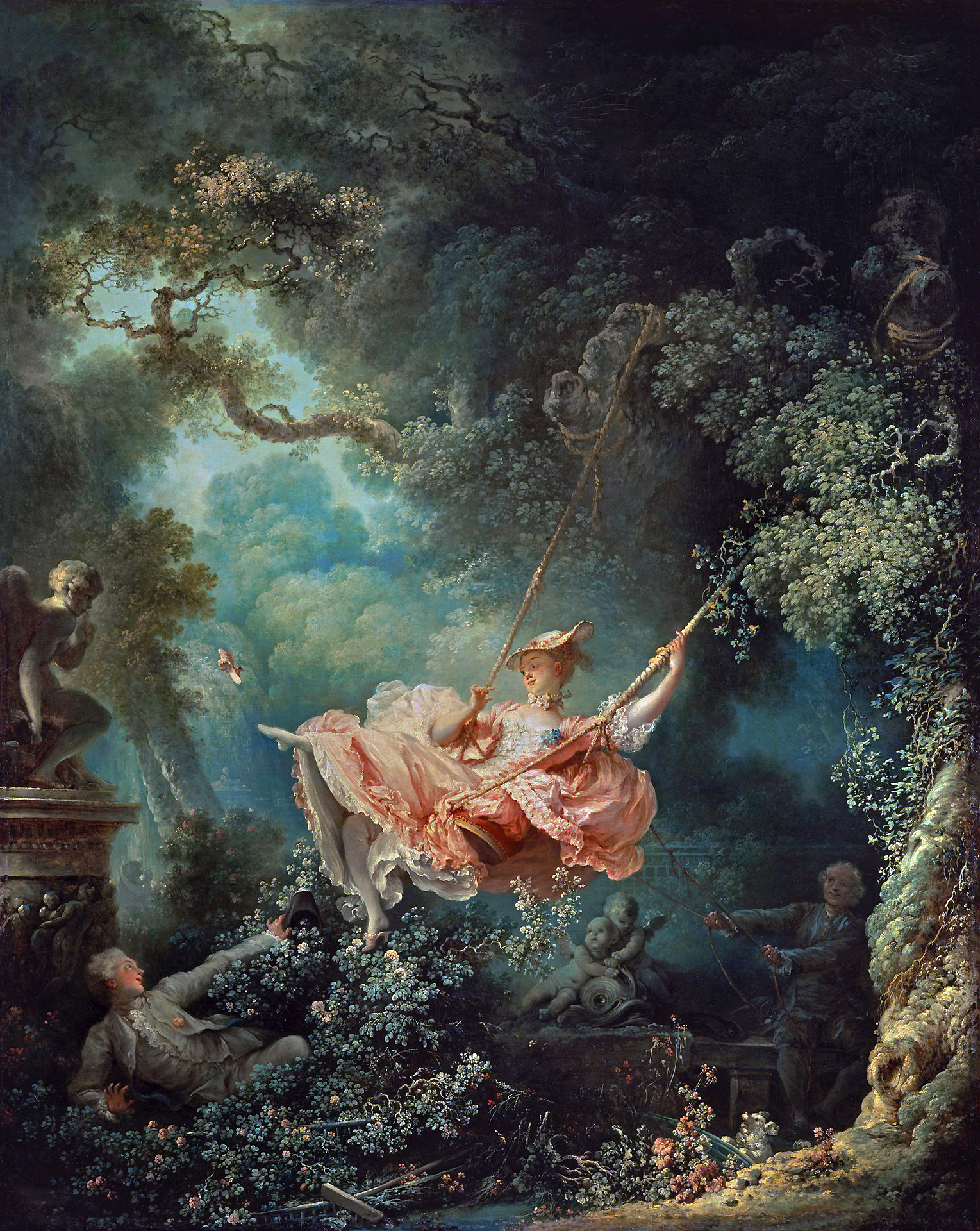
The fabric complicates ideas of cultural identity, colonialism and European history, challenging straightforward ideas about who belongs within traditional Western art/history.
300
Explain how the placement and lighting of this suspended installation could contribute to the audience’s experience of the artwork.
Cornelia Parker, Cold Dark Matter: An Exploded View (1991).
Central/open placement allows multiple viewpoints; focused lighting casts dramatic shadows and emphasises the suspended forms, influencing audience interaction and atmosphere.
300
Explain one environmental condition and one display consideration that could help conserve this artwork.
Tammy Kanat, Circles of Life, 2019
E.g. stable RH / controlled light levels + appropriate support that avoids excessive tension or strain on the textile.
400
Explain how the material and casting process contribute to the visual language of the artwork.
Rachel Whiteread, House (1993).

Concrete has been cast from the interior of a house, producing a solid impression of normally empty space. The heavy, rigid material and casting process emphasise mass, absence and architectural form.
400
Discuss how the artist uses line, shape and layering to create visual language.
Julie Mehretu, Stadia II (2004).
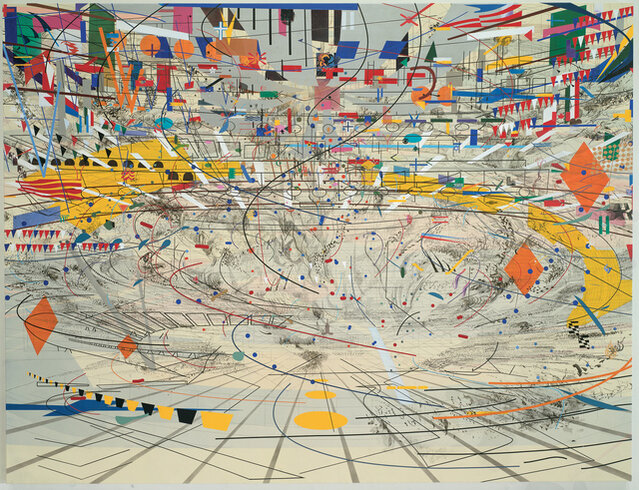
Overlapping directional lines, geometric shapes and layered marks create movement, depth, complexity and a chaotic/dynamic visual language.
400
Bennett reworks imagery associated with Captain Cook and British colonisation. Discuss how subject matter and visual language communicate ideas about Australian history.
Gordon Bennett, Possession Island (1991).
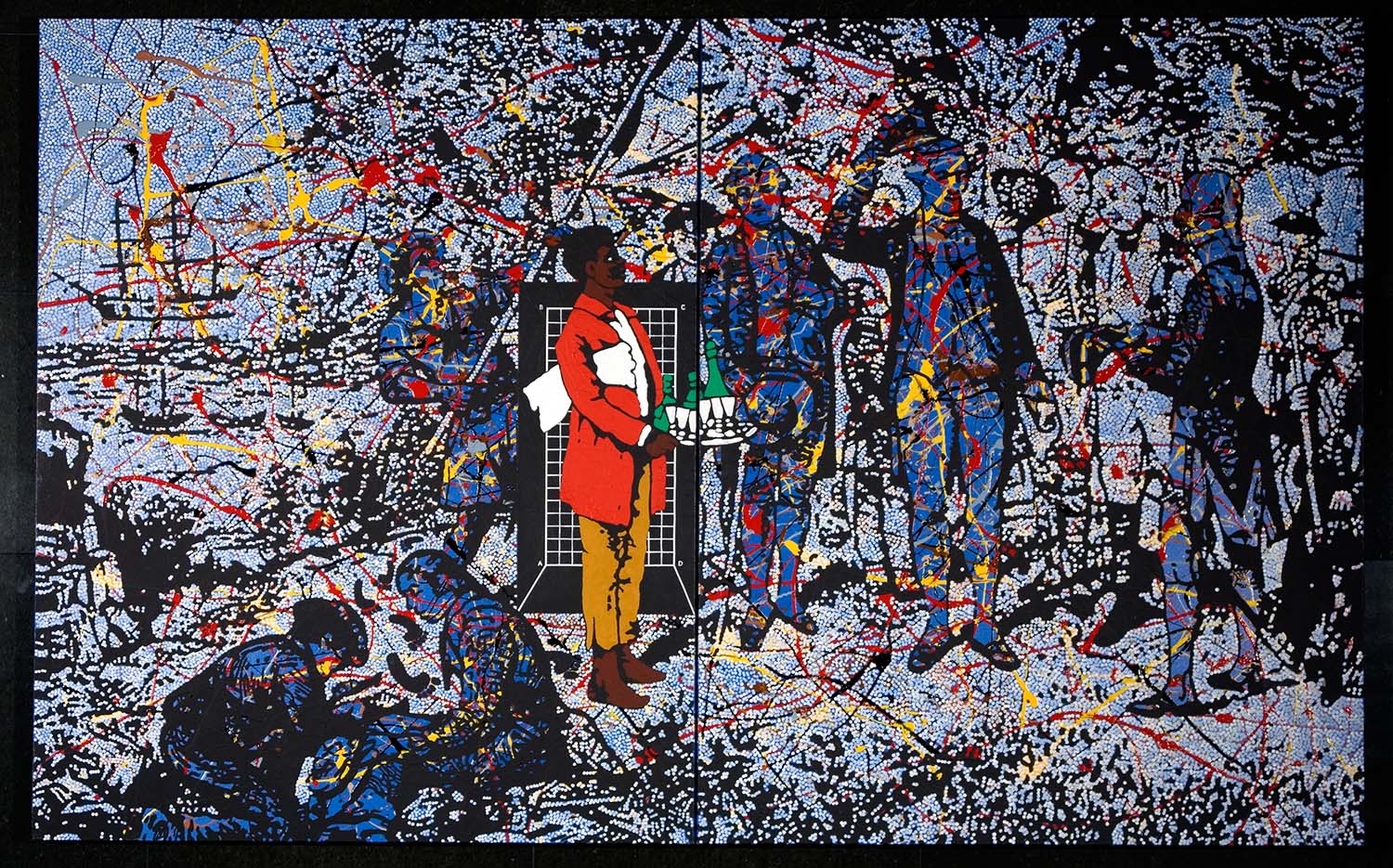
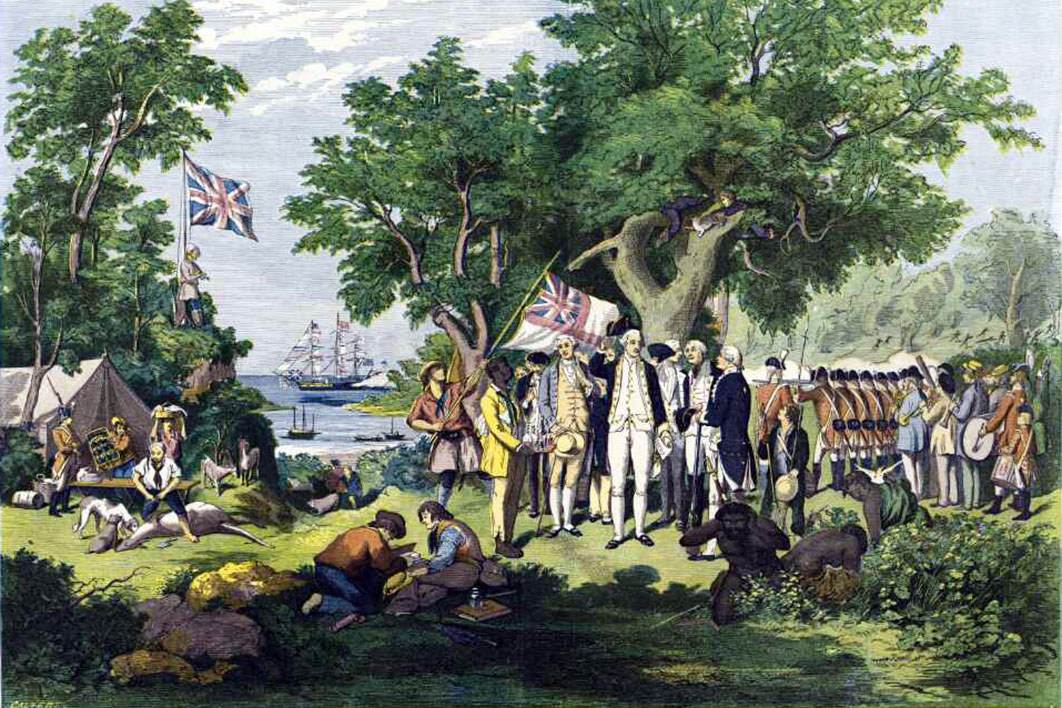
Colonial imagery is disrupted/reworked; contrasting imagery, text/pattern/appropriation can challenge dominant historical narratives and communicate ideas about colonisation, dispossession and Indigenous identity/history.
400
Discuss how the artist’s use of the scale and spatial qualities of the exhibition space affects audience interaction.
Olafur Eliasson, The Weather Project (2003).
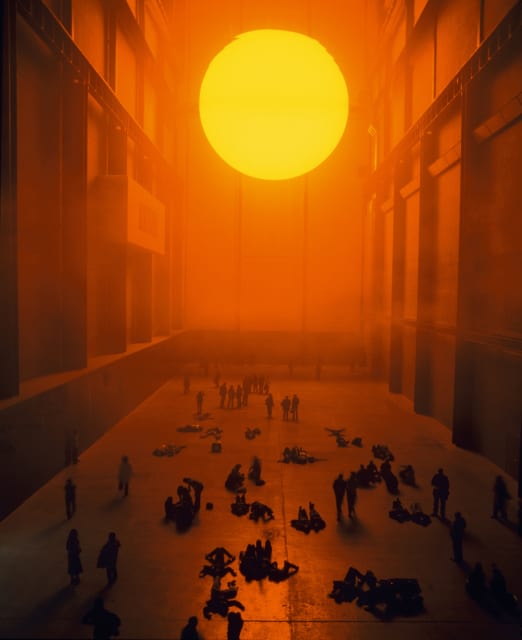
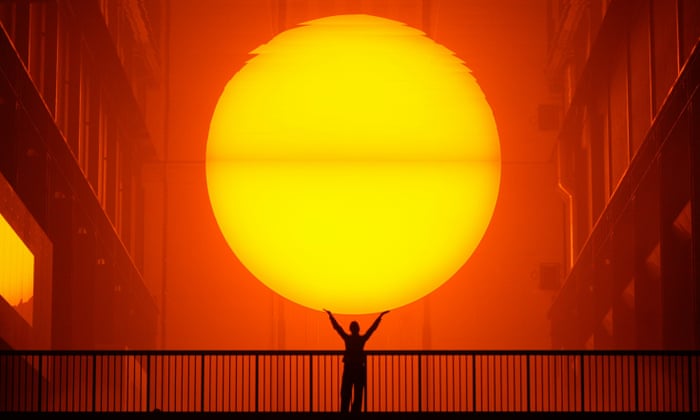
Monumental scale and use of the Turbine Hall envelop viewers; the large open space allows audiences to gather, move and experience the installation collectively.
400
Identify one major conservation challenge presented by this artwork and explain how it could affect its future display.
Nam June Paik, Electronic Superhighway: Continental U.S., Alaska, Hawaii (1995).
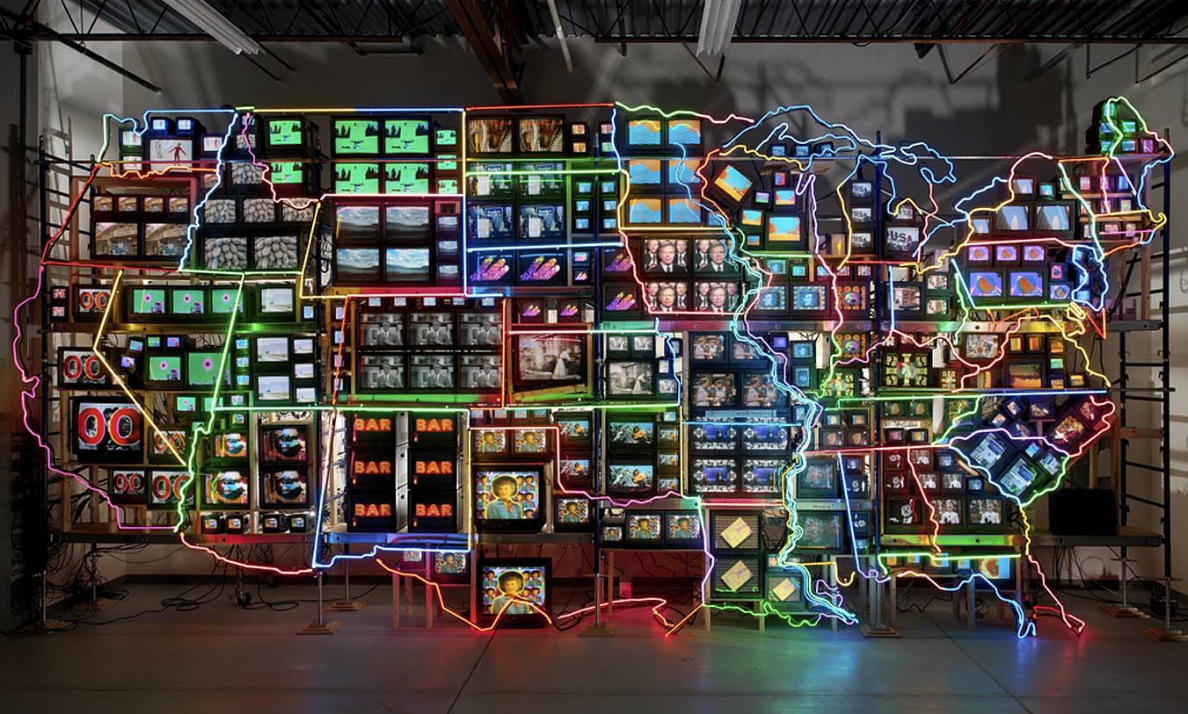
Obsolete technologies. The work relies on televisions, electronics and video equipment that may fail or become unavailable, requiring replacement, adaptation or media migration while respecting the artist’s intentions. The Smithsonian notes that its original DVD players have already been replaced with media players.
500
Discuss how the artist’s use of materials, techniques and processes develops the artwork’s visual language.
Chiharu Shiota, Uncertain Journey (2016).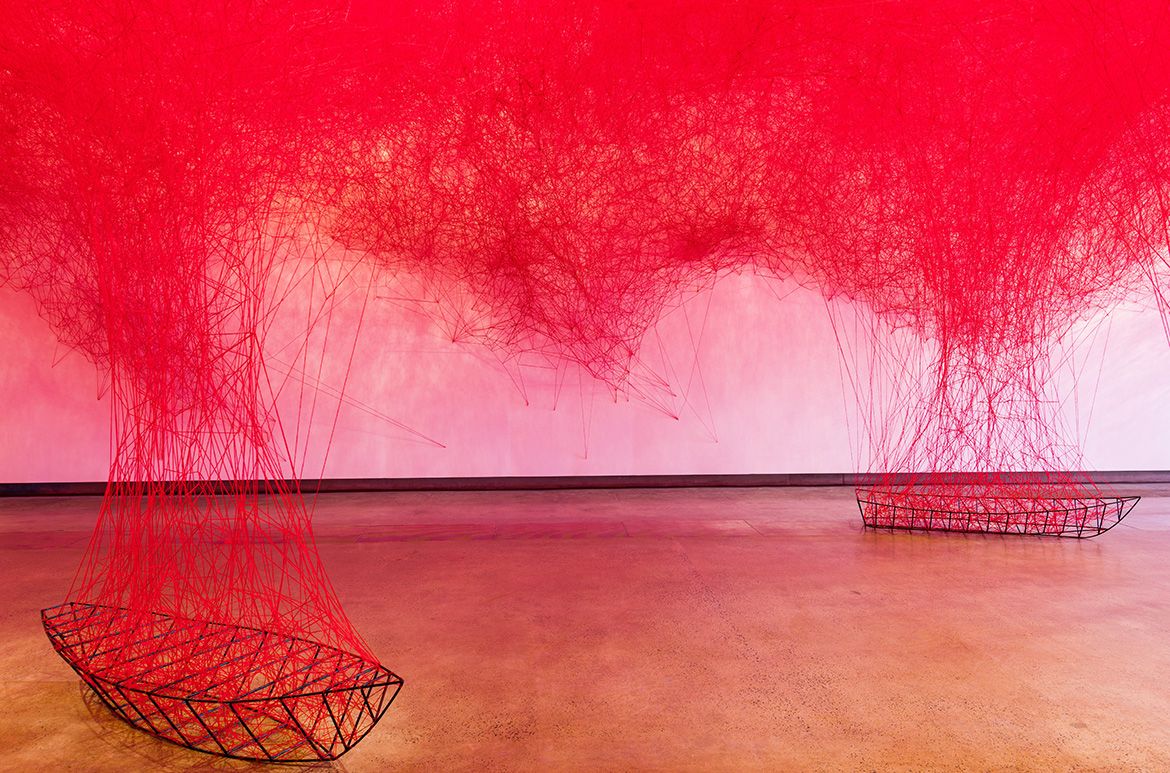
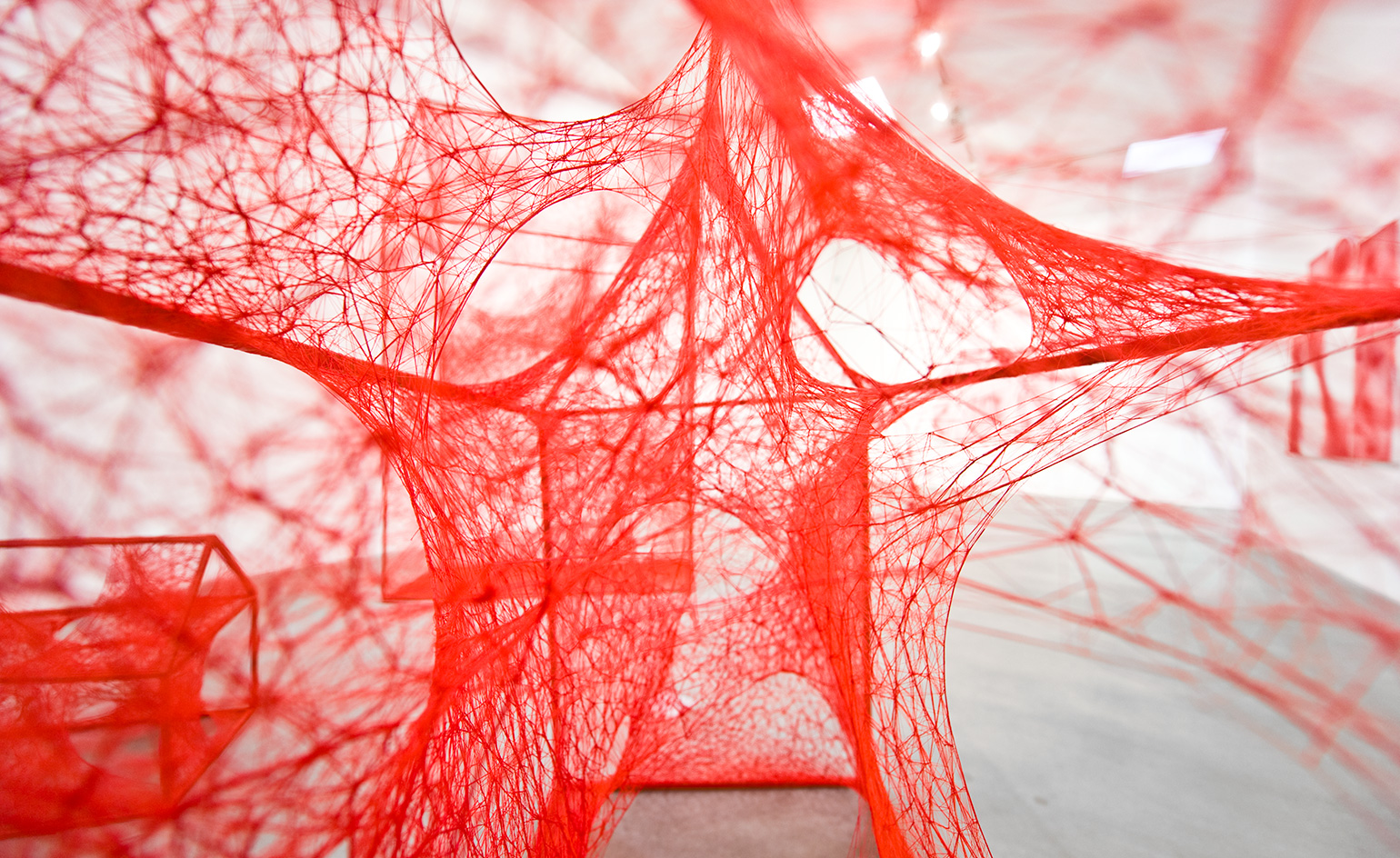
Red yarn/thread is repeatedly stretched, knotted and layered through the space around boat forms. The installation process creates dense interconnected lines, repetition, movement and an immersive web-like environment.
500
Analyse how two aspects of visual language contribute to the aesthetic qualities of the artwork.
Do Ho Suh, Home Within Home Within Home Within Home Within Home (2013).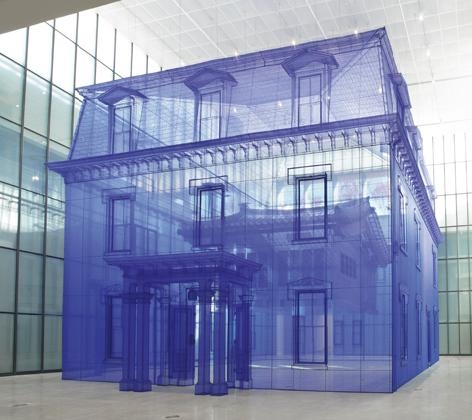
For example: translucent fabric + monumental architectural form; repetition + scale; light + space. These create an ethereal, fragile, immersive or dreamlike aesthetic.
500
The photographs document the artist deliberately dropping and destroying an ancient Chinese urn. Discuss how the subject matter, process and context work together to communicate meaning.
Ai Weiwei, Dropping a Han Dynasty Urn (1995).
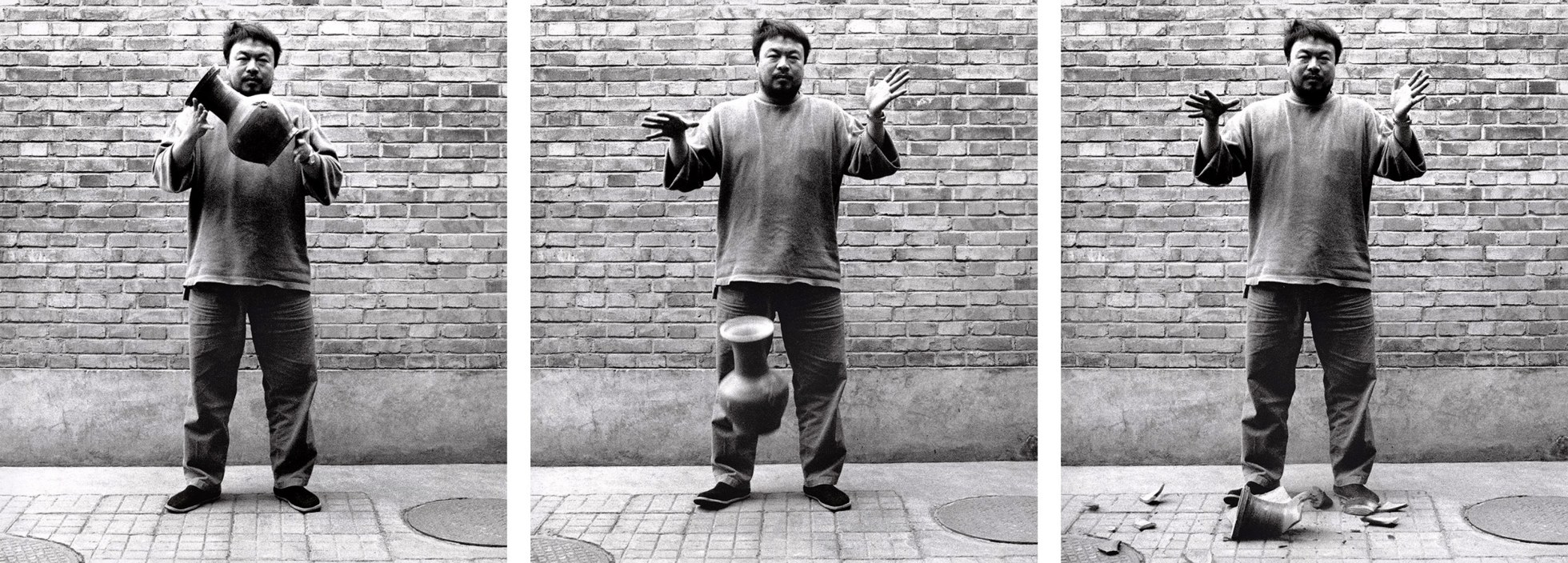
Destroying a culturally valuable historical object raises questions about cultural value, preservation, destruction, authority and attitudes towards history. The documented action/process is essential to the meaning.
500
Forty speakers are arranged around an exhibition space, each playing an individual recorded voice. Explain two exhibition design considerations that would be important when presenting this artwork.
Janet Cardiff, The Forty Part Motet (2001)
E.g. speaker placement/spatial relationships so visitors can move between individual voices; control sound bleed from nearby works; adequate space for audience movement; suitable acoustics.
500
Discuss how the instability of the artwork’s materials creates a conservation challenge, and how this may conflict with the artist’s intentions.
Eva Hesse, Expanded Expansion (1969).
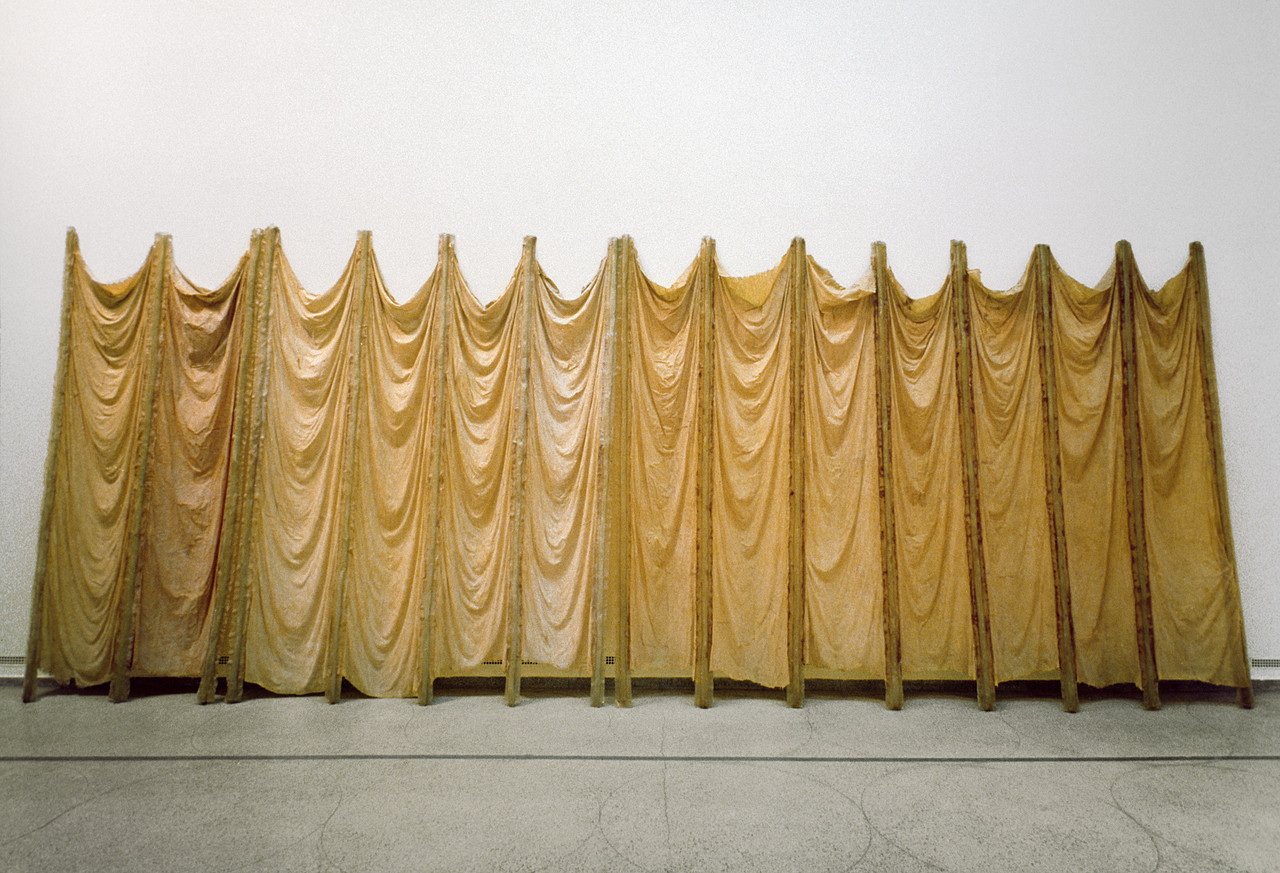
Latex/rubber naturally deteriorates, darkens and becomes brittle. Conservators must balance preserving the physical artwork with accepting material change and maintaining Hesse’s intended appearance/presentation. The Guggenheim notes that its once-pliable latex has become stiff and darkened and that this has created ongoing debate about preservation and change.