CATEGORY 1: EARLY GOVERNMENT / GOBIERNO TEMPRANO
CATEGORY 2: CONSTITUTION / CONSTITUCIÓN
CATEGORY 3: BILL OF RIGHTS / DECLARACIÓN DE DERECHOS
CATEGORY 4: BRANCHES OF GOVERNMENT / RAMAS DEL GOBIERNO
CATEGORY 5: Jefferson / Hamilton
100
What was the first plan of government for the United States?
¿Cuál fue el primer plan de gobierno de EE. UU.?
A: The Articles of Confederation
R: Los Artículos de la Confederación
100
Q: What is the purpose of the Constitution?
P: ¿Cuál es el propósito de la Constitución?
A: To create a stronger national government
Explanation: It fixed the weaknesses of the Articles and organized the government.
R: Crear un gobierno nacional más fuerte
Explicación: Arregló las debilidades de los Artículos y organizó el gobierno.
100
Q: Which amendment protects freedom of speech?
P: ¿Qué enmienda protege la libertad de expresión?
A: 1st Amendment
Explanation: It protects expression, religion, press, assembly, and petition.
R: La Primera Enmienda
Explicación: Protege la expresión, religión, prensa, reunión y petición.
100
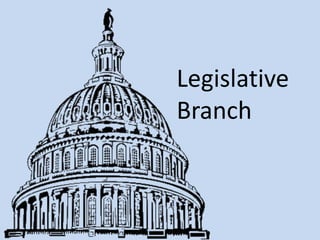
Q: Which branch makes laws?
P: ¿Qué rama hace las leyes?
A: Legislative
Explanation: Congress writes and votes on laws.
R: La rama legislativa
Explicación: El Congreso escribe y vota las leyes.
100
Q: Who wanted a strong national (federal) government — Hamilton or Jefferson? on?
P: ¿Quién quería un gobierno nacional (federal) fuerte — Hamilton o Jefferson?
A: Hamilton
Explanation: Hamilton believed the U.S. needed a powerful central government to stay united.
R: Hamilton
Explicación: Hamilton creía que EE. UU. necesitaba un gobierno central fuerte para mantenerse unido.
200
Q: Why was the national government weak under the Articles?
P: ¿Por qué era débil el gobierno nacional bajo los Artículos?
A: It could not tax
Explanation: Without taxes, the government had no money to run the country.
R: No podía cobrar impuestos
Explicación: Sin impuestos, el gobierno no tenía dinero para funcionar.
200
Q: What are the first three words of the Constitution?
P: ¿Cuáles son las primeras tres palabras de la Constitución?
A: “We the People”
Explanation: These words show that the power comes from the people.
R: “Nosotros, el Pueblo”
Explicación: Estas palabras muestran que el poder viene del pueblo.

200
Q: Which amendment protects the right to bear arms?
P: ¿Qué enmienda protege el derecho a portar armas?
A: 2nd Amendment
Explanation: It allows people to own weapons.
R: La Segunda Enmienda
Explicación: Permite que las personas tengan armas.
200
Q: Which branch enforces laws?
P: ¿Qué rama hace cumplir las leyes?
A: Executive
Explanation: The President makes sure laws are followed.
R: La rama ejecutiva
Explicación: El Presidente se asegura de que se cumplan las leyes.
200
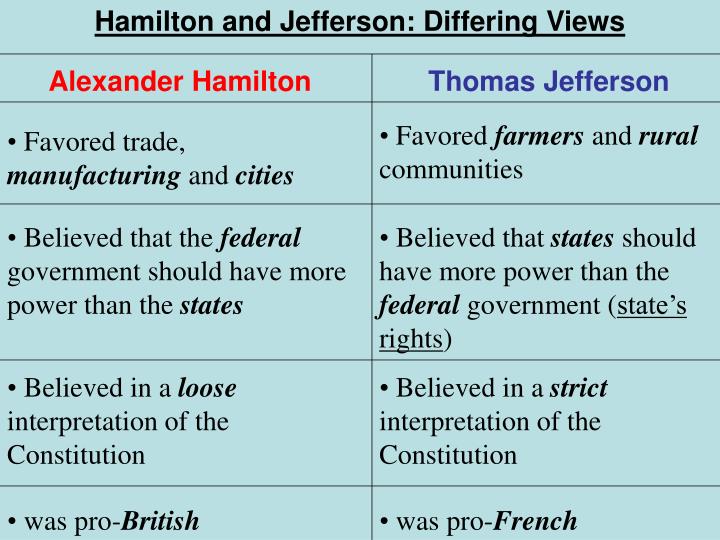
Q: Who believed states should have more power — Hamilton or Jefferson?
P: ¿Quién creía que los estados debían tener más poder — Hamilton o Jefferson?
A: Jefferson
Explanation: Jefferson feared a strong federal government could become too controlling.
R: Jefferson
Explicación: Jefferson temía que un gobierno federal fuerte pudiera volverse demasiado controlador.

300
Q: Who had most of the power under the Articles?
P: ¿Quién tenía la mayor parte del poder bajo los Artículos?
A: The states
Explanation: Each state acted almost like its own small country.
R: Los estados
Explicación: Cada estado actuaba casi como su propio país.
300
Q: What system divides power between national and state governments?
P: ¿Qué sistema divide el poder entre el gobierno nacional y estatal?
A: Federalism
Explanation: Power is shared so no level of government becomes too strong.
R: Federalismo
Explicación: El poder se comparte para que ningún nivel sea demasiado fuerte. 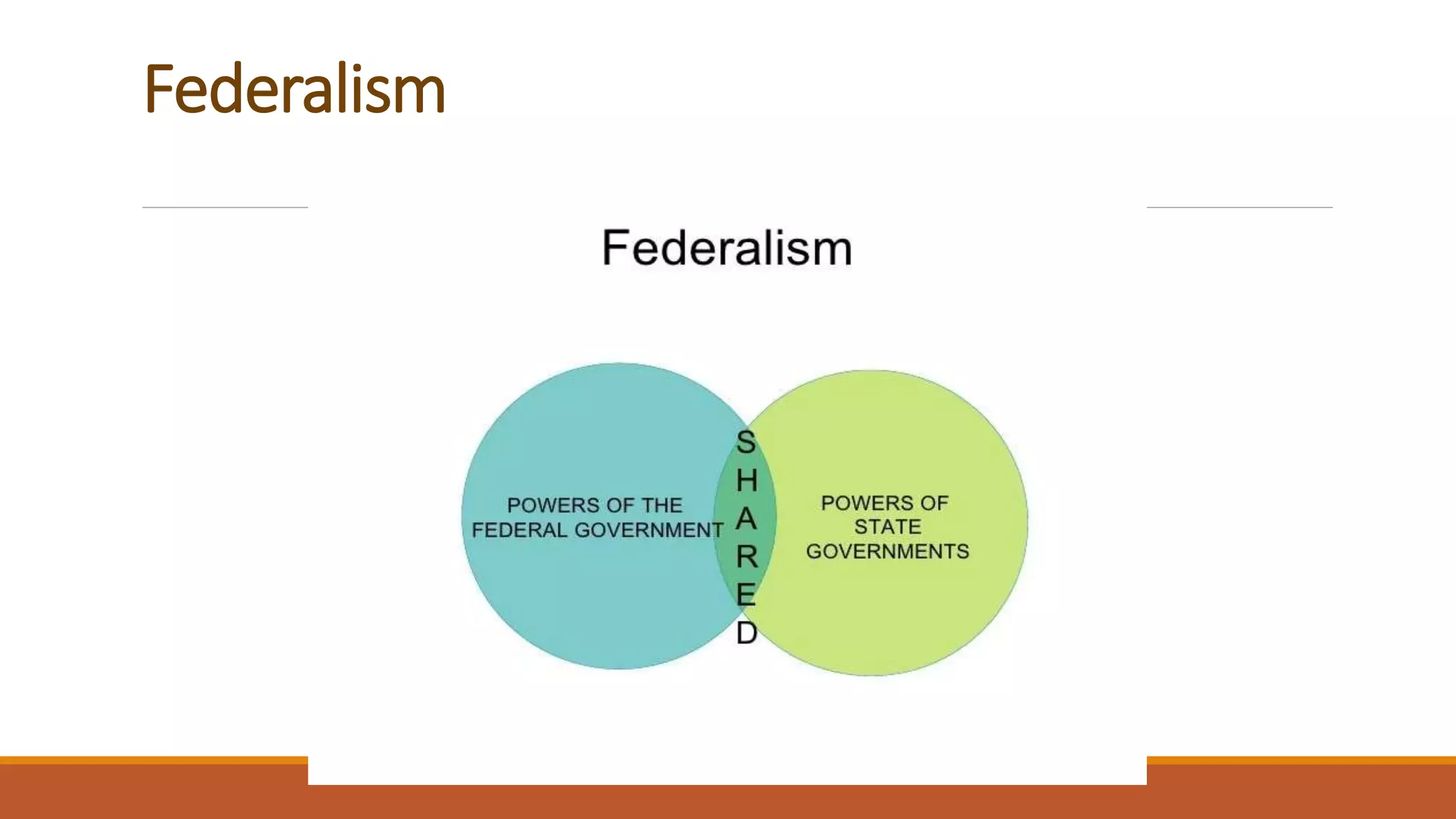
300
Q: Which amendment protects people from unreasonable searches?
P: ¿Qué enmienda protege contra registros irrazonables?
A: 4th Amendment
Explanation: Police need a warrant or good reason to search.
R: La Cuarta Enmienda
Explicación: La policía necesita una orden o una buena razón.

300
Q: Which branch interprets laws?
P: ¿Qué rama interpreta las leyes?
A: Judicial
Explanation: Courts decide what laws mean.
R: La rama judicial
Explicación: Las cortes deciden lo que significan las leyes.

300
Q: What did Hamilton think the economy should be based on?
P: ¿En qué pensaba Hamilton que debía basarse la economía?
A: Industry, trade, and business
Explanation: Hamilton wanted factories, banks, and commerce to grow the nation.
R: Industria, comercio y negocios
Explicación: Hamilton quería fábricas, bancos y comercio para hacer crecer la nación.
400
Q: What rebellion showed the Articles were too weak?
P: ¿Qué rebelión mostró que los Artículos eran demasiado débiles?
A: Shays’ Rebellion
Explanation: The government couldn’t stop the rebellion, proving it needed more power.
R: La Rebelión de Shays
Explicación: El gobierno no pudo detenerla, mostrando que necesitaba más poder.
400
Q: What keeps one branch from becoming too powerful?
P: ¿Qué evita que una rama tenga demasiado poder?
A: Checks and balances
Explanation: Each branch can limit the others.
R: Controles y equilibrios
Explicación: Cada rama puede limitar a las otras.
400
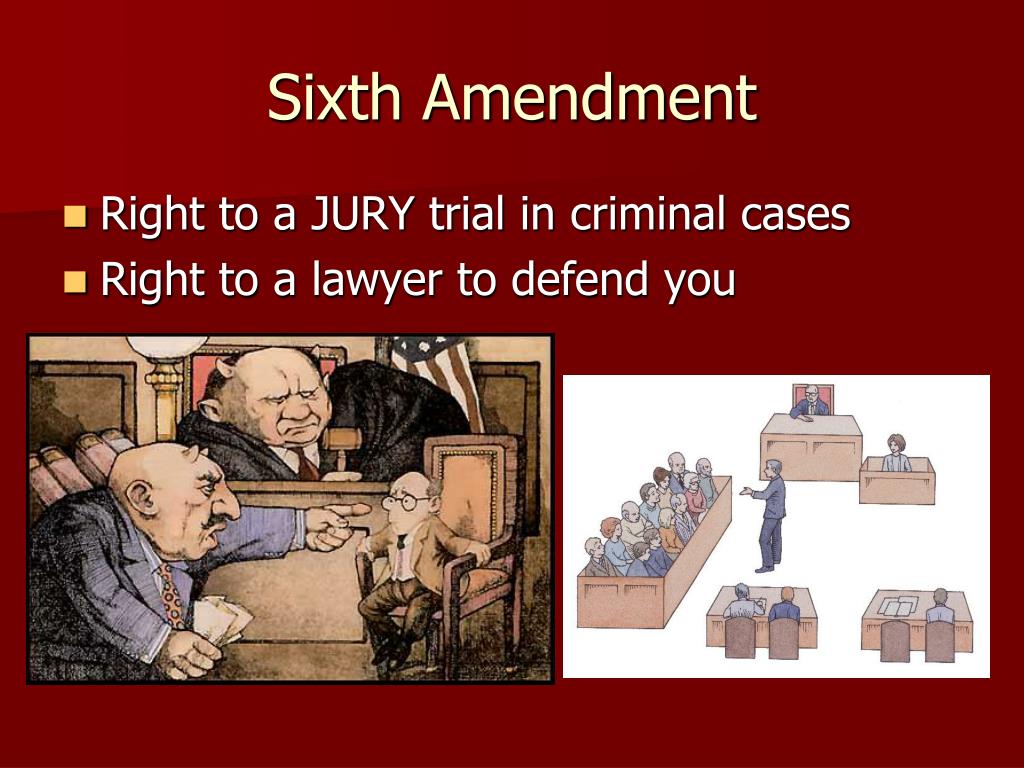
Q: Which amendment gives the right to a fair trial?
P: ¿Qué enmienda da el derecho a un juicio justo?
A: 6th Amendment
Explanation: It guarantees a lawyer, a jury, and a speedy trial.
R: La Sexta Enmienda
Explicación: Garantiza un abogado, un jurado y un juicio rápido.
400
Q: Who is the head of the Executive Branch?
P: ¿Quién es el jefe de la rama ejecutiva?
A: The President
Explanation: The President leads the country and enforces laws.
R: El Presidente
Explicación: El Presidente dirige el país y hace cumplir las leyes.
400
Q: What did Jefferson think the economy should be based on?
P: ¿En qué pensaba Jefferson que debía basarse la economía?
A: Farming and agriculture
Explanation: Jefferson believed farmers were the backbone of American democracy.
R: Agricultura y cultivo Explicación: Jefferson creía que los agricultores eran la base de la democracia estadounidense.

500
Q: What major event led leaders to rewrite the government?
P: ¿Qué evento llevó a los líderes a reescribir el gobierno?
A: The Constitutional Convention
Explanation: Delegates met to fix the Articles but ended up creating a new Constitution.
R: La Convención Constitucional
Explicación: Los delegados se reunieron para arreglar los Artículos, pero crearon una nueva Constitución.
500
Q: What compromise created a two‑house Congress?
P: ¿Qué compromiso creó un Congreso de dos cámaras
A: The Great Compromise
Explanation: It combined the Virginia and New Jersey Plans.
R: El Gran Compromiso
Explicación: Combinó los planes de Virginia y Nueva Jersey.
500
Q: Why was the Bill of Rights added?
P: ¿Por qué se añadió la Declaración de Derechos?
A: To protect individual freedoms
Explanation: People wanted guarantees that the government wouldn’t abuse power.
R: Para proteger las libertades individuales
Explicación: La gente quería garantías de que el gobierno no abusaría del poder.
500
Q: What is the highest court in the United States?
P: ¿Cuál es la corte más alta de EE. UU.?
A: The Supreme Court
Explanation: It makes the final decisions on important cases.
R: La Corte Suprema
Explicación: Toma las decisiones finales en casos importantes.
500
Q: How did Hamilton and Jefferson disagree about the Constitution?
P: ¿Cómo diferían Hamilton y Jefferson sobre la Constitución?
A: Hamilton supported a loose interpretation; Jefferson supported a strict interpretation.
Explanation: Hamilton believed the government could do things not directly listed. Jefferson believed it should only do what the Constitution clearly said.
R: Hamilton apoyaba una interpretación flexible; Jefferson apoyaba una interpretación estricta.
Explicación: Hamilton creía que el gobierno podía hacer cosas no escritas directamente; Jefferson creía que solo debía hacer lo que la Constitución decía claramente.