Eye muscles
Middle/inner ear structures
Receptor cells and sensory tissues
Miscellaneous vision questions
Miscellaneous hearing & equilibrium questions
100
Which muscle is indicated below?
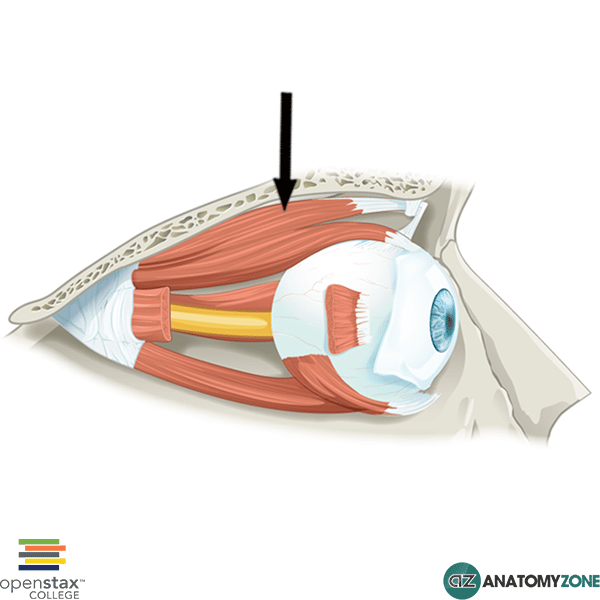
superior oblique
100
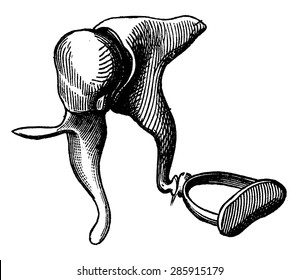
The name of this group of bones.
Ossicles.
100
This membrane is located on the floor of the cochlear duct
Basilar membrane
100
What outer layer of the eye is made of tough connective tissue?
Sclera
100
Electrical signals for equilibrium will use the vestibulocochlear nerve, and are sent to what part of the brain?
The cerebellum
200
Which muscle is highlighted in green?

Inferior oblique muscle
200
Name the bone highlighted green
:watermark(/images/logo_url.png,-10,-10,0):format(jpeg)/images/anatomy_term/stapes-2/L1ffQZrPCol7NknPStz4dA_Stapes_02.png)
Stapes
200
This membrane plays a key role in transforming sound to mechanical stimulation
Tectorial membrane
200
This part of the eye is part muscle and part gland
Ciliary body
200

These ring-like structures on the left side of the image are partly responsible for our sense of equilibrium.
Semicircular canals.
300
Which muscle is highlighted in blue?
Lateral rectus
300
Name of the ossicle also termed as the "hammer"
Malleus
300
This organ is found within the cochlea and contains two types of hair cells
Organ of Corti
300
The technical term for our "blind spot".
Optic disc.
300
This middle ear structure is connected tot he nasopharynx and helps to equalize the air pressure in the middle ear
Eustachian tube
400
This muscle contracts in response to bright light.
Radial muscle(s) of the iris.
400
Name this structure

Semicircular canals
400
Hair receptors produce nerve impulses that are sent out of the inner ear on what nerve?
Vestibulocochlear nerve
400
This fluid is found in the anterior segment of the eye
aqueous humor
400
This middle ear structure vibrates when sound waves hit it
Tympanic membrane
500
Which muscle is highlighted in purple?
Medial rectus
500
Name the duct that is starred 
Cochlear duct
500
The name of the "hairs" that bend to facilitate hearing and equilibrium.
Stereocilia.
500
This fluid is found in the posterior segment and is only produced before birth
Vitreous fluid
500
Conduction deafness is due to what?
The blocking of sound and vibration conduction to the fluids of the inner ear