Assessment
Risk Factors
Admission/Discharge
Ischemic Stroke
Hemorrhagic Stroke/Wild
100
This is the acronym for identifying a possible stroke
What is BEFAST
B* Balance loss, trouble walking, dizziness
E* Eyes blurred or visual changes such as double vision or loss of vision in one or both eyes
F* Facial droop, severe headache
A* Arm weakness/drift or numbness in arm or leg (especially on one side of the body)
S* Speech slurring, trouble speaking, confusion
T* Time to call RRT!
100
This prevalent risk factor that requires EDUCATION and should be monitored daily for control through lab values, diet, exercise, and medications.
What is Diabetes Mellitus
Hgb A1c >7 – Diabetic Educator Consult,
possible endocrinology referral and/or medication adjustment
100
Measures required on admission
What are
Yale Swallow Screen
This is required prior to anything taken by mouth (including meds)
NIHSS on arrival
CT, CTA head and neck, MRI
VTE prophylaxis
Lipid profile within 48 hours
Antithrombotic by day 2 (midnight)
ASA (rectal if NPO)
Admitted to unit with telemetry
PT / OT within 24 hours
ST IF FAILED DYSPHAGIA OR NPO
Admitted to unit with telemetry
100
The time sensitive window for treatment with IV thrombolytic for patients with ischemic stroke?
What is 4.5 hours from Last Known Normal
or
Extended window (4.5 to 9 hours from LKN)-CT Perfusion
ED- Door to Needle Goal <45 minutes
100
After the RRT team arrives, _____ activates the stroke code/alert
RRT-House supervisor or CCU Charge Nurse
A PHYSICIAN MAY ACTIVATE
STROKE CODE/ALERT without RRT
200
What imaging is required for patients with S&S of stroke?
What is:
CT Head w/out contrast Per Stroke Protocol
Rule in/out hemorrhage stroke
CTA Head and Neck Per Stroke Protocol
CT Perfusion (select patients-provider driven)
MRI (Confirm or rule out CVA)
This does not mean they did not have a TIA or
aborted CVA post lytic
200
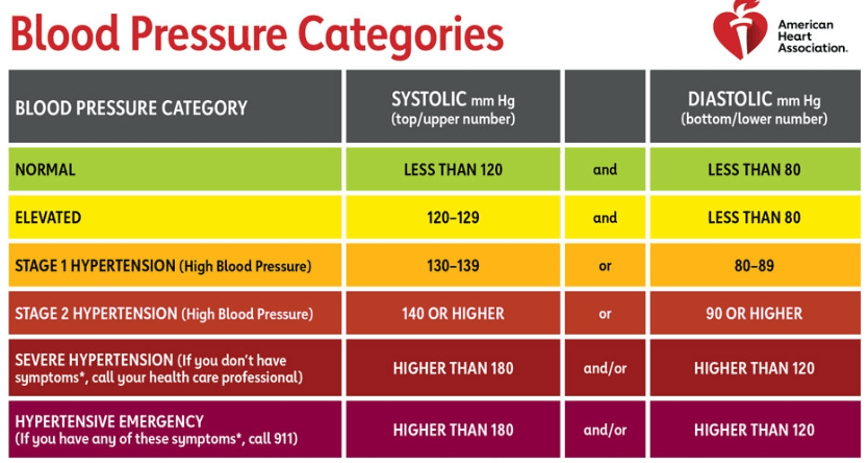
This other prevalent controllable risk factor deals with the pressure of circulating blood on the walls of blood vessels.
What is Hypertension
200
Regardless of LDL, ischemic stroke/TIA patients should be discharged on what intensity statin or have a physician documented reason for not prescribing
What is high intensity statin
Pt’s >75 years of age moderate or high intensity
Some patients may also need zetimibe (Zetia) added
*LDL should still be measured within 48 hrs of arrival
200
Patients with LVO should be considered for what treatment(s)
What is IV Thrombolytic therapy and/or
endovascular thrombectomy
* If there is a confirmed LVO=patients MUST be HOB FLAT
200
The Golden Hour for Hemorrhagic stroke patients refers to...
Neurosurgery consult <60 min
Acute BP lowering
-Goal SBP <140 mmHg (maintain between 130-150 mmHg)
Reversal agent for anticoagulant use
300
Vertigo and disequilibrium may be a symptom of a CVA in what area of the brain?
What is a posterior circulation stroke
300
This controllable risk factor should be assessed on admission for use within the last year. Education is required and cessation should be taught.
What is tobacco use
Printed Tobacco Cessation ExitCare should be provided to patient. Tobacco cessation should be addressed by provider with education and possible nicotine patch, etc.
300
These are 2 treatments acceptable for VTE prophylaxis in the stroke patient
Chemical Prophylaxis (Only ischemic/TIA)
(enoxaparin, warfarin, heparin, apixiban or rivaroxaban)
Mechanical Prophylaxis
(foot pumps or pneumatic compression device)
MUST FOLLOW ORDERS- Do not document “on approved chemical” in place of mechanical!
Do not document "joint replacement aspirin" this is designated for orthopedic patients.
300
Ischemic Stroke patients with large vessel occlusion should be considered for endovascular thrombectomy (LVO Code) up to __ hours from last known normal
What is the 24 hour window for treatment
If last known normal 6-24 hours-
CT or MR perfusion required to determine eligibility
300
Patients with aneurysmal subarachnoid hemorrhage may be candidates for what procedure
What is endovascular coiling or clipping
Performed at HMCN or CSC
400
The first needed inclusion criteria for thrombolytic and thrombectomy consideration
What is the ACCURATE time for
“Last Known Normal”
Wake-up stroke-midpoint of sleep
400
Additional controllable
risk factors for stroke
What are
High cholesterol
Poor Diet
Obesity
Inactivity
Medication Noncompliance
Illicit Drug Use
400
Name three discharge measures for ischemic stroke/TIA
What is
Antithrombotic – ASA, clopidogrel, Aggrenox
High intensity statin
Anticoagulant for current/history of A.fib/flutter – warfarin, apixiban, etc.
PT/OT/ST referral addressed
Education – Remember HMC Stroke ExitCare and risk factor education (smoking cessation, DM, etc)
HMC Discharge summary questions related to stroke
NOTE- Hemorrhagic stroke patients should receive PT/OT/ST and education related to diagnosis and risk factors
and education related to diagnosis and risk factors
400
Ischemic Stroke blood pressure goal(s)
With or without lytic/thrombectomy
No thrombolytic or thrombectomy –
Permissive hypertension up to 220/120 mmHg
With IV thrombolytic or thrombectomy-
Permissive HTN-Keep BP <180/110
(Must be below 185/105 prior to lytic)
400
Patients diagnosed with an intracerebral hemorrhage (ICH) need neurosurgery consult within 60 min for consideration of...
What are
60 min for consideration of neurosurgical intervention such as:
Craniotomy
EVD (external ventricular drain)
Ensure EVD Care Orders are entered by neurosurgeon
500
At a minimum, the NIHSS Assessment should be performed
ED, arrival to IP unit, handoff / once per shift, and with any change in neuro status. Per orders post lytic / thrombectomy
Notify physician of any increase in NIHSS
Hemorrhagic
500
Patients diagnosed with an ischemic stroke/TIA should be screened for these conditions as contributing factors and for secondary prevention
What are
Atrial Fibrillation/Flutter
Carotid artery disease
PFO (patent foramen ovale)
Diabetes Mellitus
Hyperlipidemia
500
What is the specific ExitCare that should be completed on all Stroke Patients and individualized risk factors/goals completed
HMC Stroke
(with risk factors and goals)
Review H&P and Progress Notes
500
Per policy, nursing should assess/document the neurological assessment and vital signs
At minimum, in the emergency department, on arrival to IP unit, once per shift, as needed for new or worsening neurological deficits and upon discharge.
GCS must be assessed and documented for severely confused, not following commands or sedated
Post thrombolytic or thrombectomy assessments
every 15 min x 8, every 30 min x 12, every hour x 16 (VS timed with NIHSS)
Refer to Stroke-Neurological and Vital Signs Policy
Nurses must perform NIHSS together at handoff to establish baseline for oncoming nurse as well as identify and validate changes.
500
_____ is responsible for entering orders recommended during tele-neuro consult
Attending Physician
Tele-Neurologists are consultants only and make recommendations.
Nursing MUST facilitate communication between providers.