Vocabulary
Properties
Naming (mixed)
Formulas (mixed)
100
1. In a ____________ (ionic or covalent) bond, electrons are SHARED
2. Covalent bonds happen between....
3. In a _____________ (ionic or covalent) bond electrons are being TRANSFERRED.
4. Ionic bonds happen between...
1. COVALENT
2. nonmetals
3. IONIC
4. metal + nonmetal
100
Which one is polar which one is nonpolar?
A) B)
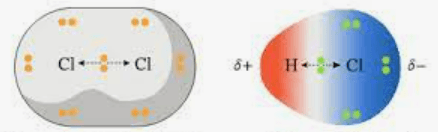
A) is nonpolar
B) is polar (electrons being pulled to one side because they are not being shared evenly)
100
Is SrO ionic or covalent?
Name SrO
Ionic (which means you do NOT use prefixes)
Strontium Oxide
100
What is the formula for francium sulfide?
Fr2S
200
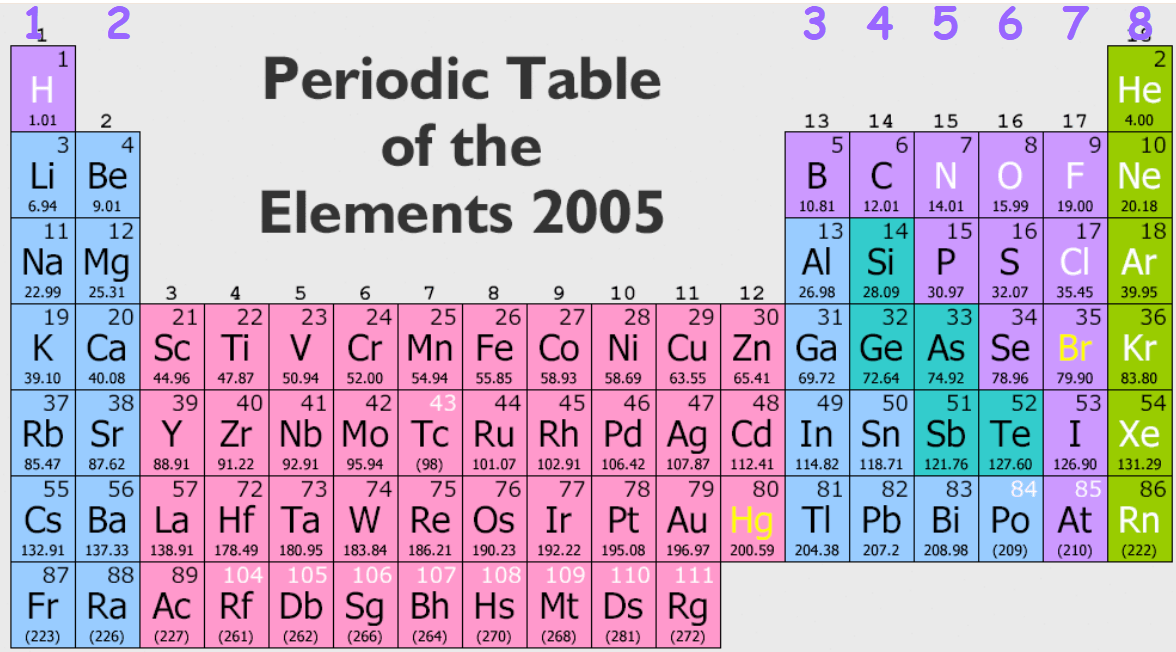
1. What are the electrons on the outer most shell called?
2. How do you know how many valence electrons an element has?
1. Valence electrons
2. The group number (everything in group 1 has 1 valence electron, everything in group 8 has 8 valence electrons)
200
1. A covalent bond in which electrons are NOT being shared evenly (electrons pulled to one side) is called a _________________ covalent bond
2. An easy way to spot a polar covalent bond is one that starts with ______
1. Polar
2. H
200
Is C4Cl6 ionic or covalent
Name C4Cl6
Covalent
Tetracarbon Hexachloride
(Covalent, use prefixes)
200
What is the formula for tricarbon heptafluoride
C3F7
300
1) How many valence electrons does Nitrogen have?
2) How many valence electrons does Fluorine have?
1) 5 valence electrons
2) 7 valence electrons
300
1.The formula for water is H2O. Is water polar or nonpolar?
2.The formula wax is C4H6. Is wax polar or nonpolar?
3. The formula for ammonia is H3N. Is ammonia polar or nonpolar?
4. Will H2O and C4H6 mix or form layers?
5. Will H2O and H3N mix or form layers?
1. Polar
2. Nonpolar
3. Polar
4. Layers because they have different polarities (H2O polar and C4H6 nonpolar)
5. Mix (both are polar, same polarities = mix)
300
Name Rb2CO3
Rubidium Carbonate
300
Potassium Chloride
KCl
400
1. What does the octet rule state?
2. Why are noble gases unreactive?
1. Atoms will form bonds in order to have 8 valence electrons (full valence shell)
2. noble gases is group 8 so they all have 8 valence electrons, satisfies the octet rule
400
1) What is the density of a stone that has a mass of 5 g and a volume of 4 mL?
2) What is the density of a crystal that has a mass of 2.4 g and a volume of 3 mL?
3) The stone is placed in a cup of rubbing alcohol to clean it. If alcohol has a density of 0.8 g/mL, will the stone sink or float?
4) Would the crystal sink or float?
1) 1.25 g/mL
2) 0.8 g/mL
3) The stone will sink because it is MORE dense than the alcohol (more dense = sink, less dense = float)
4) The crystal would float because it is less dense than alcohol
400
CO2
Carbon Dioxide
(Covalent, use prefixes, never use mono for the 1st element)
400
What is the fomula for nitrogen monoxide?
NO
500
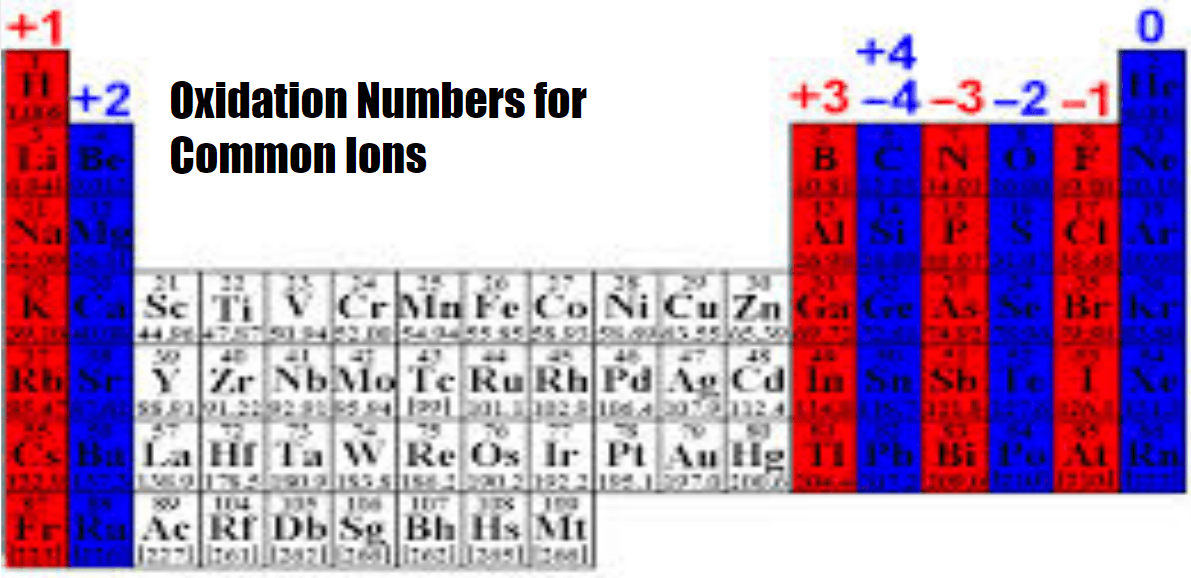
1) What is the oxidation number or common ion charge for phosphorus?
2) To become this positive ion, does phosphorus lose or gain electrons?
3) What is the oxidation number or common ion charge for Strontium?
4) To become a negative ion, does strontium lose or gain electrons?
1) -3
2) Gain electrons = negative charge
3) +2
4) lose electrons = positive charge
500
1. What are the forces between molecules called that determine the state of matter the substance is in?
2. Water has very strong IMF’s and gasoline has weaker IMF’s. Which substance would have the HIGHER melting point and boiling point?
3. Which will have higher melting points, ionic compounds or covalent compounds and why?
1. Intermolecular Forces - these determine if you have a solid liquid or gas
2. Water (strong force = harder to melt or boil)
3. Ionic compounds have higher melting points because ionic bonds are stronger (stronger = harder to melt)
500
Al(OH)3
Aluminum Hydroxide
500
What is the formula for aluminum dichromate?
Al2(Cr2O7)3