Outer & Middle Ear
Inner Ear
Equilibrium
Seeing/Hearing
Eye
100
Its the part of the outer ear highlighted in blue here.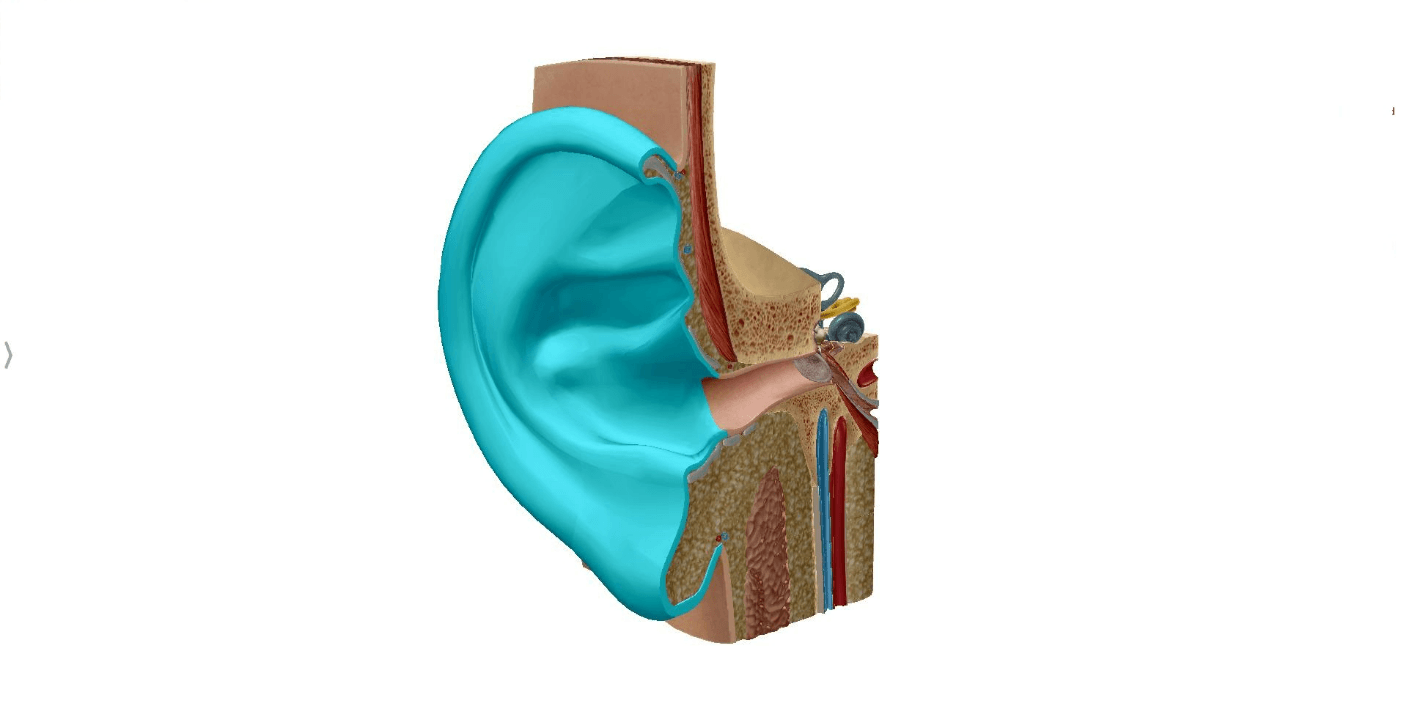
What is the Auricle or Pinna?
100
It is the special sense activated by structures in the cochlea.
What is hearing?
100
It is the common name for "Equilibrium".
What is "balance".
100
Seen here shaded in blue, this clear part of the outer eye might be refered to as your "window to the world".
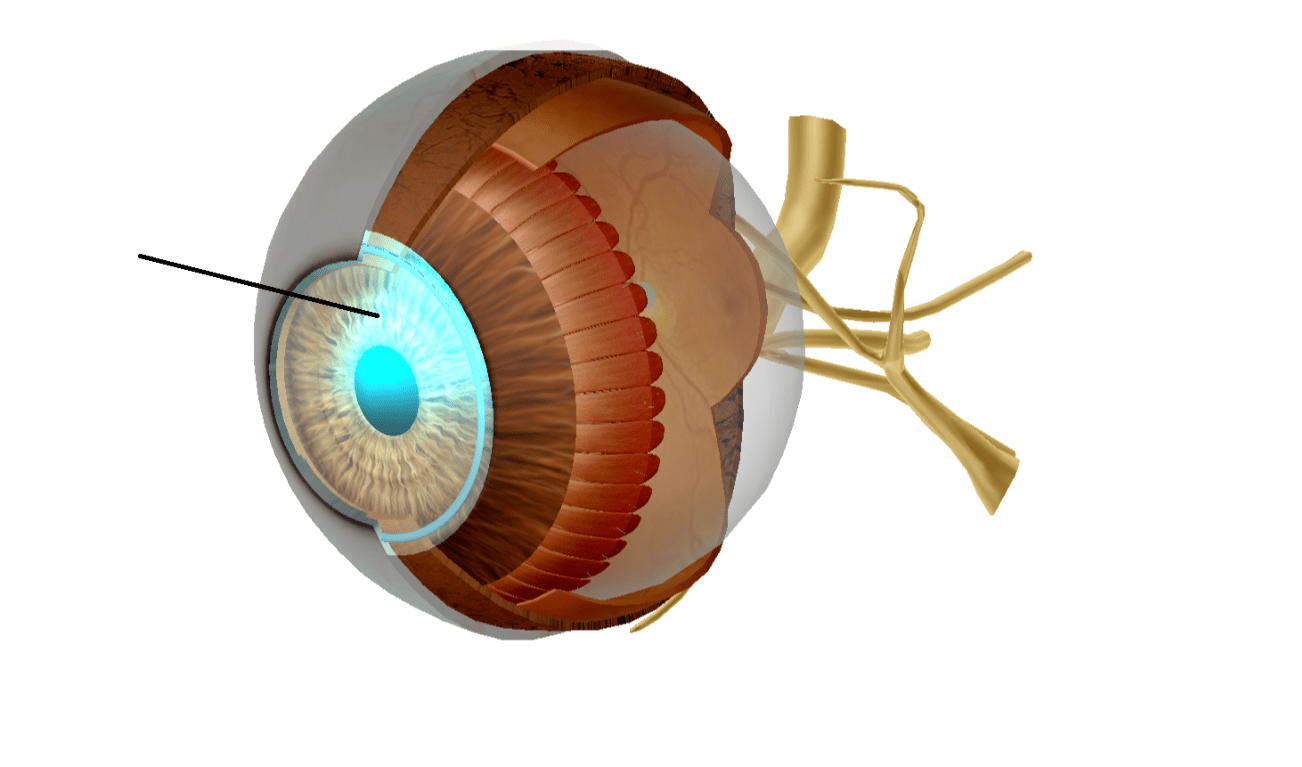
What is the Cornea.
100
When something makes you very sad, you might shed some Lacrimal Fluid, more commonly known as these.
What are tears.
200
The scientific name for the structure seen here.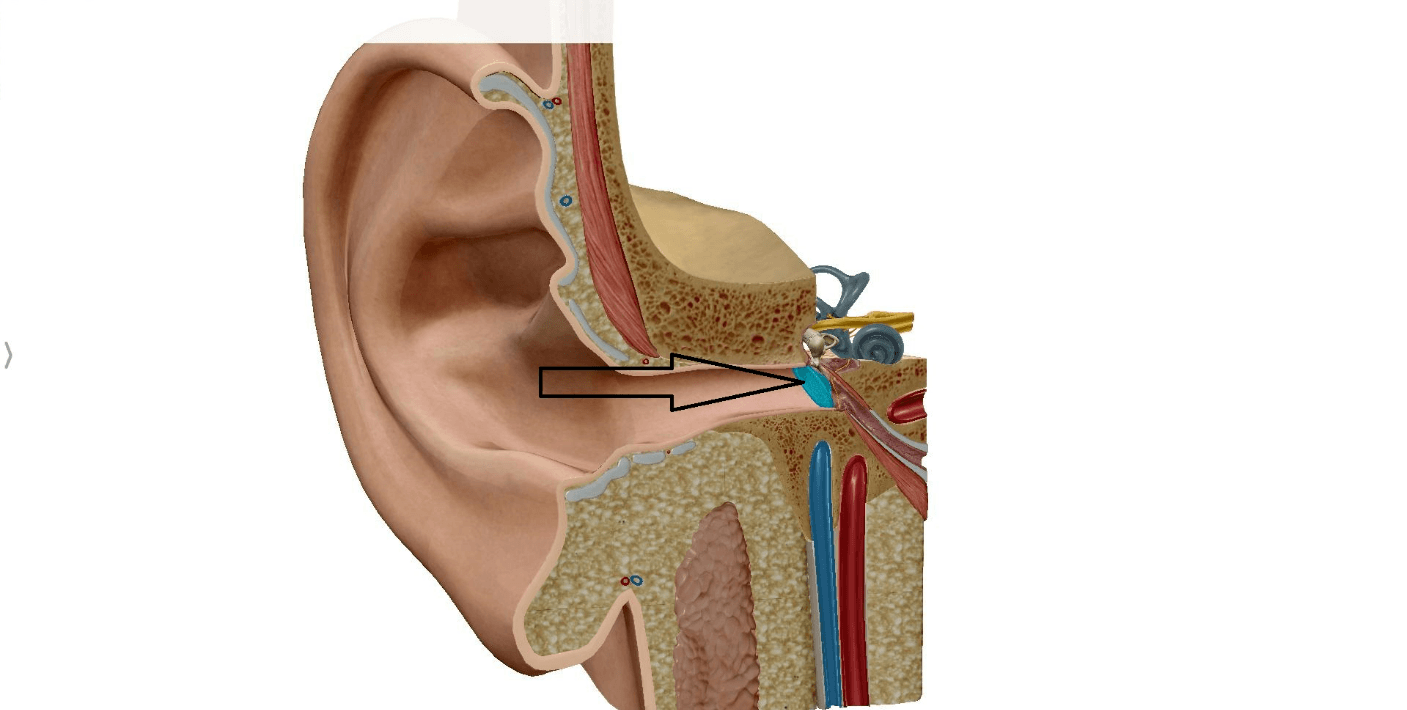
What is the Tympanic Membrane?
200
It is the snail-shaped part of the inner ear.
What is the Cochlea.
200
The scientific name of the 3 three structures highlighted in blue here: 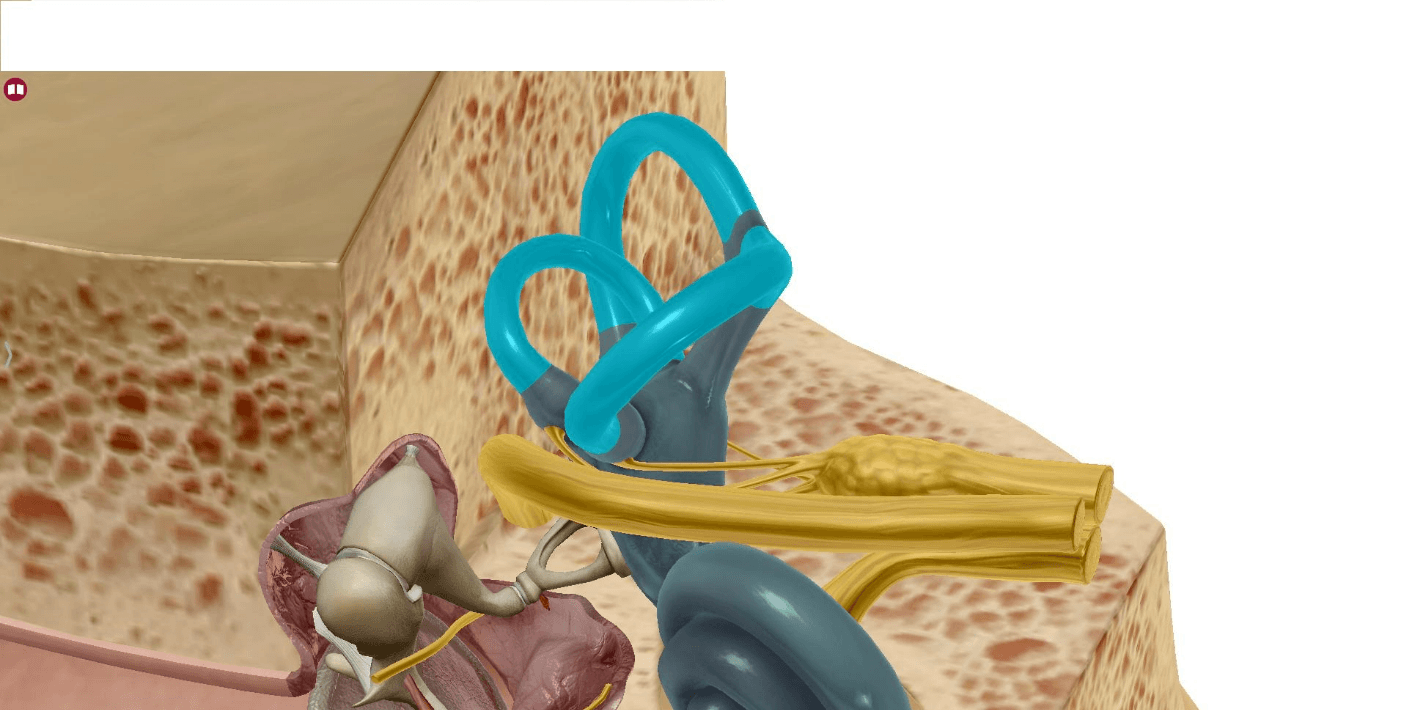
What are the Semi-circular canals.
200
It is the ossicle that articulates with the oval window of the inner ear.
What is the Stapes?
200
It is the direction the eyeball rotates when the superior rectus muscle contracts.
What is superiorly.
300
This tube leads to the Tympanic membrane.
What is the External Auditory Meatus.
300
It is the kind of tissue the outside of the Labyrinth is made of.
What is Bone tissue.
300
It is the part of CN VIII that carries information about balance to the brain.
What is the Vestibular part (of the Vestibulocochlear Nerve).
300
It is the hearing structure highlighted in blue in the picture:
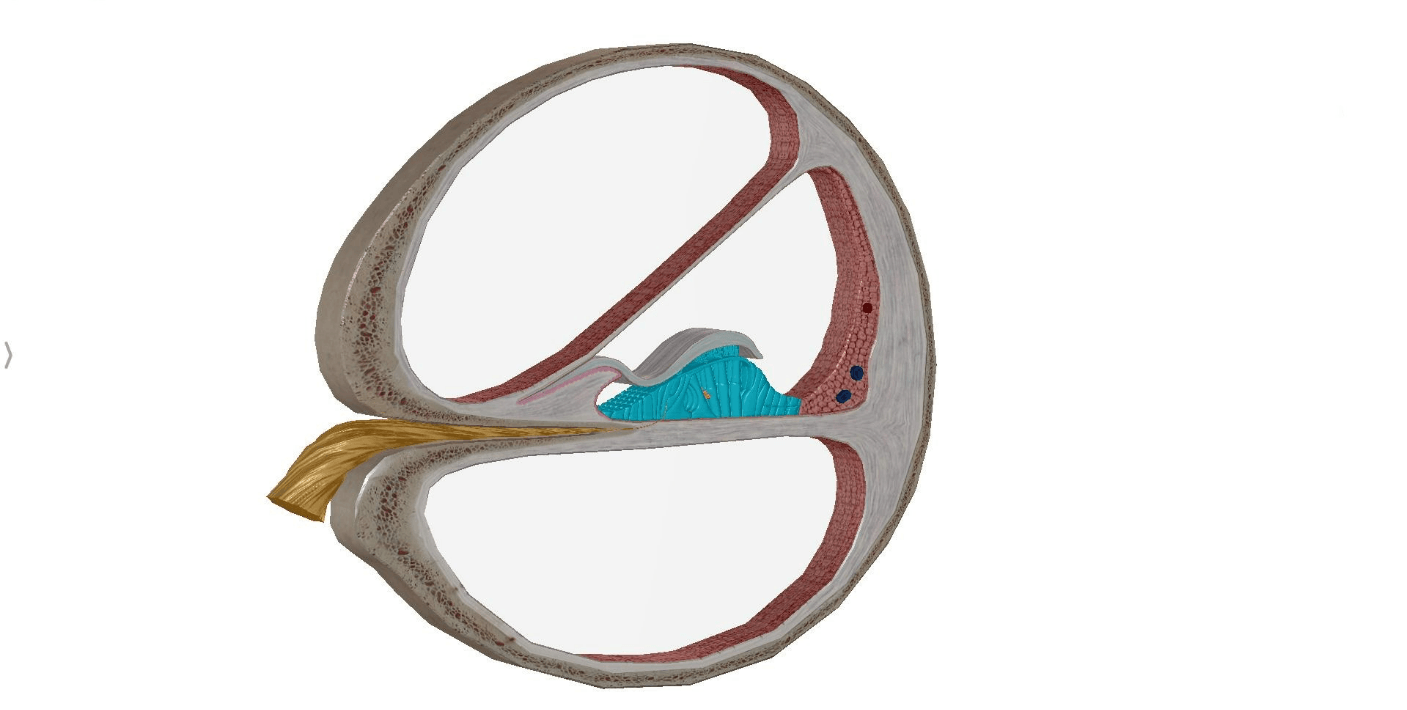
What is the Organ of Corti.
300
The phrase allegedly used during the Revolutionary war at the Battle of Bunker Hill "Don't fire until you see the whites of their eyes!" refers to this part of the eyeball.
What is the sclera.
400
The Malleus, Incus and Stapes are collectively called this term, meaning "small bones".
What are (auditory) ossicles.
400
Taken from the Latin word meaning "Entrance court", this structure is located between the Cochlea and the Semi-circular canals.
What is the Vestibule.
400
It is the main area of the brain where balance information is sent and interpreted.
What is the Cerebellum.
400
Unlike Taste and Smell, which contain "chemoreceptors", sight originates with this type of receptor.
What is a "photoreceptor".
400
This structure, highlighted in blue, helps us with depth perception by having some sight information sent to the opposite side of the brain.
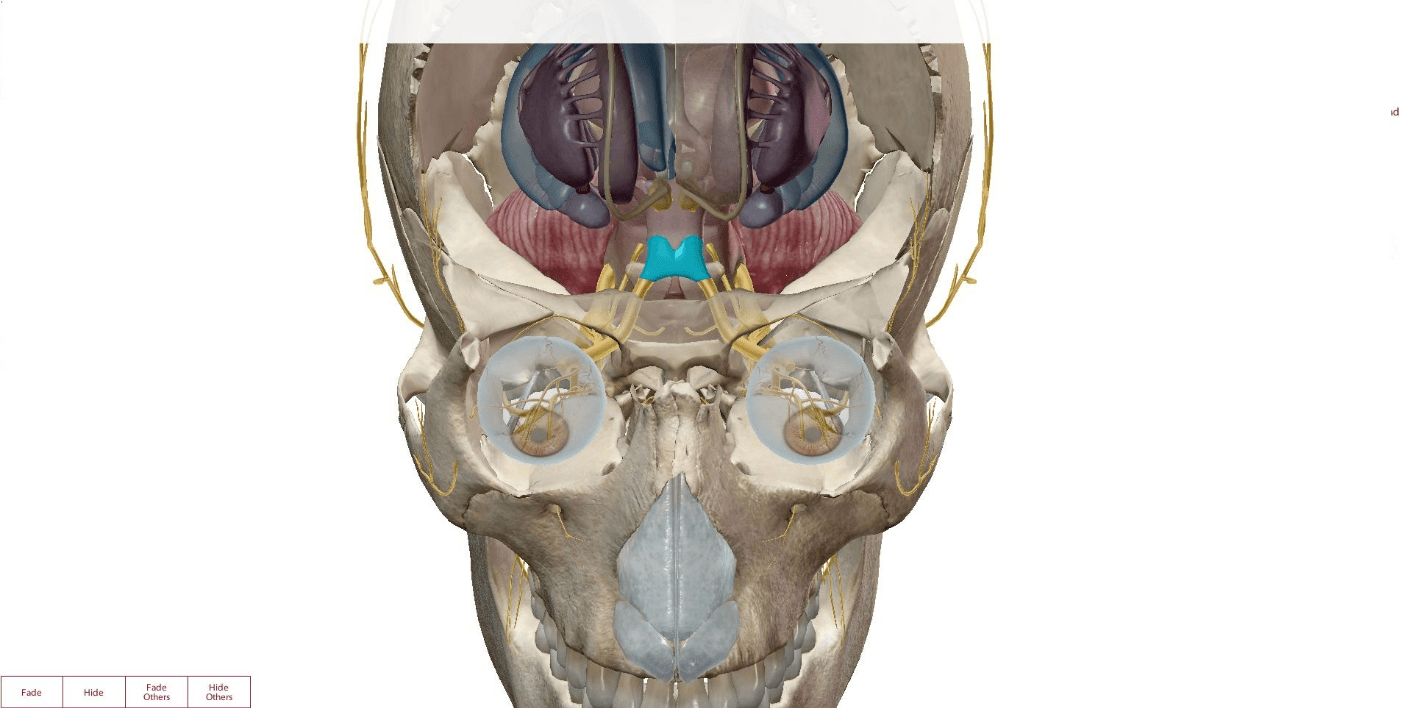
What is the Optic Chiasm.
500
This part of the middle ear plays no role in hearing or equilibrium, instead it equalizes pressure on both sides of the eardrum
What is the Eustachian Tube?
500
It is the membrane shown here:
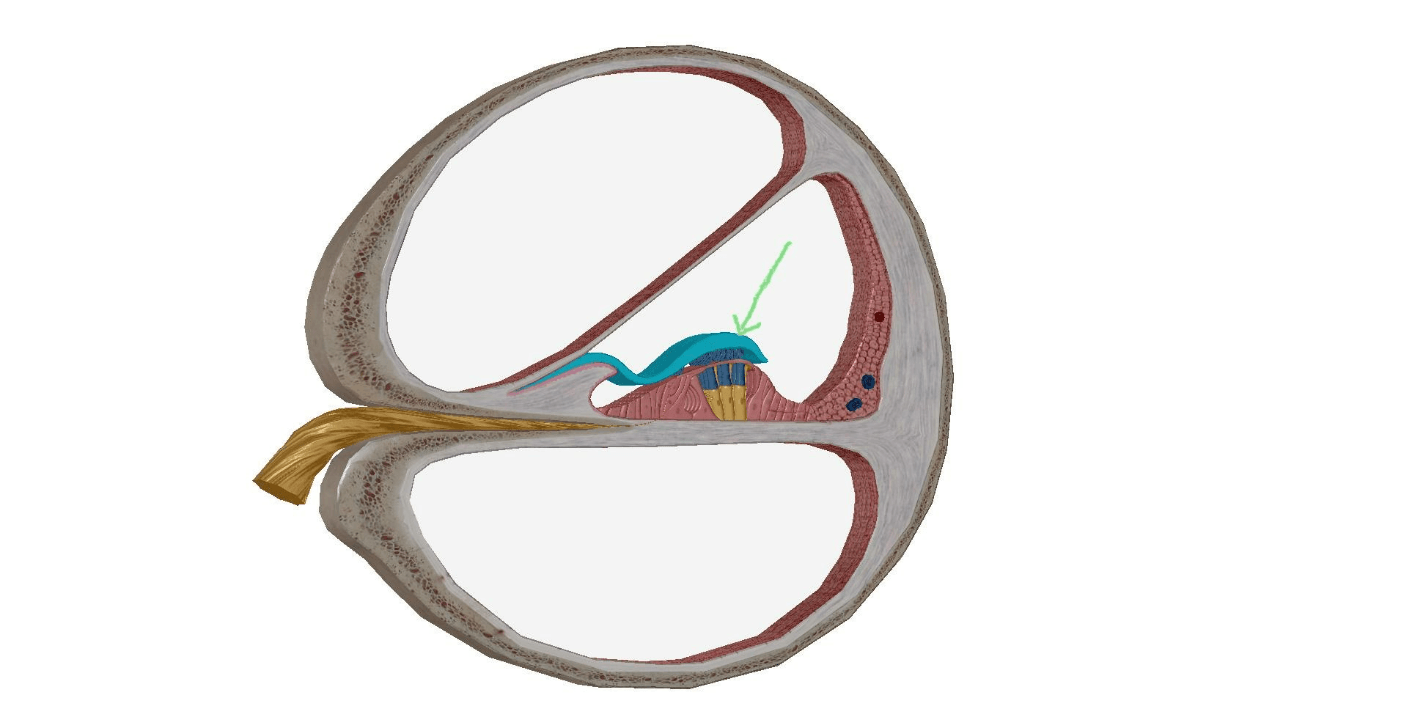
What is the Tectorial Membrane.
500
TRIPLE JEOPARDY!
Its what initiates the equilibrium response.
What is a change in the position of the head.
500
It is the scientific term for farsightedness in old people.
What is presbyopia.
500
Double Jeopardy!
This part of the vascular tunic is made up partly of a muscle that functions to change the shape of the lens, and is the structure seen here at the pointer.
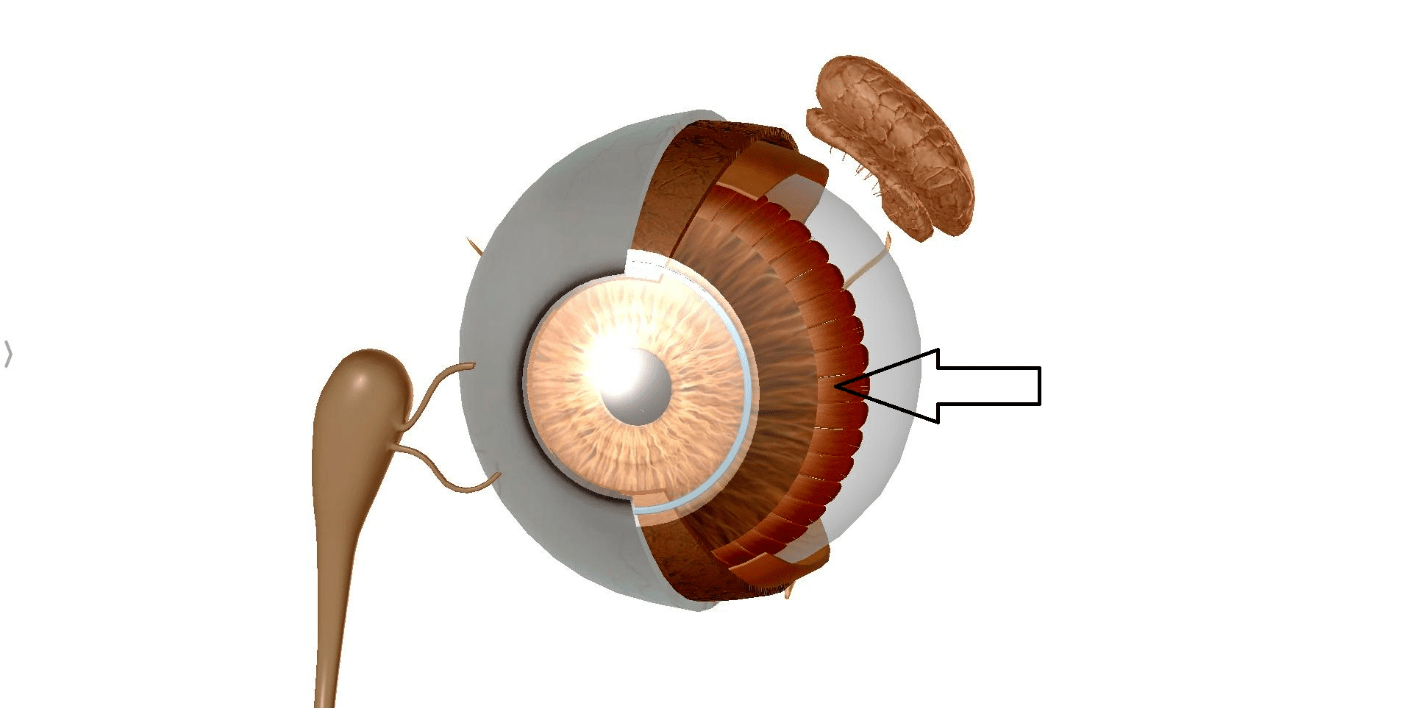
What is the cilliary body.