Rocky Shore
Sandy Beach & Mudflats
Kelp Forest
Open Ocean
Crustaceans
Miscellaneous
100
This file-like structure allows many snails to scrape algae off rocks
What is a radula?
100
These crustaceans follow the tides up and down the beach and quickly burrow backwards in the wet sand. They use their long feathery antennae to catch plankton.
What are sand crabs (mole crabs)?
100
Without gill coverings to aid in breathing like many other fish, this animal needs to open and close its mouth in order to breathe.
What is the moray eel?
100
This fish is the most primitive fish in the ocean. It's jawless, boneless, and produces copious amounts of mucus.
What is the hagfish?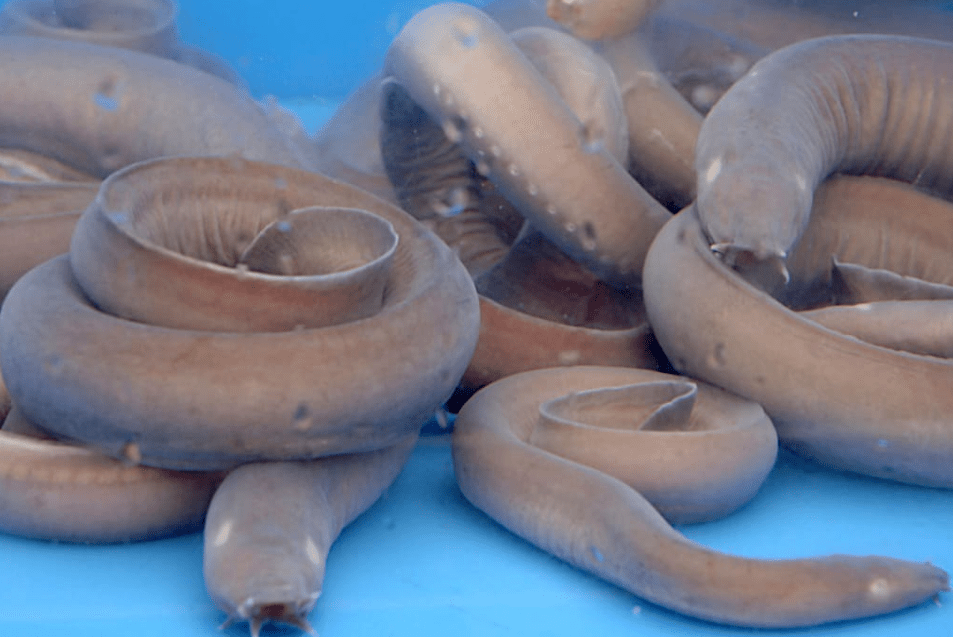
100
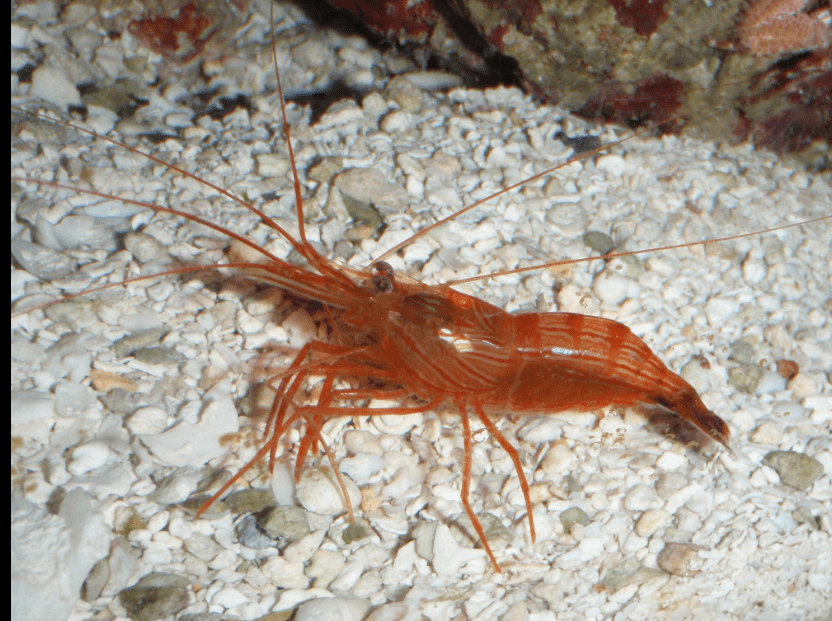
This cleaner crustacean has a mutualistic relationship by removing dead skin and parasites off of fish, including eels.
What is the red rock shrimp?
100
This is the key primary producer at the bottom of the food chain in the ocean. (Be specific!)
What is phytoplankton (plant plankton)?
200
These tough threads allow mussels to attach to the rocks
What are byssal threads
200
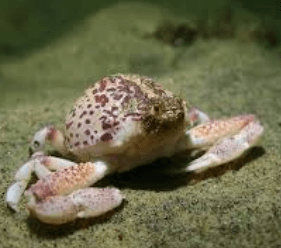
This crustacean grows to 3 inches and has a bulbous-shaped exoskeleton. This makes it easy to camouflage when it buries in the sand. It tends to feed on organic matter, or detritus, and other invertebrates.
What is the globe crab?
200
This is the largest and fastest growing of all seaweeds.
What is the giant kelp?
200
This fish has a head lure, like a fishing rod, lit by luminous bacteria
What is an anglerfish (football fish)?
200
Which of the following are the ways spiny lobsters protect themselves from predators? (Choose all that apply)
A) They depend on spines on their body and antennae for protection from predators
B) They use their antennae to produce sounds to ward off enemies
C) The can escape by swimming
D) They forage at night
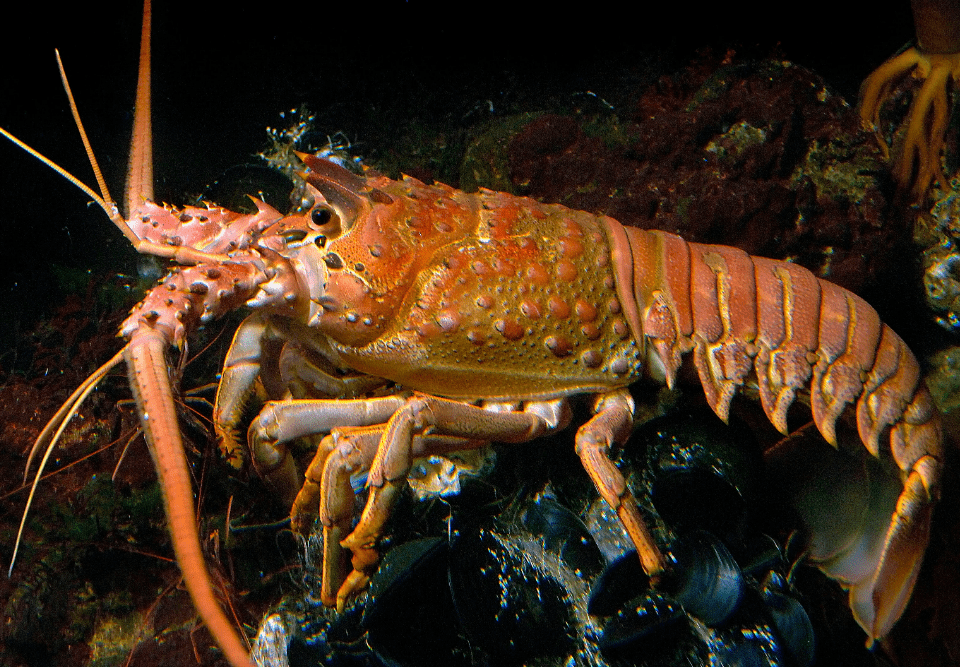
What is A, B, C and D?
200
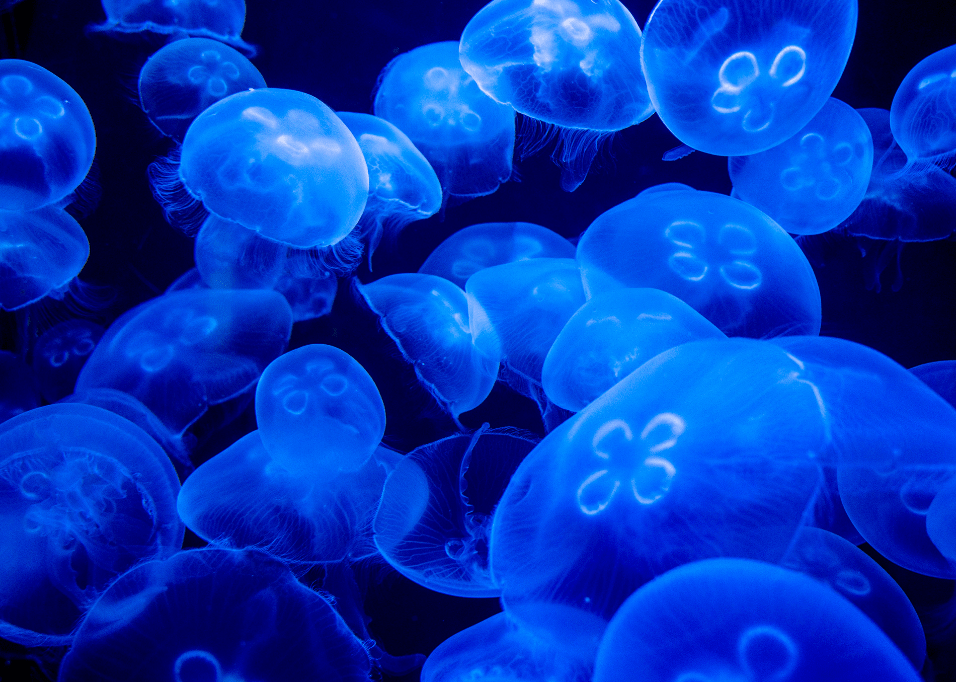
Made up of about 95% water, these animals operate without brains, hearts, or lungs. Instead of a long, painful sting, these common coastal inhabitants boast a perfectly mild touch.
What are moon jellies?
300
This permanently attached crustacean has thick shell plates that close up tightly when the tide is low. Oh, and they eat with their"feet"!
What are barnacles?
300
These echinoderms are adapted for burrowing using spines to drive themselves into the sand. They use their spines, tube feet and pedicellaria on both sides of the body to capture food, including plankton, algae, detritus, and small crustaceans.
What are sand dollars?
300
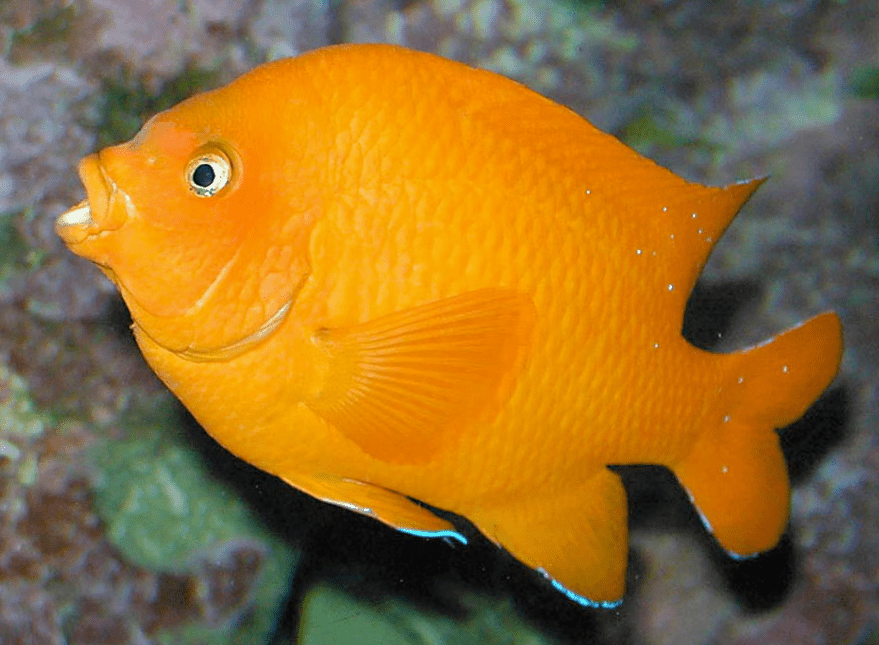
Our marine state fish!
What is the garibaldi?
300
This is the largest and deepest-diving of all sea turtles, adapted entirely for life in the open ocean. They lack hard, bony shells feeding primarily on jellyfish
What is the leatherback sea turtle?
300
This crustacean can send a shockwave that can stun or kill their prey all due to their ability to pack a punch that can reach up to 60 miles per hour!
What is the mantis shrimp? 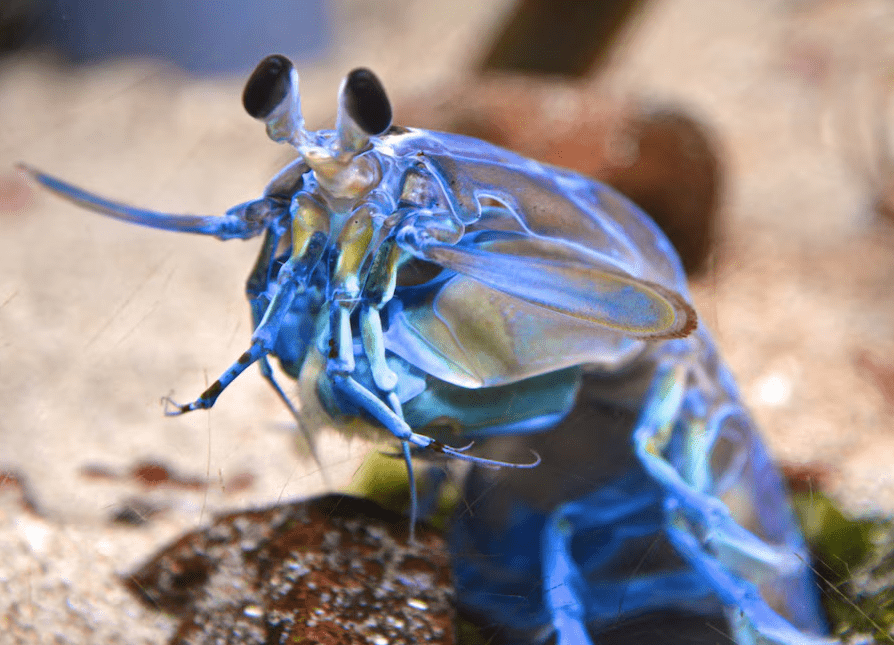
300
These are the specialized stinging organelles found in the tentacles of sea jellies and sea anemones.
What are nematocysts?
400
This is one of the two species of fish than can breathe in air, at least for a bit of time
What is a gunnel or opaleye?
400
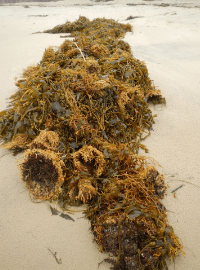
This is what we call the clumps of drift seaweed that wash ashore, the foundation of the coastal food web.
What is beach wrack?
400
This animal possesses highly developed eyes and the largest, most complex brain of any invertebrate. It has three hearts, copper-based blue blood and a sharp venemous bite!
What is the octopus (kelp forest room)?
400
This shark has a whip-like caudal fin (tail), reaching to a length around half the size of their body, to stun schooling fish.
What is the thresher shark?
400
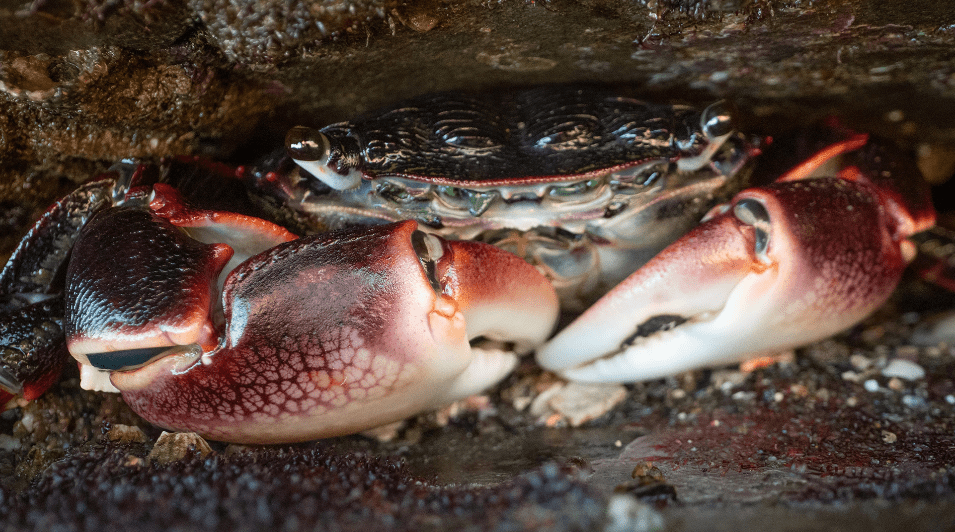
This crab forages both in and out of the water and is quite active during the day. An extremely fast species; it has even been reported to catch flies at low tide. (Hint: They are big fans of squid!)
What is the striped shore crab?
400
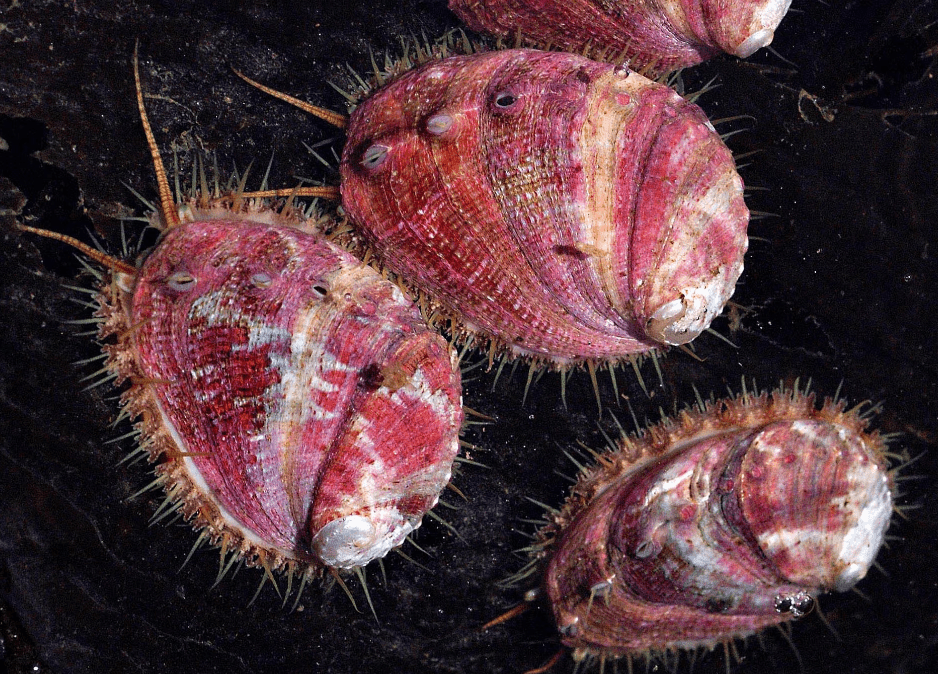
This was the very first marine invertebrate to be listed as endangered under the U.S. Endangered Species Act
What is the white abalone?
500
This long flexible structure is used by Kellet whelk snails in order to reach down to feed on dead or dying organisms
What is a proboscis?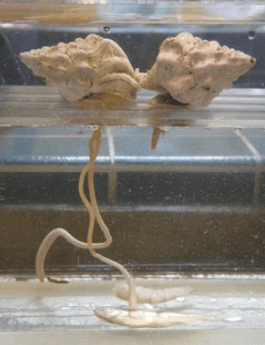
500
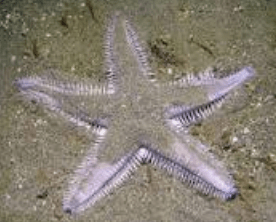
This echinoderm, in the sandy beach demo tank, is predatory. It tracks the slime trails of olive snails. While it digests the soft tissue, it will spit out an intact whole empty shell.
What is a sand star (armored star, spiny sand star)?
500
Swell sharks absorb blue light in the ocean and re-emit it as a bright neon green glow. This phenomenon is called ______________.
What is biofluorescence? 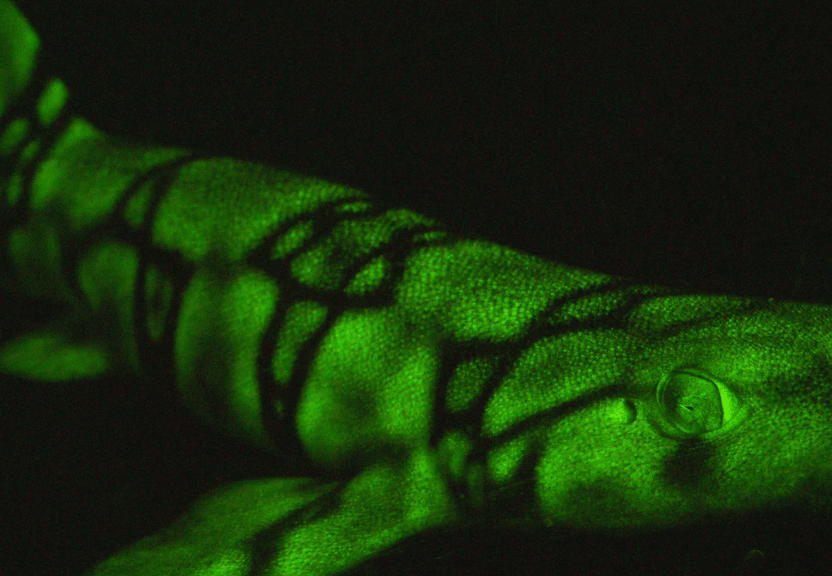
500
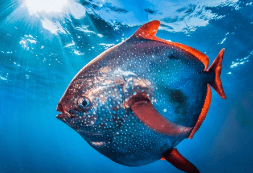
This fish is the only true warm-blooded fish. This unique trait allows it to be a high-performance, active predator in deep, cold waters.
What is the opah?
500
This is the common name of this cool crustacean!
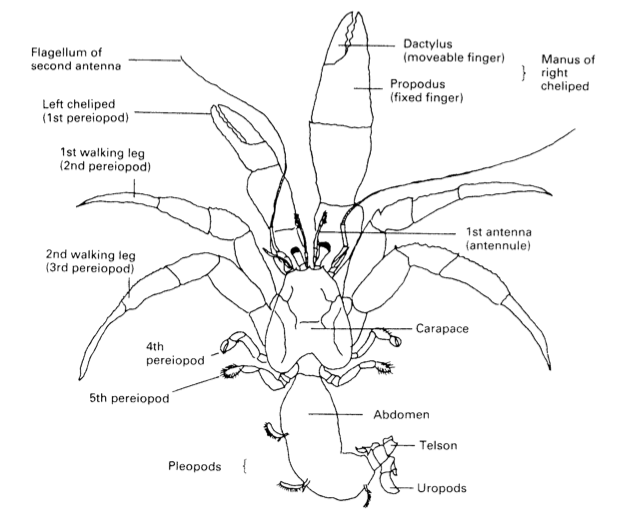
What is hermit crab?
500
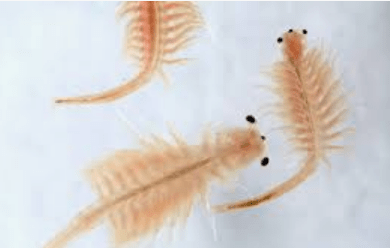
The eggs of these crustaceans enter a state of suspended animation called cryptobiosis (hidden life). In this dormant form, known as a cyst, they can survive for years unchanged—even enduring freezing temperatures and the vacuum of space—only to hatch into live crustaceans within hours when placed in saltwater
What is brine shrimp?