1. Natural Resources
2. Resource Life Cycle
3. Environmental Impacts
4. Scientists vs Engineers
5. Engineering Design Process
100
What is a natural resource?
Answer: A natural material or energy source that humans use.

100
What are the five main stages of a natural resource's life cycle?
Answer:
Obtaining resources → Production → Distribution → Consumer Use → Disposal.
100
DOUBLE POINTS: Does natural resource use have only negative effects on society and ecosystems?
Answer:
No. Resource use can have both positive and negative effects.
100
Who primarily asks questions and develops explanations about how the world works: scientists or engineers?
Answer:
Scientists.
100
WRONG = LOSE POINTS: What are criteria in an engineering problem?
Answer:
The requirements a successful solution must meet.
200
DOUBLE POINTS: What is the difference between a renewable resource and a nonrenewable resource?
Answer: Renewable resources can be replaced in a relatively short time, while nonrenewable resources are used more quickly than they can form.
200
WRONG = LOSE POINTS: During which life-cycle stage is a raw resource modified from its original state to make a usable product?
Answer:
Production.
200
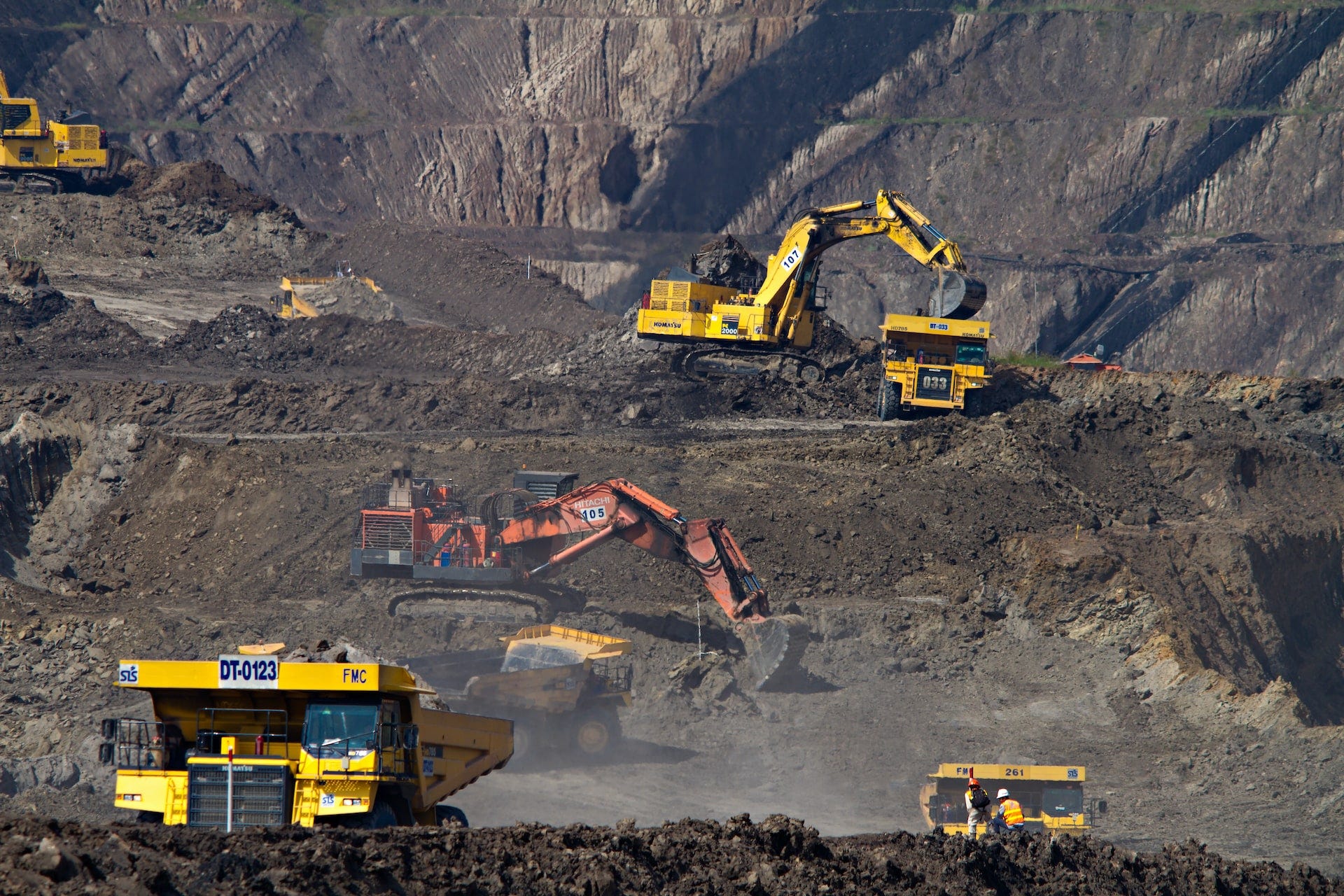
How can mining negatively affect an ecosystem? Give one example.
Answer:
Possible answers include habitat destruction, erosion, loss of vegetation, pollution, flooding, or decreased biodiversity.
200
WRONG = LOSE POINTS: Who primarily defines problems and develops solutions to those problems: scientists or engineers?
Answer:
Engineers.
200
DOUBLE POINTS: What are constraints in an engineering problem?
Answer:
The limitations or restrictions on a solution.
300
WRONG = LOSE POINTS: Wind turbines allow humans to use wind as an energy resource.
Is wind renewable or nonrenewable, and why?
Answer:
Renewable because wind is continually available.
300
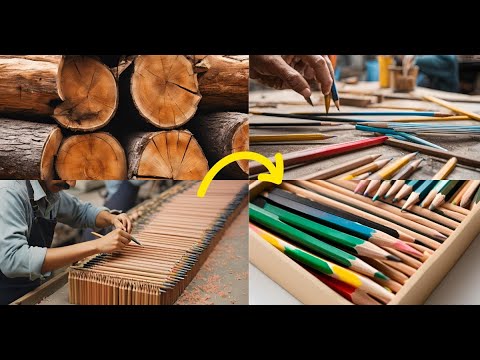
DOUBLE POINTS: A pencil begins with trees from a forest and graphite from a mine.
Explain what would happen to pencil production if less wood or graphite were available.
Answer:
There would be fewer inputs available for production, so fewer pencils could be produced.
300
How can recycling and reusing products reduce environmental impacts?
Answer:
They reduce the demand for new natural resources and reduce the amount of landfill space needed.
300
Scientists investigate how wind turbines affect migrating birds. Engineers design different wind turbines.
Explain how scientists and engineers could work together to improve wind turbines.
Answer:
Scientists can provide knowledge/evidence about how turbines affect birds, and engineers can use that information to improve turbine designs.
300
Why do engineers test a design and then return to earlier steps of the engineering design process?
Answer:
Testing provides information and feedback that engineers can use to improve or redesign the solution.