IT vocabulary
Safety tips
Unsafe behaviour
Cyberattack categories
Miscelaneous
100
A secret sequence of characters used to confirm user identity.
Password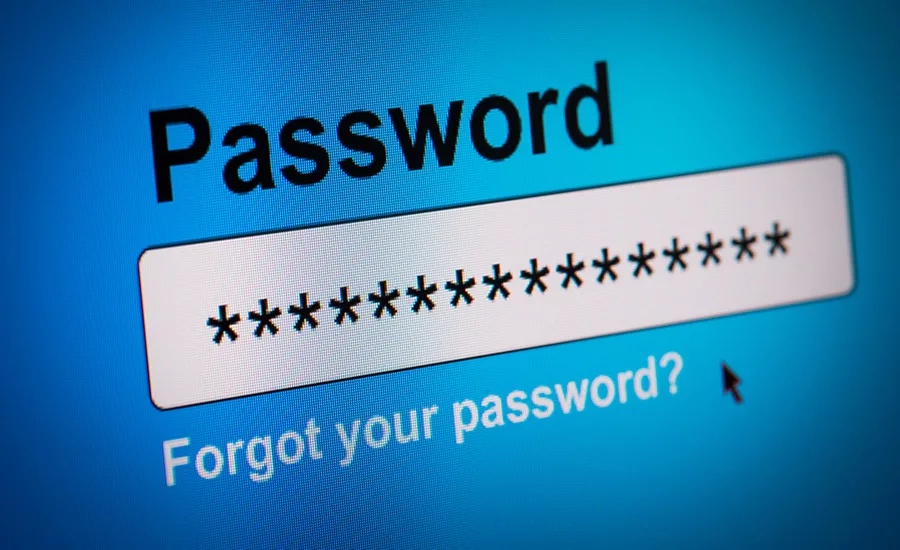
100
The practice of using at least two different verification steps to log into an account.
Multi-Factor Authentication
100
Using the exact same password across multiple online accounts
Password Reuse Password Reuse
100
Fraudulent emails pretending to be trusted entities to steal personal information.
Phising
100
A malicious program disguised as legitimate, harmless software.
Trojan Hourse
200
A hardware or software barrier that monitors and filters network traffic.
Firewall

200
Installing these regularly ensures systems have the latest security fixes.
Patches or Update

200
Opening unverified links or downloading attachments from unknown senders.
Clicking Suspicious Links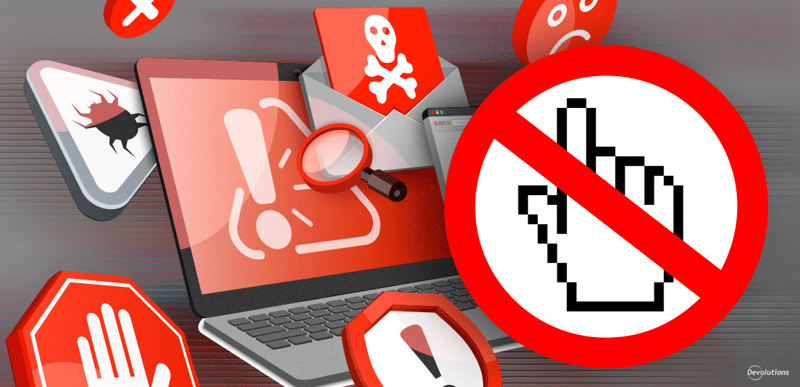
200
Malicious software that encrypts user files and demands payment to restore access.
 Ranmsomwere
200
Small text files saved on a web browser to track user activity and site preferences.
Cookies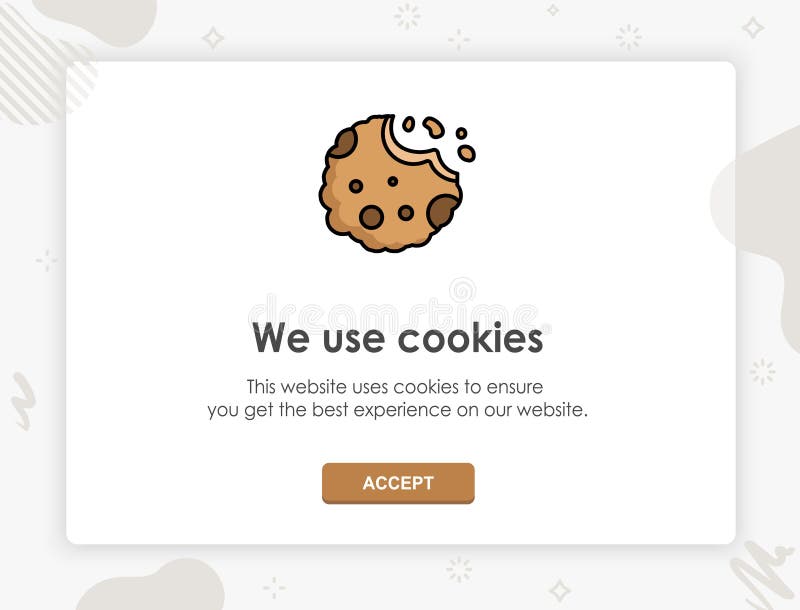
300
The process of converting readable data into unreadable code to prevent unauthorized access.
Encryption
300
A secure application used to generate, store, and manage unique credentials
Password Manager
300
Leaving a workstation unlocked and unattended in an open area.
Unlocked Screen
300
An attack that floods a server with overwhelming traffic to take it offline.
DDoS
300
A security specialist who uses hacking skills legally to find and fix vulnerabilities.
White Hat Hacker
400
duplicate copy of data stored separately for recovery in case of loss.
Backup
400
An encrypted connection protocol often used to safely browse on public Wi-Fi networks.
VPN
400
Looking over someone's shoulder to spy on their screen, PIN, or credentials.
Shoulder Surfing
400
Manipulating people psychologically so they voluntarily reveal confidential information.
Social Engineering
400
The digital trail of personal data left behind when using the internet.
Digital Footprint
500
A flaw or weakness in software code that attackers can exploit
 Vulnerability
500
Prompt: The security practice of granting users only the minimum access rights necessary for their tasks.
Principle of Least Privilege
500
Connecting an unknown, found USB flash drive into a company computer.
Connecting an unknown, found USB flash drive into a company computer.
500
An attack that exploits a software flaw before the developer has released a patch for it
Zero-Day Exploit
500
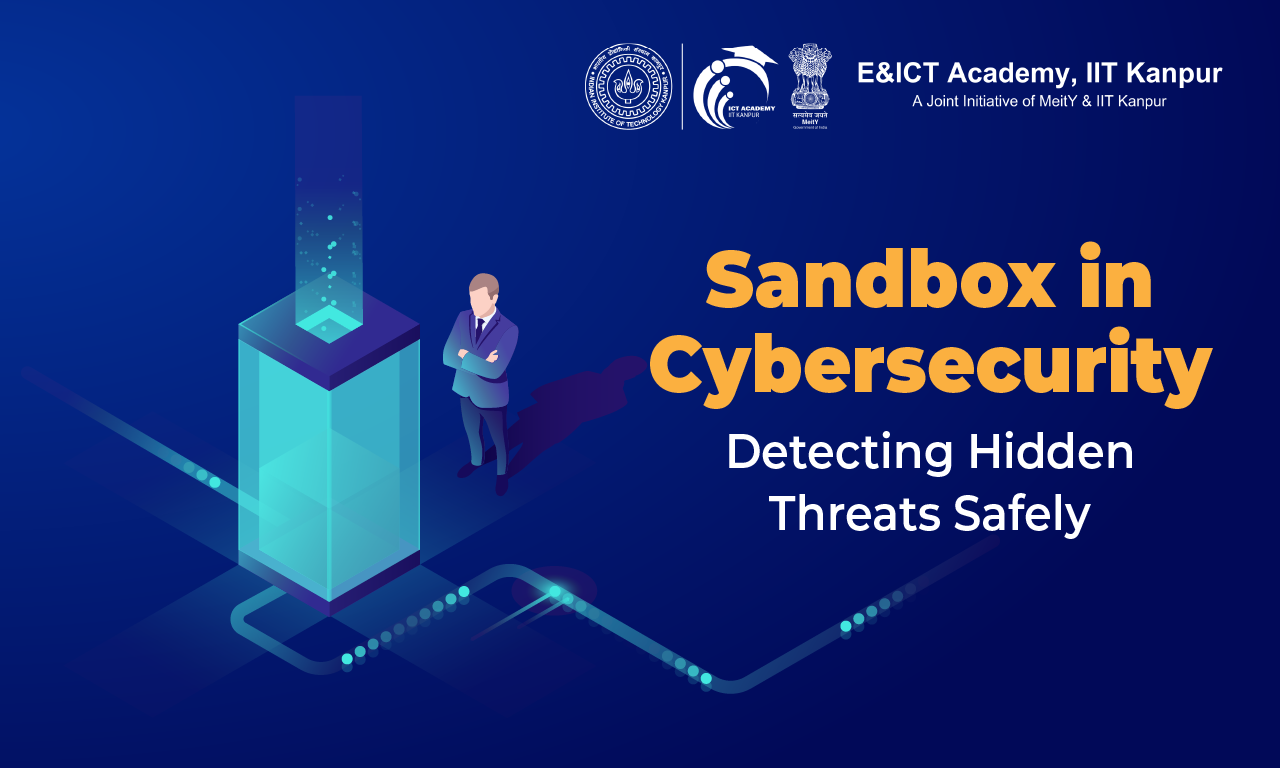
An isolated test environment that allows suspicious files to run without risking the main system.
Sandbox