The Periodic Table
Element Information
Groups of The Periodic Table
Atomic Structure
Chemical Bonds
100
The scientist that created the first periodic table of elements.
What is Dmitri Mendeleev?
100
Determine whether the element in period 5 and group 17 is a metal, nonmetal, or metalloid.
What is a nonmetal?
100
The name for the group with the most reactive metals on the periodic table.
What is alkali metals?
100
The name for the center of an atom and what subatomic particles are found there.
What is the nucleus and protons and neutrons?
100
The reason that atoms bond with one another.
What is to become more stable?
200
The names for the rows and columns on the periodic table.
What is the rows are called periods and the columns are called groups or families?
200
Determine the number of each subatomic particle in an atom of Zirconium.
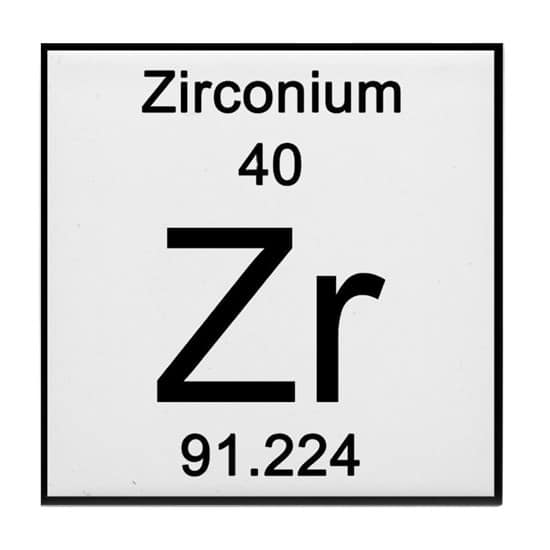
What is
Protons = 40
Electrons = 40
Neutrons = 51
200
The group on the periodic table that has very stable nonmetal elements.
What is the Noble Gases?
200
The subatomic particles that make up most of the mass of an atom.
What is protons and neutrons?
200
The ways the atoms may bond with each other.
What is they gain, lose, or share valence electrons?
300
What you observe about the properties of the elements as your move across a period.
What is the properties of the elements will change/you will be able to observe trends?
300
Determine the number of each subatomic particle in an atom of Geranium?
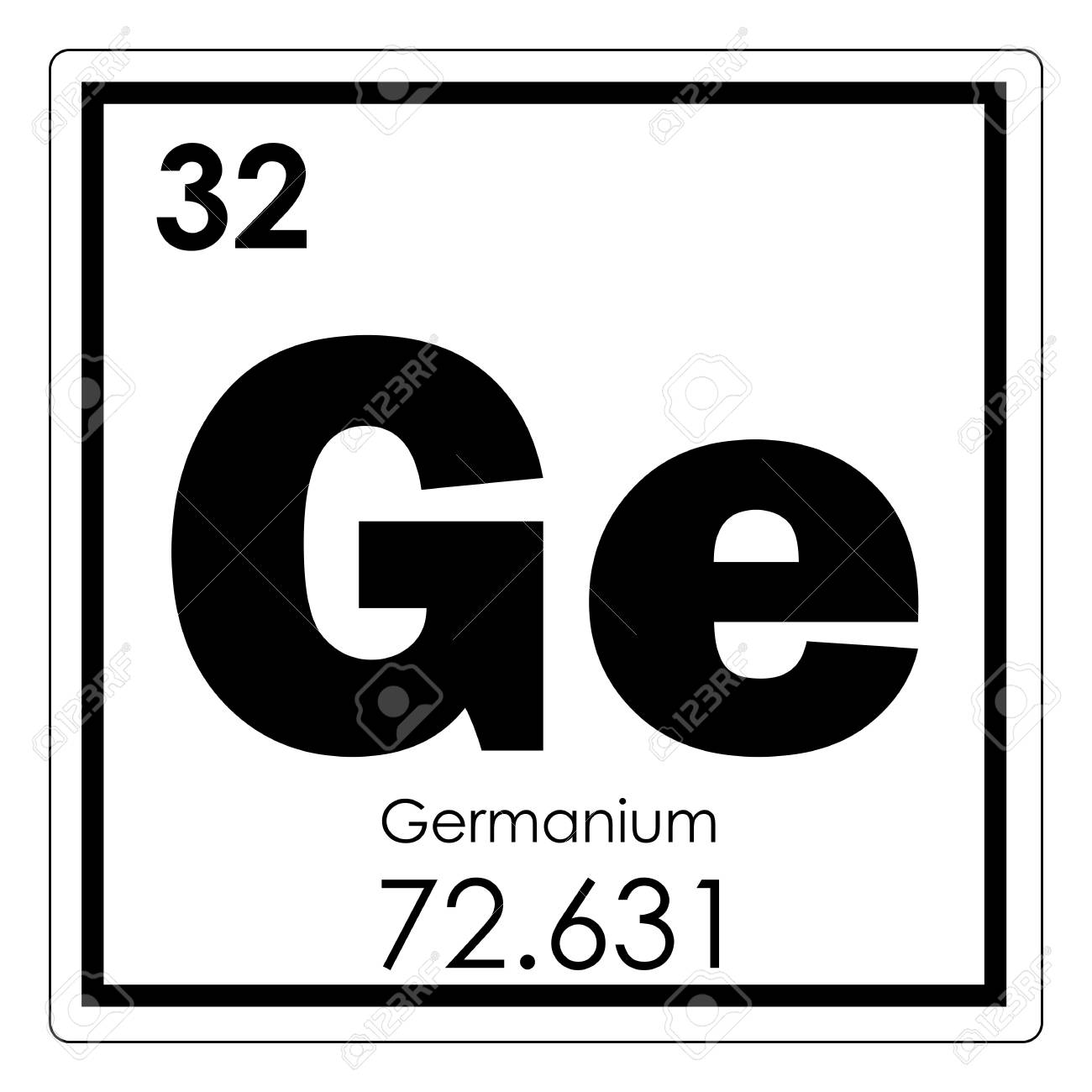
What is
Protons = 32
Electrons = 32
Neutrons = 41
300
The name for the group that has elements that are often referred to as "semi-metals"
What is the Metalloids?
300
This must be true in order for an atom to be neutral.
What is there needs to be an equal amount of protons and neutrons?
300
Describe a valence electron's energy and attraction to the nucleus.
What is they have high energy and a low attraction to the nucleus?
400
The reason that Mendeleev was deemed "The father of the periodic table"
What is he was able to predict elements that had not been discovered yet?
400
Construct an Electron Dot Structure for Phosphorus.
What is

400
The name for the group that has reactive nonmetal elements that often form salts.
What is the Halogens?
400
The thing that makes atoms of different elements different from one another.
What is the number of protons in the nucleus?
400
Based on the electron dot structure, the easiest way to achieve a full valence shell would be to:
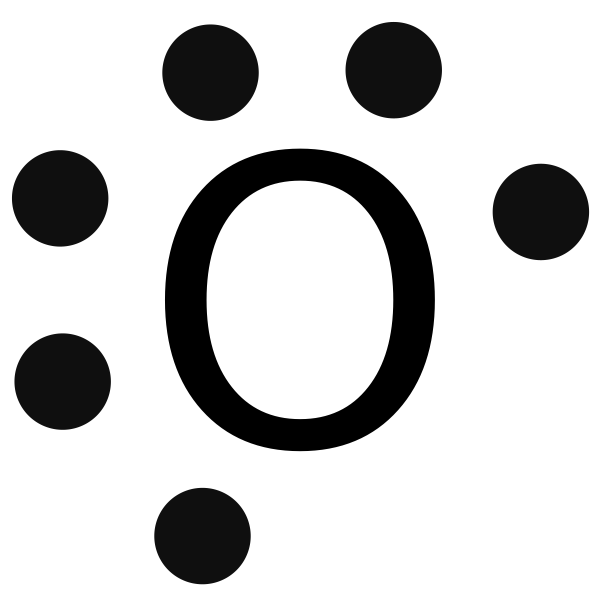
What is to gain two electrons?
500
Describe how an element's location on the periodic table relates to the Bohr model of the atom.
What is the period corresponds with the number of rings/energy levels and the group number corresponds with the number of valence electrons?
500
Construct a Bohr Model for the element Potassium.
What is

500
Three characteristics that make transition metals the best suited for everyday use.
What is they are dense, sturdy, malleable, ductile, shiny, have a high melting point, and conduct heat and electricity.
500
Identify why this atomic model is inaccurate.

What is there is an unequal number of protons and electrons and the electrons are orbiting the nucleus on fixed paths?
500
Determine whether the following element is stable or unstable:

What is stable?