Viral Families
Viral Families - PA
Viral Families - Eq.
Viral Families - CA
Vector Borne Dz- PA
Vector Borne Dz info
100
What DNA Viral Family is known for its lifelong latency once infected?
Herpesviridae (Retroviridae- RNA)
100
What is the difference between a notifiable vs reportable disease? (the approach as a veterinarian)
USDA animal health-
Notifiable diseases: diseases of high consequences, often foreign, report w/in 24hrs (Immediate/ urgent)
Reportable disease: broader, state-defined, more for monitoring or controlling outbreaks (less urgent timeline)
100
What diagnostic test is used to detect Equine Infectious Anemia, with horses typically seroconverting 16–42 days after infection.
Coggin's test
100
What is the main virus of concern in dogs with GI, respiratory, and neurological signs?
Canine Distemper Virus (CDV)
100
What is the BEST way to prevent the spread of vector borne diseases?
Treat/ control the vectors
100
What is a dead end host?
A host that can harbor an infection/ become infected- but the pathogen cannot spread to another host.
200
What DNA viral family is enveloped but acts like it is naked?
Poxviridae
200
When it comes to FMD (foot and mouth disease)- why can you not implement regular vaccination schedules?
There is no way to differentiate between antibodies from an infection/ exposure or antibodies from a vaccination.
Vx can be used as a disease buffer- until the disease is controlled then the vaccinated cows must be culled.
200
What are the three major mechanisms that cause equine anemia?
blood loss, lysis, and decreased production
200
Name three risk factors for FIV infection
Places where biting/fighting occurs: outdoor free roaming cats (sexually intact males who are sick and have a history of cat bite abscesses), kittens born to positive queens, large unstable populations (hoarding situations)
200
The Culicoides biting midge spreads what disease?
Blue tongue disease (reportable)
200
What transmits vector-borne diseases?
Arthropods
300
What viral family primarily affects arterioles, the respiratory tract, anc can lead to abortion?
Arteriviridae (Ex: Equine arteritis)
300
You are called out to a farm to assess a beef cow. The farmer notes this protrusion on the R side of the cow. The lymph nodes are all enlarged but the animal is otherwise is acting normally. The farmer has had other cows' carcasses condemned at slaughter for Enzootic Bovine Leukosis. What type of tumor could this be from the abomasum?
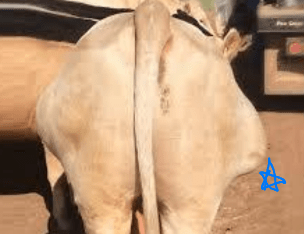
Lymphosarcoma (1-5% of animals show this primary sign)
(survives in the lymphocytes- blood borne disease)
- from the bovine leukemia virus- highly endemic in the states. infecting 94% of dairy herds and ~40-50% of individual dairy cows
- significant presence in beef cattle
300
This Orbivirus is transmitted by Culicoides, can have a 90% fatality rate in naïve animals, and may occur in pulmonary, cardiac, or mixed forms.
African Horse Sickness
300
Explain the purpose of the Rivalta test and how it can be used to screen for FIP
Used to differentiate between transudate and exudate; high protein and fibrinogen concentration and inflammatory mediators
300
Which is babesia? Anaplasma?
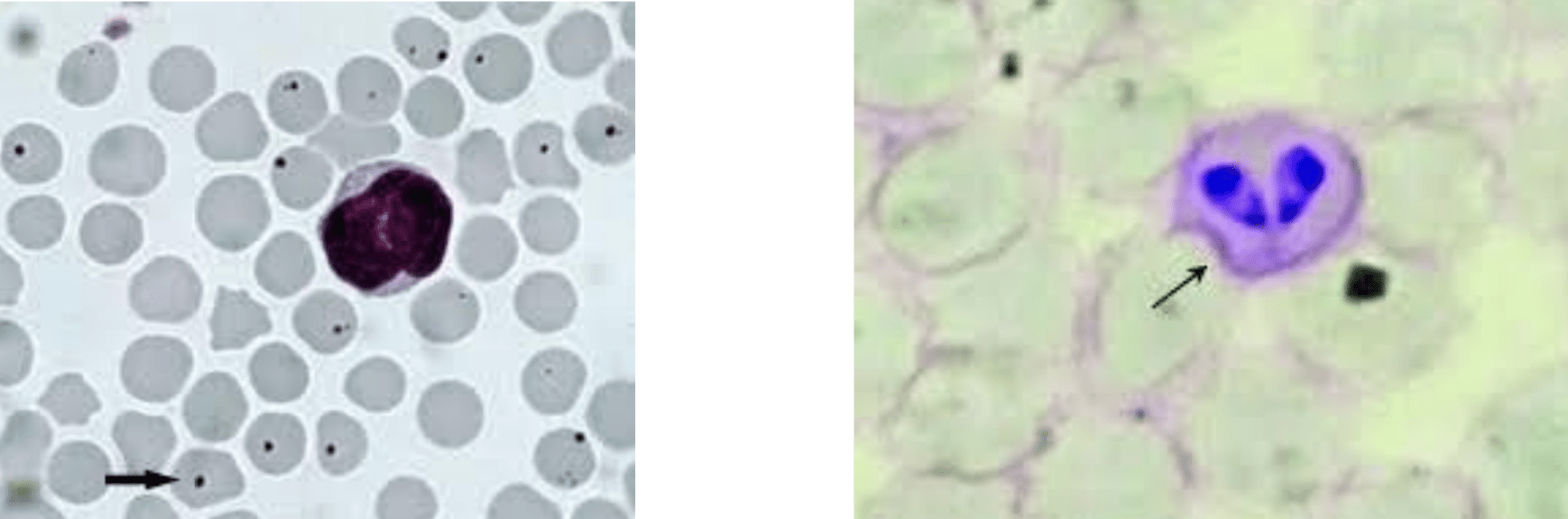
1. Anaplasma
2. Babesia (butterfly wings)(red water dz)
300
What are the different types of tick treatments available for production animals? Name 4.
Injectables (macrocyclic lactones), Pour-ons (macrocyclic lactones, permethrin/flumethrin), Spray applications (organophosphates/amitraz/deltamethrin), Dipping vats (organophosphates), Insecticide ear tags (localized treatment)
400
What viral families have replication in the cytoplasm?
Poxviridae, Paramyxoviridae (syncytia), Rhabdoviridae ("Negri bodies")
400
A farmer calls you out to look at his herd of cattle. He has noticed corneal opacities with mucopurulent discharge in some of the cows. Others have severe mucosal erosions. All cows with symptoms have a high fever- depressed mentation and obvious weight loss on examination. The first cow passed away 10 days after symptoms started.
The only changes on the farm was the recent introduction of goats to the field next to the cattle.
What disease could this be?
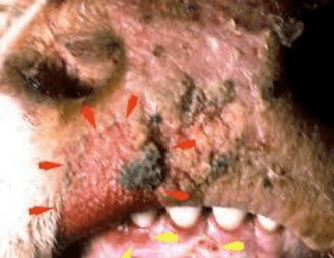
Malignant Catarrhal Fever
400
This reportable retrovirus causes infected horses to become lifelong carriers and may be transmitted by horseflies, deerflies, or contaminated needles.
Equine Infectious Anemia
400
Name the three phases of rabies and provide 1 defining clinical sign with each
Prodromal - vague and nonspecific signs
Acute excitative/furious - aggression, bearing teeth, growling, alert and anxious demeanor and posture, dilated pupils, swallowing foreign objects
Paralytic - ataxia and paralysis of throat and masseter muscles – similar to trigeminal neuritis
400
At what stage do babesia parasites infect the RBCs (the specific name of this stage of their cycle) and what stage are they called when they cause lysis?
1. Sporozoites
2. Trophozoites
400
What is the difference between intravascular and extravascular hemolysis?
Intravascular: w/in blood vessels where hemoglobin is released into the blood stream. - Can cause hemoglobinuria (babesia, copper toxicity, lepto, post-parturient hemoglobinuria)
Extravascular: hemolysis in the spleen/ liver (breakdown outside of blood vessels). - Can cause bilirubinuria (anaplasmosis, mycoplasma spp., brassicas)
500
What viral family causes paracrystalline arrays in the cytoplasm of infected cells? (family of the African Swine Fever)
Asfaviridae
500
You visit a farm that has recently had cows become ill. Developing swollen conjunctivae, redness, scaling of the nose and lips, stomatitis and oral/ nasal erosions.
You immediately notify the correct authorities and send out testing. It thankfully comes back negative for bluetongue virus. What else could this disease be?
(the farmer is struggling keeping resident deer herds away from his pastures)
Epizootic Hemorrhagic Diarrhea
Also - BVD, FMD, IBR, Vescicular stomatitis, malignant catarrhal fever
500
This reportable BSL-4 zoonotic virus has bats as its reservoir, occurs in Australia, and can cause respiratory and neurologic disease in horses.
Hendra virus
500
How do we classify FeLV infections? Briefly describe the pathogenesis for each
Abortive - the infection "never takes hold" and a chronic infection is not established due to strong immune response
Regressive - provirus becomes integrated into host genome, but low risk of reactivation means chronic clinical signs (beyond 3 months) are unlikely
Progressive – bone marrow infection, inadequate immune response means infection spreads through body and has high risk of spreading to other animals and developing clinical signs
Focal infection - virus remains in some tissues but does not spread
500
1. What strain of bacteria is most pathogenic causing bovine anaplasmosis? (What type of hemolysis is most common?)
2. What strain affects small ruminants?
1. A. marginales
- Extravascular (Liver/spleen)
2. A. ovis
500
Name a reportable equine vector borne disease and its associated vector
Equine infectious anemia (EIA) - horseflies/deerflies
African Horse Sickness - Culicoides (midges)
West Nile Virus - mosquitoes