Haitian Revolution
IR
Belgian Congo
WWI
Primary Source
100
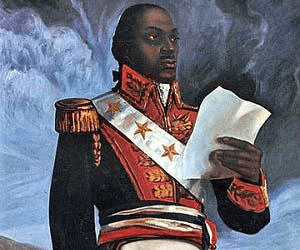 This man lead a slave revolt in Haiti in 1791
Toussaint L'Ouverture
100
This was the "putting out system"
people working in small groups, in their homes, weaving cloth by hand
100
This person was the King of Belgium and owned Congo as his own personal property.
King Leopold
100
These were examples of modern weapons used during WWI
machine guns, artillery (with exploding shells), mustard gas
100
John Locke believed the purpose of government was this.
To protect people's property.
200
These were the 3 groups of people in Saint Domingue before the revolution
whites, free people of color, and slaves
200
What big change did water powered machines cause?
Workers went from working at home to working in factories
200
He was the first white man to travel to Congo and bought land for King Leopold
Henry Stanly
200
This is when all parts of society are dedicated to the war effort
total war
200
Michael Sadler learned this in his investigative report
factory workers received low wages and children were forced to work to help support their families
300
This group rebelled first after hearing about a revolution in this France
free people of color
300
James Watt did this in the 1760s
Improved earlier designs of the steam engine
300
This happened at the Berlin Conference
European leaders met and divided up African territory but no African leaders were present at the meeting. 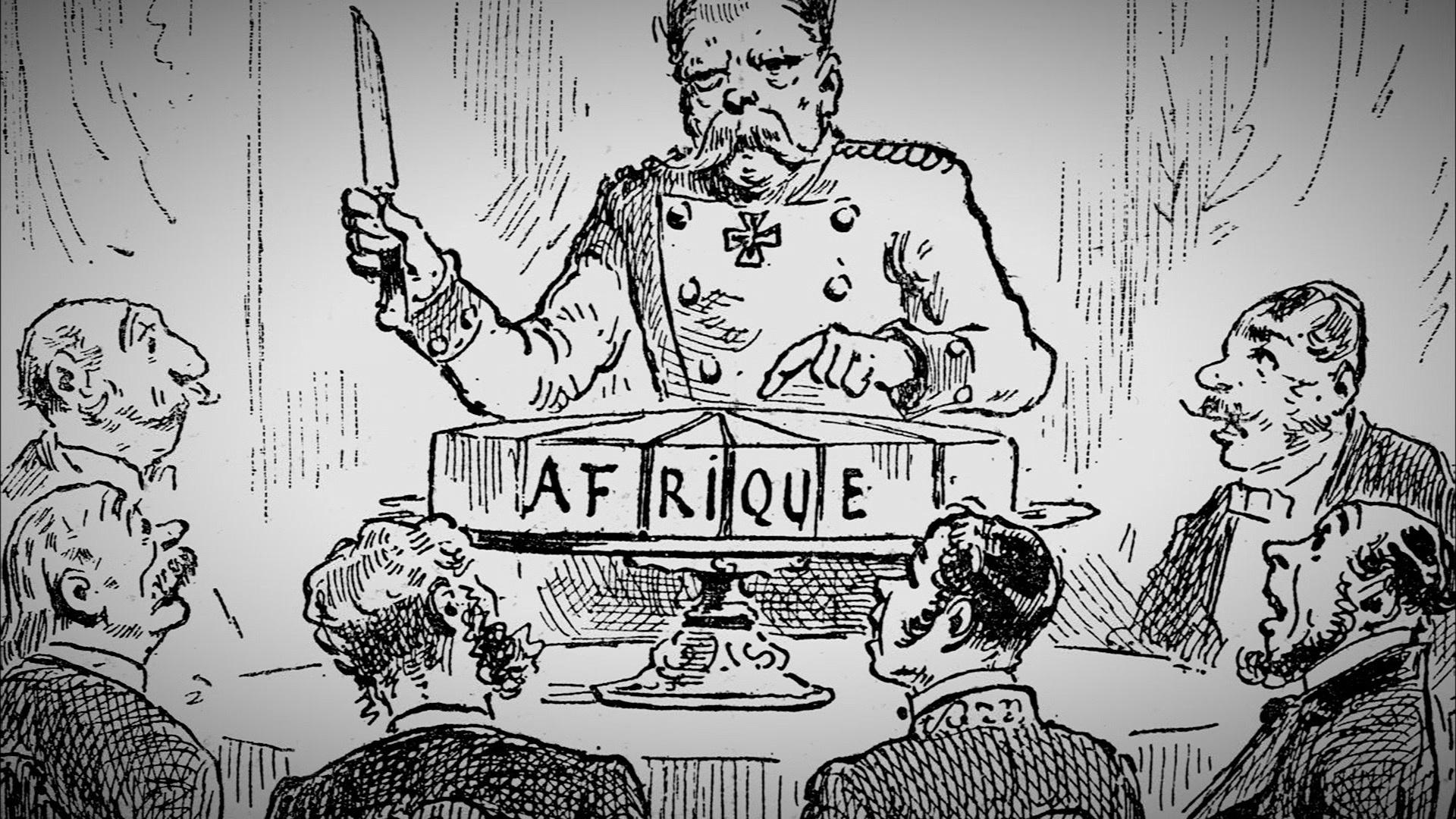
300
These were weapons used in wars before WWI
Muskets and cannons (non-exploding shells)
300
The political cartoon "In the Rubber Coils" shows this 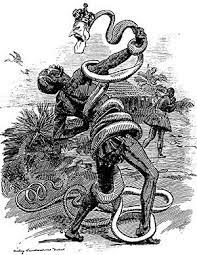
a snake representing King Leopold attacking a Congolese man
400
This person kicked the French out of Saint Domingue and declared Haiti an Independent country.
Jean-Jacques Dessalines
400
The invention of the steam engine was significant for this reason.
Steam engines didn't need flowing water to power the factories so factories were now built in cities rather than in the countryside.
400
This was the rubber tax
Congolese people were forced to harvest rubber and if they didn't collect enough they would be killed or mutilated.
400
This is the definition of a static war of attrition
When neither side is moving and both sides are trying to kill as many enemy soldiers as possible
400
This was a philosophical movement
The Enlightenment
500
This was the year that Haiti was declared independent
1804
500
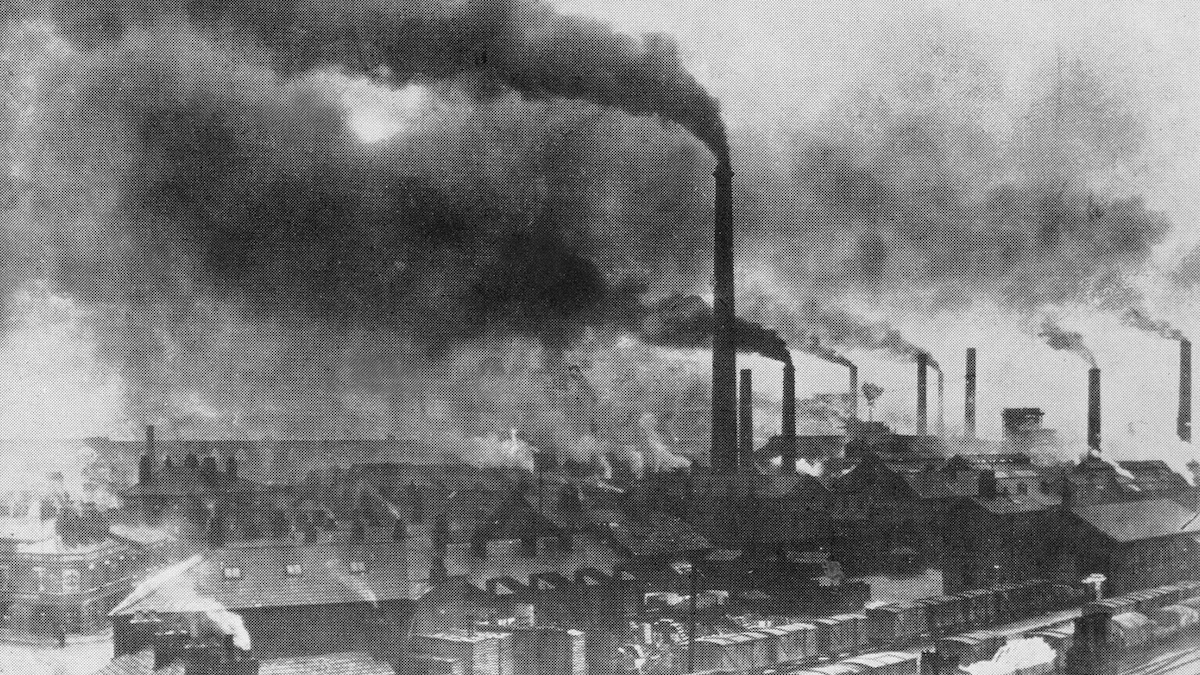
These were 3 advantages for factory owners of moving factories from the countryside to cities.
More workers
Easy to get raw materials
Easy to ship out finished products
500
This was W.H. Sheppard's job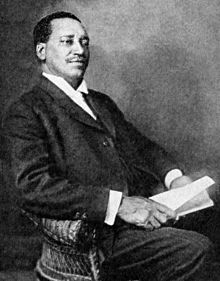
A Christian Missionary
500
Otto Von Bismark wanted to avoid this so he signed a secret treaty with Russia
A two-front war
500
This was the name of the illustrator of the political cartoon "In the rubber coils"
Linley Sambourne