Calculations
Radiology
Roll the dice
Pharmacology
Medicinal Plants
100
Calculate the absolute neutrophil count for this 26 yo F patient with non-Hodgkin's lymphoma receiving R-CHOP therapy.
WBC: 2,600
Neutrophil %: 19
Band %: 2
ANC = 546
Formula: 10 X WBC x (%PMN + %bands).
Neutropenia: ANC <1,500 cells/mm3
- Mild neutropenia: 1,000-1,500 cells/mm³
- Moderate neutropenia: 500-999 cells/mm³
- Severe neutropenia: <500 cells/mm³
Neutrophilia: ANC >7,700 cells/mm3
Bonus: When would this be considered febrile neutropenia? What is the treatment?
100
Name the radiologic finding AND one explanation for why it is there.
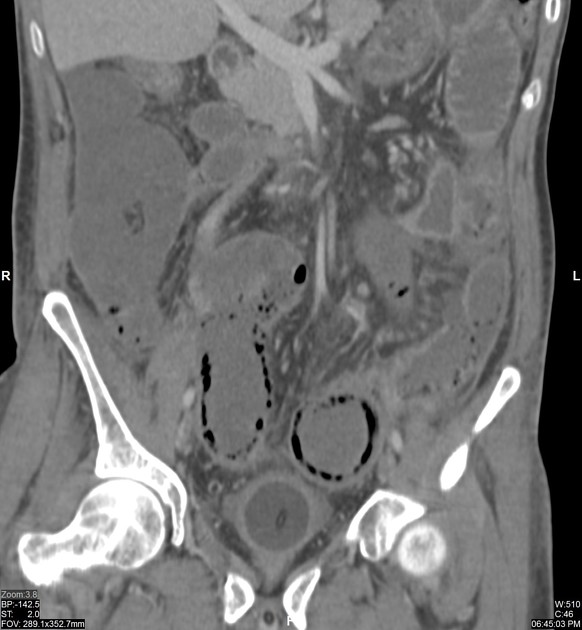
Pneumatosis intestinalis.
Intestinal ischemia, obstruction, enteritis/colitis, toxic caustic ingestion, toxic megacolon, organ transplantation, and collagen vascular disease.
100
Name two causes of systolic heart failure.
1. CAD (40%)
2. Dilated cardiomyopathy (30%)
3. Valvular disease (15%)
4. Hypertensive heart disease (10%)
5. Restrictive cardiomyopathy (<1%)
100
Name three anti-hypertensive classes indicated in first-line management of hypertension.
Calcium-channel blocker
ACEI
ARB
Thiazide diuretics
100
Salicylic acid is derived from which medicinal plant?
Extract from the bark of the willow tree. 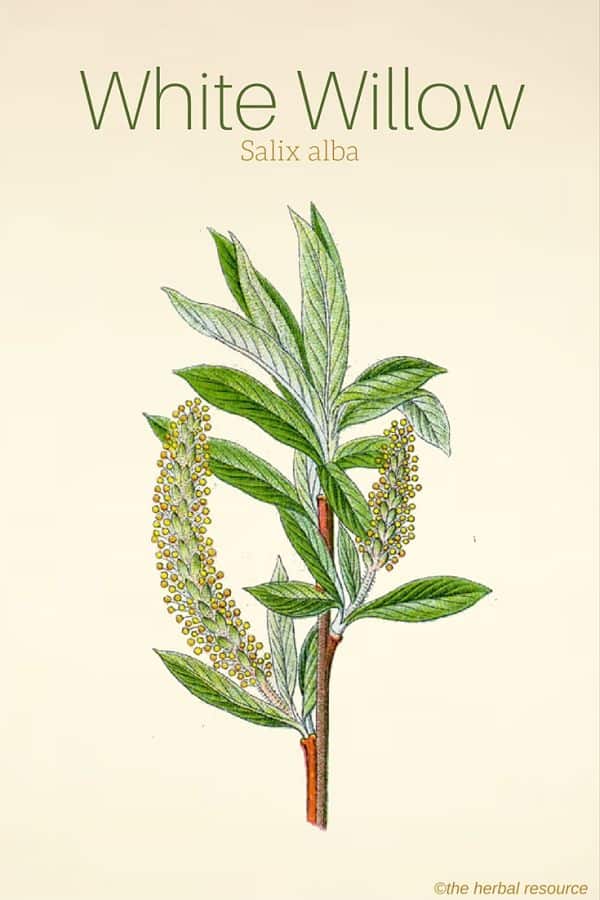
200
There are five accepted formulas for the correction of the QTc interval. Name two of the authors/eponyms.
Bazett, Fridericia, Framingham, Hodges, Rautaharju.
Bonus: Why do we use this? What should we do if it is prolonged?
Note: QTc is affected by electrolyte abnormalities, intrinsic cardiac disease, central causes, and medications. Do not forget genetic associations also.
200
This is the radiograph of a 60 yo F in the ICU with SpO2 82% on 10 L/min NC, T=38.9, RR=36, right basal rhonchi, dry cough x1 week, green productive mucus. Three days ago she was bathing in a locally revered natural fountain known for its anti-aging properties. Workup negative for viral panel including COVID. Other labs reveal leukocytosis, new onset renal failure, and hyponatremia.
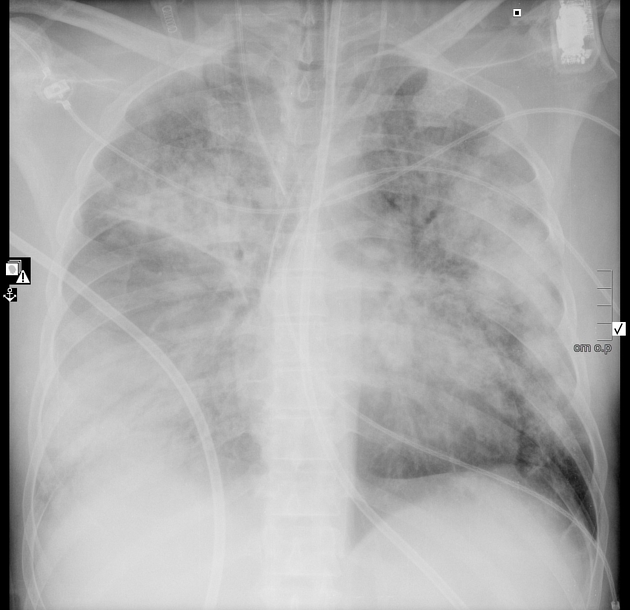
What is this patient's diagnosis AND what test would you send to test for it?
Legionella pneumonia. PCR of lower respiratory tract sample OR urine antigen testing.
Tx with levofloxacin/azithromycin for a minimum of 5 days.
200
Large granules in phagocytes associated with immunodeficiency are associated with which disease?
Chediak-Higashi disease: congenital failure of phagolysosome formation.
200
Topoisomerase II inhibitors such as etoposide are used prominently in the treatment of various cancers such as testicular, prostate, bladder, stomach, and lung cancer. Name their most common adverse effect.
1. Alopecia.
2. Myelosuppression.
3. Hypersensitivity reaction.
200
This plant is one of the oldest homeopathic remedies, key in Chinese medicine.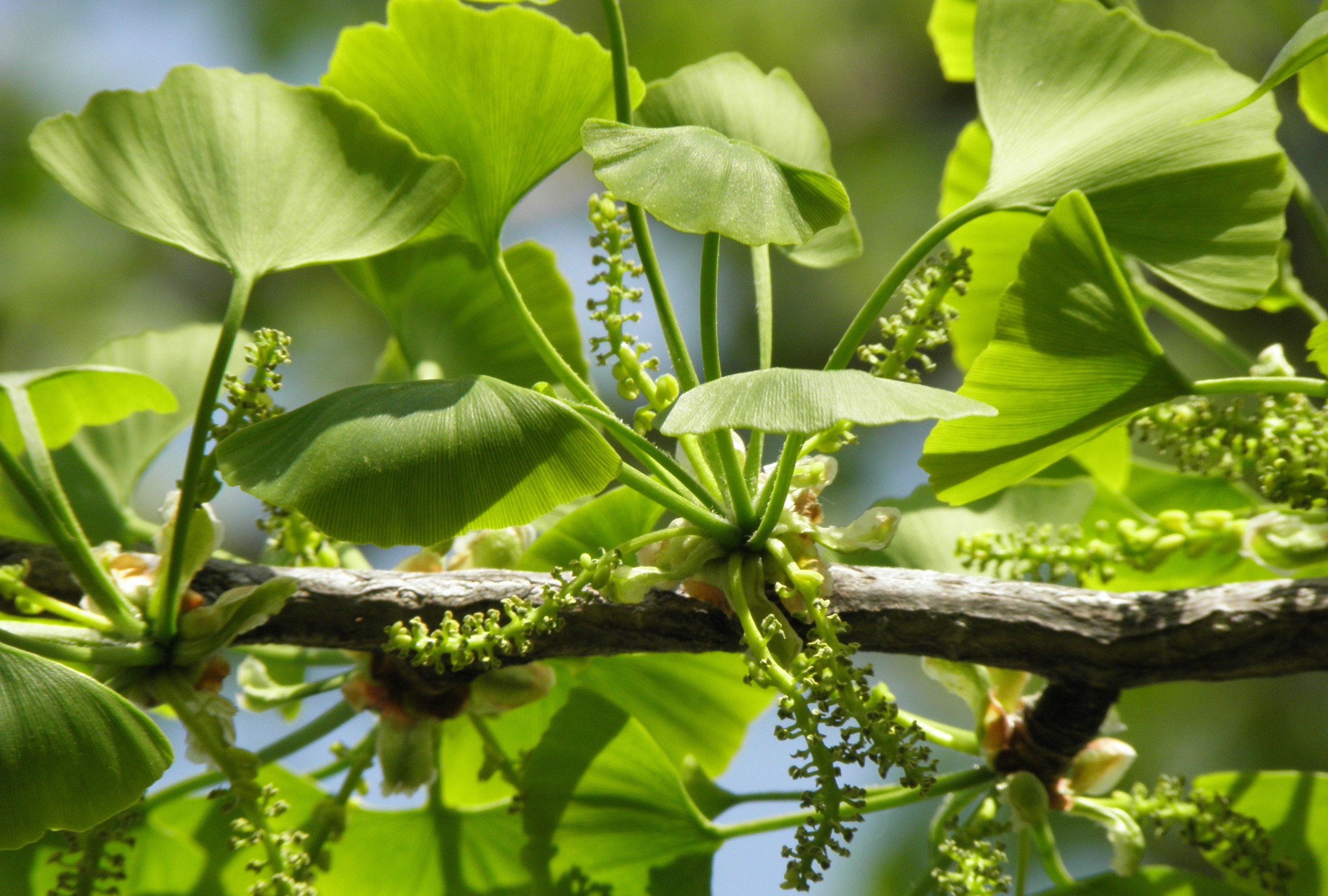 It can be consumed as tea. It is thought to boost brain health, with some people claiming it helps with Alzheimer's.
Gingko Biloba.
Bonus question: it has a common interaction with which medicine?
Increases chances of thyroid and liver cancer in rat models. Some data that it may affect liver enzymes. Large amounts are toxic and can even induce seizures.
300
Calculate the LDL of this patient whose lipid panel only returned partial results:
57 yo M with HTN, HLD, and T2DM on lisinopril, atorvastatin, metformin, and semaglutide.
Total cholesterol: 359
HDL: 20
LDL: ?
TG: 247
~290
This is known as the Friedewald formula:
LDL = total cholesterol - HDL - (triglycerides/5)
Note: It can be inaccurate when TG levels are extremely high (>400), as well as high total cholesterol levels.
300
This is a 60 yo M with PMH of rheumatic fever, HLD, and GERD who presents with one day of shortness of breath, dry cough, and a new murmur.

What is the diagnosis?
Acute mitral valvular regurgitation due to prolapse causing asymmetric right upper lobe pulmonary edema.
300
Name three causes of rhinitis.
1. Nonallergic. Vasomotor, gustatory.
2. Allergic. Seasonal, perennial.
3. Occupational. Animal handlers, food processors, wood workers.
4. Rhinitis medicamentosa. Cocaine use, regular nasal decongestant use.
5. Pregnancy.
6. Systemic disease. Hypothyroidism, Wegener's granulomatosis, sarcoidosis.
7. Systemic medications. OCPs, sildenafil, clonidine.
300
This oral anti-hypertensive medication is also indicated for the treatment of androgenic alopecia and 1/5th of patients are noted to develop hypertrichosis.
Minoxidil.
300
These purple coneflowers have been used for centureis in the form of tea, juice, extracts, and now powders/supplements. They are thought to reduce symptoms of the common cold and even boost immunity. Some of the earliest people to use this were Native Americans.
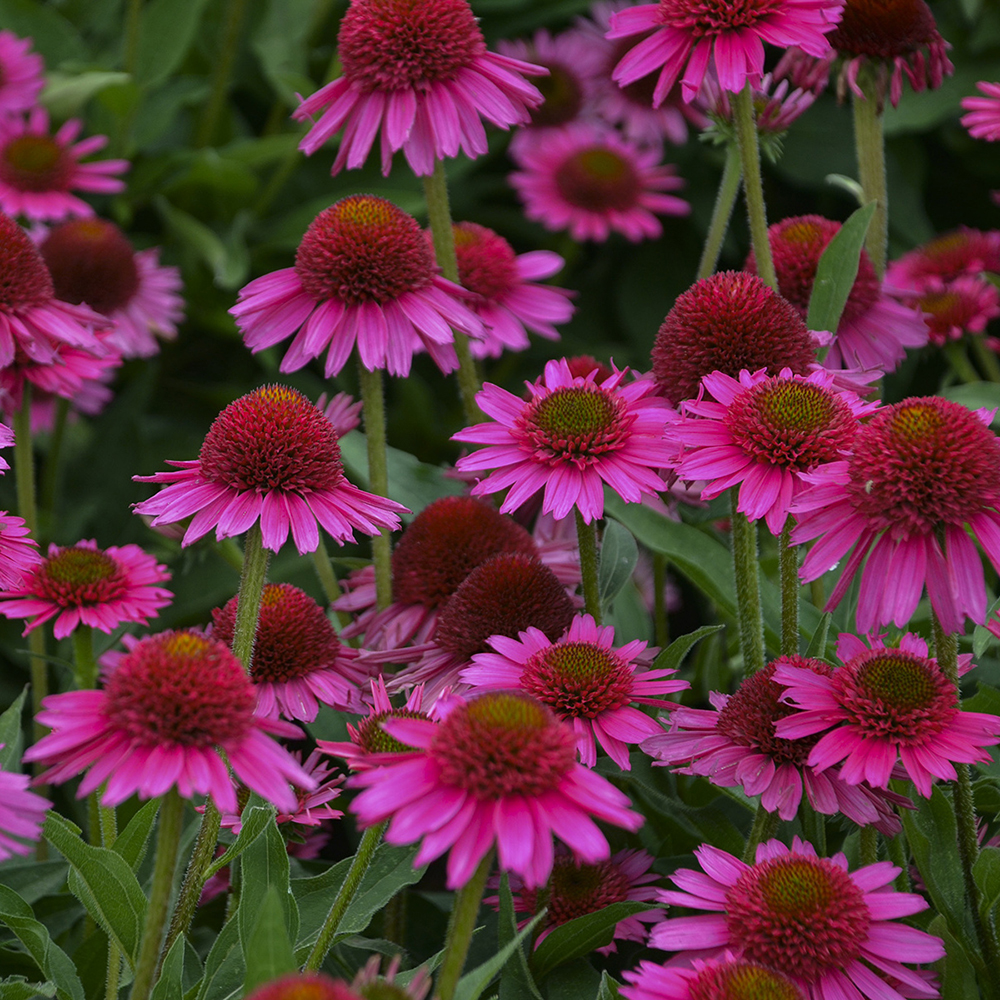
Echinacea purpurea.
Note: It can cause significant GI upset and even allergic reactions.
400
Name three of the five criteria for determining a Child-Pugh-Turcott score.
Total bilirubin.
Albumin.
INR.
Ascites.
Encephalopathy.
MeldNa: uses Cr, Tbili, INR, Na, and whether patient is on hemodialysis.
400
This is a 42 yo M who, while building a treehouse for his kids, fell and struck his head. This was found on incidental head imaging.
What is that thing AND what is the prognosis?
Bone island/enostoses. Also called osteoma.
These are benign and slow-growing lesions. Surgical resection is considered when they become large and affect breathing/hearing/vision.
400
Most appropriate treatment for poison ivy.
21 day taper of oral prednisone.
400
Name all of the indications for SGLT2 inhibitors.
1. T2DM.
2. T2DM with underlying cardiovascular disease.
3. HFrEF and HFpEF.
4. Chronic nondiabetic kidney disease with proteinuria.
400
These purple tubular flowered plants, otherwise known as foxgloves, are native to Europe, western Asia, and northwestern Africa.
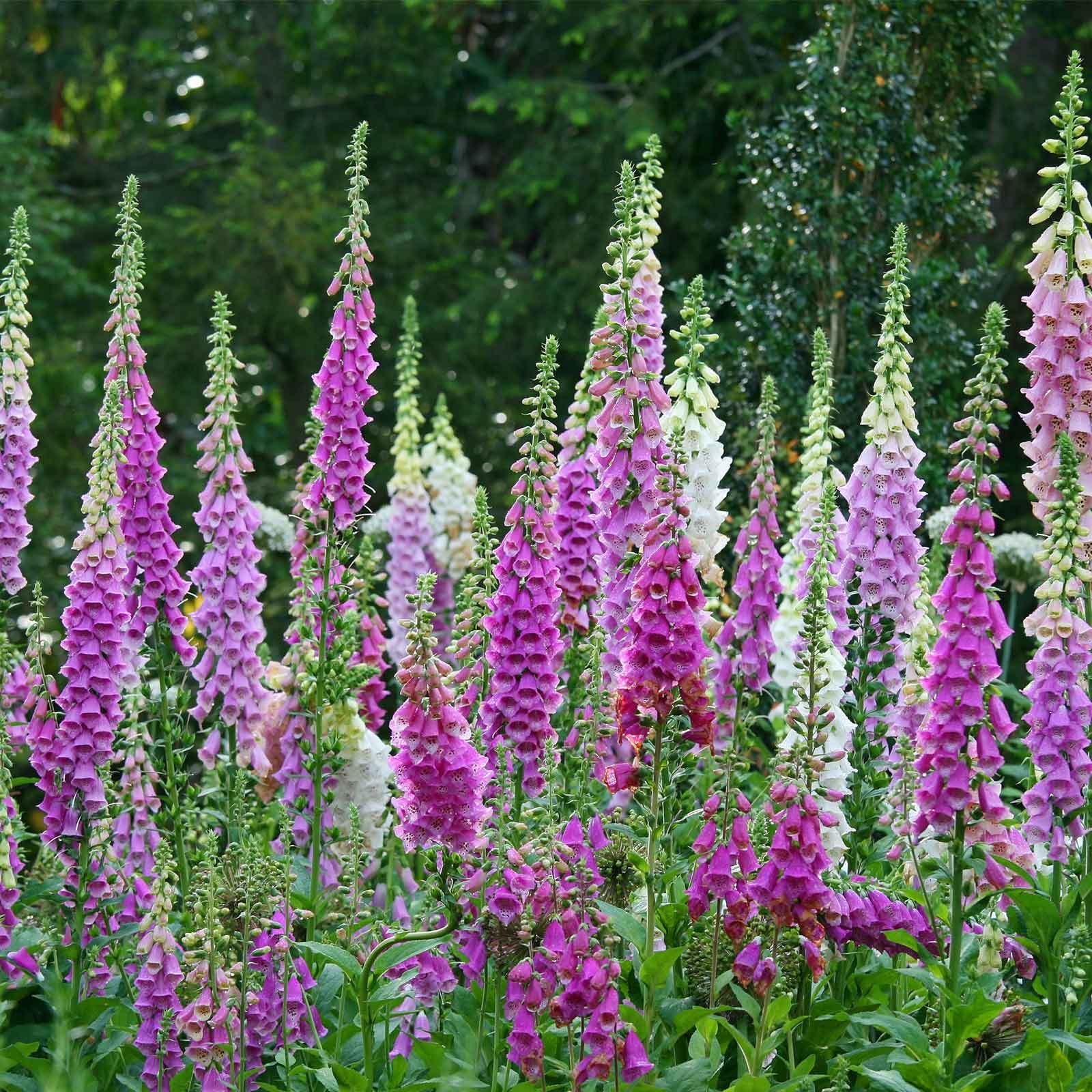
Its best-known species, ___ can be used in a drug preparation containing a cardiac glycoside that is used for these two labeled indications. Name them.
Digitalis purpurea.
1. Heart failure with reduced ejection fraction.
2. Certain supraventricular tachyarrhythmias, namely atrial fibrillation and atrial flutter.
Note: Digoxin has positive inotropic, neurohormonal, and electrophysiologic actions.
Bonus question: What comorbid conditions will affect how you dose this medicine? There are several.
500
!!!acid-base question!!!
Work it up and name the disorder.
A 60-year-old man was recently in the hospital for treatment of aspiration pneumonia for which he as treated with levofloxacin and clindamycin. One week later, he presents to the ER with severe diarrhea, abdominal pain and hypotension.
He is admitted to the ICU:
Arterial blood gas shows:
pH 7.29
PCO2 25
PO2 89
HCO3- 10
Chemistry panel:
Na+ 129
Cl- 99
HCO3- 10
Glucose 135
Primary elevated anion gap metabolic acidosis with respiratory compensation and a concurrent non-gap metabolic acidosis.
He likely has sepsis from C. difficile colitis as the cause of his elevated anion gap acidosis. The non-gap acidosis may be from his severe diarrhea (a source of bicarbonate loss).
500
This is a 25 yo M with acute periumbilical abdominal pain then shifted to the right iliac fossa. The appendix is noted to be normal.
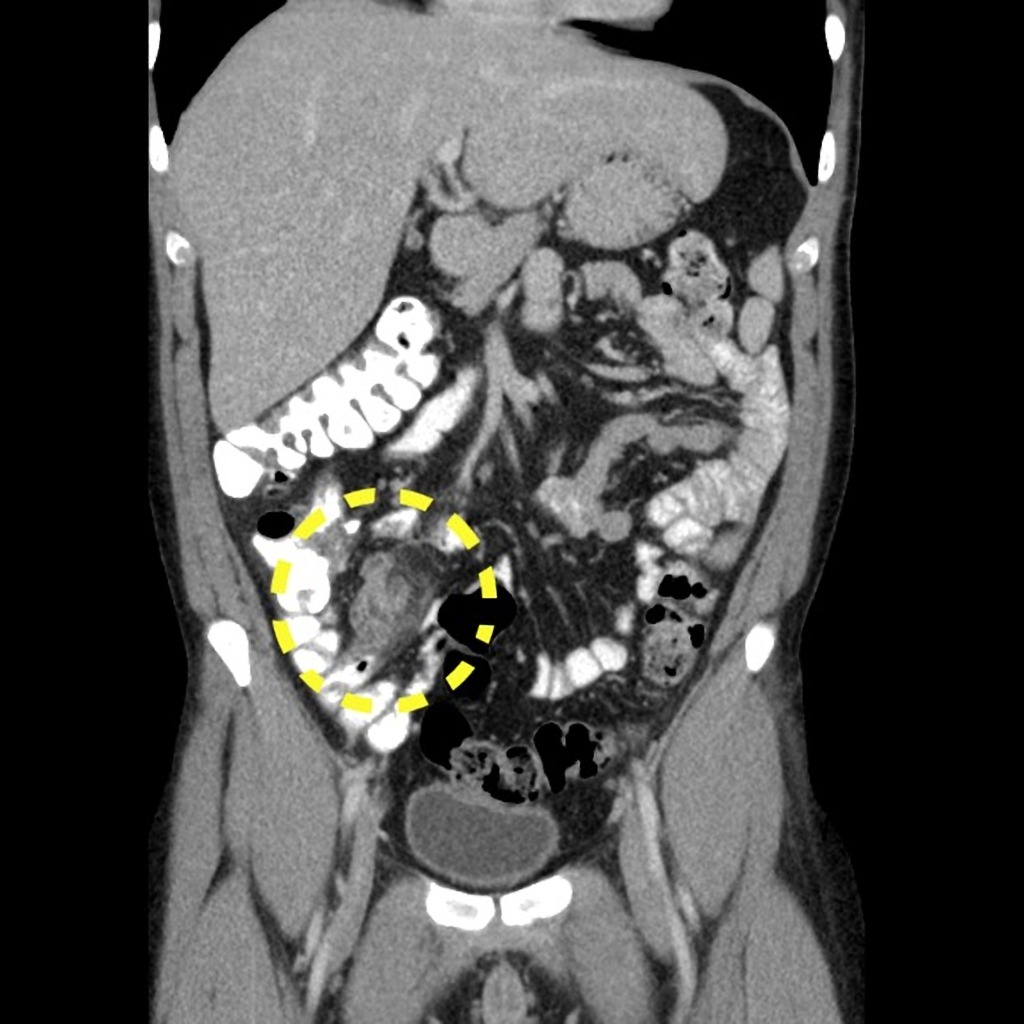
What is the diagnosis?
Meckel's diverticulum causing intussusception (also seen in mass lesions).
Note: In adults cusually silent, but can present with GI bleeding, obstruction, or perforation.
500
This syndrome is a variant of Guillain-Barre syndrome and is characterized by ophthalmoplegia, areflexia, and ataxia. These patients commonly have weakness of the respiratory system, and involvement of lower cranial and facial nerves, and usually does not result in motor weakness of the limbs. Name it AND the antibody you should test to diagnose it.
Miller Fischer variant.
Anti-GQ1b antibody.
500
What drugs do you use to treat amyotrophic lateral sclerosis?
Sodium phenylbutyrate-taurursodiol (PB-TURSO), in addition to riluzole and edaravone.
500
This anthraquinone stimulant laxative is a plant-derived agent that induces peristaltic activity in the intestine via direct action on intestinal mucosa/nerve plexus. It originates commonly in China and other regions of Southeast Asia, including Polynesia. Which plant is this and what drug is derived from it?

Cinnamomum cassia.
Note: The drug is sennosides A and B.