Galaxies
More Galaxies
Vocabulary
Stars
Stars and Nebulae
Constellations
100
Our galaxy is what type of galaxy (not its name)?
Spiral Galaxy
100
what type of galaxy is pictured?
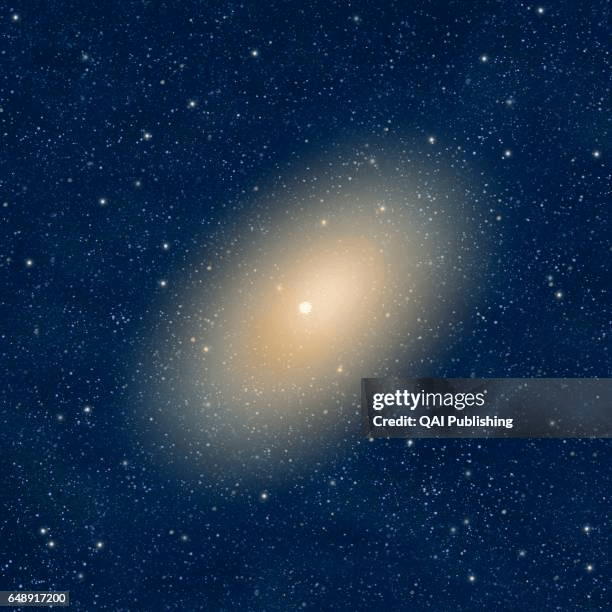
Elliptical galaxy
100
The asteroid belt, Uranus, Pluto...
These are examples of space objects that aren't visible from our planet and have been discovered using forms of technology.
These would be considered...
not K.F.A.
not known from antiquity
100
The closest star to Earth is...
The Sun (Sol)
100
This smaller, more spherical nebula, resulting from the death of a medium-sized star, is called a _________ nebula.
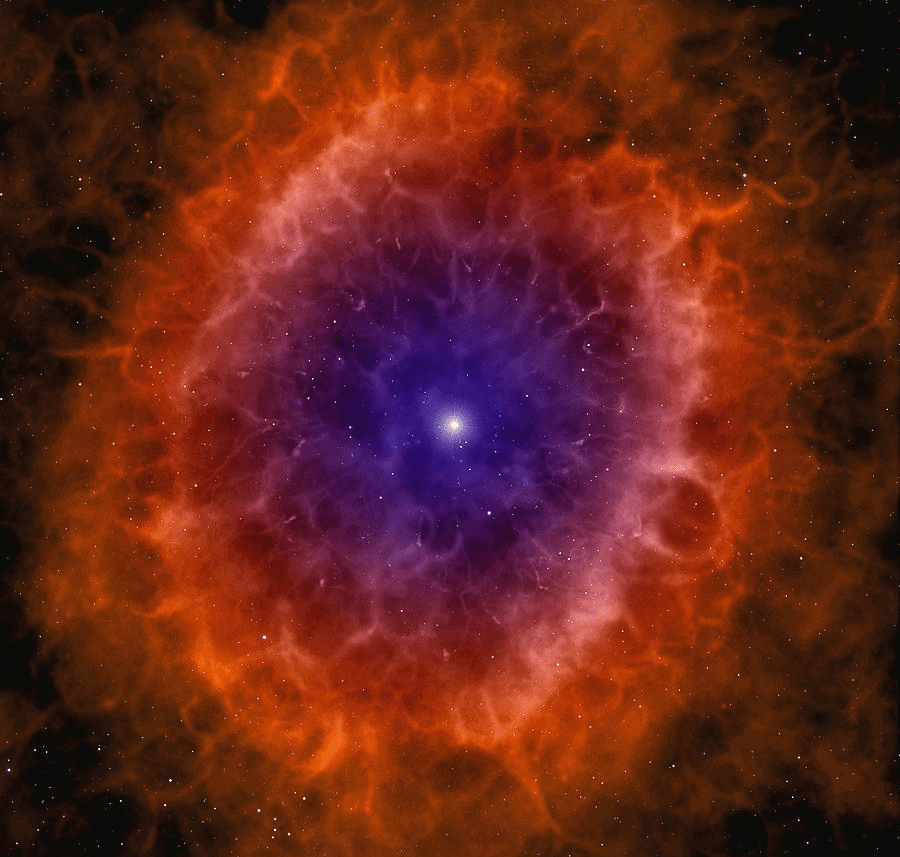
Planetary Nebula
100
We can't see constellations such as Tucana, Octana, and Chameleon. Why not?
They are all in the Southern Hemisphere sky.
200
Our galaxy's name...
Milky Way
200
What type of star cluster is shown here?
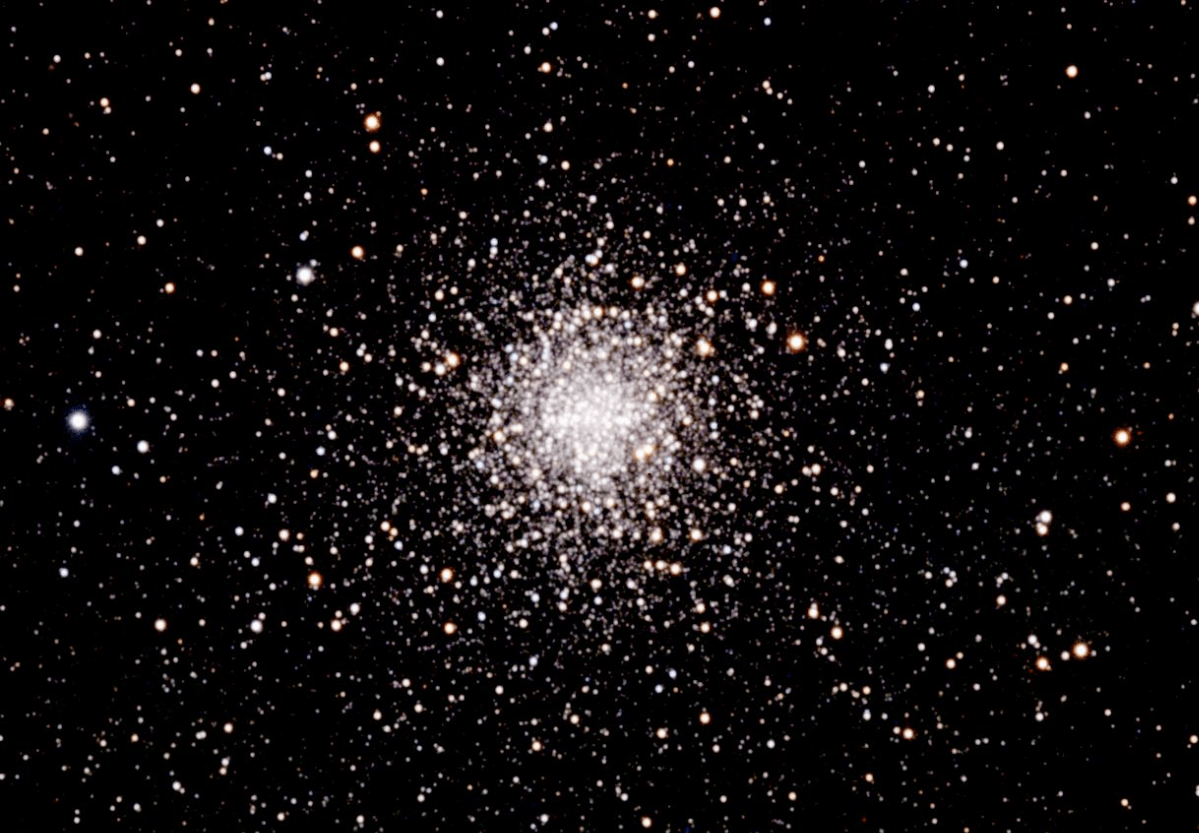
globular cluster
200
A scientist would use either of these words instead of 'brightness'.
Magnitude or Luminosity
200
What can we say with certainty about a star that is red?
It is relatively cool - compared to other stars
200
Our sun will swell to this type of star much later in its life...
red giant
200
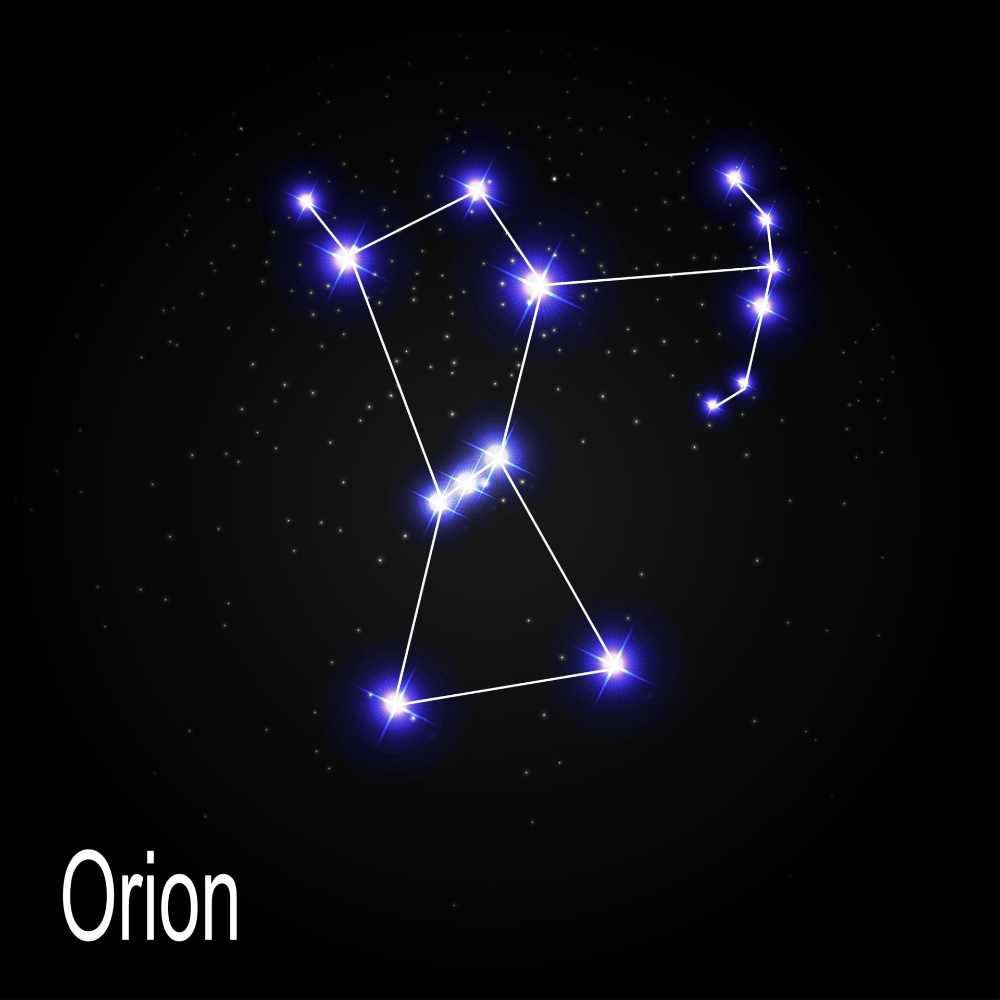
This is the constellation for which the ancient Egyptians might have used to inspire the positions of the great pyramids.
Orion
300
This is the astronomer who first realized in 1914 that that some of the 'stars' he was looking at were actually enormous groups of stars! Because of this, he realized that the sun was not the center of the cosmos...not even the center of the galaxy, in fact!
Harlow Shapley - In 1914, he proposed that the sun wasn’t exactly at the center of the cosmos, but instead toward the edge of our galaxy. Our galaxy is called The Milky Way after the Greek term Galaxias Kyklos, which means Milky Circle. This means that most people thought that the sun was at the center of the entire cosmos for 371 years (thanks Copernicus)!
300
What is different about the Andromeda Galaxy compared to all other galaxies in space?
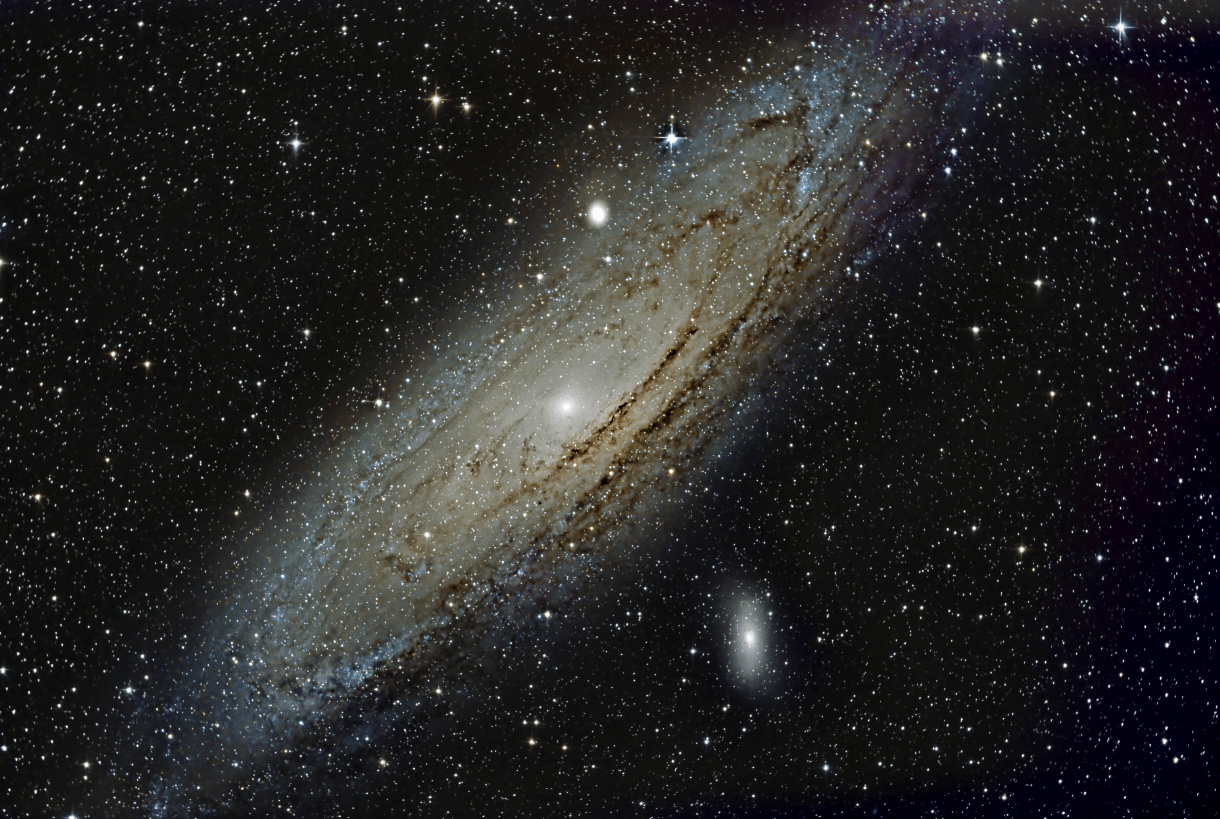
It shows a blue shift...is heading toward our galaxy...
300
This adjective can be used to describe anything in space.
For example, stars, planets, moons, asteroids, and comets are all ____________ objects.
Cellestial
(sel - est - ee - ul)
300
This is the name of the North Star
DAILY DOUBLE
Polaris
300
Which one of these is a planetary nebula?
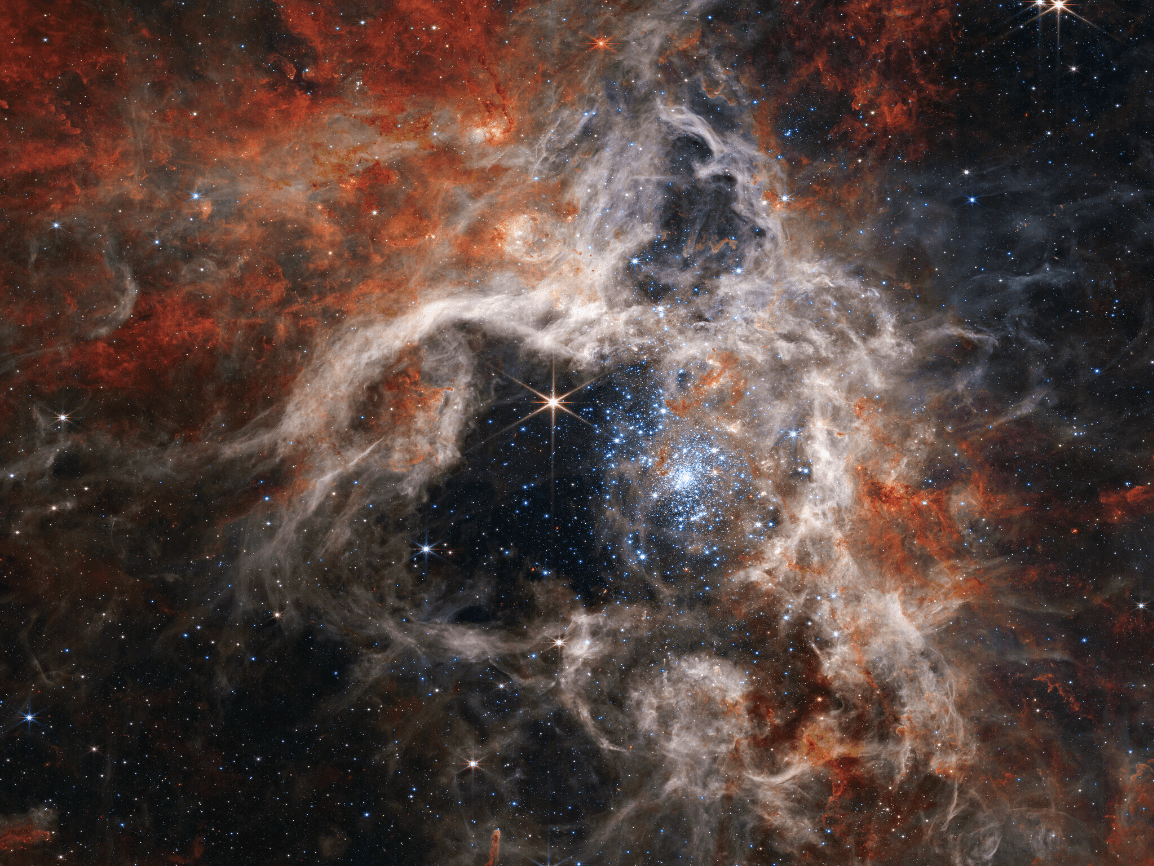
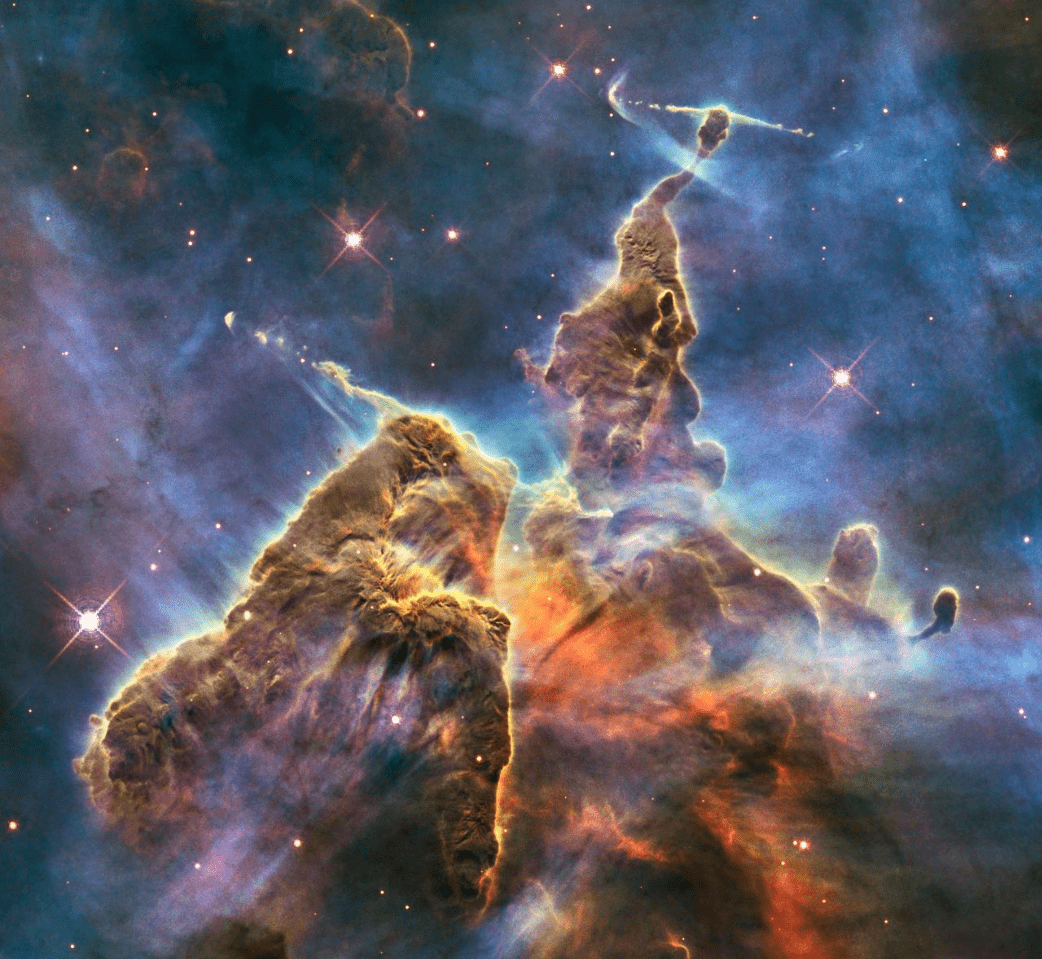
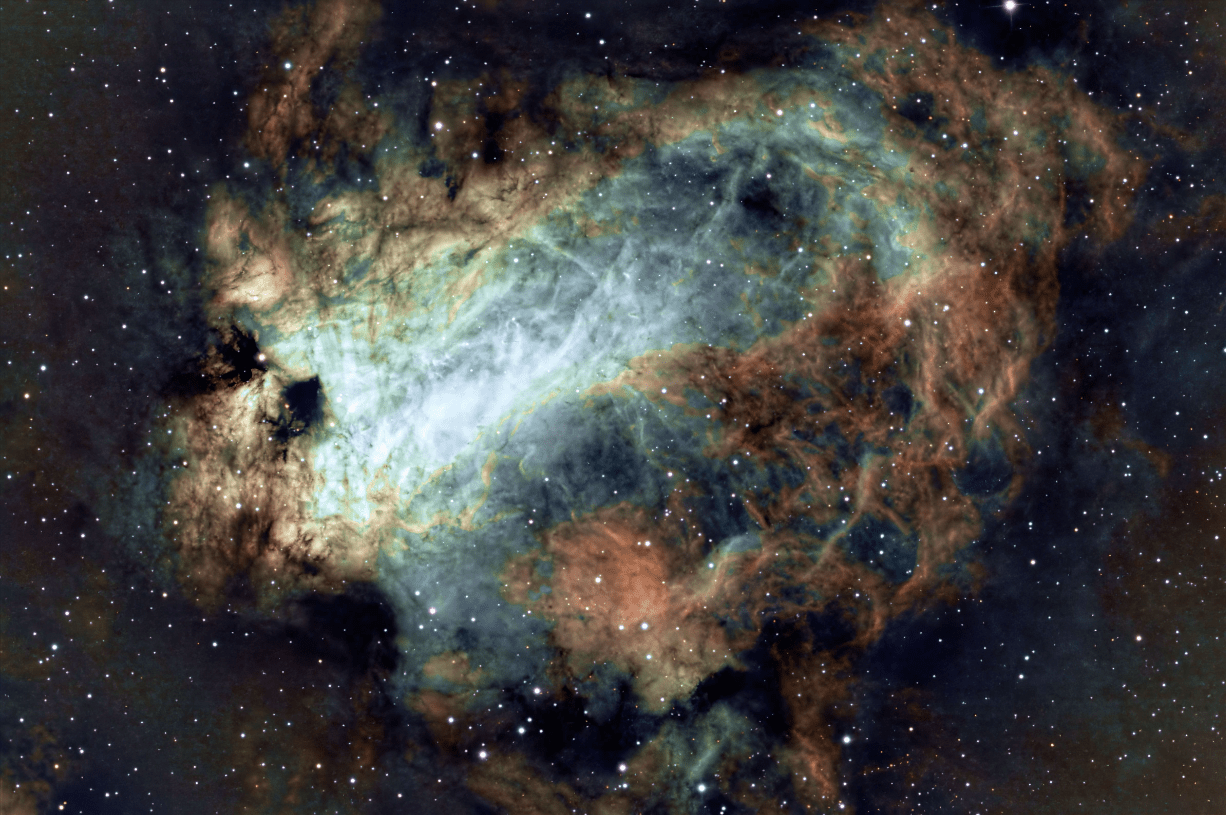
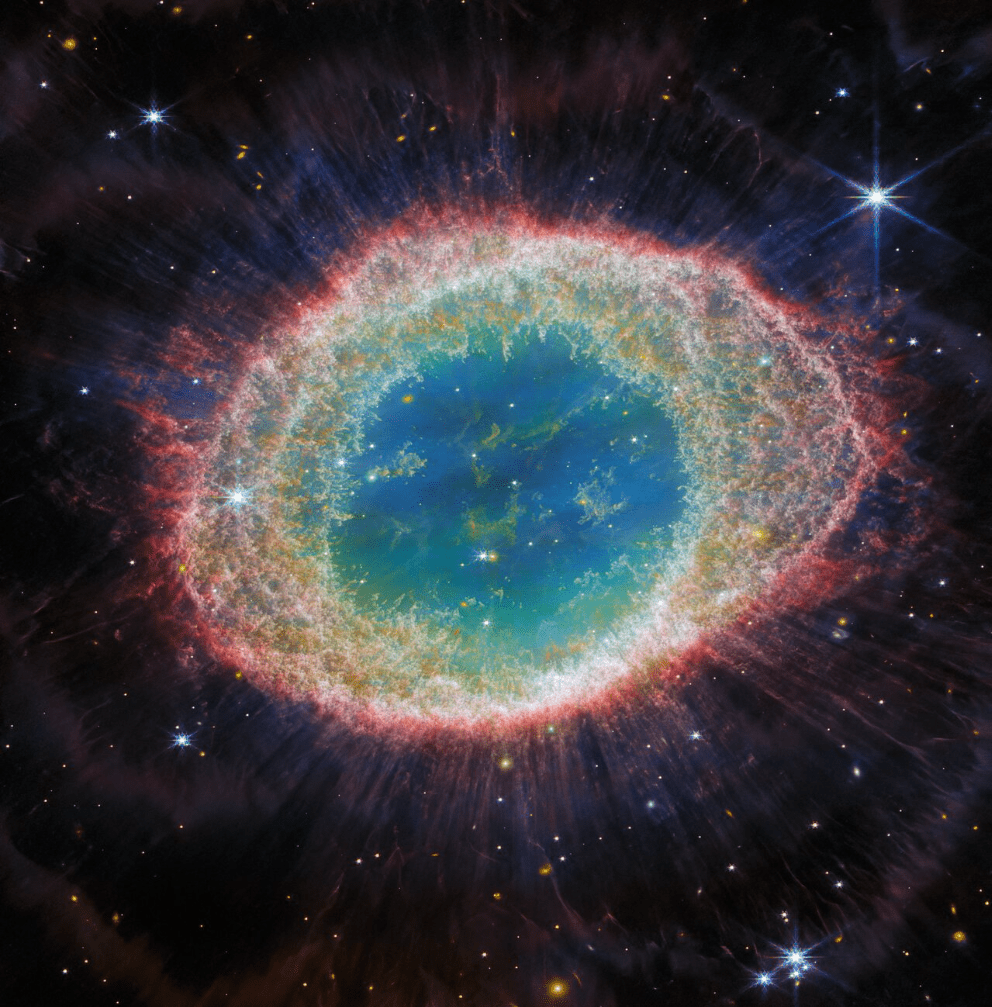
last one...

300
This constellation is home to Sirius, the brightest star in the Northern Hemisphere sky.
Canis Major...the big dog
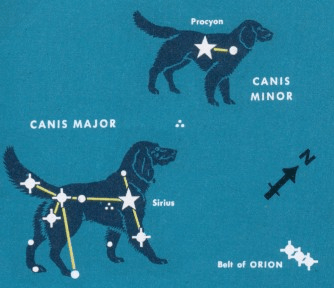
400
In ancient Greek, our galaxy would have been called...
Galaxias Kyklos (milky circle)
400
This type of galaxy is the result of two galaxies that have collided and created a very strange shape...
DAILY DOUBLE
Peculiar galaxies like the one shown below come about when two or more galaxies collide and create very strange shapes indeed.

400
This is an ancient word that means 'space' or 'universe'...
cosmos
400
What is the name of the brightest star in our night sky?
Sirius
400
This is the only image of this type of 'star' captured for the first time in 2019...
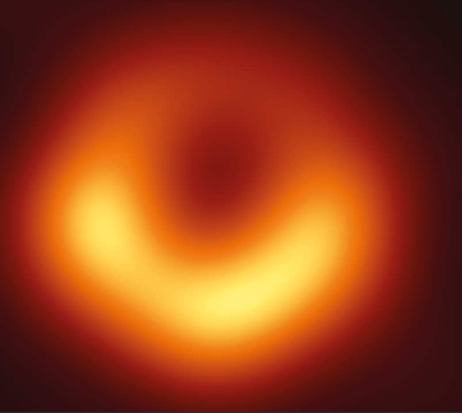
Black Hole (M87)
400
The Big and Little Dippers are actually parts of these constellations...
Ursa Major and Minor (The big and little bears)
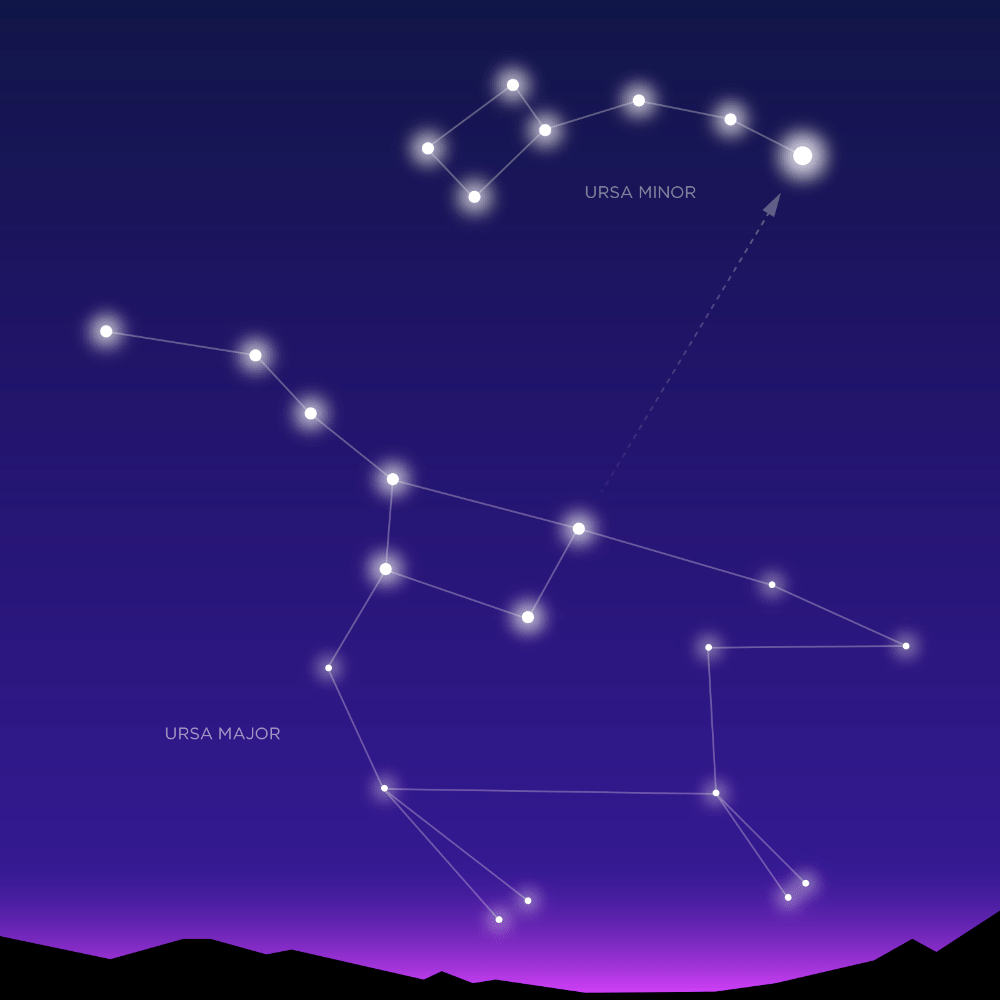
500
This type of galaxy has no definite shape. They are also among the oldest galaxies.
Irregular galaxies have no definite shape. UGC 5189 (shown below) has no definite shape. These galaxies are among the oldest in the universe and have lost almost all of the original energy that once held them together.

Galaxy IC 559 is also irregular.

500
This type of star neighborhood is much smaller than a galaxy and is comprised of hundreds of stars that are disorganized and not in any particular shape...
Open Star Cluster
500
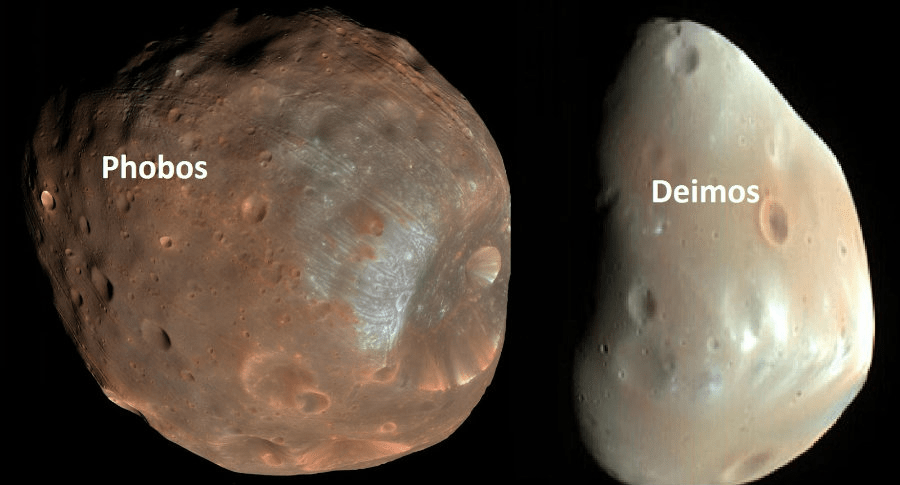
Mars's moons, Phobos and Deimos, clearly do not have...
Hydrostatic Equilibrium
500
The closest star (or star system) to Earth besides the sun is...
Alpha Centauri
Proxima Centauri (+ 100, Alpha Centauri is a triple star system. The actual star that is closest to us is Proxima Centauri.)
500
This type of star is actually the core of the star at the center of this nebula...
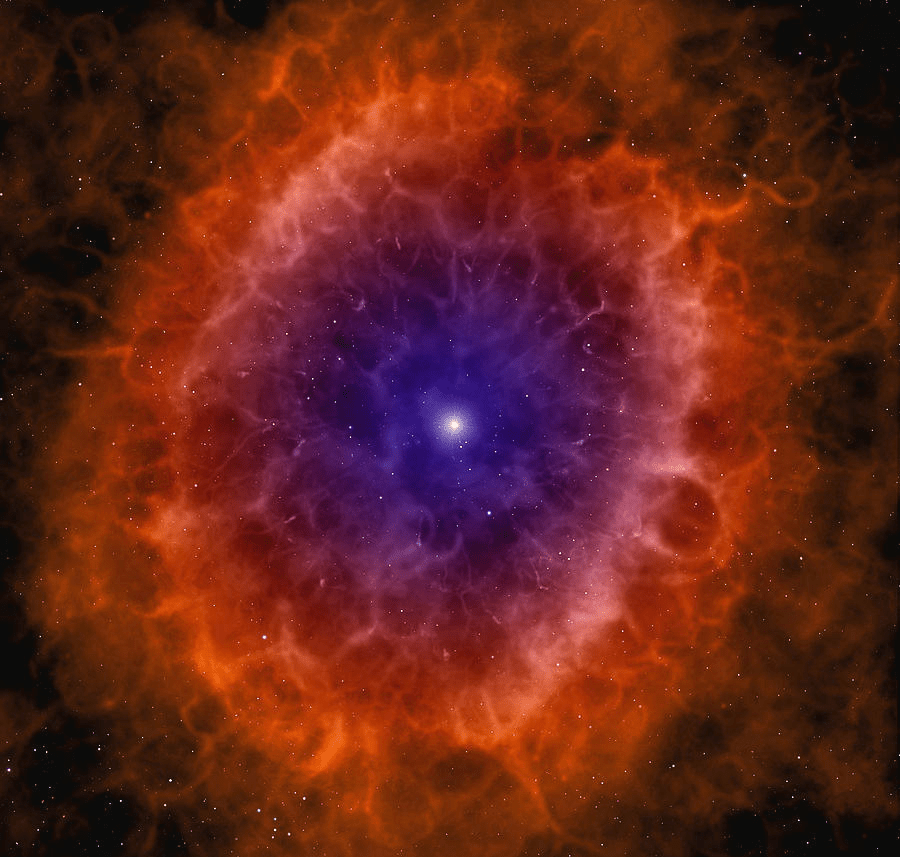
White Dwarf
500
These 12 (13 actually) constellations are in the night sky all around the equator. What are they called, collectively?
The Zodiac Constellations.
(Capricorn, Aquarius, Pisces, Aries, Taurus, Gemini, Cancer, Leo, Virgo, Libra, Scorpio, Sagittarius, Ophiuchus)