ICU
I Hear You
You're getting on my nerves.....
Take my breath away....
USPSTF
100
This reflex of the eye is a response that automatically occurs when you switch focus from an object that's far away to one that's closer
Accomodation - Normal response – pupillary constriction & thickening/curving of lens to increase focus
100
Proper positioning of the auricle when performing an otoscopic exam in adults
Up and back
100
Taste (posterior 1/3 of tongue); Somatosensory information from tongue, tonsil, pharynx; controls some muscles used in swallowing.
Glossopharyngeal (CN IX)
100
A high-pitched wheeze/ominous sign of upper airway obstruction in the larynx or trachea
Stridor
100
The USPSTF recommends 1-time screening for abdominal aortic aneurysm (AAA) with ultrasonography in this population (Grade B)
Men aged 65 to 75 years who have ever smoked.
200
Tool used to measure visual acuity
Snellen - Tool used to measure visual acuity with normal vision at a distance being set at 20/20. The numerator represents the distance that the patient is standing from the chart (in feet), while the denominator represents the distance from which a person with perfect eyesight is still able to read the smallest line that the patient can clearly visualize
200
Proper positioning of the auricle when performing an otoscopic exam in children
Down and back
200
Sensory, motor and autonomic functions of viscera (glands, digestion, heart rate)
Vagus (CN X)
200
Nonmusical, low-pitched sounds frequently produced during early inspiration and expiration that usually are a sign of turbulent airflow through secretions in large airways
Rhonchi
200
USPSTF recommends screening all adults in this age group for colorectal cancer (Grade A).
50-75 years
300
The change in pupil size in the eye opposite to the eye to which the light is directed
Consensual
300
Painful motion of the tragus/auricle is a common exam finding for this condition
Otitis Externa
300
Hearing; balance
Vestibulocochlear (CN VIII)
300
Complaints of dry cough, tachypnea, chest or pleuritic pain, fever, syncope and anxiety can be symptoms associated with this condition
Pulmonary embolism
300
The USPSTF recommends biennial screening mammography for women in this age range (Grade B).
40-74
400
This exam finding is commonly found in Grave's disease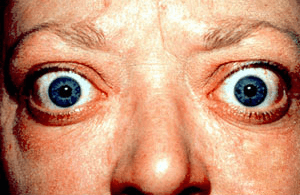
Exophthalmos
400
The patient reports hearing sound equally in each ear when performing this test, which is a normal finding.
Weber
400
Taste (anterior 2/3 of tongue); somatosensory information from ear; controls muscles used in facial expression
Facial (VII)
400
Abnormal lung sounds characterized by discontinuous clicking or rattling sounds during inspiration or expiration
Rales
400
The USPSTF recommends this annual screening for lung cancer in adults aged 50 to 80 years who have a 20 pack-year smoking history and currently smoke or have quit within the past 15 years.
Low-dose computed tomography (LDCT)
Screening should be discontinued once a person has not smoked for 15 years or develops a health problem that substantially limits life expectancy or the ability or willingness to have curative lung surgery.
500
This exam finding is associated with increased intracranial pressure and serious disorders of the brain.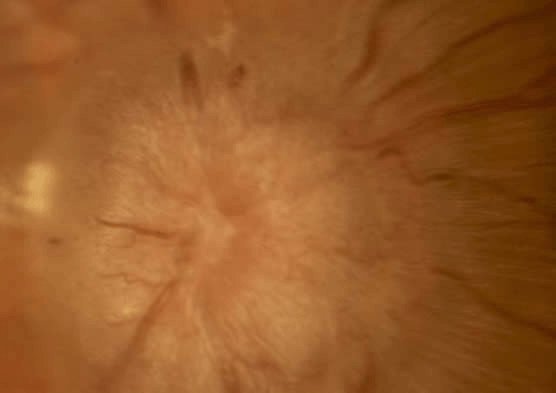
Pappiledema
500
Screening test for conductive hearing loss which compares perception of sound transmitted by air to sound transmitted by bone conduction via the mastoid
Rinne
500
Eye movement; pupil constriction
Oculomotor (CN III)
500
Heard with widespread narrowing of the tracheobronchial tree/diminished air flow
Wheezing
500
The USPSTF recommends screening for colorectal cancer in adults aged ___ to ___ years (Grade B)
45-49
Grade A recommendation - ages 50-75