Observations
Solubility
Conservation of Matter
Properties of Substances
Chemical Reactions
Final Questions
100
Make one relevant quantitative observations about this image.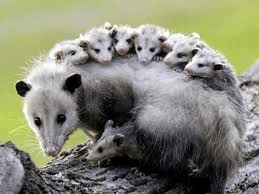
The opossum has 7 babies in all
The opossum has 6 babies on its back and 1 underneath it. 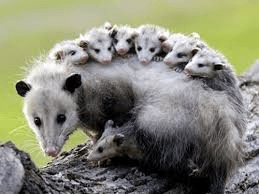
100
Name some substances that are not soluble in water.
Examples: oil, rocks, corn starch. 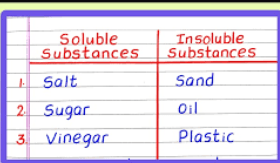
100
What is a reactant?
Reactants are the starting materials in a chemical reaction,
100
Name some properties of water.
Liquid at room temperature, clear odorless substance.
Puts out a flame.
100
Define a chemical reaction
Atoms rearrange to create a new substance
200
Make Two qualitative observations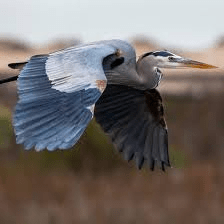 of this picture.
There is a picture of a bird flying.
The bird has large blue grey wings.
The bird has a long orange beak.
The bird has a long white neck.
200
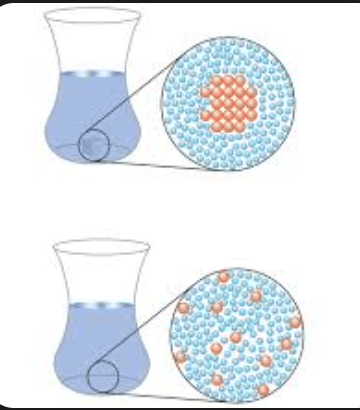
Is dissolving sugar in water a physical change or a chemical change? Answer and explain.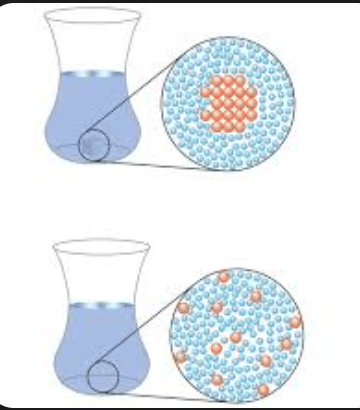
Physical. There is no new substance the particles just get mixed around.
200
State the law of conservation of matter in one sentence
Double Jeopardy Question
Matter is neither created nor destroyed during a chemical reaction; total atoms remain the same.
200
Name some properties of carbon dioxide.
Odorless, puts out a flame, invisible, denser then air.
200
Name signs (evidence) of a chemical reaction?
Bubbling, smoke, a smell, a solid appears, a color change.
300
What is a relevant observation about this reaction?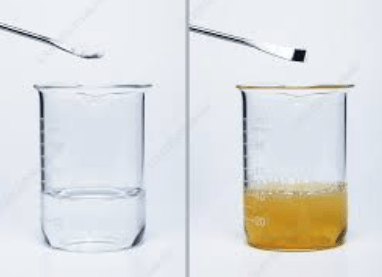
The liquid turned orange
300
A student mixes two clear solutions and the mixture becomes cloudy and gives off a smell. Which observation(s) indicate a chemical reaction and why?
Cloudiness (precipitate) and smell are evidence of chemical change; cloudiness indicates new solid, smell indicates new substances/volatiles.
300
In a closed system, the total number of atoms before and after a chemical reaction is expected to: increase, decrease, or stay the same? Explain briefly.
Stay the same — atoms are rearranged into new substances but not created or destroyed.
300
List three properties you could measure to compare a substance before and after a reaction
density, melting point, boiling point, solubility, flammability, odor, color, conductivity
300
Two substances are mixed and an odor develops this indicates a .............. reactions
chemical
400
Burning a candle produces light and ash. Is this a physical or chemical change? Explain which new substances form
Burning candle = chemical change; new substances like carbon dioxide and water vapor (and solid soot) form.
400
Is dissolving a chemical reaction?
Not necessarily. It depends if there are signs of a chemical reaction and if the mixture is new substance cannot be separated and has new properties.
400
Can the reactants vinegar (acetic acid) and baking soda (sodium bicarbonate) make sodium chloride as a product? Why or why not?
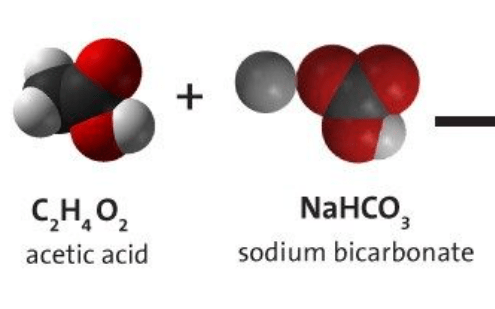
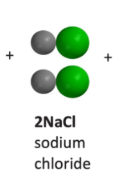
No because the reactants do not have the green chlorine circles and atoms cannot be created or destroyed in a reactions.
400
Putting a match in a flask titled sideways after a bubbling reaction checks which property of the unknown gas. 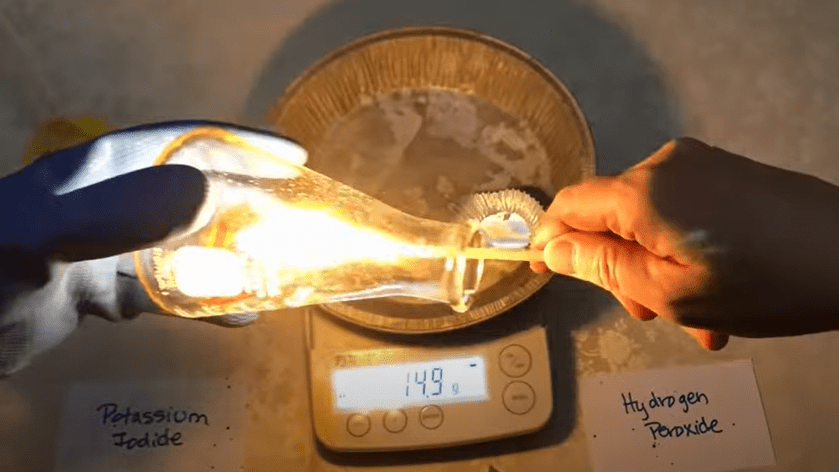
flammability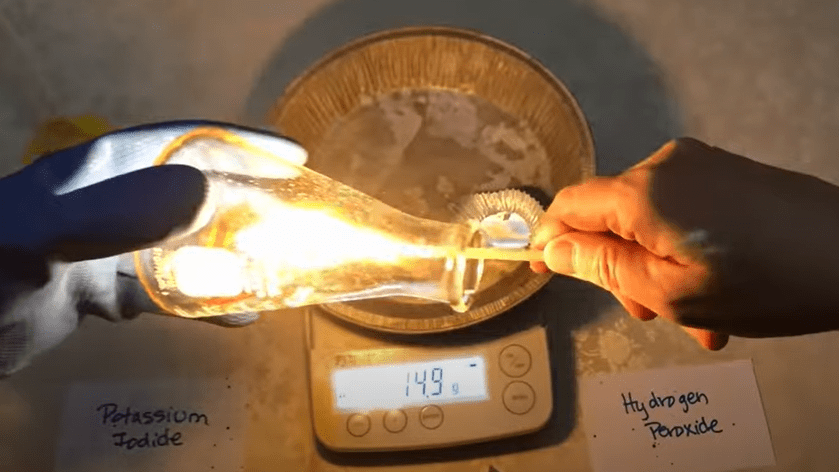
400
Adding electric energy to water creates bubbles. How do we know this is a chemical reaction? 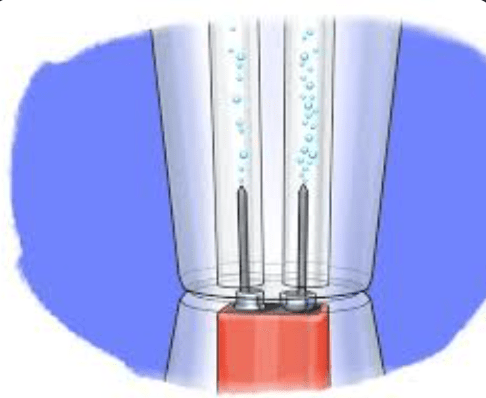
The gas that forms stays a gas at room temperature.
the gas that forms is flammable and creates a popping sound with a match.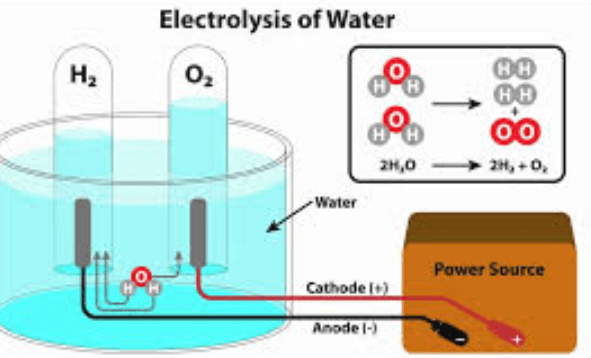
500
Double Jeopardy Question
What are the products of these reactants?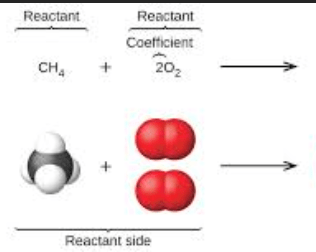
Carbon dioxide and water 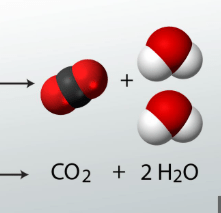
500
Can something be soluble in water but not soluble in alcohol. Answer and give an example.
Yes Sodium citrate is soluble in water but not in alcohol
500
Can the reactants vinegar (acetic acid) and baking soda (sodium bicarbonate) make sodium acetate as a product? Why or why not?
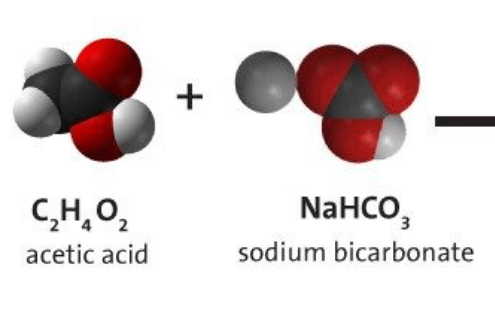
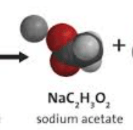
Yes because it has all the atoms available. Sodium, carbon, hydrogen, and oxygen
500
If we already know a gas is not flammable, it puts out a flame, when the flask is sideways. What test is being shown here. Explain.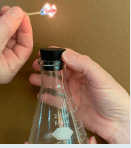
It's density test. To see if the not flammable gas is lighter than air. 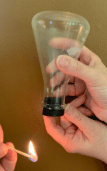
500
Adding heat to water created bubbling, the bubbles popped and were full of a gas. Was this a chemical reaction and how do you know? 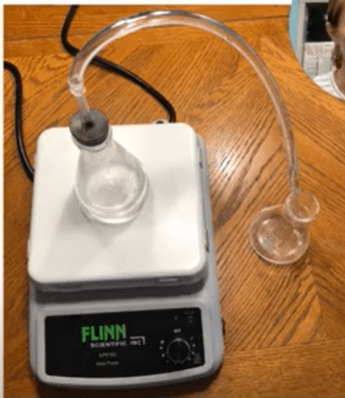
This is not a chemical reaction.
The gas turned back to a liquid at room temperature and the density was the same as water. The gas put a flame out.
500
Can calcium chloride and sodium bicarbonate make calcium carbonate?Reactants: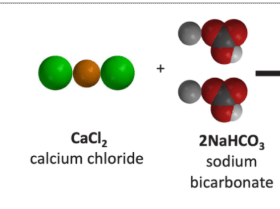 Possible Products: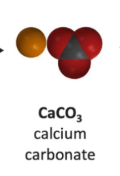
Yes because all the atoms are available to form this product.