Colonial Virginia
Slavery and Laws
American Revolution
Famous Virginians
Places and Movement
100
Q: What was the most profitable cash crop in Virginia?
A. Corn
B. Cotton
C. Potatoes
D. Tobacco
Tobacco
100
Q: A law passed in the mid-1600s made what legal in Virginia?
A. Enslaved people free after 3 years
B. Enslaved people able to own land
C. Race-based slavery legal
D. Housing optional for enslaved people
Race-based slavery
100
Which document declared the colonies free and independent from Great Britain?
A. Virginia Constitution
B. Treaty of Paris
C. Declaration of Independence
D. Articles of Confederation
Declaration of Independence
100
Who was known for bravery, leadership, and never giving up?
A. Thomas Jefferson
B. James Madison
C. George Mason
D. George Washington
George Washington
100
Why was Williamsburg not a safe capital during the Revolution?
A. It was too far inland
B. It was crowded
C. It was close to the coast and easy to attack
D. It had no government buildings
It was close to the coast and easy to attack
200
Q: The economy of Colonial Virginia depended on which two major things?
A. Fishing and carpentry
B. Shipbuilding and trading
C. Agriculture and slave labor
D. Farming and currency
Agriculture and slave labor
200
Q: What did the Virginia Slave Codes of 1705 do?
A. Gave enslaved people the right to vote
B. Made race-based slavery illegal
C. Freed enslaved people
D. Restricted the rights of enslaved people
Restricted the rights and freedoms of enslaved people
200
Who said, “Give me liberty or give me death!”?
A. George Washington
B. Thomas Jefferson
C. Patrick Henry
D. Paul Revere
Patrick Henry
200
Who wrote the Declaration of Independence and believed in freedom and self-government?
A. George Mason
B. James Madison
C. Thomas Jefferson
D. Patrick Henry
Thomas Jefferson
200
Q: Why was Richmond a better capital location?
A. It had better farmland
B. It was closer to England
C. It was farther inland and safer
D. It was closer to Jamestown
It was farther inland and safer
300
Q: People change the landscape to reflect their beliefs, customs, and architecture. This is called their _______.
A. Transportation
B. Culture
C. Maps
D. Cash crops
Culture
300
Trading goods and services without using money is called—
A. Currency
B. Credit
C. Debt
D. Barter
Barter
300
Which document was signed to officially end the American Revolution?
A. Constitution of the United States
B. Treaty of Paris
C. Declaration of Independence
D. Virginia Declaration of Rights
Treaty of Paris
300
Who wrote the Virginia Declaration of Rights and inspired the U.S. Bill of Rights?
A. George Mason
B. Thomas Jefferson
C. George Washington
D. James Monroe
George Mason
300
Q: Richmond was closer to western settlers, making it easier for more people to--
A. Harvest crops
B. Trade with England
C. Participate in government
D. Grow tobacco
Participate in government
400
Q: People owned by others and forced to work without pay were called ________.
A. Governors
B. Architects
C. Enslaved people
D. Indentured servants
Enslaved people
400
Farmer Mason receives supplies in spring and pays for them after his harvest. This is an example of—
A. Credit
B. Barter
C. Savings
D. Currency
Credit
400
The capital of Virginia moved from Williamsburg to Richmond in—
A. 1775
B. 1778
C. 1780
D. 1800
1780
400
Q: Who took detailed notes and helped shape the new government after the war?
James Madison
400
Which groups settled in the following regions?
Piedmont and Coastal Plains -
Shenandoah Valley-
Appalachian Plateau-
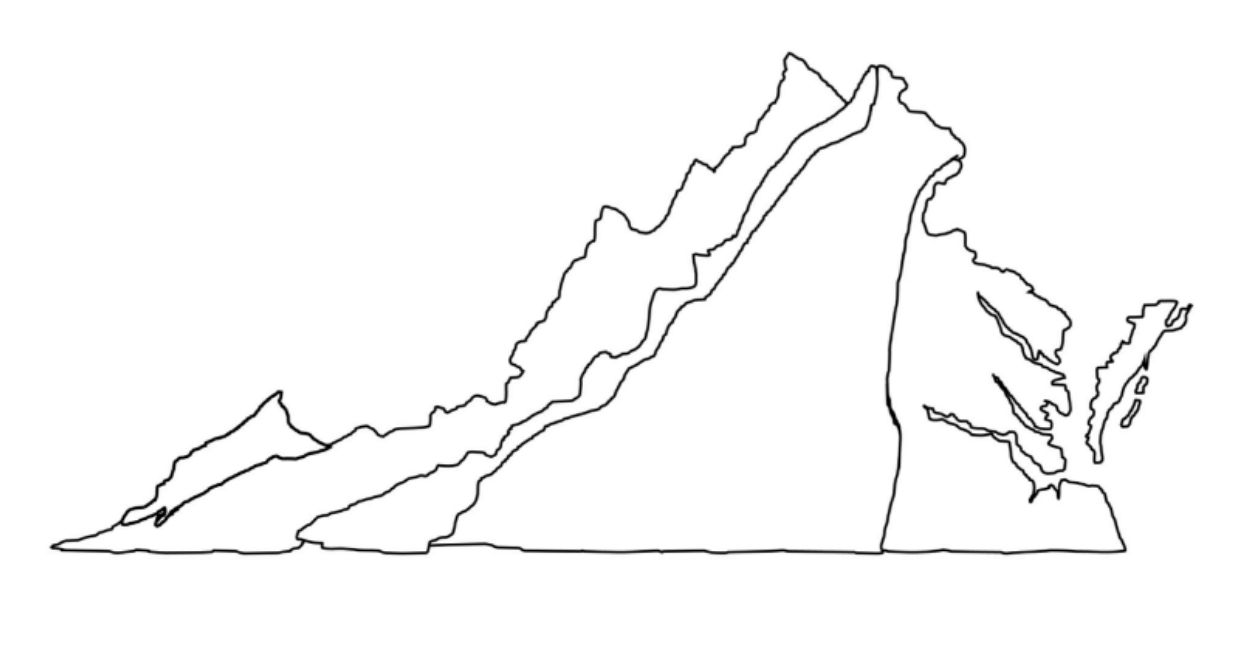
Piedmont and Coastal Plains - English and Africans
Shenandoah Valley- Germans and Scotts Irish
Appalachian Plateau- Native Americans
500
Q: People who worked for a set time in exchange for passage, food, and housing were called __________.
A. Enslaved people
B. Indigenous people
C. Farriers
D. Indentured servants
Indentured servants
500
Which document formally recognized the United States as an independent nation?
A. Bill of Rights
B. Declaration of Independence
C. Virginia Declaration of Rights
D. Treaty of Paris
Treaty of Paris
500
Colonists viewed British taxes as unfair because—
A. They liked high taxes
B. They wanted to be part of Britain
C. They wanted to pay more
D. They had no representation in Parliament
They had no representation in Parliament
500
What three rights did Thomas Jefferson talk about in the Declaration of Independence that all people have?
Life, liberty, and the pursuit of happiness
500
Look at the picture above. What question can you infer from the image?
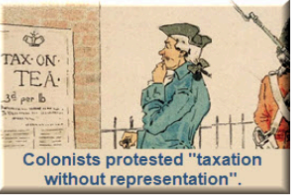
a. Why did the colonist view the Tea Act as an abuse of power and violation of their rights?
b. Why am I being taxed and not having representation?
c. What was the Tea Act of 1773?
d. Why did the colonist oppose the British taxing them
What was the Tea Act of 1773?