Basics of Climate Change
Effects of Climate Change
Progress We've Made/
What We Can Do
What We Can Do
100
The MAIN cause of climate change.
What are greenhouse gases/fossil fuels?
Fossil fuels (coal, oil, and gas) make up 68% of greenhouse gas emissions, primarily from residential and commercial energy generation (31%), followed shortly by industrial emissions (30%), and transportation (29%) (Environmental Protection Agency).
100
This US state has faced increased wildfires due to climate change.
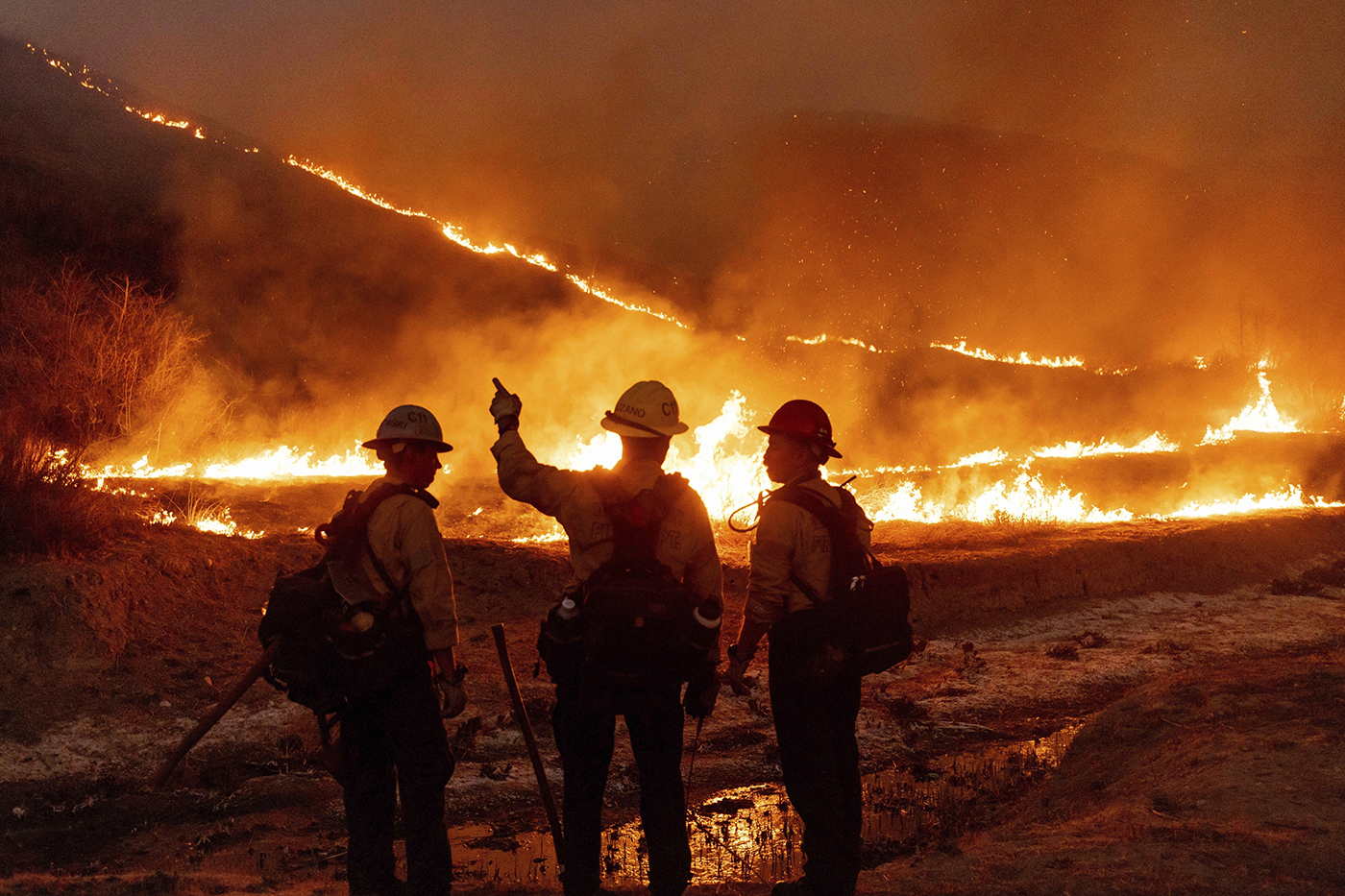
What is California?
2020 was the worst year in the history of wildfires in California, with more than 4,000,000 acres burned (Frontline Wildfire Defense).
100
This kind of energy generation does not release greenhouse gases.
What are renewable energies?
Renewable energies are derived from natural resources like solar, wind, and water, and therefore do not release emissions (United Nations).
200
The country that contributes MOST to climate change.

What is China?
China contributes more greenhouse gases than any other country in the world, with 14,400 metric tons of CO2 released every year, second is the US with 6,390 (CNN).
200
The most common extreme weather event now because of climate change.
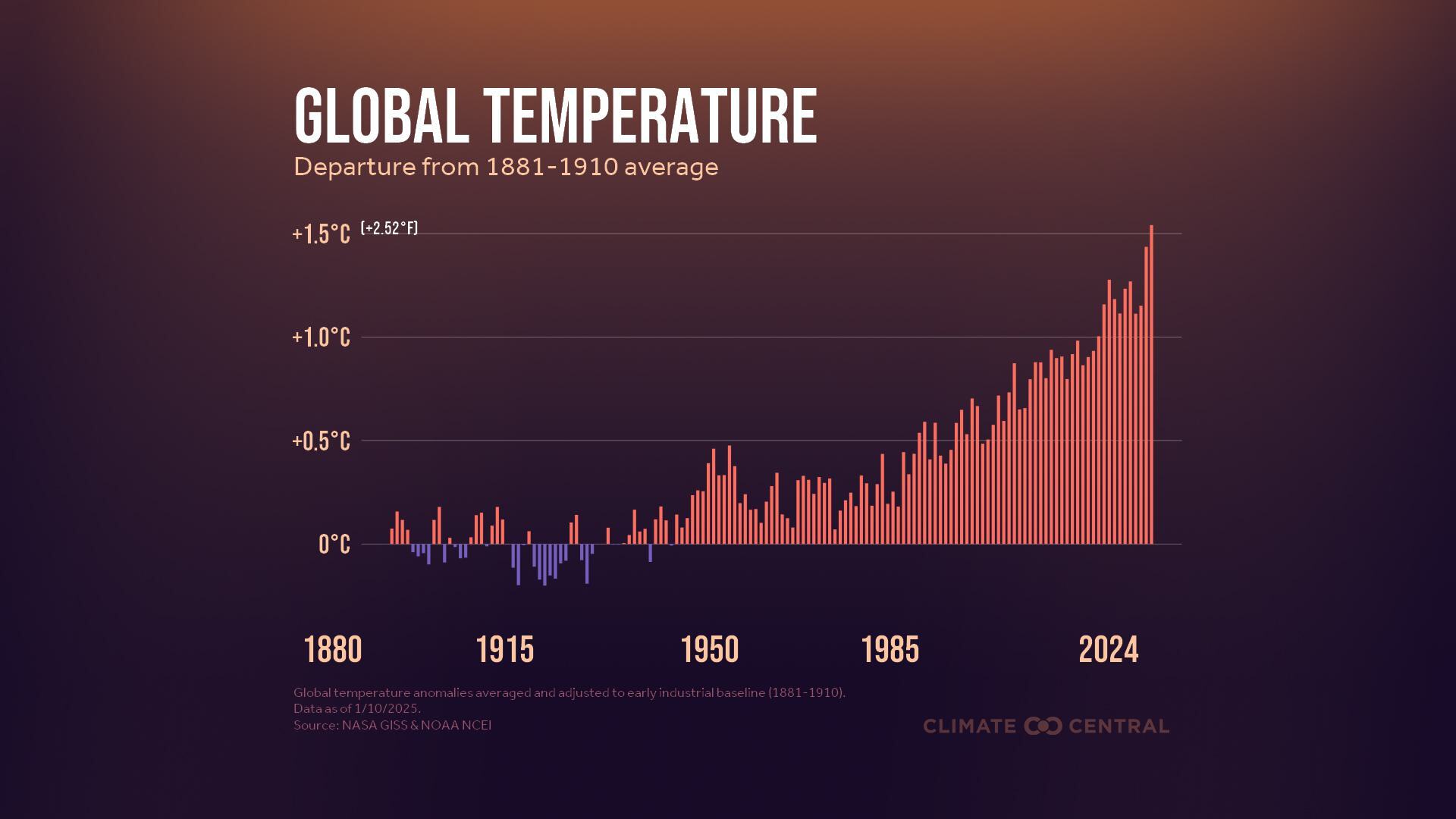
What are heat waves?
The warming of the atmosphere has led to warmer temperatures, leading to recent years consistently being the hottest on record and record-breaking heat waves becoming more and more common (NASA).
200
This diet change can help with one's contributions to climate change.
What is becoming vegan/vegetarian?
By cutting out meat (which often contributes to deforestation, water consumption, and pollution), one can cut their carbon footprint by 50% (Fair Planet).
300
The greenhouse gas which is 28 times more potent than Carbon Dioxide (CO2).
What is Methane (CH4)?
Methane makes up 11% of greenhouse gas emissions, and is mostly produced by cows. It is a factor in climate change because of the large amount of cows the dairy and meat industry have (Environmental Protection Agency).
300
This habitat has been most impacted by climate change.
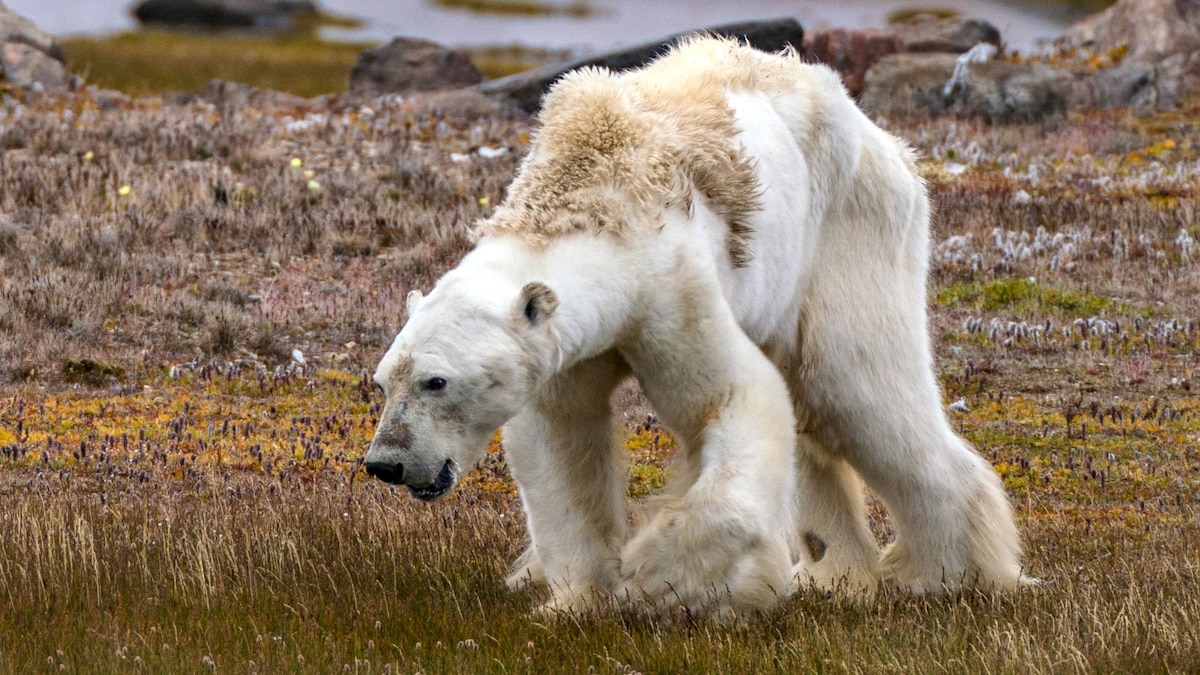
What are polar regions?
Increased warming temperatures lead to polar regions completely melting and changing, disrupting food webs and endangering species (National Wildfire Federation).
300
The most sustainable transportation method.
.svg)
What is walking/cycling?
Walking/cycling releases little greenhouse gas emissions, and by only walking for short trips, one can reduce their carbon footprint by 75% (Our World in Data).
400
This is the decade that climate change began.

What is the 1830s?
The beginning of the Industrial Revolution in the 1800s marked the beginning of the buildup of greenhouse gases. Scientists date the specific beginning of climate change to the 1830s via sea surface temperature data (Carbon Brief).
400
How much US coastline sea levels will rise by 2050 if climate change is not reversed.
What is 12 inches?
Glacier melting will increase the sea level, leading to a foot more of water on the US coasts, greatly impacting coastal communities in the US (NASA).
400
The temperature that the United Nations has agreed to keep global warming under.
What is 1.5° C/34.7° F?
This temperature was agreed upon in the Paris Agreement, as under 2° C is considered "pre-industrial levels and going over is considered irreversible (United Nations).
500
The layer of the atmosphere that suffers the most because of climate change.

What is the troposphere?
Climate change is causing cooling in the stratosphere. Meanwhile, heat is being retained more in the troposphere, both damaging it and retaining heat in the Earth (UCLA).
500
The country is most vulnerable to climate change.

What is Chad?
Increased flooding and famine make the country most vulnerable to climate change, according to the University of Notre Dame (Iberdrola).
500
The name of the UN's meetings of countries to discuss climate change.

What are the United Nations Climate Change Conferences/the Conference of the Parties (COPs)?
The COPs are held in order for countries to discuss future actions and sign treaties to aid the fight against climate change. The first (COP) was held in 1995 in Germany, and the most recent (COP30) was held in 2025 in Brazil (United Nations).