Conservation
Wetlands
Species Identification
Ecological Principles
Biomes
100
Which legislation ensures safe standards for waste discharge and other point-source pollution?
- A. The Migratory Bird Hunting and Conservation Stamp Act
- B. The North American Wetlands Conservation Act
- C. The Clean Water Act
- D. The Farm Bill Act
What is C. The Clean Water Act
100
Water found in a wetland with woody plants, saturated or slow-moving water and low oxygen levels in the soil is known as which of the following?
- A. Tidal marsh
- B. Bog
- C. Swamp
- D. Fen
What is C. Swamps
100
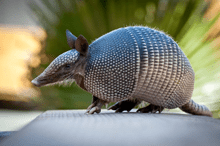
The image represents which of the following species?
- A. Nine-banded armadillo
- B. Norway rat
- C. Eastern red bat
- D. Virginia opossum
What is A. Nine-banded armadillo
100
Nutrient flow is the natural process which provides for the cycling of chemicals between biotic and abiotic factors including water, oxygen, carbon, nitrogen and phosphorus.
- A. True
- B. False
What is A. True
100
Which of the following is NOT a biome?
- A. Ocean
- B. Forest
- C. Mountain
- D. Grasslands
What is C. Mountain
200
Which president is thought to have done more for conservation than any other president?
- A. Theodore Roosevelt
- B. Franklin Roosevelt
- C. Ulysses S. Grant
- D. Herbert Hoover
Who is A. Theodore Roosevelt
200
Which of the following best describes anaerobic soil in a wetland?
- A. The soil is free of oxygen
- B. The soil is nutrient deficient
What is A. The soil is free of oxygen
200
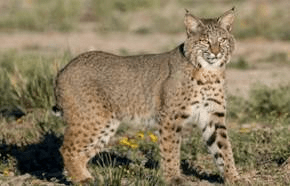
The image represents which of the following species?
- A. Gray wolf
- B. Coyote
- C. Bobcat
- D. Canada lynx
What is C. Bobcat
200
Forests are responsible for storing large amounts of carbon. However, there are some cases in which forests can also release significant amounts of carbon into the atmosphere. When does this typically occur?
- A. Trees release carbon when decaying, so when areas experience deforestation large amounts of a forest’s sequestered carbon will be released back into the atmosphere
- B. Trees do not release atmospheric carbon but do secrete carbon into the soil, resulting in forest soils containing an excess of carbon
- C. Trees release large amounts of carbon during the process of photosynthesis, in vast forests of broadleaf trees this outweighs the amount of carbon sequestered
- D. Trees can only hold a limited amount of carbon, so a forest of mature trees begins to release carbon as trees age
What is A. Trees release carbon when decaying, so when areas experience deforestation large amounts of a forest’s sequestered carbon will be released back into the atmosphere
200
Most grasslands are __________ owned.
- A. Privately
- B. Publicly
What is A. Privately owned
300
Samantha is developing a management plan for an area suffering a significant reduction of grasses and plants which directly affects the viability of an endangered species. Her plan involves an increase of primary producers to support long-term ecological balance and to eliminate the requirement of human influence. Which of the following best represents this management plan?
- A. Parasitism
- B. Sustainability
- C. Mutualism
- D. Partnership
What is B. Sustainability
300
Which of the following is NOT one of the states currently experiencing wetland reductions of between 80 to 100 percent?
- A. California
- B. Iowa
- C. Missouri
- D. Texas
Where is D. Texas
300
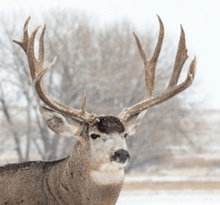
The image represents which of the following species?
- A. Elk
- B. Moose
- C. Mule deer
- D. White-tailed deer
What is C. Mule deer
300
Select the correct phrase from the two options in the parenthesis section.
- Transpiration is when plants release (water vapor/carbon dioxide) during photosynthesis and respiration.
What is Water Vapor
300
What is desertification?
- A. Areas of grassland which undergo sandstorms
- B. Grasslands which are transformed into agriculture lands
- C. Grasslands which are near a desert area and acts a transition zone
- D. Grasslands which undergo drought or demineralization and turn into a desert landscape
What is D. Grasslands which undergo drought or demineralization and turn into a desert landscape
400
Which of the following laws prohibited market hunting?
- A. Lacey Act of 1900
- B. Migratory Bird Treaty Act
- C. Fish and Wildlife Coordination Act
- D. Pittman-Robertson Act
What is A. Lacey Act of 1900
400
Which of the following wetlands is dominated by emergent vegetation?
- A. Marshes
- B. Bogs
- C. Swamps
- D. None of these answer choices are correct
What is A. Marshes
400
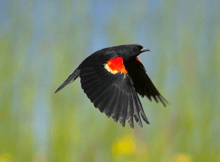
The image represents which of the following species?
- A. House finch
- B. Red-winged blackbird
- C. American goldfinch
- D. White-eyed vireo
What is B. Red-winged blackbird
400
Denitrification is an essential step in which of the following cycles?
- A. Carbon
- B. Nitrogen
- C. Phosphorus
- D. Hydrogen
What is B. Nitrogen
400
Maintaining biodiversity, protecting freshwater quality, recharging groundwater and controlling floods are all critical components for which of the following biomes?
- A. Grasslands
- B. Wetlands
- C. Forests
- D. Aquatic
What is B. Wetlands
500
What percentage of Duck Stamp sales goes to supporting habitat restoration?
- A. 50 percent
- B. 75 percent
- C. 25 percent
- D. 98 percent
What is D. 98 percent
500
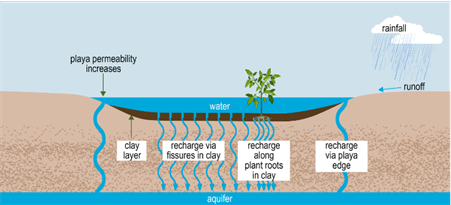
This illustration depicts which of the following concepts?
- A. Biological productivity
- B. Baseflow contribution
- C. Groundwater recharge
- D. Water cycle
What is C. Groundwater recharge
500
Adrian was hired by a company to survey for endangered species before a construction project. As part of this survey, they wish to know species diversity on the property. While on his first survey Adrian sees a bird he has never seen before, so he takes detailed notes and a picture with plans to identify it later. The bird has a distinctly hooked beak, bright yellow legs, and a bright yellow ring around the eye. What family does this bird belong to?
- A. Odontophoridae
- B. Columbidae
- C. Picidae
- D. Falconidae
What is D. Falconidae
500
Which of the following is the best definition for the term reforestation?
- A. Planting trees in areas where trees were not previously present
- B. Planting new trees in the same habitat older ones were removed from
- C. Incorporating trees in areas of agriculture
- D. None of these answer choices are correct
What is B. Planting new trees in the same habitat older ones were removed from
500
Forty percent of the world’s oxygen is produced in which of the following?
- A. Grasslands
- B. Tropical rainforest
- C. Neritic zone
- D. Freshwater habitats
What is B. Tropical Forest