Plant Organ Systems
Animal Organ Systems
Homeostasis
Organ System Diseases and Complications
Preventing Diseases and Complications
200
Which plant tissue is responsible for transporting water from the roots to the leaves?
Xylem
200
Which system is responsible for producing hormones to regulate body functions?
A) Exocrine System
B) Endocrine System
C) Digestive System
D) Dark System
B) Endocrine System
200
When your body temperature rises during exercise, the nervous system signals sweat glands in the skin, while blood vessels near the surface dilate to release heat. Which organ systems are primarily interacting to maintain homeostasis? (+200 for an explanation on how homeostatis is maintained by the interaction of these organ systems.)
A. Nervous, Integumentary, and Circulatory
B. Digestive and Skeletal
C. Respiratory and Muscular
D. Endocrine and Reproductive
Nervous, Integumentary, and Circulatory
When your body temperature rises during exercise, the nervous system detects the change and signals the sweat glands in the skin to release sweat, while also causing blood vessels near the surface to dilate. The circulatory system carries heat from the body’s core to the skin, allowing it to be released into the environment. Through this negative feedback mechanism, the body senses a deviation from normal temperature and activates responses that restore the internal environment to a stable, balanced state.
200
What condition occurs when the pancreas fails to produce enough insulin? (+100 for an explanation on how this condition weakens ability to maintain homeostasis.)
A) Hypertension
B) Diabetes Mellitus
C) Asthma
D) Anemia
B) Diabetes Mellitus
In Type 1 Diabetes, the pancreas produces little or no insulin, which prevents glucose from entering body cells for energy. As a result, blood glucose levels rise, and cells cannot function properly. This disrupts homeostasis because the body can no longer regulate blood sugar within a normal range.
200
Which of the following is the most effective way to prevent the spread of respiratory pathogens like the flu?
A) Taking antibiotics daily
B) Frequent handwashing and vaccination
C) Increasing sugar intake for energy
D) Resting only when symptoms appear
B) Frequent handwashing and vaccination
400
According to the "Cohesion-Tension Theory," how do plants move water over 100 feet in the air through the xylem without a mechanical pump?
A) Active transport uses ATP to push water upward. B) Water molecules stick together and are pulled up by evaporation from leaves.
C) Root pressure creates a vacuum that sucks water from the atmosphere.
D) Phloem pressure pushes the water column from the leaves down to the roots.
B) Water molecules stick together and are pulled up by evaporation from leaves.
400
In the human heart, which chamber is responsible for pumping oxygenated blood out to the rest of the systemic circulation?
A) Right Atrium
B) Right Ventricle
C) Left Atrium
D) Left Ventricle
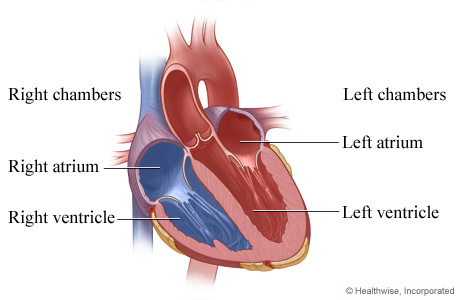
D) Left Ventricle
400
When the body is dehydrated, the pituitary gland releases Antidiuretic Hormone (ADH). What is the specific mechanism by which ADH helps maintain water balance?
A) It increases the filtration rate in the glomerulus. B) It triggers the pancreas to release more glucagon. C) It increases the permeability of the kidney’s collecting ducts to water.
D) It causes the smooth muscles of the bladder to relax.
C) It increases the permeability of the kidney’s collecting ducts to water (allowing more water to be reabsorbed into the blood).
400
What is the primary cause of "Scurvy," a disease that leads to bleeding gums and weakness?
A) Lack of Vitamin C
B) Bacterial infection
C) High blood sugar
D) Lack of sleep
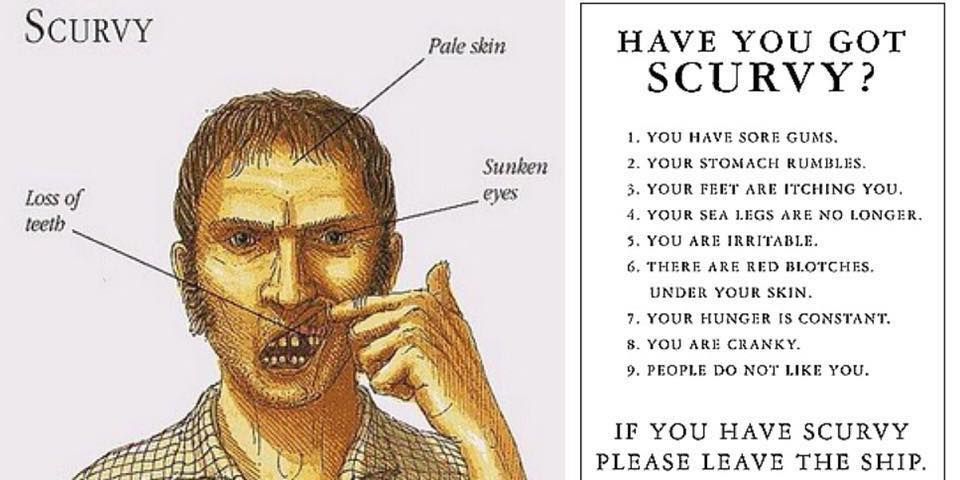
A) Lack of Vitamin C
400
How does "Herd Immunity" work to prevent the spread of a disease within a population?
A) By making the pathogen disappear completely from the environment.
B) By ensuring every single individual is naturally immune.
C) By having a large enough percentage of the population immune, making it difficult for the pathogen to find a host.
D) By physically isolating all healthy individuals from each other.
C) By having a large enough percentage of the population immune, making it difficult for the pathogen to find a host.
600
The small pores on the underside of leaves that allow for gas exchange and transpiration?
Stomata
600
The hormone produced by the pancreas that works to raise blood sugar levels when they are too low. (Opposite of Insulin)
Glucagon
600
This homeostatic mechanism maintains stable internal conditions by detecting a change, activating a response that reverses the change, and returning the body to equilibrium. Examples include temperature regulation and blood glucose control.
Negative Feedback
600
This disease affects the respiratory system and causes the airways in the lungs to become inflamed and narrowed, leading to symptoms such as wheezing, shortness of breath, and coughing.
(+200 for an explanation on how this disrupts homeostasis.)
Asthma
600
This preventive medical action uses weakened or inactive parts of a pathogen to help the body build immunity and protect against diseases, commonly measles, polio, tuberculosis and hepatitis.
Vaccination
800
The specialized ground tissue in leaves that is packed with chloroplasts and is the primary site of photosynthesis.
Mesophyll (specifically Palisade Mesophyll)
800
Name the hormone produced by the parathyroid glands that acts as the "antagonist" to calcitonin by increasing blood calcium levels when they drop too low.
Parathyroid Hormone (PTH)
800
When the body's blood pressure drops, the kidneys release this enzyme to begin a hormonal cascade that eventually constricts blood vessels to raise pressure back to normal. (Starts with the letter R.)
Renin
800
Identify the specific type of immune system failure where the body’s white blood cells lose "self-tolerance" and begin to attack and destroy the body's own healthy tissues. (HIV is different.)
Autoimmune Disease
800
The specific type of "active immunity" acquired when a person is exposed to a weakened or killed form of a pathogen to trigger an immune response without causing the disease
Vaccination (or Artificial Active Immunity)
1000
A plant is placed in a dark room for a week and is not watered. Its leaves begin to wilt and turn yellow.
Explain which plant organ system is failing to provide nutrients and how the lack of light affects the homeostasis of the plant’s energy production.
The root system is failing to provide water/minerals, and the shoot system cannot perform photosynthesis. Without light, the plant cannot maintain the energy balance (homeostasis) needed for cellular repair and growth.
1000
A hiker is caught in a rainstorm and their body temperature begins to drop. Their muscles start to contract rapidly.
What is the name of this response called and why does the muscle react this way to maintain homeostatis?
The response is shivering (thermogenesis). The rapid muscle contractions generate heat as a byproduct of cellular respiration, helping to raise the core body temperature back to the normal range.
1000
During childbirth, the body releases oxytocin to increase contractions, which then causes more oxytocin to be released until the baby is born.
Identify whether this is negative or positive feedback and explain why it does not result in a "stable" internal environment during the process.
Positive feedback. Unlike negative feedback, which seeks stability, positive feedback strengthens and amplifies a change to achieve a specific physiological goal (the birth), temporarily moving the body away from its normal resting state.
1000
A patient presents with extreme fatigue, pale skin, and shortness of breath. A blood test reveals a significantly low red blood cell count, meaning their blood cannot carry enough oxygen to their tissues.
Identify this condition and explain how the failure of the circulatory system in this scenario affects the "homeostasis" of cellular energy production.
The condition is Anemia. Because red blood cells carry oxygen, the lack of them prevents cells from performing aerobic cellular respiration efficiently. This disrupts homeostasis because the cells cannot produce enough ATP (energy) to maintain normal functions, leading to the patient's fatigue.
1000
A patient is diagnosed with high blood pressure (hypertension) due to a diet extremely high in sodium and a lack of exercise.
Suggest a physiological reason why reducing salt intake helps the urinary and circulatory systems recover.
It reduces the osmotic pressure in the blood, meaning the body retains less water. It also lowers the workload on the kidneys and reduces the volume of blood the heart has to pump, lowering pressure on vessel walls.