Pancreatitis
CTD
Pharm
Treatments
Cirrhosis
100
Complications of pancreatitis
Pseudocyst
Abscess
Shock
Stroke
MODS
Systemic inflammation → multi-organ failure.
Inflammation → leaks enzymes → systemic damage:
100
What are the hallmark lab findings in SLE
ANA, anti-dsDNA
will accepts low complement (C3,C4)
100
must monitor for infusion reactions- can cause TB reactivation, cannot administer live vaccines
Infliximab
immunosuppressing
100
In addition to removing dead tissue, what is the primary purpose of an escharotomy?
restore circulation to compromised extremities or improve chest expansio
100
Signs/symptoms that you should limit the protein intake for the client with cirrhosis
hepatic encephalopathy: fetor hepaticus and asterixis
200
What is the best posistion for pain relief?
Knee to chest
↓ abdominal pressure
↓ pain
↑ lung expansion
200
What are nonspecific signs of JRA in pediatric clients
Fever, rash, eye issues
200
DC 3mo before pregnancy, takes 4-6 weeks to work
methotrexate
200
What is the puprose of a pressure garment?
scar tissue formation/flattening
Pressure garments and masks should never be worn over unhealed wounds. Pressure garments are worn up to 23 hours a day for as long as 12 to 18 months.
200
Diuretic that is commonly used for ascites in liver patients
spironolactone
300
What lab is most specific to pancreatitis?
Lipase
300
Name 3 join characteristics of RA
RA = deformities + nodules. OA = Heberden nodes. SLE = butterfly rash.
RA causes chronic inflammation → joint destruction + deformities:
Ulnar drift = fingers shift outward
Boutonniere deformity = tendon damage
Rheumatoid nodules = autoimmune inflammation
swan neck, boutonnierre, hallux valgus
300
Can cause hepato and retinal toxicity
hydroxychloroquine
*can also be used during pregnancy
300
After this procedure, keep patient lying on right side for minimum of 2 hr to splint puncture site. Then maintain bed rest for 12–14 hr, as ordered
Liver biopsy
300
This electrolyte imbalance is common due to fluid retention and dilution
hyponatremia
400
Why is the client NPO and for how long?
Eating → enzyme release → worsens autodigestion.
Start feeding within 24 hours
400
Name the deformity 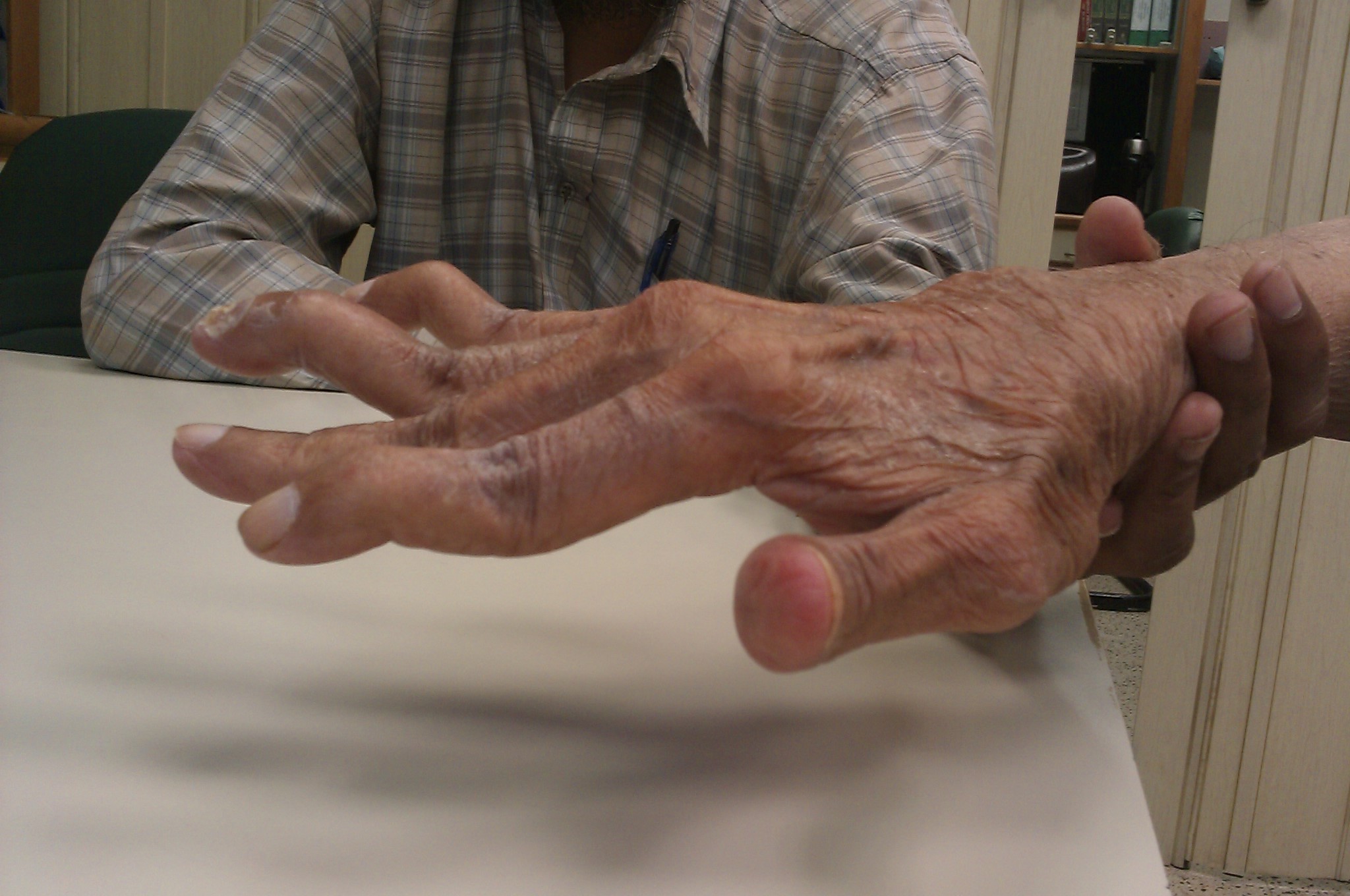
Swan neck
400
Name 2 meds that decrease bacterial flora, thus reducing ammonia formation
neomycin sulfate
rifaximin
400
Name 3 interventions/orders for the nurse to complete prior to a paracentesis
• Have the patient void or insert an indwelling catheter.
• Obtain baseline vital signs and pulse oximetry. Weigh patient, inspect and palpate abdomen, and assess abdominal girth. Assess bladder for distention and determine last voiding.
• Assess baseline laboratory values (e.g., CBC, electrolytes, coagulation studies).
• Give any sedation or analgesia, if ordered.
• Teach patient to remain immobile during the procedure.
• Help the patient to a high-Fowler (sitting) position with feet on the floor.
400
A cirrhosis patient becomes confused and lethargic. The nurse notes a flapping tremor. This medication should be administered immediately.
lactulose
500
Why is it a priority to assess the client with numbness and tingling?
Hypocalcemia → tetany, seizures, cardiac dysrhythmias
This is a life-threatening electrolyte imbalance
500
Name 2 complications of RA. Hint: Each complication has the word "syndrome" in it
Sjorgen's syndrome: diminished lacrimal and salivary gland secretion
Felty syndrome: sever nodule forming RA characterized by splenomegaly and leukopenia
500
Both of these medications produce vasoconstriction of the splanchnic arterial bed, decrease portal blood flow, and decrease portal hypertension.
Octreotide
Vasopressin (used less often d/t side effects)
500
What is the purpose of an ERCP?
ERCP can visualize the pancreatic and common bile ducts.
Pancreatic drainage procedures can relieve ductal obstruction and are often done with ERCP. Some patients may have an ERCP with sphincterotomy and/or stent placement at the site of obstruction. These patients need follow-up procedures, such as ERCP, to either exchange or remove the stent.
500
Administered during or after a large volume paracentesis
Albumin