General Knowledge
Endocrinology
Immune-Mediated
Disorders
Disorders
Urinary Disorders
Respiratory Disorders
Hepatobiliary Disease
100
Increased body temperature associated with a raised thermoregulatory set point (hypothalamus) secondary to pyrogens
Fever
100
Chemical produced by a specific endocrine organ that is transported by blood to affect a distant target organ
Hormone
100
Mention at least three abnormalities seen in a CBC for IMHA
Anemia
Polychromasia
Spherocytosis
Ghost cells
Evidence of inflammation (increased neutrophils, bands, metamyelocytes, monocytes)
100
Painful or difficult urination
Painful or difficult urination
100
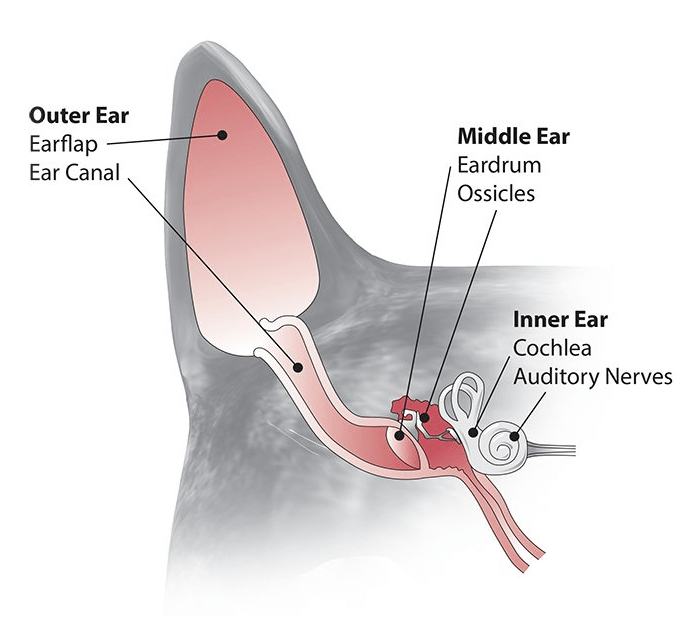
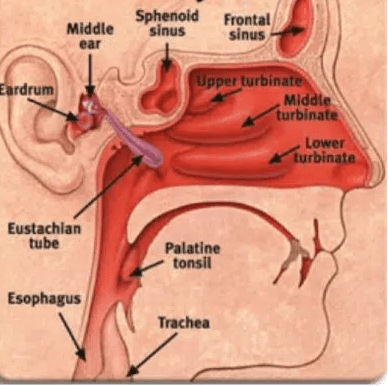
Proposed etiologies of nasopharyngeal polyps
Chronic upper respiratory tract infection
Chronic otitis media
Ascending infection from the nasopharynx
100
Imaging study that best assesses liver size
Radiographs
CT
200
Causes of hyperthermia
Exercise, seizures, intoxications, stress, metabolic disorders (hypothyroidism, hypocalcemia)
200
The pituitary gland is composed of 2 parts
Adenohypophysis (anterior)
Neurohypophysis (posterior)
200
What type of hypersensitivity occurs in anaphylaxis?
Type I (immediate)
200
What would you do to differentiate between pigmenturia and hematuria?
Centrifuge the urine.
200
Most common nasal tumor in cats
Nasal lymphoma
200
Most common type of PSS in large dogs
Intrahepatic PSS
300
Bluish discoloration of the skin and mucous membranes of the body
Cyanosis
300
Mention at least two hormones that participate in the control of metabolism (energy, minerals)
• Energy: insulin, glucagon, cortisol, epinephrine, thyroid hormone, growth hormone
• Mineral: PTH, calcitonin, angiotensin, renin
300
Immunosuppressive dose of prednisone for a dog over 25kg?
50 – 60 mg/m2 once daily
300
Excessively frequent passage of small volumes of urine
Pollakiuria
300
Most common nasal tumor in dogs
Nasal adenocarcinoma
300
Ideal diagnostic method for hepatic lipidosis (Least invasive)
Liver cytology
400
Red to Purple discolorations of the skin or mucosal surfaces from bleeding of blood vessels <3mm in diameter
Petechiae
400
Hormonal control of physiological growth (2)
GH, T4, estrogen, androgen
400
What type of hypersensitivity occurs in Immune-mediated hemolytic anemia?
Type II (cytotoxic)
400
What amount of water intake is considered polydipsia?
> 90-100 mL/kg/day
400
Brachycephalic Obstructive Airway Syndrome anatomic abnormalities
Stenotic Nares and Aberrant Nasal Turbinates
Elongated Soft Palate and Mucosal Hyperplasia
Macroglossia
Hypoplastic Trachea
400
Common benign condition of older dogs that does not cause clinical illness
Hepatic nodular hyperplasia
500
Most common cause of pre-hepatic jaundice
Hemolysis
500
Cell communication
Diffuses through interstitial fluids to influence adjacent cells
Paracrine
500
What type of hypersensitivity occurs in Lymphocytic thyroiditis?
Typ
500
Common nephrotoxin that affect cats
Lilies
500
Most commonly used drug for pulmonary hypertension
Sildenafil
500
The Bedlington Terrier is predisposed to this liver disease
Copper storage disease
600
What are the three signs of the Cushing's reflex?
Systemic hypertension
Bradycardia
Irregular breathing.
600
Hormonal control of reproduction (2)
Reproduction: estrogen, androgen, progesterone, LH, FSH, PL
600
What is the most commonly used diagnostic test for myasthenia gravis?
Antibodies against acetylcholine receptors
600
Intoxication that can be treated with ethanol
Ethylene glycol toxicity
600
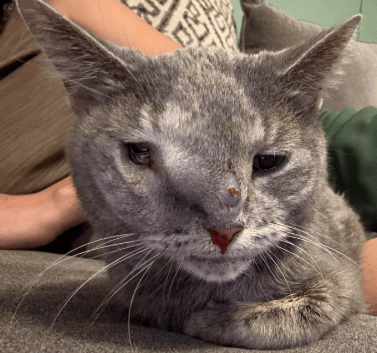
Common nasal fungal disease in cats that can deform the nasal planum
Cryptococcus
600
Most common primary liver tumor in dogs
Hepatocellular carcinoma (HCC)
700
Which disease is characterized by differential cyanosis (the rear half of the body (hind limbs, tail) is cyanotic (blue/purple), while the front half (head, front paws) remains pink)?
Right-to-left shunting Patent Ductus Arteriosus (PDA)
700
LDDST:
B: 50
4 hr: 8
6 hr: 4
Positive
PHD
700
Chronic, potentially fatal autoimmune disease where the immune system attacks the body's own cells and tissues, causing inflammation and damage to organs like the skin, kidneys, joints, and blood
Systemic lupus erythematosus (SLE)
700
What is the name of the disorder that causes primary urinary bleeding originating from the kidneys?
Idiopathic Renal Hematuria
700
Depigmentation and ulceration of the nasal planum are suggestive of
Nasal aspergillosis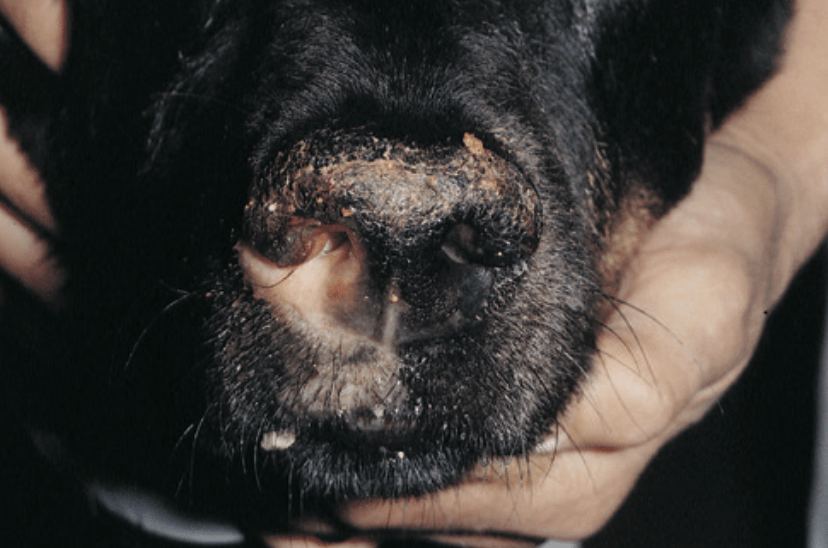
700
Etiologic agent of the disease known as liver fluke in cats
Platynosomum fastosum