Where is the lesion?
Name that tract
Movement
Genetics
Peripheral Nerve disorders
100
68 yo man has sudden, painless onset of paresis of the right upper and lower face, inability to abduct the right eye, and paresis of left arm and leg. Where is the lesion?
A. cerebrum
B. Cerebellum
C. Midbrain
D. Pons
E. Medulla
Pons- right abducens (VI), facial (VII) and corticospinal tracts
100
weakness, spasticity, DTRs, hyperreflexia, clonus, babinski sign and where does it cross?
lateral corticospinal tract (goes down, causes UMNs)- entirely motor
crosses in medulla's pyramids
100
intermittent, randomly located, jerking of limbs and the truck
chorea
100
Which 4 illnesses arise from excessive trinucleotide repeats?
A. myotonic dystrophy
B. wilson disease
C. Fragile X
D. Lesch Nyhan
E. Huntington
F. Duchenne
E. Spinocerebellar ataxia
myotonic dystrophy, fragile X (CGG), Huntington (CAG), spinocerebellar ataxia
wilsons (autosomal rec)
Lesch Nyhan (x linked recessive)
100
A young woman has developed marked confusion and hallucinations, flaccid paresis, and abdominal pain. Her urine has turned red.
A. Narcotic metabolites
B. Waston Schwartz
C. Cocaine metabolites
D. Myoglobin
25-50% of attacks can cause psychiatric sx (AVH, psychosis, delirium)
Acute intermittent porphia
urine and serum porphobilinogen and 5-ALA have replaced the watson schwartz test
can tx with FGA
200
Left ptosis and dilated and unreactive left pupil with external deviation of the left eye; right hemiparesis; right sided hyperactive DTRs and right Babinski sign. He does not have either aphasia or hemianopsia. Where is the lesion?
A. Cerebrum
B. Cerebellum
C. Midbrain
D. Pons
E. Medulla
left oculomotor (III) and right hemiparesis, lesion in left midbrain.
III- pupil constrictor, eyelid, adductor, and elevator muscles of the eye, efferent limb of accommodation reflex
IV- also in midbrain; trochlear innervates depression of the eye when adducted
VI- abducens in pons- abducts the eye
200
position and vibration sensation and where they cross
bonus 100 points if you can name the structures specific for upper and lower extremities
Posterior columns, travel up spinal cord until medulla at which they cross and form the lemnicus
upper- fasciculus cuneatus
lower- fasciculus gracilis
200
intermittent flinging of the arm and leg of one side of the body classically associated with small infarctions of the contralateral subthalamic nucleus
hemiballismus
200
name the inheritance pattern and disorder characterized by epilepsy, IDD, conspicuous smooth and firm nodules, facial angiofribromas, hypopigmented macules and ashleaf spots
Tuberous Sclerosis, AD however mutation has occurred de novo in 70% of cases; TSC1 and 2 that code for proteins hamarin and tuberin
200
35 yo previously healthy woman presents to an ER in southern CA with high fever, lethargy, and confusion that developed over 2 days. On exam, she has weakness, diminished muscle tone, and absent reflexes in both legs. What is the disease?
A. Poliovirus
B. West Nile virus
C. CMV
D. HSV
E. HIV
west nile- acute flaccid paralysis following onset of meningoencephalitis
east coast of US
300
An elderly, hypertensive man develops vertigo, nausea, and vomiting. He has a right sided Horner Syndrome, loss of the right corneal reflex, and dysarthria because of paresis of the palate. where is the lesion?
A. Cerebrum
B. Cerebellum
C. Midbrain
D. Pons
E. Medulla
This is Wallenberg syndrome- lateral medullary syndrome
-crossed hyperalgesia (right face, left body sensory loss for ex)
-ipsilateral ataxia, ipsilateral palate weakness
300
pain and temperature sensation and where they cross
Spinothalamic tract
the tract crosses immediately upon entering spinal cord in the anterior white commissure and ascend on the contralateral side
300
slow, continuous, writhing movement of the fingers, hands, face, and throat; can be seen with Kernicterus
Athetosis
300
name two disease examples of genomic imprinting
Pradar willi and angelman
chromosome 15 (deletion of mother's Angelman, deletion of father's pradar willi)
pradar willi- ID, hyperphagia, low tone
angleman mimics Rett
300
Which two conditions do patients have the Romberg sign?
A. Diabetic neuropathy
B. Combined system degeneration
C. ALS
D. Cerebellar atrophy
E. Frontal lobe dysfunction
diabetic neuropathy and combined system degeneration
+Romberg is issues with posterior columns (vitamin B12 def causes combined system deg) and tabes dorsalis. also diseases that impair sensation- diabetes
400
a patient has right sided ptosis; the right eye is abducted; and its pupil is dilated. Which nerve or region is injured? Specify left or right.
right III
400
where in the CNS do the vagus nerve afferent fibers terminate?
A. Diencephalon
B. Midbrain
C. Pons
D. Medulla
they originate in the GI tract and thoracic/abdominal viscera and travel upward through the neck to terminate in the medulla. Then further project to the cortex
400
a middle aged woman develops continual face, eyelid, and jaw contractions
Meige Syndrome (Cranial Dystonia)
400
Which condition is associated with immunodeficiency? Bonus 100 points for the inheritance pattern of the correct answer.
A. NF1
B. Meningomyelocele
C. Sturge Weber
D. Ataxia Telengiectasia
Ataxia telangiectasia, associated with IgA and IgE deficiency, cellular immunity impairment, and development of lymphomas. of all neurocutaneous disorders it is the only one that is autosomal recessive
400
the wife of a homicidal neurologist enters psychotherapy because of several months of fatigue and painful paresthesias. She also described numbness in a stocking glove distribution, darkening of her skin, and the appearance of white lines across her nails. What test should be performed?
heavy metals
500
Nystagmus of the abducting eye on the left, failure of the adducting eye on the right
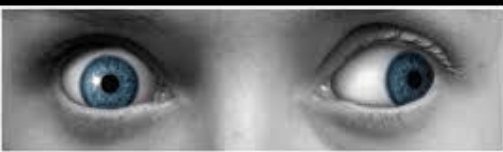
Damage to the MLF (midline tract in midbrain) that carries fibers linking the nuclei of the abducens and oculomotor nerves. this is called INO (internuclear ophthalmoplegia)
500
what system modulates the corticospinal tract by promoting, inhibiting, and sequencing movement as well as maintaining tone and posture?
the extrapyramidal system
the basal ganglia projects within the brain and acts upon the thalamocortical pathways to inhibit or disinhibit the corticospinal tract
500
Name all 5 gray matter nuclei that comprise the basal ganglia
caudate nucleus and putamen = striatum
globus pallidus (+ putamen)= lenticular nuclei
subthalamic nucleus
substantia nigra (all the DA)
500
9 yo evaluated for IQ 88, late acquisition of milestones, poor math and visual spatial skills. She is friendly and articulate. In an entirely one sided conversation, she explained that she has learned two foreign languages and plays two instruments. She has an upturned nose and her teeth are hypoplastic and wide spaced. What is the disorder?
a. Rett
B. Turner
C. Williams
D. Angelman
williams, microdeletion of chromosome 7 (AD inheritance)
elfin face, small teeth, supravalvular aortic stenosis, mild to moderate ID with poor visual spatial with good verbal and musical abilities (constructional apraxia)
500
Found with suicide note, a 42 year old man is brought to the hospital in coma with cyanosis, bradycardia, and miosis; flaccid, areflexic quadriplegia, and pronounced muscle fasciculations. How has he attempted suicide?
A. Arsenic ingestion
B. CO inhalation
C. Strangulation
D. Insecticide ingestion
anti cholinesterase insecticide