Astronomy/Cosmology
Weather
Minerals/Rocks
Tectonic Plates
Geologic Time
100
The theory that the universe is expanding and started as a tiny, extremely dense point
The Big Bang Theory
100
The name of the layer of gases that surround the Earth
The atmosphere
100
The three main types of rock
Igneous, Sedimentary, Metamorphic
100
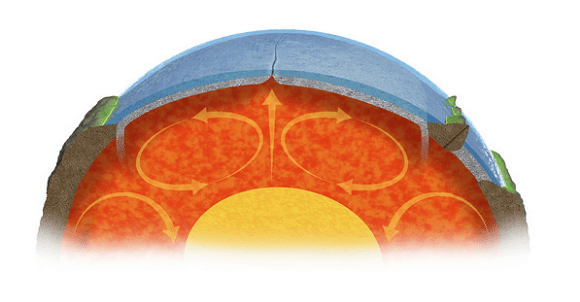 The movement of tectonic plates is primarily driven by the heating and cooling of the mantle below the plates, due to a process called _________________
Convection
100
The approximate age of the Earth
4 1/2 billion years
200
The approximate age of the universe
13 1/2 billion years
200
The lowest layer of the atmosphere, where all weather occurs
Troposphere
200
This type of rock is formed by magma as it cools on the SURFACE of the Earth
Extrusive Igneous
200
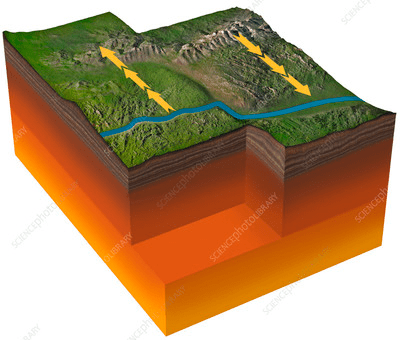 The type of plate boundary where two tectonic plates slide past each other
Transform boundary
200
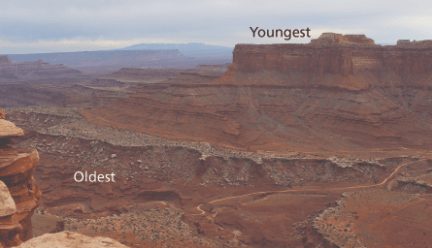 The law that explains younger rock layers are deposited on top of older rock layers
The law of superposition
300
The term for a massive explosion that can occur at the end of a giant star's life
supernova
300
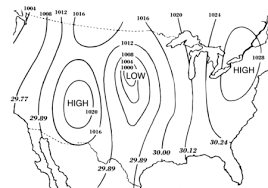 The lines shown on a weather map that connect points of equal pressure
Isobars
300
The scale (from 1 to 10) that measures the 'hardness' of a mineral
The Moh's hardness scale (or Moh's scale)
300
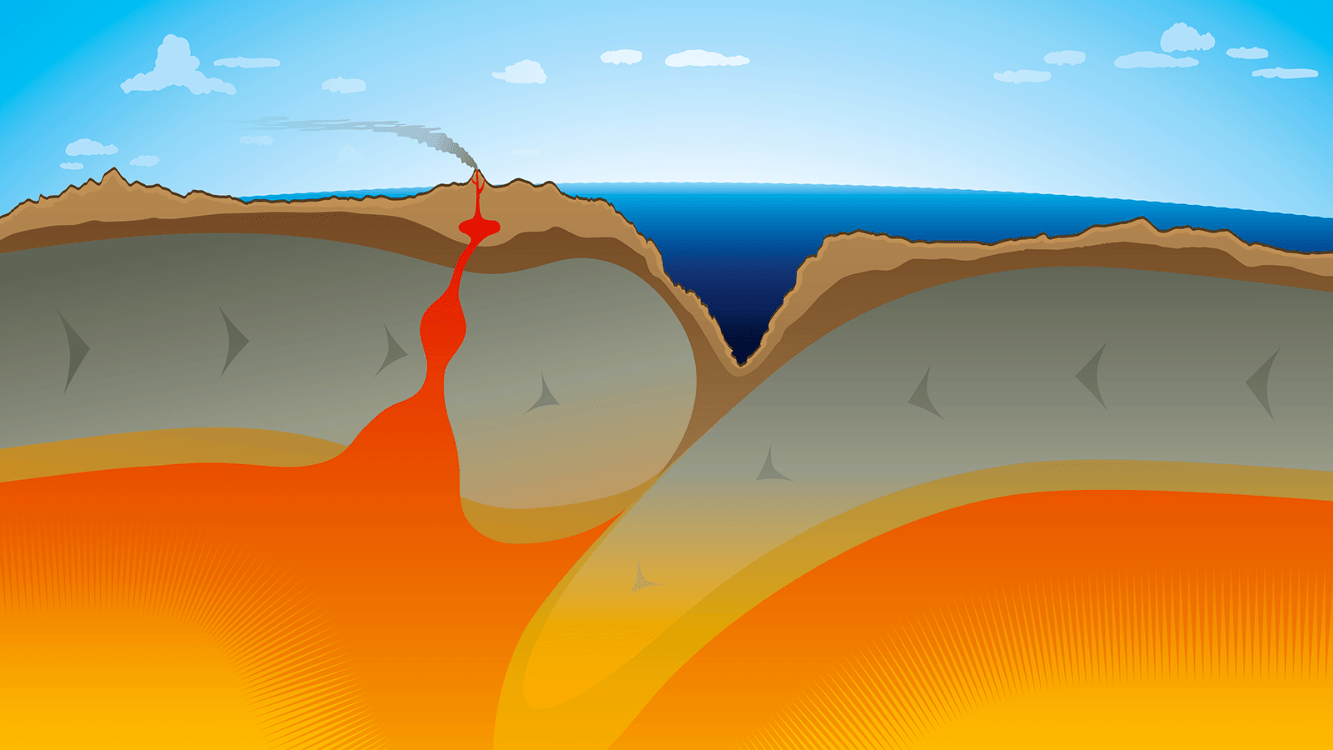 The type of plate boundary where subduction and deep ocean trenches would occur
Convergent plate boundary
300
The name for a fossil that is used to determine the relative age of the rock layer(s) it was found in
Index fossil
400
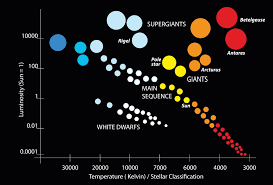 The stage of a star's life on an H-R Diagram where it spends most of its' existence
Main Sequence
400
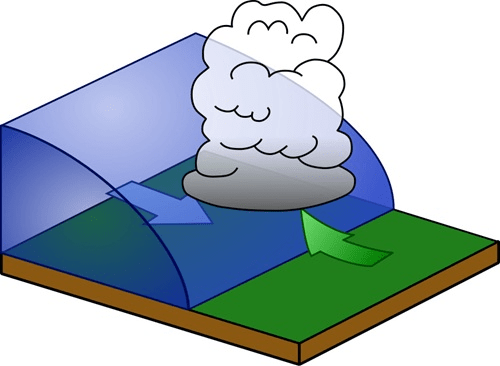 This occurs when a large mass of cold air pushes warm air upwards very rapidly, often resulting in severe storms
A cold front
400
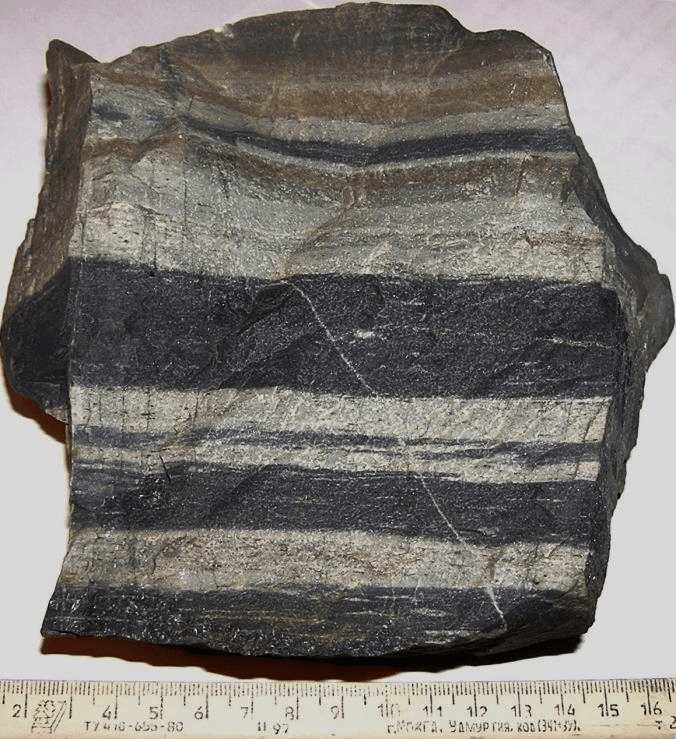 The term for metamorphic rocks that have a layered or banded appearance
Foliated
400
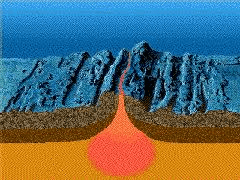 The type of plate boundary where you would expect to find a mid-ocean ridge
Divergent plate boundary
400
 This principle tells us that rock features that cut across or disrupts another feature must be younger than the rock it cuts through.
The principle of cross cutting
500
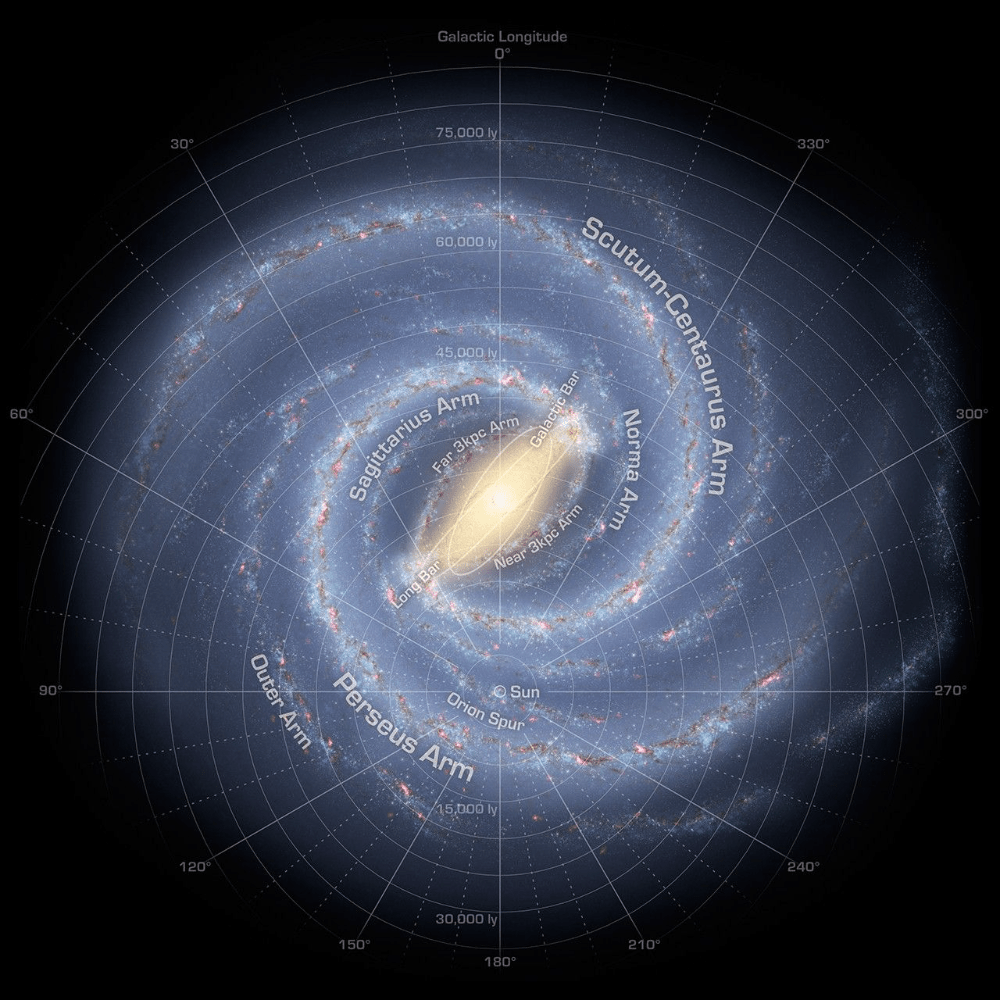 The type of galaxy that the Milky Way is, due to its' shape
A spiral galaxy
500
The general term for gases that are commonly released from the burning of fossil fuels, known for contributing to an increase in the Earth's global temperature over time.
Greenhouse gases
500
The name for the mineral that is known to react with acid by fizzing upon contact
Calcite
500
This is the type of tectonic plate boundary that would commonly cause a volcanic island arc to form in the middle of an ocean
A convergent plate boundary
500
If an Isotope has a half-life of 15 million years, this is how long it will take the Isotope's mass to decay to 12.5% of its' original amount
45 million years (3 half-lives = 12.5%)
3 x 15 million years = 45 million years