Circulatory System
Respiratory System
Digestive System
Nervous System
Mystery Syste
100
This chamber of the heart receives oxygen-poor blood from the body.
Right atrium
100
What is the main function of the respiratory system?
To bring oxygen into the body and remove carbon dioxide
100
Where does digestion begin in the body?
The mouth
100
What connects the brain to the rest of the body?
The spinal cord
100
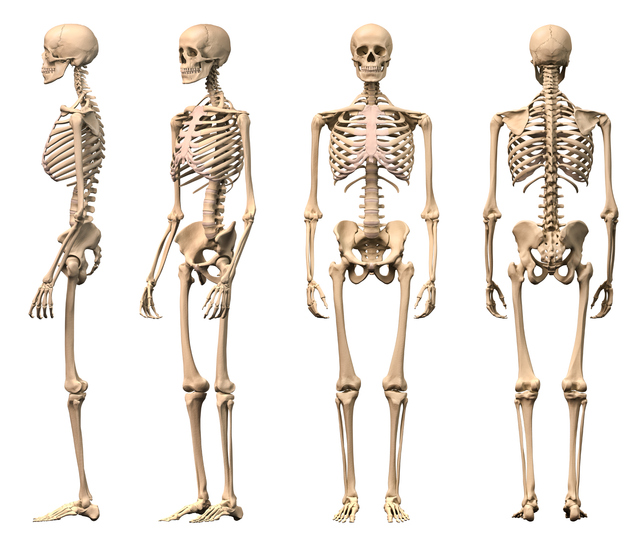
How many bones are in the adult human body?
An adult human body has 206 bones.
200
What blood vessels carry blood away from the heart?
Arteries
200
What are the tiny air sacs in the lungs where oxygen passes into the blood?
Alveoli
200
What tube carries food from the mouth to the stomach?
The esophagus
200
What organ is the control center of the body?
The brain
200
Our body generates waste products as natural byproducts of metabolism (converting food to energy).Name 4 waste product in human body.
(Kidney, skin, large intestine and lungs.)
Urine, sweat, feces and carbon dioxide
300
The _______ is the strongest and thickest chamber of the heart. It must generate immense force to pump oxygen-rich blood through the aorta and throughout the entire systemic circulation.
left ventricle
300
What are the two tubes that branch from the trachea into the lungs?
Bronchi
300
What is the flap of tissue that prevents food from entering the trachea?
Epiglottis
300

The _______, or "little brain," is primarily responsible for coordinating voluntary movements, maintaining balance and posture, and facilitating motor learning.
cerebellum
300
This is the largest organ in the human body.
Skin
400
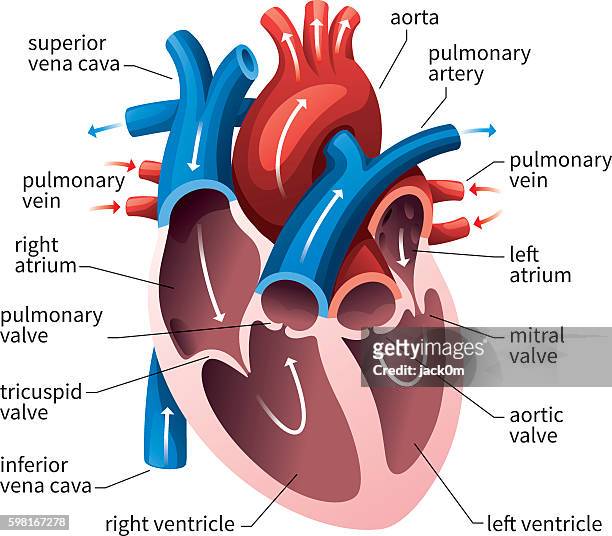
Name the 4 chambers of the heart.
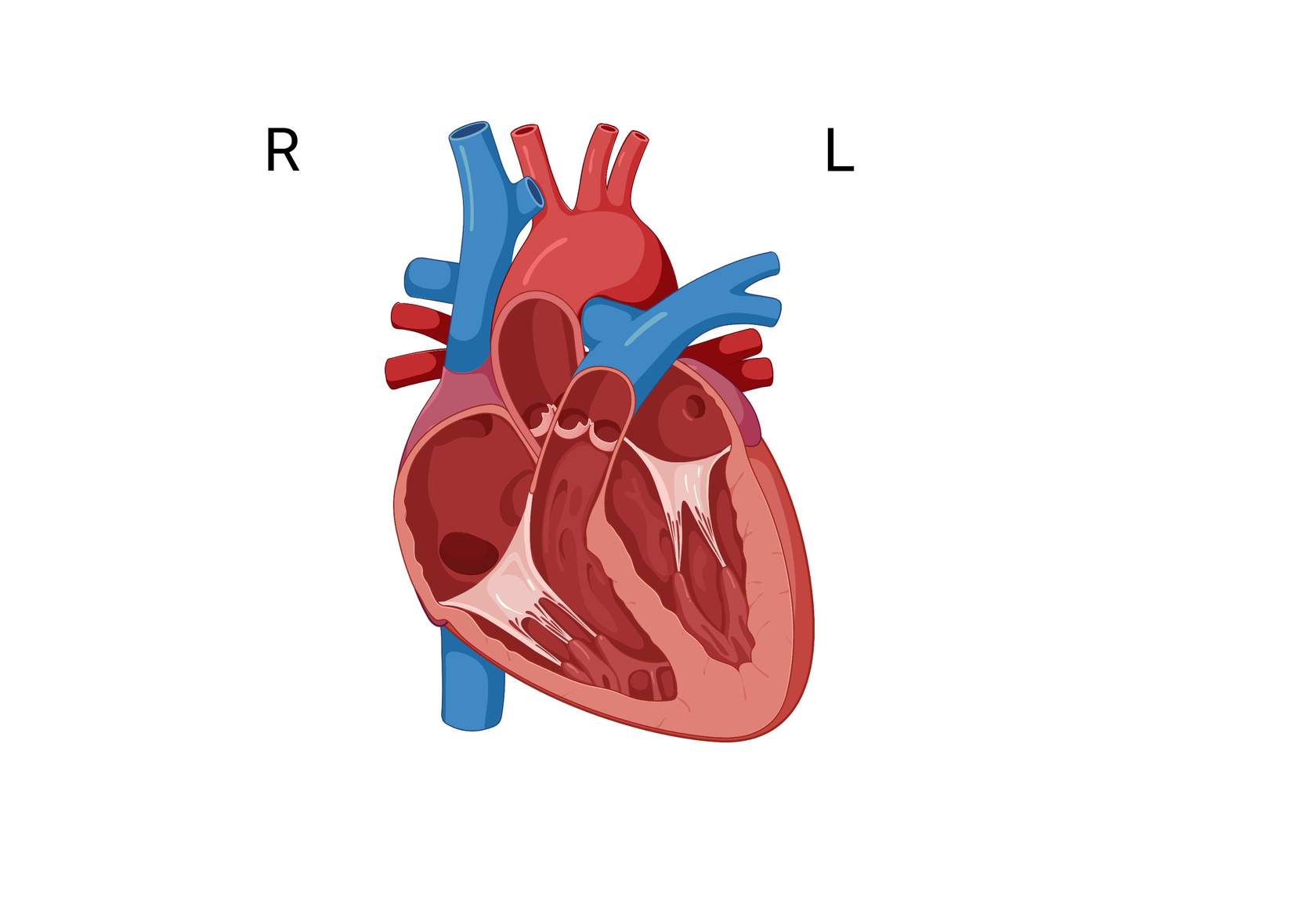
Right atrium, Right ventricle, left atrium and left ventricle
400

What muscle below the lungs helps you breathe in and out?
Diaphragm
400
What organ absorbs water from leftover food and turns it into solid waste?
Large intestine
400
What cells send messages throughout the nervous system?
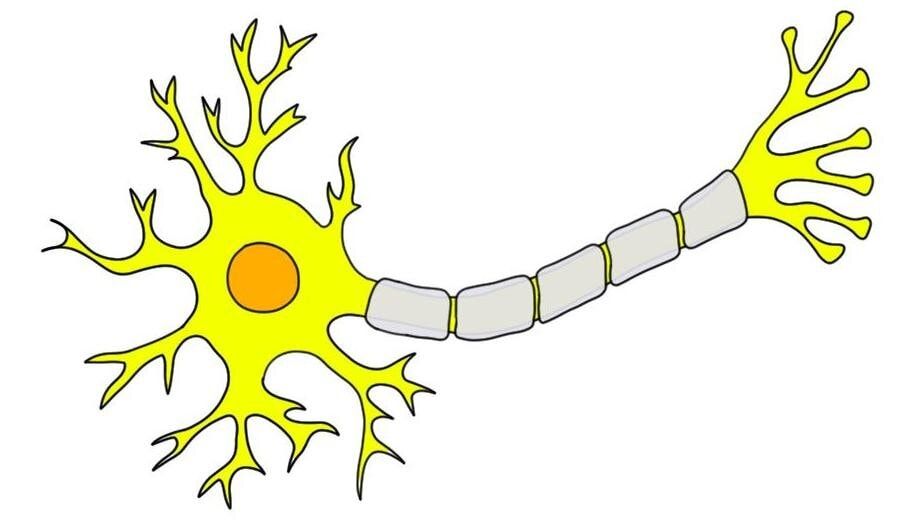
Neurons
400
Vena Cava → Right Atrium → Tricuspid → Right Ventricle → Pulmonary → Lungs → Pulmonary Veins → Left Atrium → Mitral → Left Ventricle → Aortic → Aorta → Body
Step 1: Blood with no oxygen comes from the body and enters the heart through the vena cava.
Step 2: The blood goes into the right atrium.
Step 3: Blood passes through the tricuspid valve into the right ventricle.
Step 4: Blood is pumped through the pulmonary valve into the pulmonary artery.
Step 5: Blood travels to the lungs, where it picks up fresh oxygen.
Step 6: Oxygen-rich blood returns to the heart through the pulmonary veins.
Step 7: Blood enters the left atrium.
Step 8: Blood passes through the mitral valve into the left ventricle.
Step 9: Blood is pumped through the aortic valve into the aorta.
Step 10: Blood travels from the aorta to the rest of the body.
500
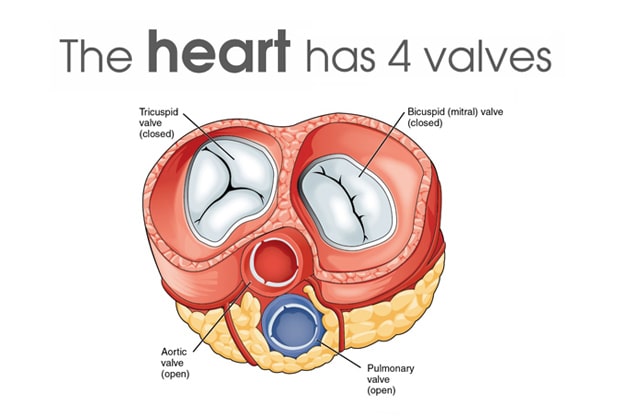
What are the functions of the valves in the heart?
Heart valves act as one-way doors that ensure blood flows in only one direction. By opening and closing in response to pressure changes with every heartbeat, they allow blood to efficiently move through the heart's chambers and prevent any backward leakage.
500
What are three ways to take care of your respiratory system?
Avoid smoking and vaping, stay away from secondhand smoke, and exercise to strengthen your lungs
500
_____ are tiny, finger-like projections that line the inside of the small intestine. Their primary job is to increase the surface area of the intestinal wall, allowing the body to absorb nutrients from digested food into the bloodstream efficiently. [1, 2, 3]
Villi
500
What are three ways to take care of your nervous system?
Sleep 8 to 9 hours every night, stop using phones 1 hour before bed, and manage stress by talking to someone
500
What is the only organ in the human body that can regenerate (grow back) if part of it is removed?
Liver