Forces
Motion
Chemical reactions
Acids and Bases
Ionic Compounds
100
This is a push or pull that can change an object's motion.
A force
100
This is the distance travelled by an object divided by the time taken.
Speed
100
A reaction in which two or more substances combine to form one product.
Synthesis reaction
100
A substance with a pH below 7 is classified as this.
An Acid
100
These are formed when atoms gain or lose electrons and become charged.
Ions
200
This force pulls objects towards the centre of the Earth.
Gravity
200
Unlike speed, this quantity includes both magnitude and direction.
Velocity
200
A reaction in which one compound breaks down into two or more simpler substances.
Decomposition reaction
200
A substance with a pH of 7 is described as this.
Neutral
200
These are positively charged ions, formed when metal loses electrons
Cations
300
When the forces acting on an object are equal in size and opposite in direction, these forces are described as this.
Balanced forces
300
This is the rate at which an object's velocity changes.
Acceleration
300
A reaction in which one element replaces another element in a compound.
Displacement reaction
300
A substance with a pH of 12 is classified as this.
Base or alkali
300
A student mixed acid with metal together. The metal began to bubble and the gas collected made a popping sound when it was brought up to a flame. What is the gas produced?
Hydrogen
400
A 5 kg object experiences a net force of 20 N. Using F = ma, this is the object's acceleration.
4 m/s2
400
A car increases its velocity from 10 m/s to 30 m/s in 5 seconds. This is its acceleration.
4 m/s²
400
When two soluble ionic compounds react and produce an insoluble solid, this type of reaction has occurred.
Precipitation reaction
400
When an acid reacts with a base, the reaction generally produces these two substances.
Salt and water
400
This is the formula of the ionic compound formed between Mg²⁺ and Cl-
MgCl₂
500
According to Newton's Third Law, when you push against a wall, how would you describe the force the wall pushes back on you?
An equal and opposite reaction.
500
On a velocity-time graph, this feature represents the acceleration of an object.
The slope or gradient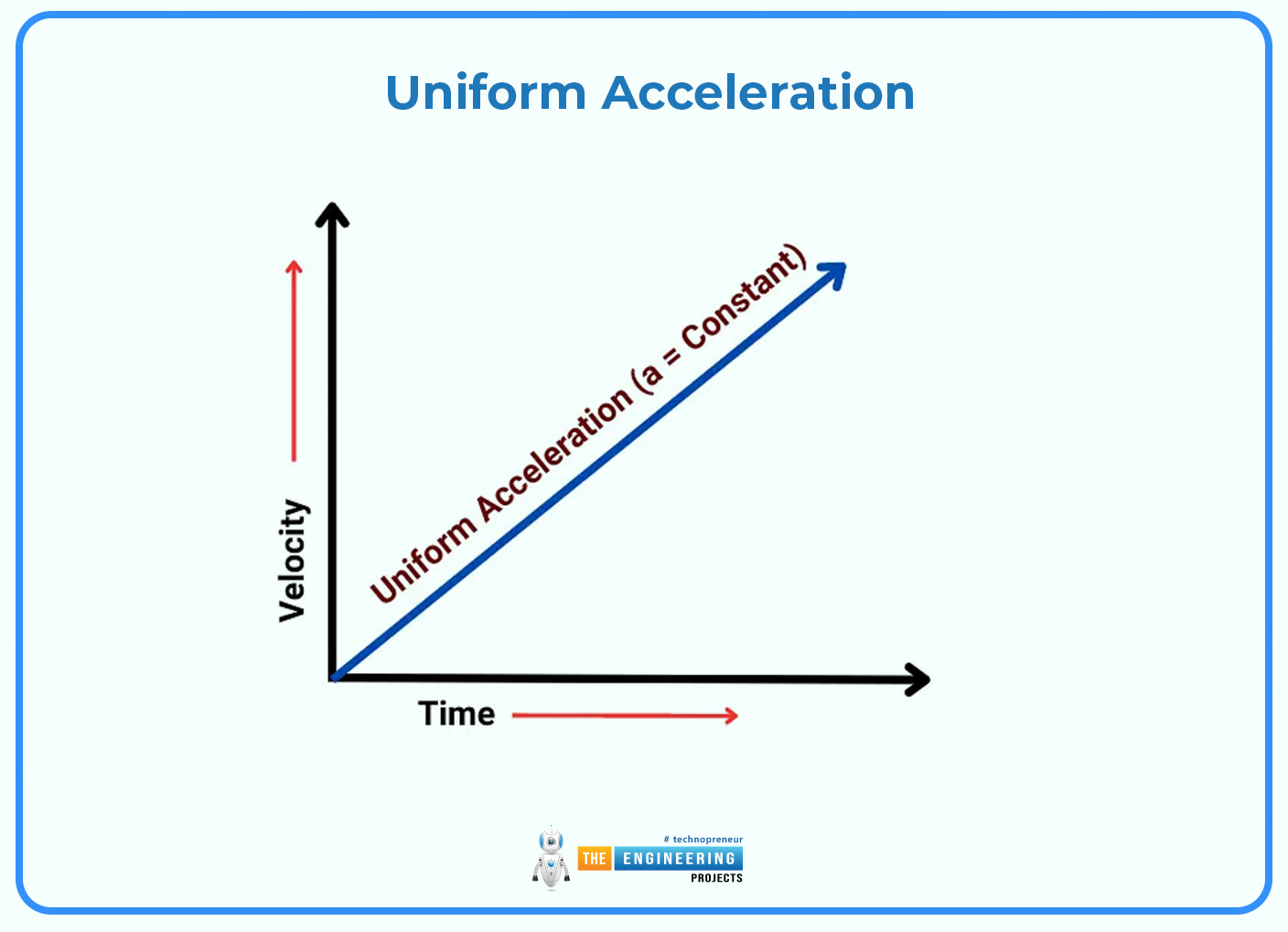
500
Silver nitrate solution is mixed with sodium chloride solution. A white solid silver chloride forms. This is an example of this type of reaction.
Precipitation reaction
500
Hydrochloric acid reacts with sodium hydroxide. The products are sodium chloride and water. This is an example of this type of reaction.
Neutralisation
500
Sodium has an electron configuration of 2,8,1. To become more stable, it will most likely do this.
Lose one electron