Enzyme basics
Active Site & Substrate
Temperature & pH
Inhibitors and activators
graph attack
100
What is the main job of an enzyme in a chemical reaction?
to speed up the reaction by lowering the activation energy.
100
What molecule binds to an enzyme?
Substrate
100
As temperature initially increases, enzyme activity usually does what?
Increases
100
What type of molecule decreases enzyme activity?
Inhibitor
100
On a substrate vs. reaction-rate graph, what happens to rate when substrate is first added?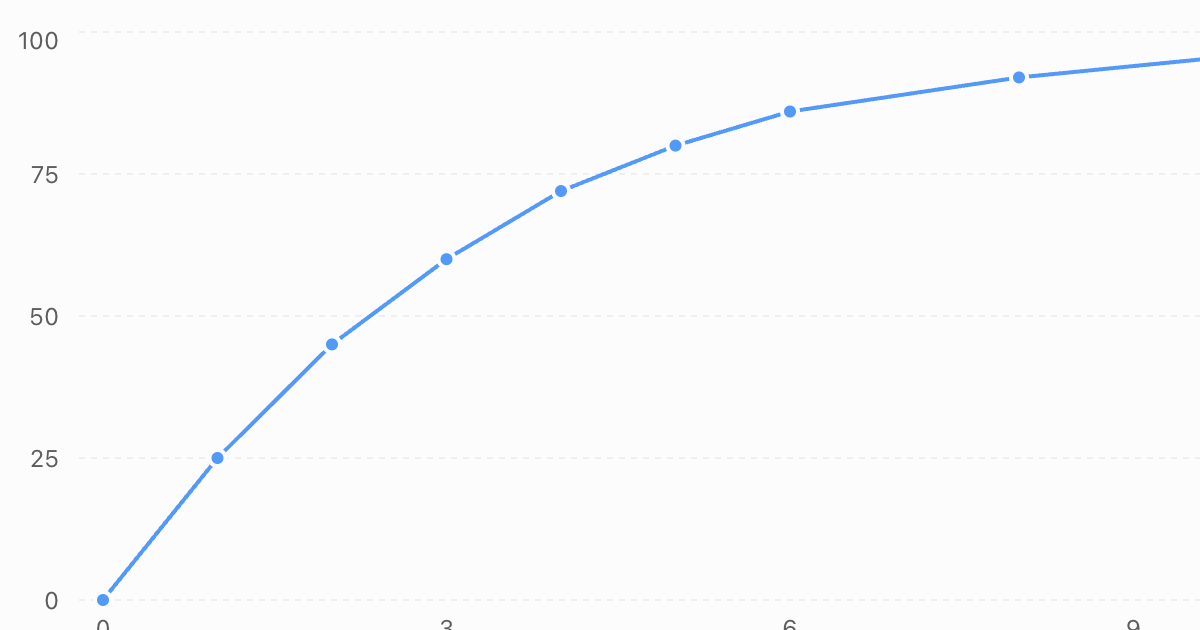
it increases
200
What is a biological catalyst called?
Enzyme
200
Where does a substrate bind to an enzyme?
Active site
200
Why does moderate warming increase enzyme activity?
Increased kinetic energy increases molecular collisions between enzyme and substrate.
200
An inhibitor binds to an enzyme at a location other than the active site, changing the enzyme’s shape and reducing its activity. What type of inhibition is occurring?
non competitive inhibition
200
Why does a substrate-concentration graph eventually plateau?
The enzymes become saturated; essentially all active sites are occupied.
300
What energy barrier must be overcome for a reaction to occur?
Activation energy
300
What happens to the active site when an enzyme denatures?
Its shape/chemical properties change, so the substrate may no longer bind properly.
300
What can extremely high temperature do to an enzyme?
Denature it, changing its 3-D structure and active site.
300
A regulatory molecule binds to an enzyme somewhere other than the active site and changes the enzyme’s shape. What is this binding location called?
Allosteric site
300
Once the graph plateaus, will adding much more substrate substantially increase reaction rate? Why?
No/not substantially. Enzyme availability has become limiting.
400
During a chemical reaction, what is the unstable, high-energy state that reactants must reach before they can become products?
Transition state
400
A substrate approaches an enzyme but cannot bind to its active site. What is the most likely reason?
The substrate does not have the correct shape and/or chemical properties to interact with that enzyme's active site.
400
Why can a large change in pH decrease enzyme activity?
pH changes can alter charges/interactions among amino acid R-groups, changing protein structure and active-site function.
400
An inhibitor competes directly with the substrate for the same binding location on an enzyme. What type of inhibition is occurring?
Competitive inhibition.
400
A temperature/activity graph rises, reaches a peak, then drops sharply. Explain BOTH sides of the graph.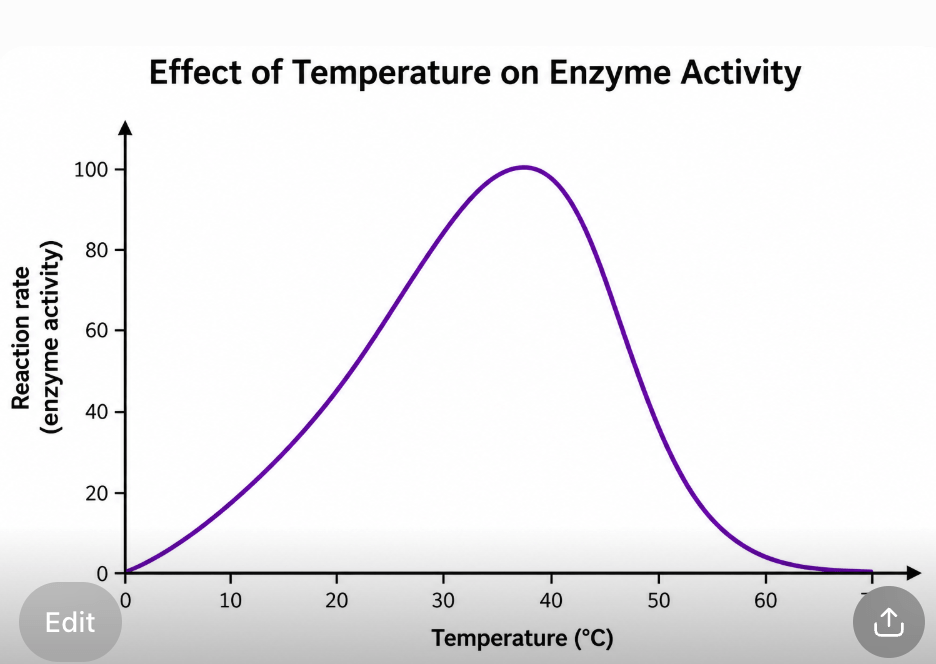
Initially, increased temperature increases kinetic energy and collisions. Above the optimum, enzyme structure is disrupted and activity falls.
500
Does an enzyme change ΔG or the energy of the reactants/products? Explain.
No. An enzyme lowers activation energy by providing an alternative reaction pathway. Enzymes change the SPEED of a reaction, not the ΔG of the reaction.reactants and products stay at exactly the same energy level
500
A mutation changes amino acids in an enzyme's active site. Predict the effect on enzyme function.
The mutation could alter the active site's shape/chemistry, changing substrate binding and decreasing or altering enzyme activity.
500
Cold vs. heat: Why might a cold enzyme regain activity when warmed, while a severely heat-denatured enzyme may not?
Cold generally slows molecular motion without necessarily destroying enzyme structure. Severe heat can disrupt interactions maintaining protein shape and cause denatureing
500
A molecule binds to an allosteric site and increases enzyme activity. What is it called, and how can binding away from the active site affect activity?
Allosteric activator. Binding causes a conformational change that can make the active site function more effectively.
500
A reaction has reached its maximum rate because all active sites are occupied. What could you add to increase the maximum reaction rate? Explain
Add more enzyme. This provides additional active sites, allowing more substrate molecules to be processed at the same time.