Who or which?
Imagen or picture
Imagen or picture # 2
1000 pts or less?
100
 Base bíblica:
 Biblical basis:
Éxodo 2: 1-10
Exodus 2: 1-19
100
 ¿Qué reconoció la hija de Faraón acerca del niño? sabía que era Hebreo?
 What did Pharaoh's daughter recognize in the child? Did she know he was Hebrew?
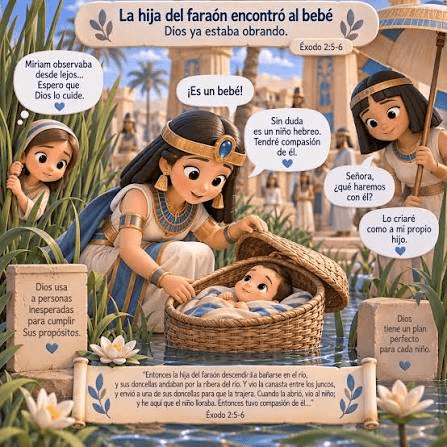
YES
100
 ¿Quién encontró la canasta?
 Who found the basket?
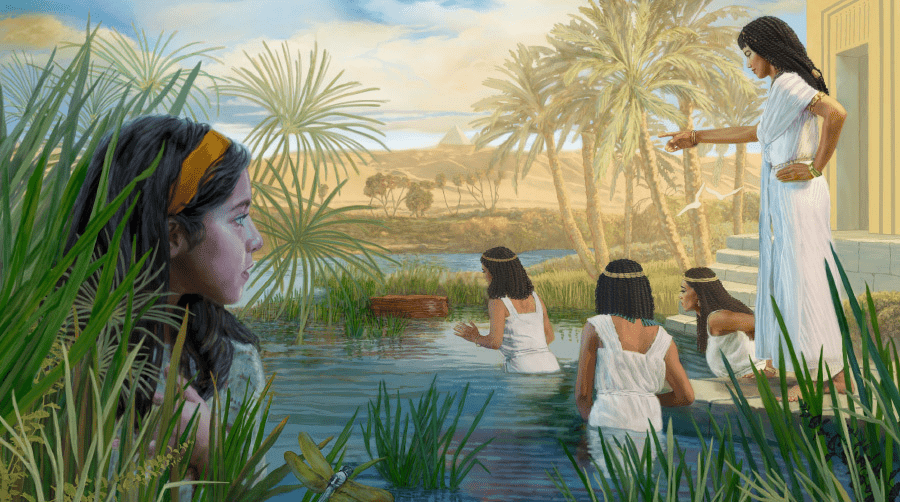
La hija de Faraón.
Pharaoh's daughter.
100
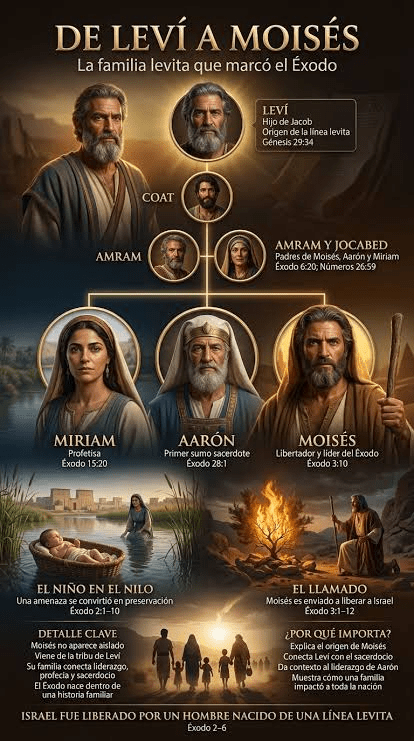
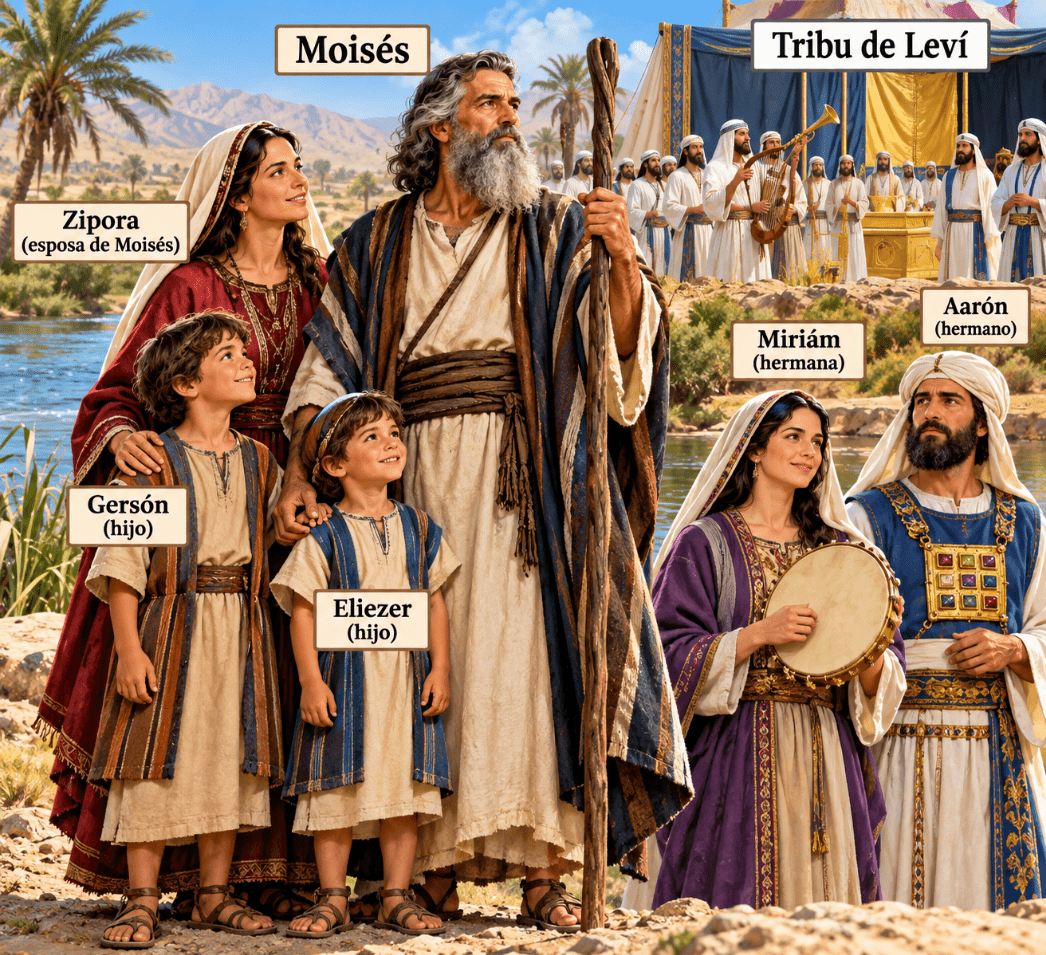
 ¿De qué tribu era la familia de Moisés?
 What tribe did Moses' family belong to?
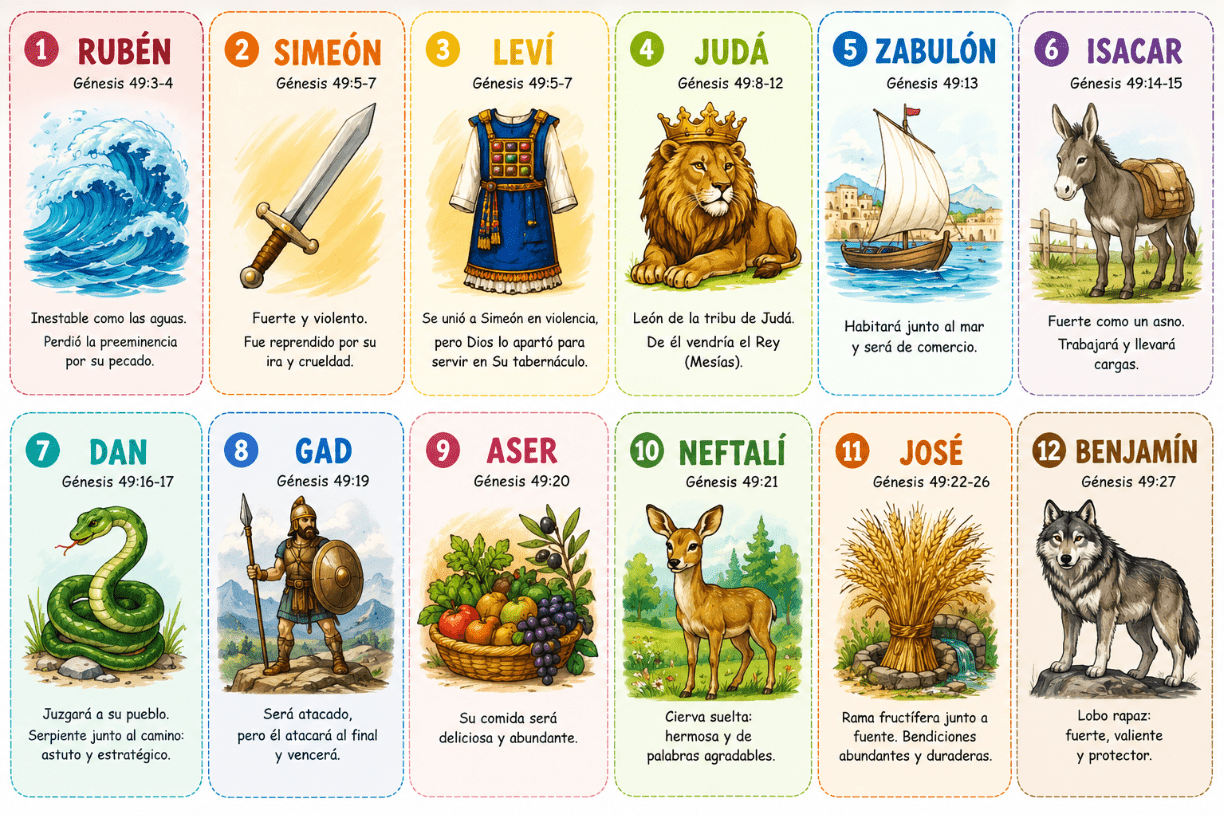
De la tribu de Leví.
200
 Tema:
 Theme:
Moisés nació con un propósito de Dios”
“Moses was born with a purpose from God”
200
 ¿Qué vio la princesa cuando abrió la canasta (v.6?
 What did the princess see when she opened the basket (V.6)?
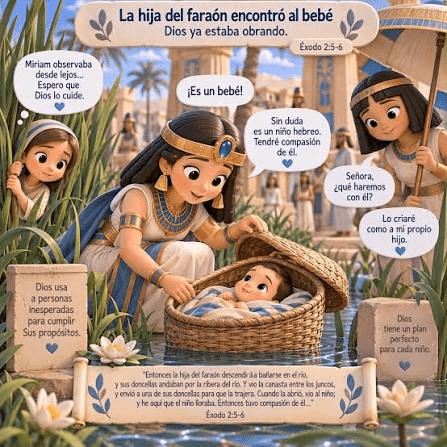
Vio a un niño que estaba llorando.
She saw a child who was crying.
200
 ¿Quién vigilaba lo que sucedía con el niño?
 Who was watching what was happening with the child?
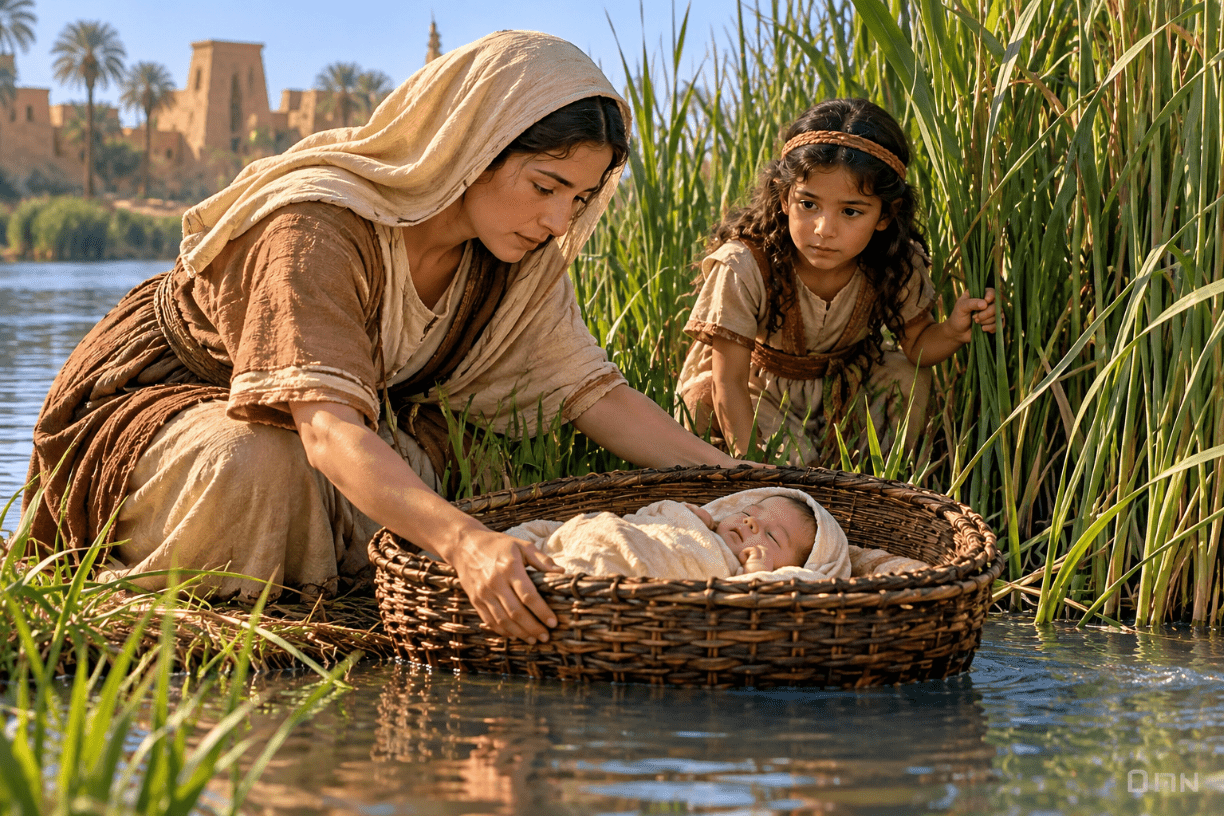
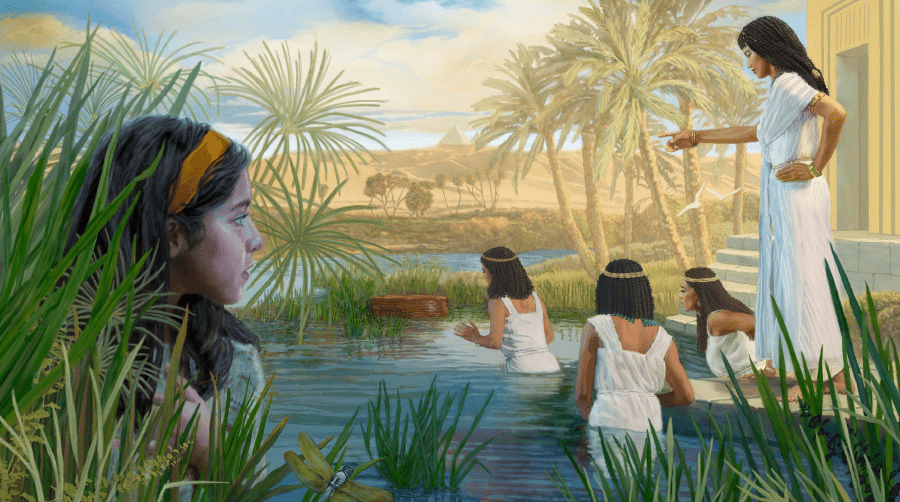
Su hermana Miriam
His sister Miriam
200
 ¿Por qué es importante este nacimiento dentro de la historia bíblica?
 Why is this birth important within the biblical story?.
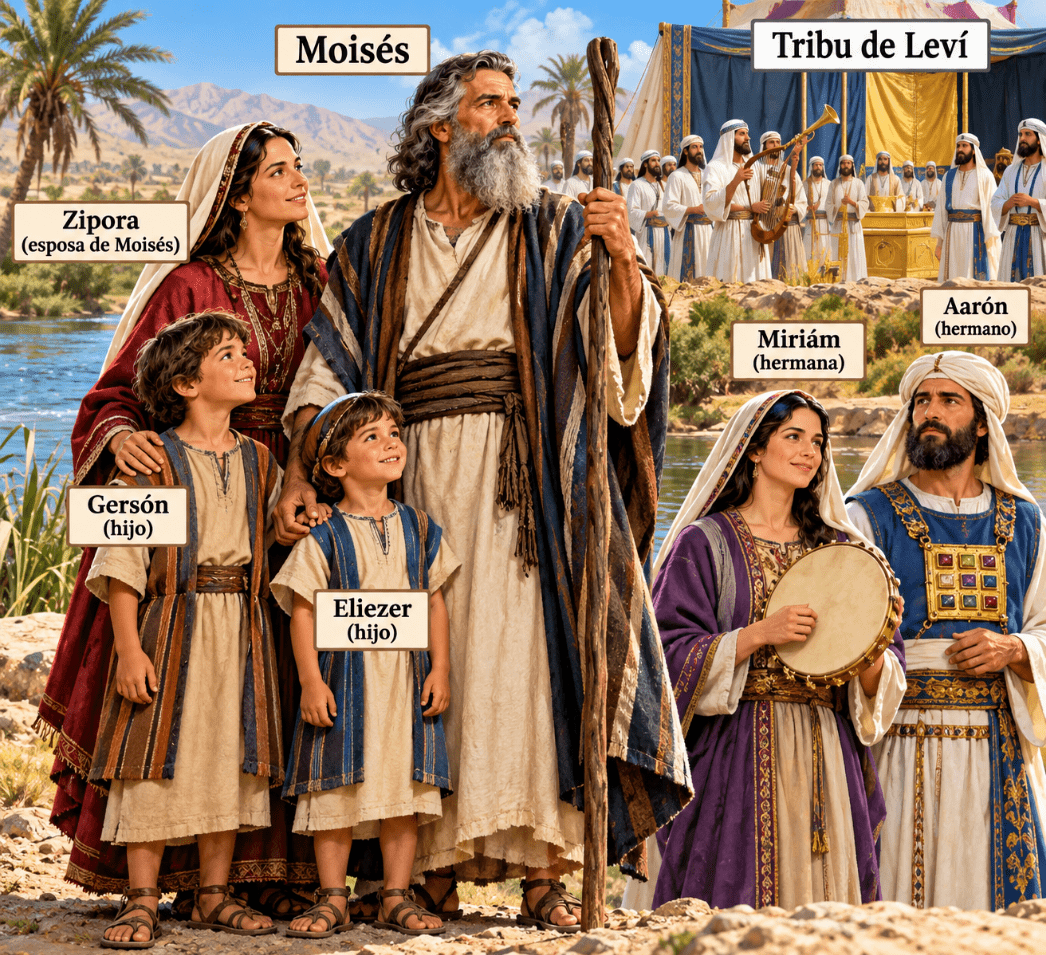
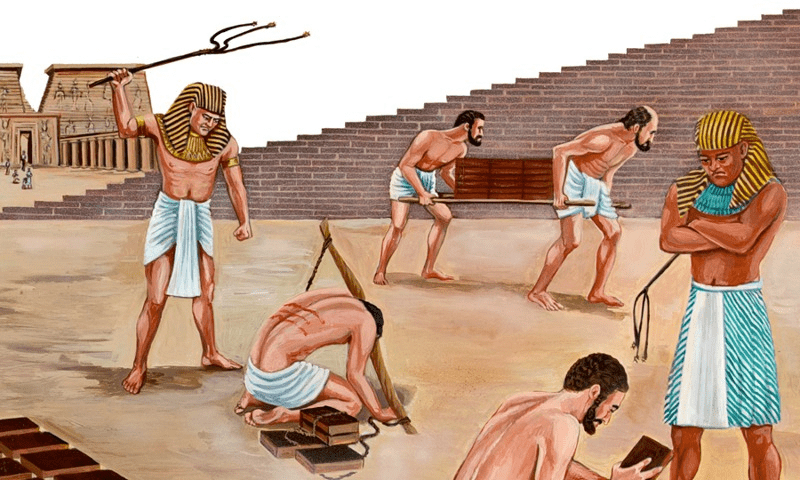
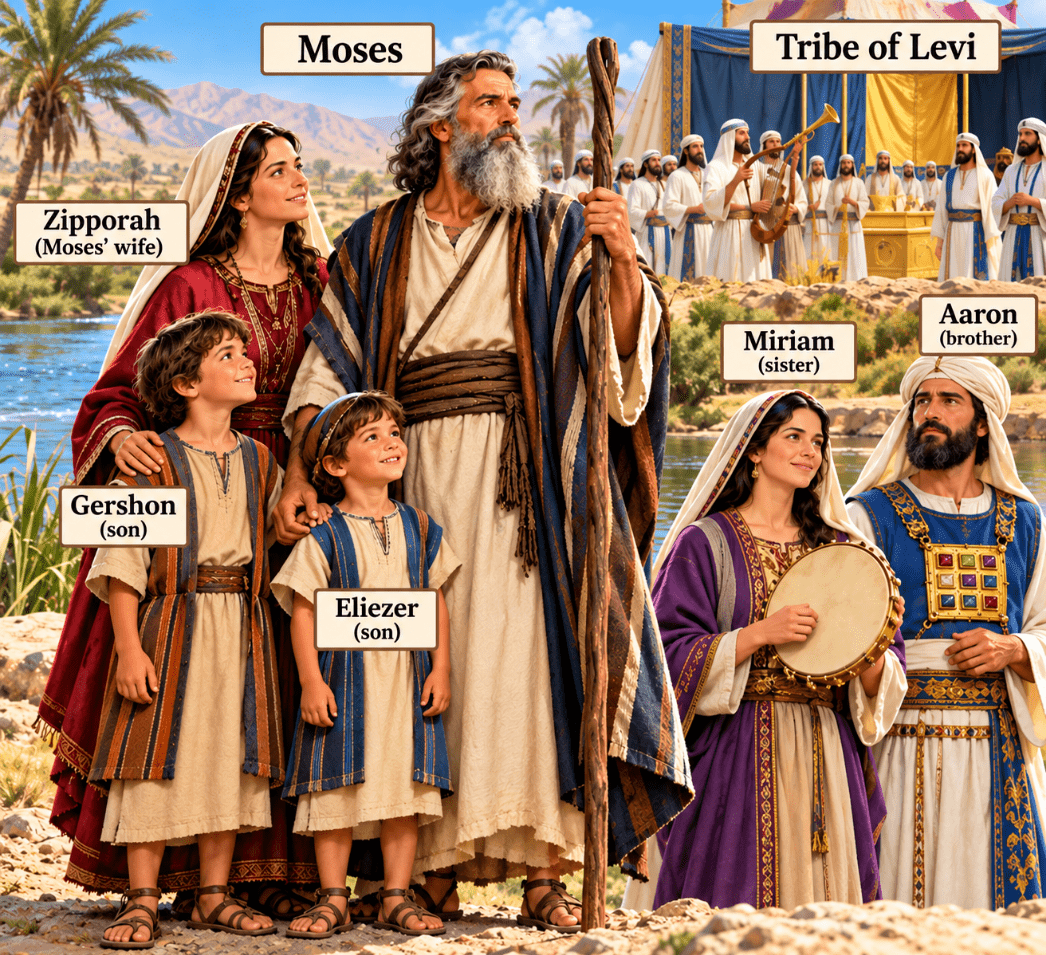
Porque Moisés sería el hombre que Dios llamaría para liberar a Israel de la esclavitud de Egipto.
Because Moses would be the man whom God would call to free Israel from slavery in Egypt
300
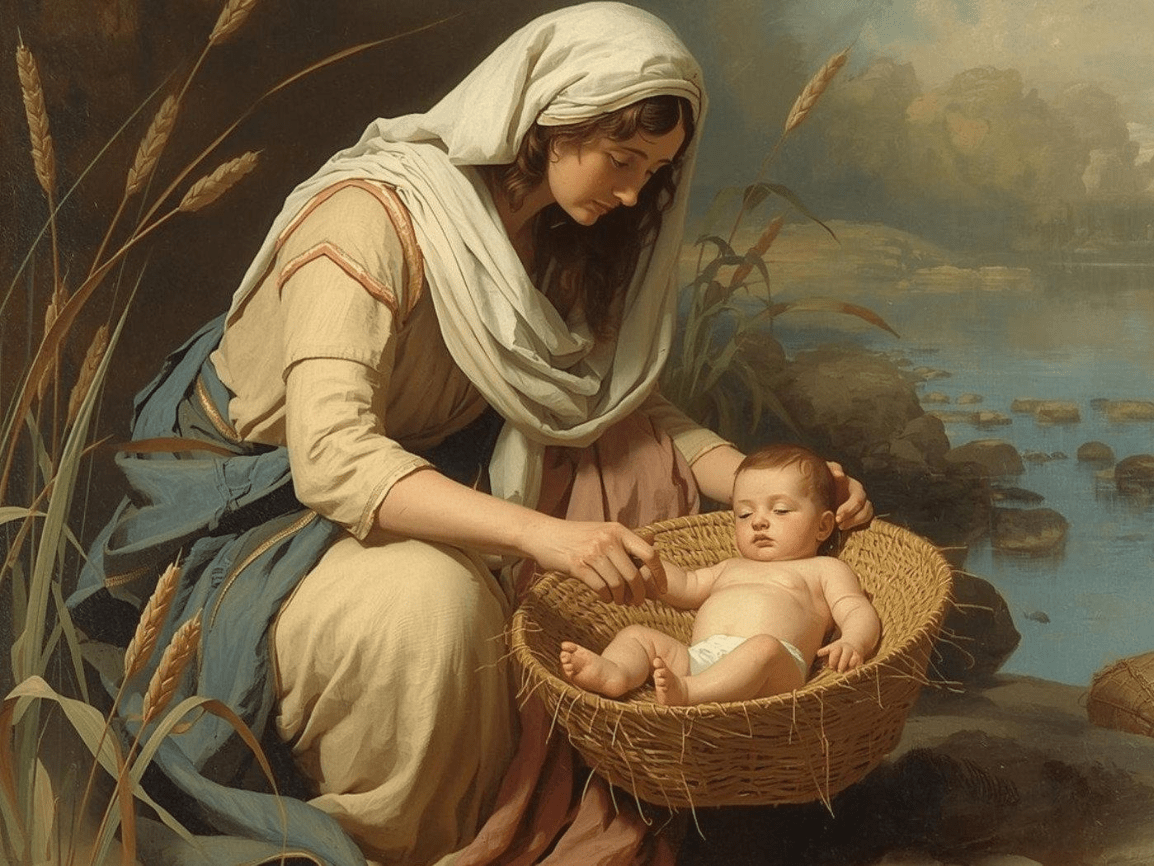
 ¿Qué preparó la madre de Moisés?
 What did Moses' mother prepare?
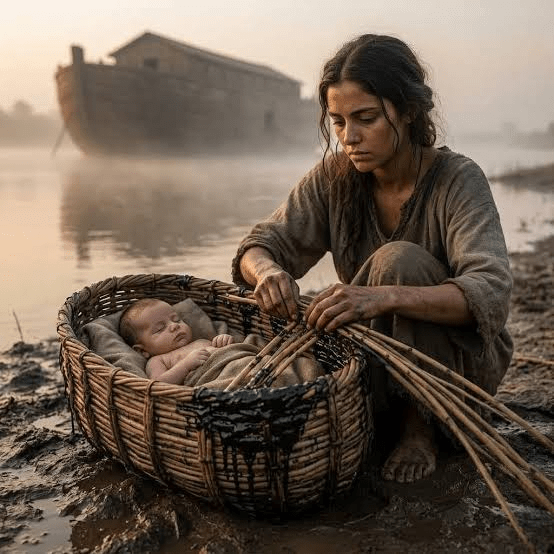
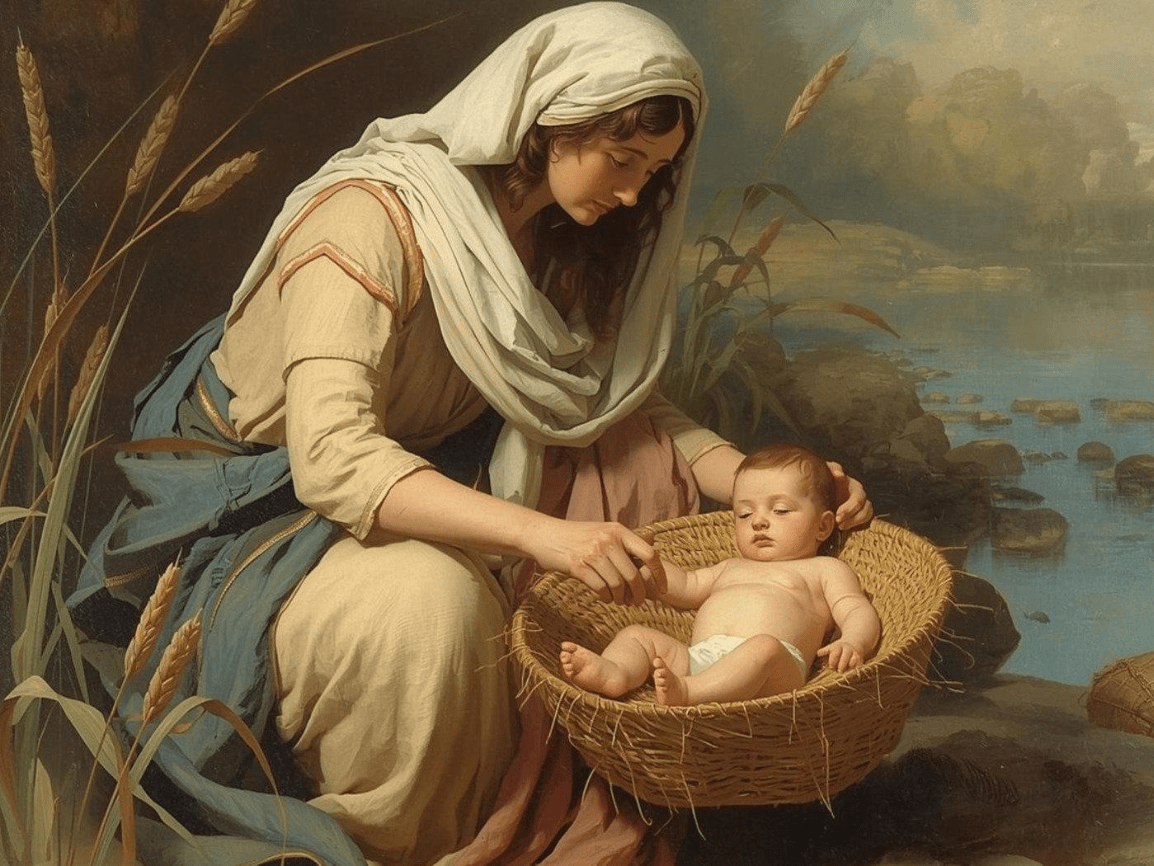
Una arquilla o canasta hecha de juncos.
A small basket made of reeds.
300
 ¿Qué sentía la hija del faraón por el bebé (V,6)?
 What did Pharaoh's daughter feel for the baby (V.6)?
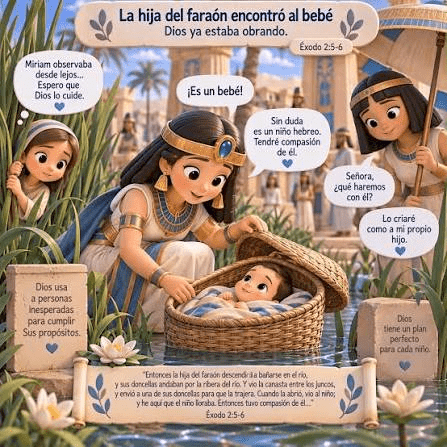
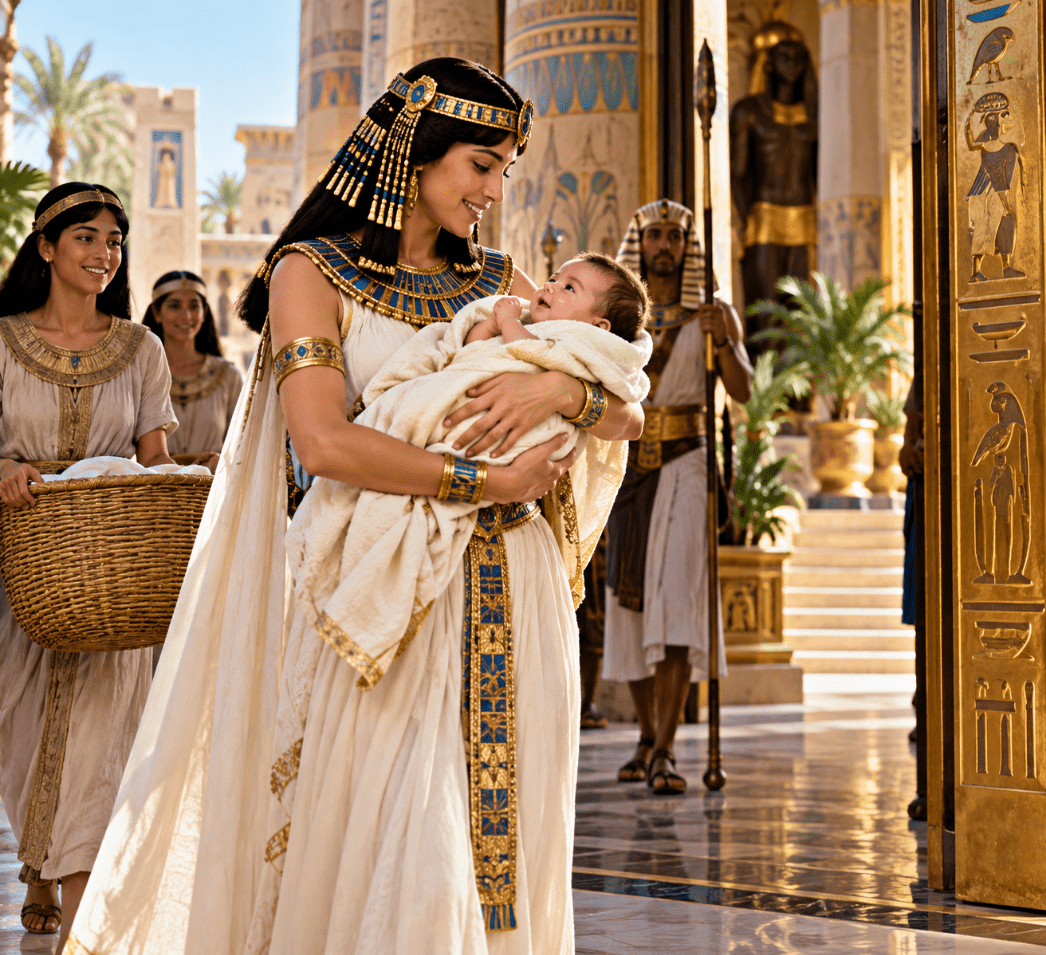
Piedad, compasión.
Pity, compassion.
300
 ¿Qué hizo Jocabed, la madre de Moisés, cuando nació Moisés?
 What did Jochebed, Moses' mother, do when Moses was born?
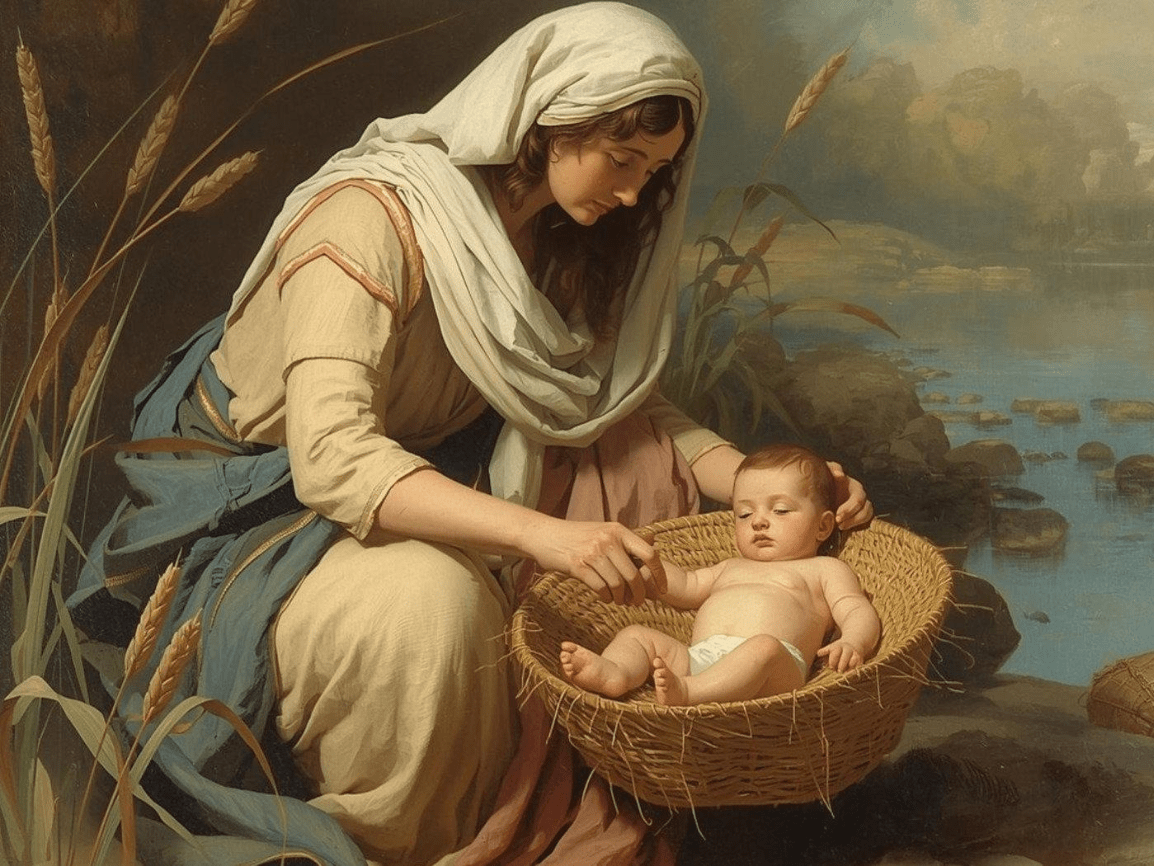
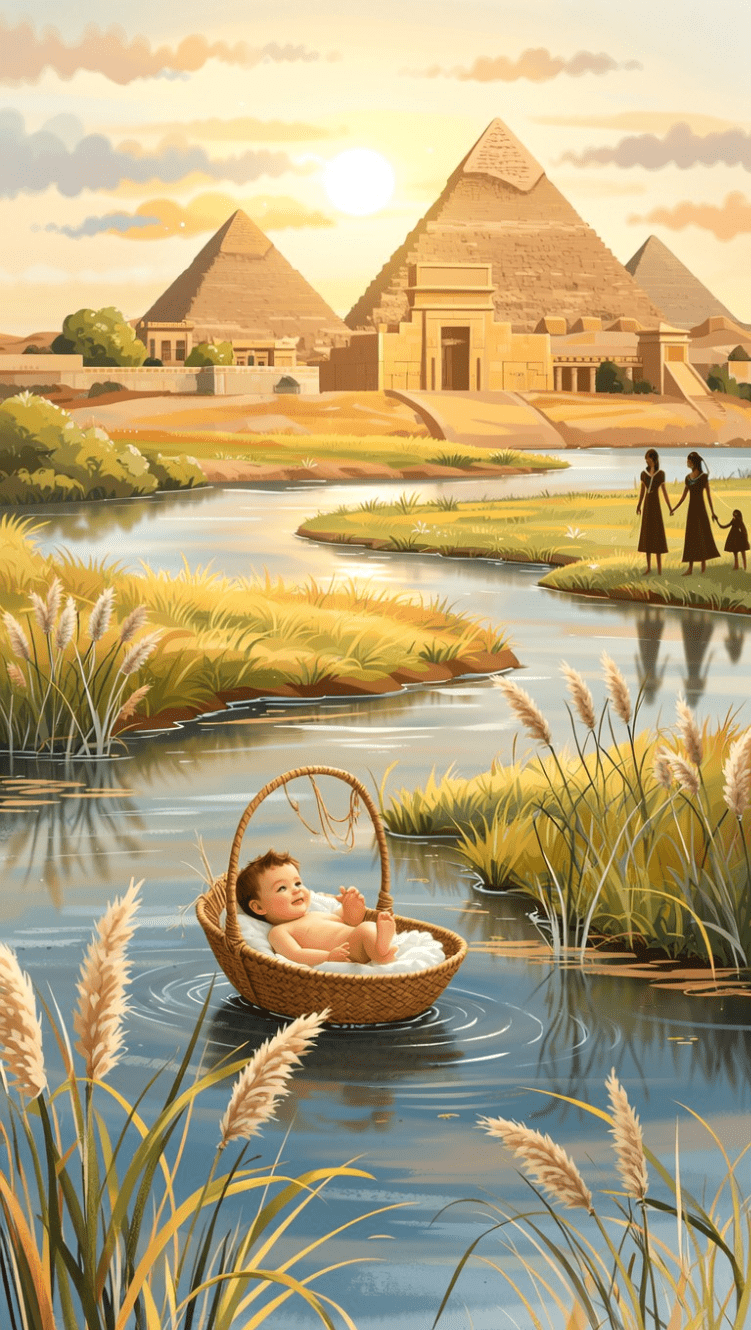
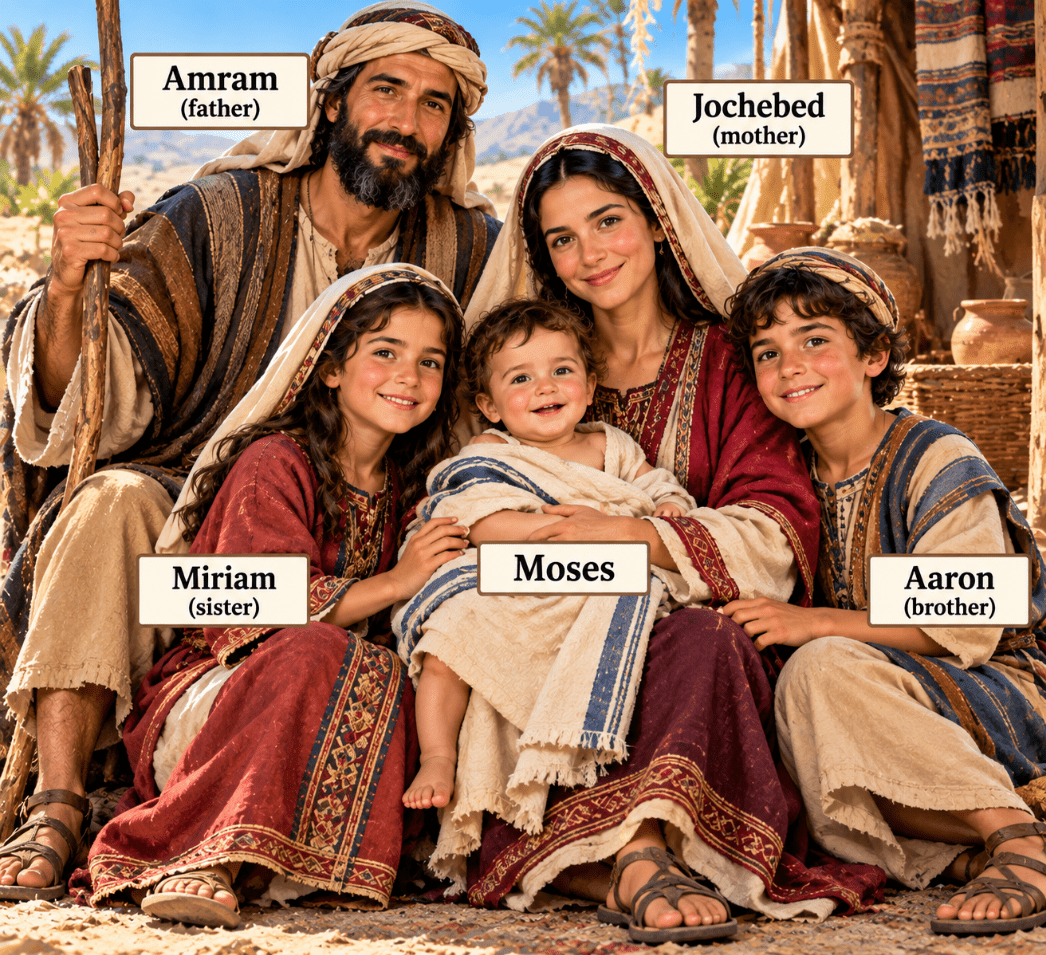
Lo escondió durante tres meses para protegerlo.
She hid him for three months to protect him.
300
 ¿Por qué fue importante que Miriam hablara?
 Why was it important for Miriam to speak out?
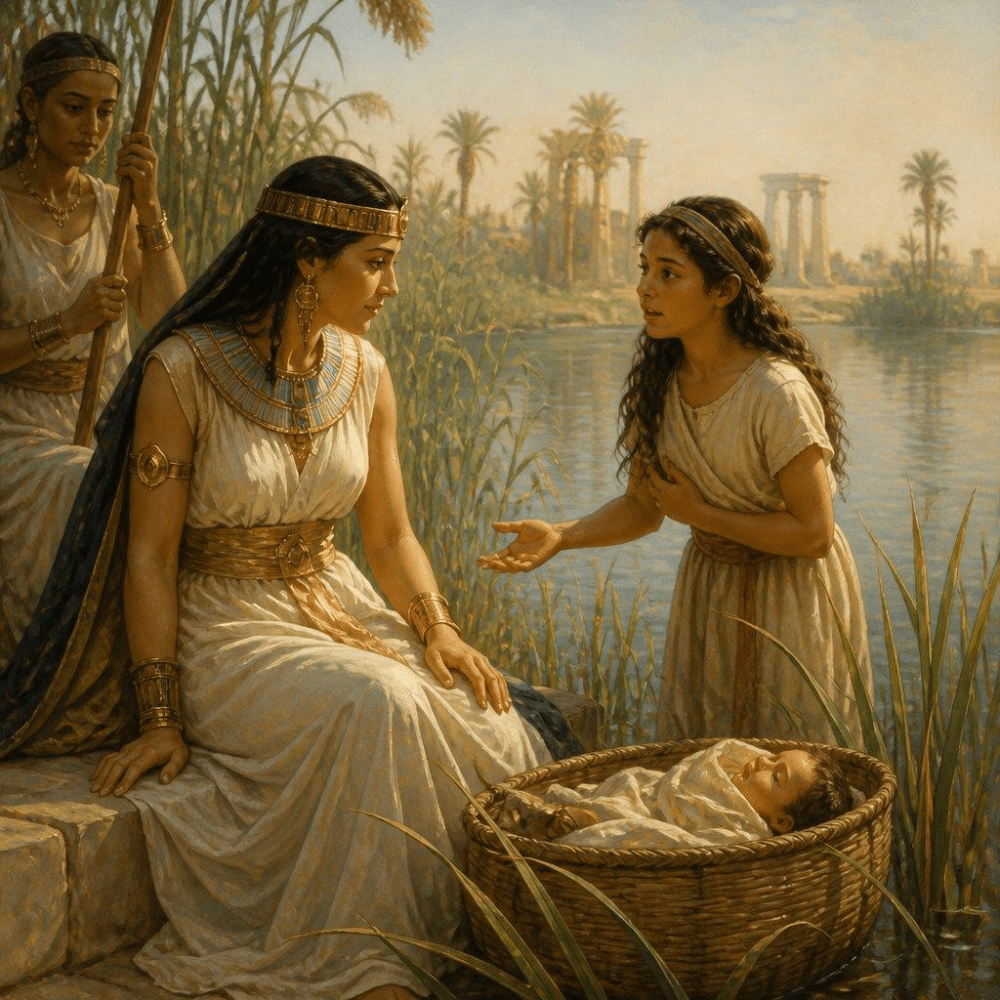
Porque abrió el camino para que el niño recibiera cuidado y para que su madre volviera a estar con él.
Because it paved the way for the child to receive care and for his mother to be reunited with him.
400
 ¿Para qué utilizó el asfalto y la brea?
 What are the asphalt and tar used for?
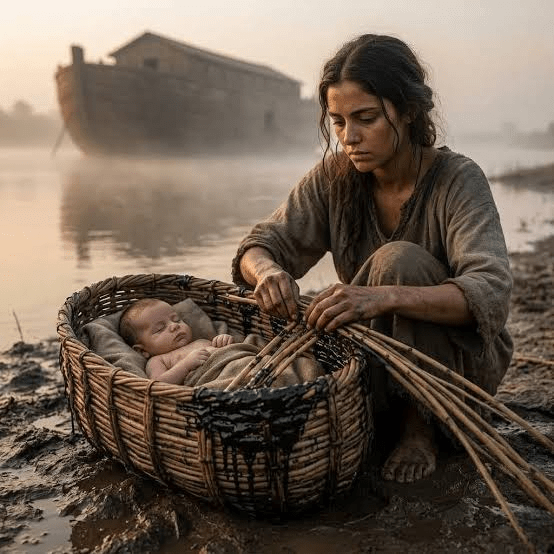
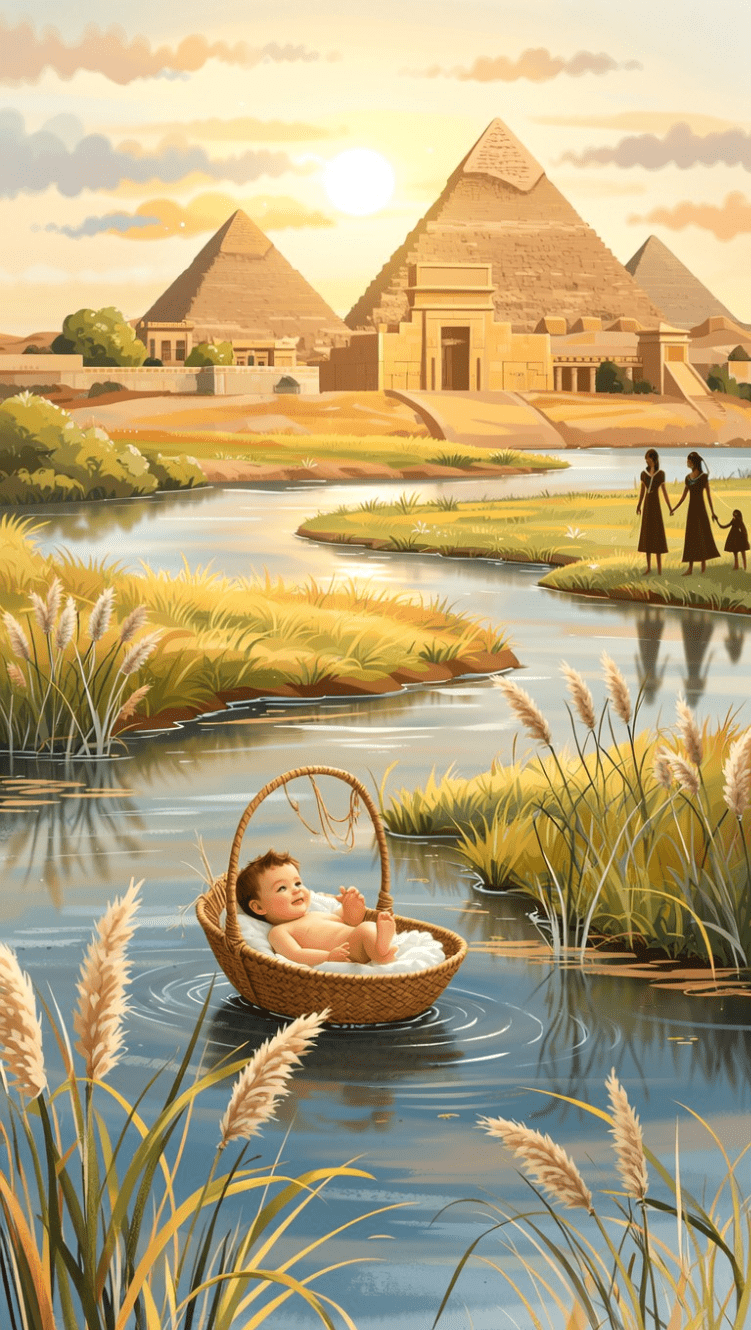
Para impermeabilizar y evitar que entrara el agua
To waterproof and prevent water from getting in
400
 ¿Dónde estaba la canasta?
 Where was the basket?
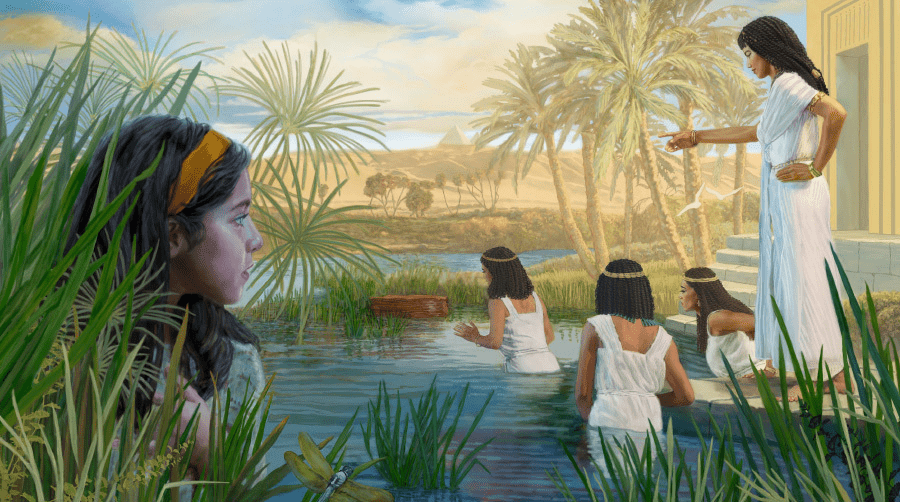
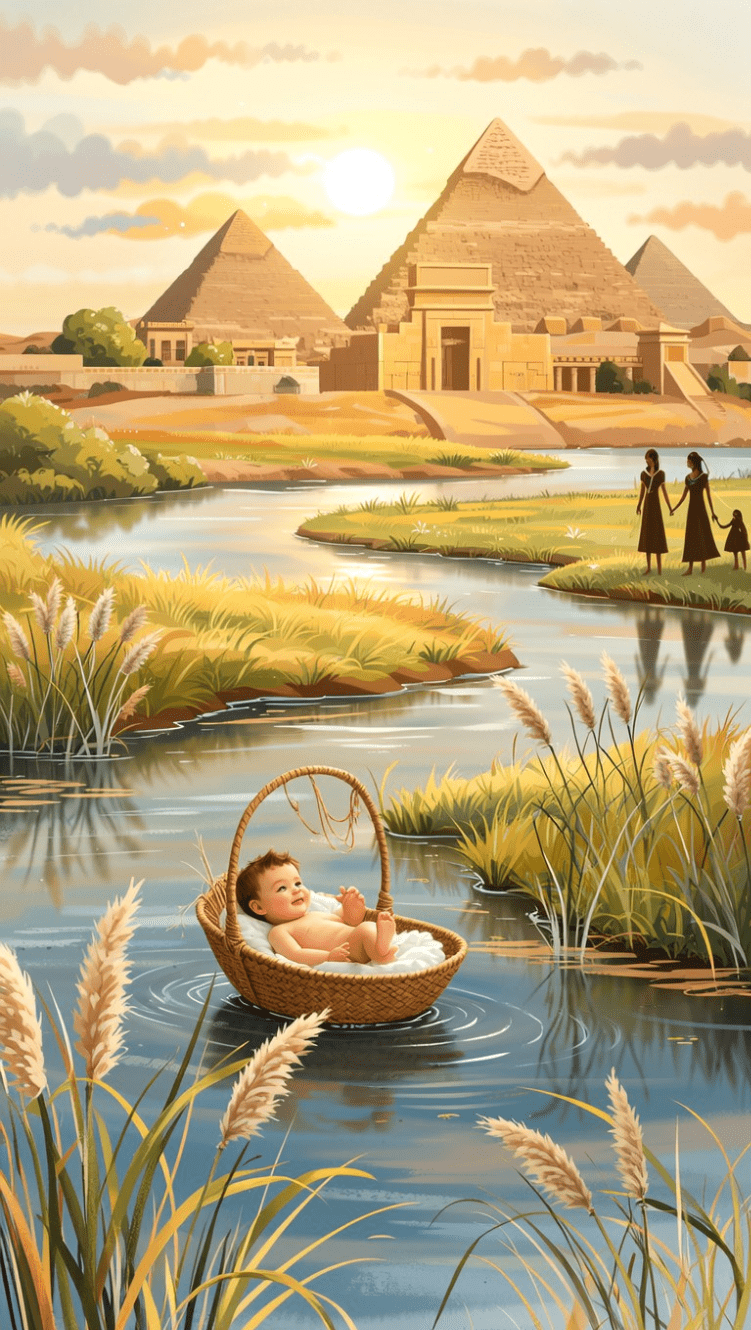
Entre los juncos, a la orilla del río.
Among the reeds, on the riverbank.
400
 ¿Por qué Jocabed, la madre de Moisés, lo mantuvo escondido durante 3 meses?
 Why did Jochebed, Moses' mother, keep him hidden for three months?
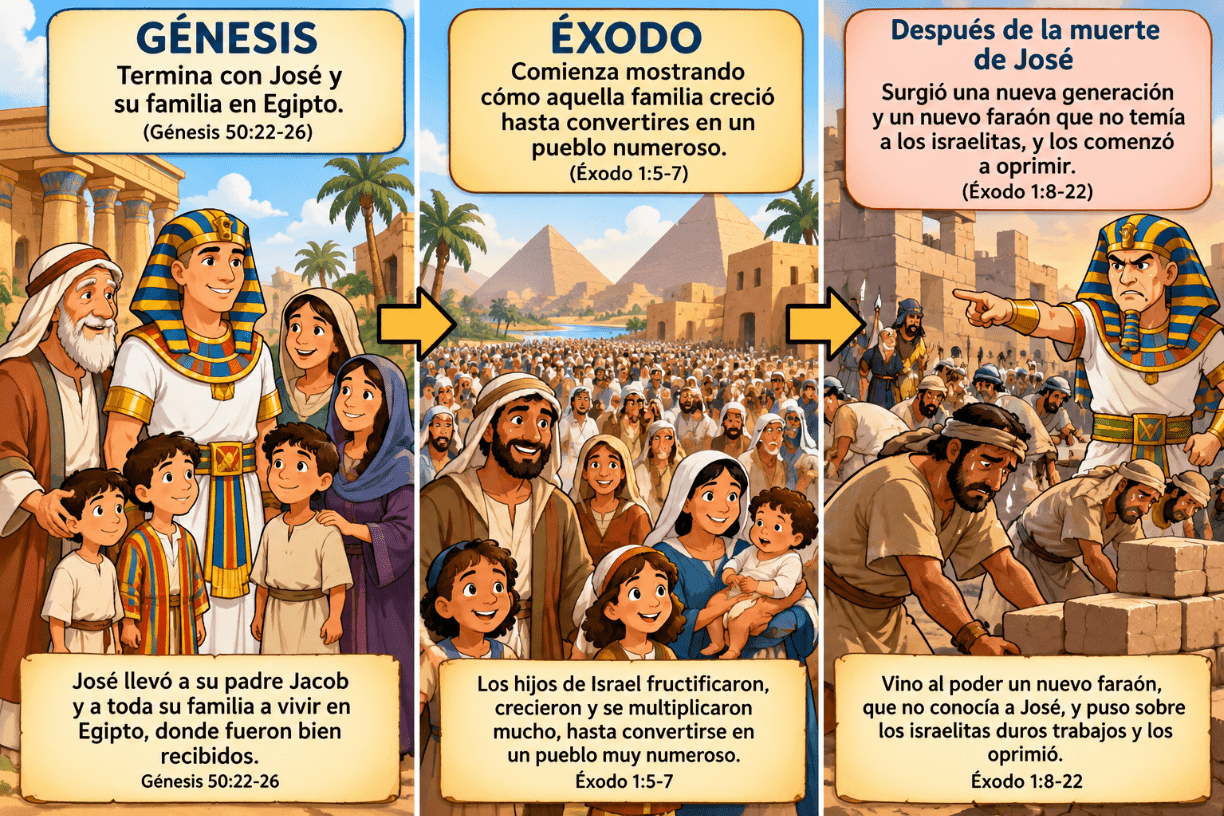
Porque Faraón había ordenado que los niños hebreos fueran echados al río
Because Pharaoh had ordered that all Hebrew children be thrown into the river.
400
 ¿Qué le pidió la princesa Hija de Faraón a la madre de Moisés?¿Qué le ofreció a cambio?
 What did the princess, Pharaoh's daughter, ask of Moses' mother?
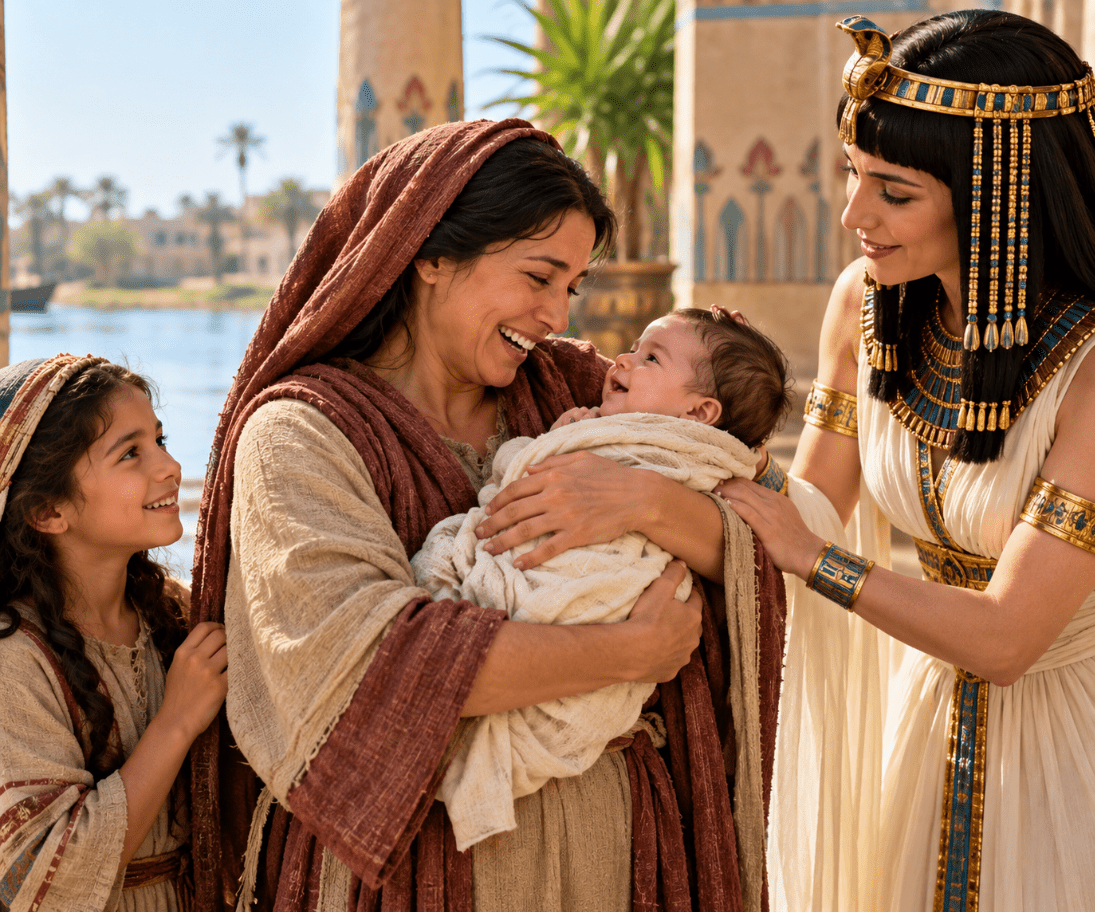
Que llevará al niño, lo amamantara y lo cuidara. Pagarle por su trabajo.
What did she offer in return? That she would take the child, breastfeed him, and care for him. To pay her for her work.
500
 ¿Qué le propuso Miriam a la princesa?
 What did Miriam propose to the princess?
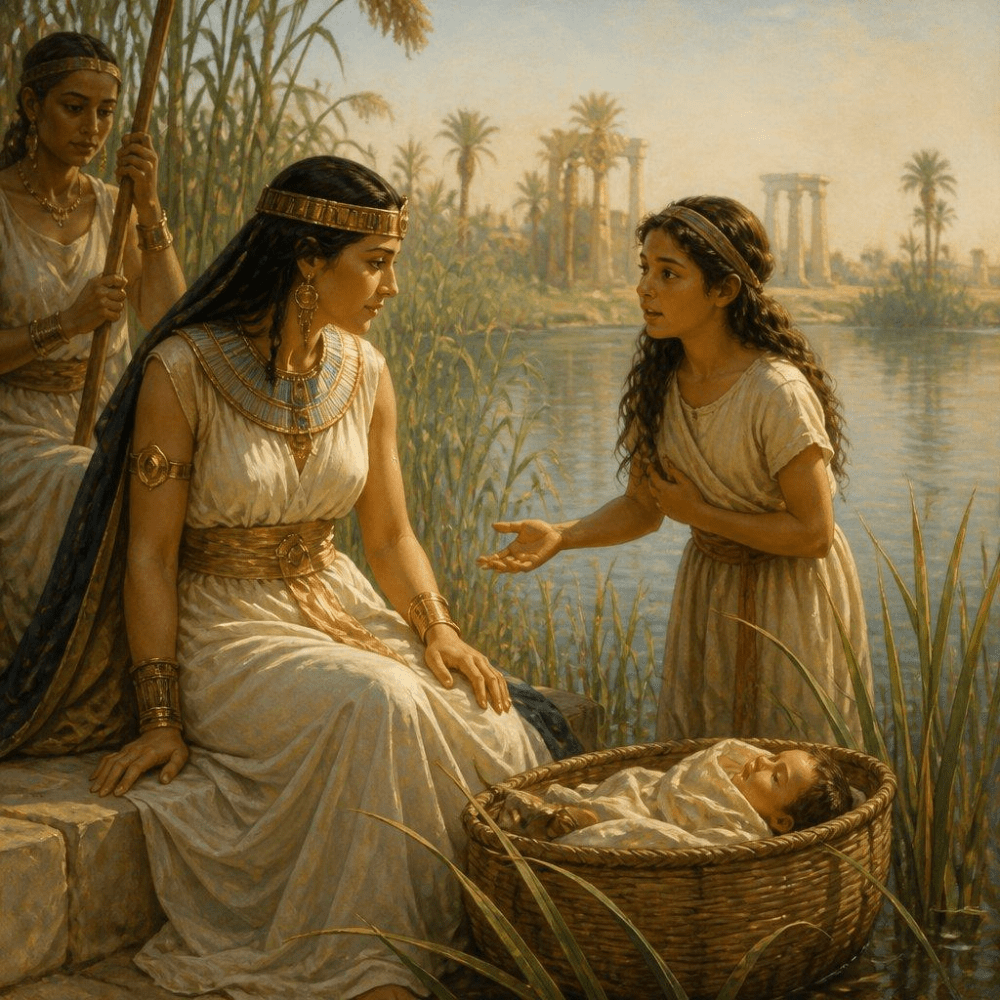
Buscar una mujer hebrea que amamantara al niño.
To find a Hebrew woman to breastfeed the child.
500
 ¿Qué hizo la hija de Faraón cuando vio la canasta?
 What did Pharaoh's daughter do when she saw the basket?
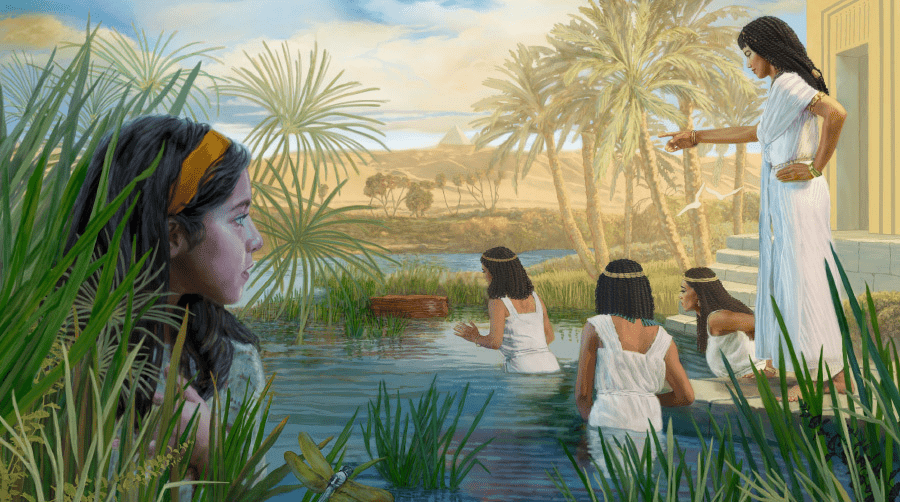
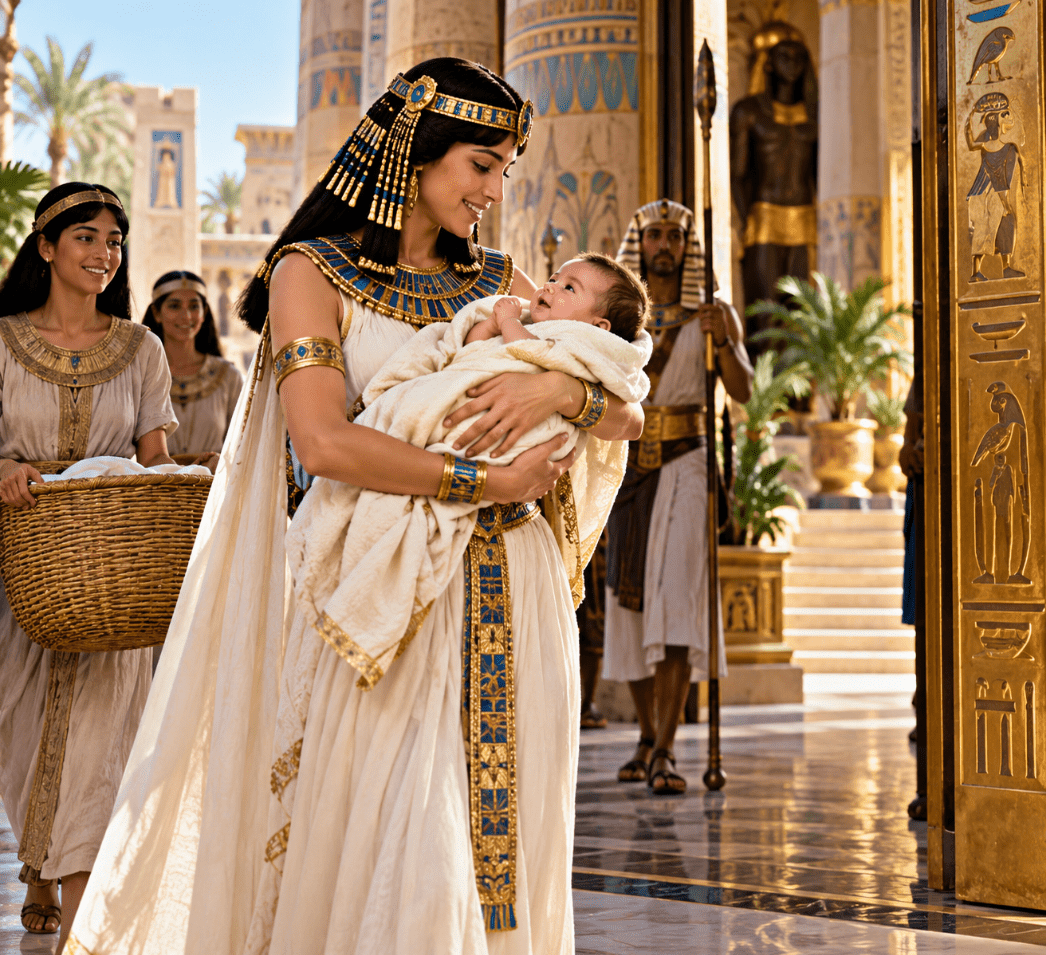
Envió a su sierva para recogerla.
She sent her servant to get it.
500
 ¿Qué sucedió cuando Moisés creció?
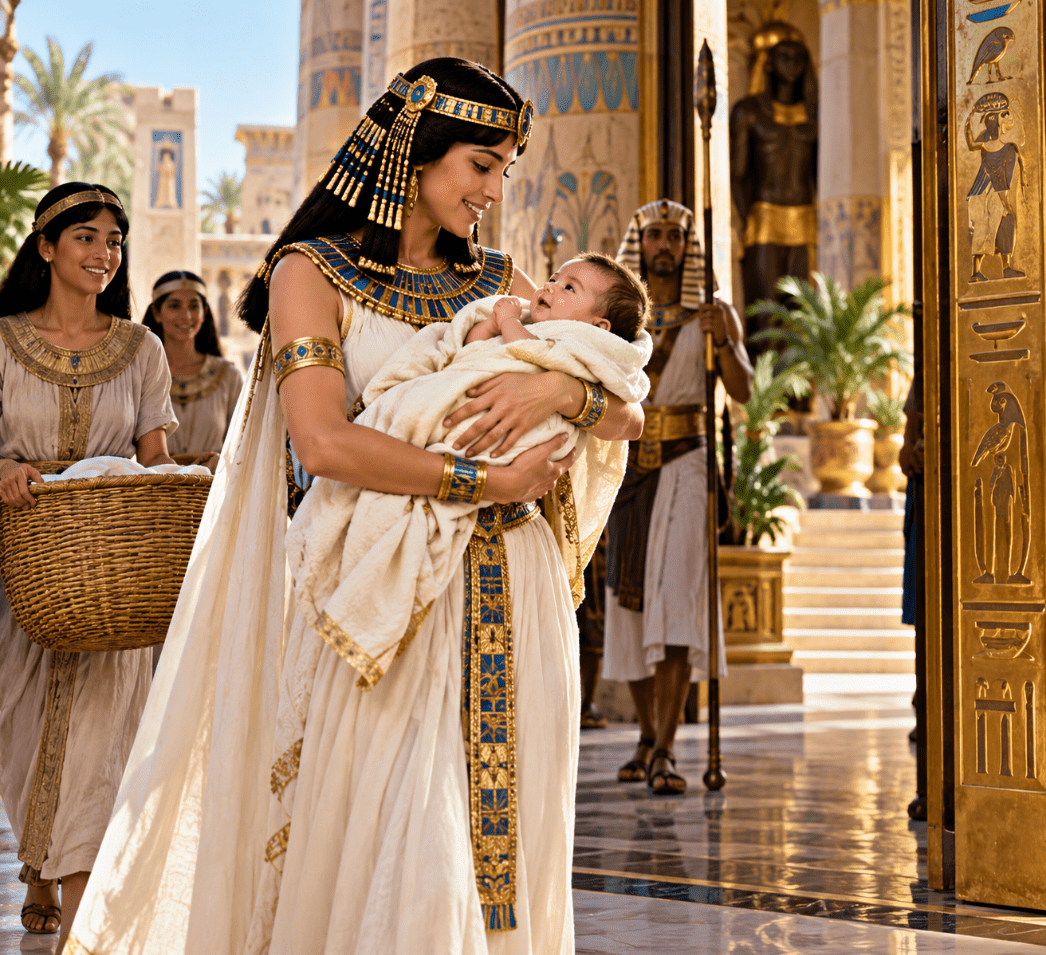
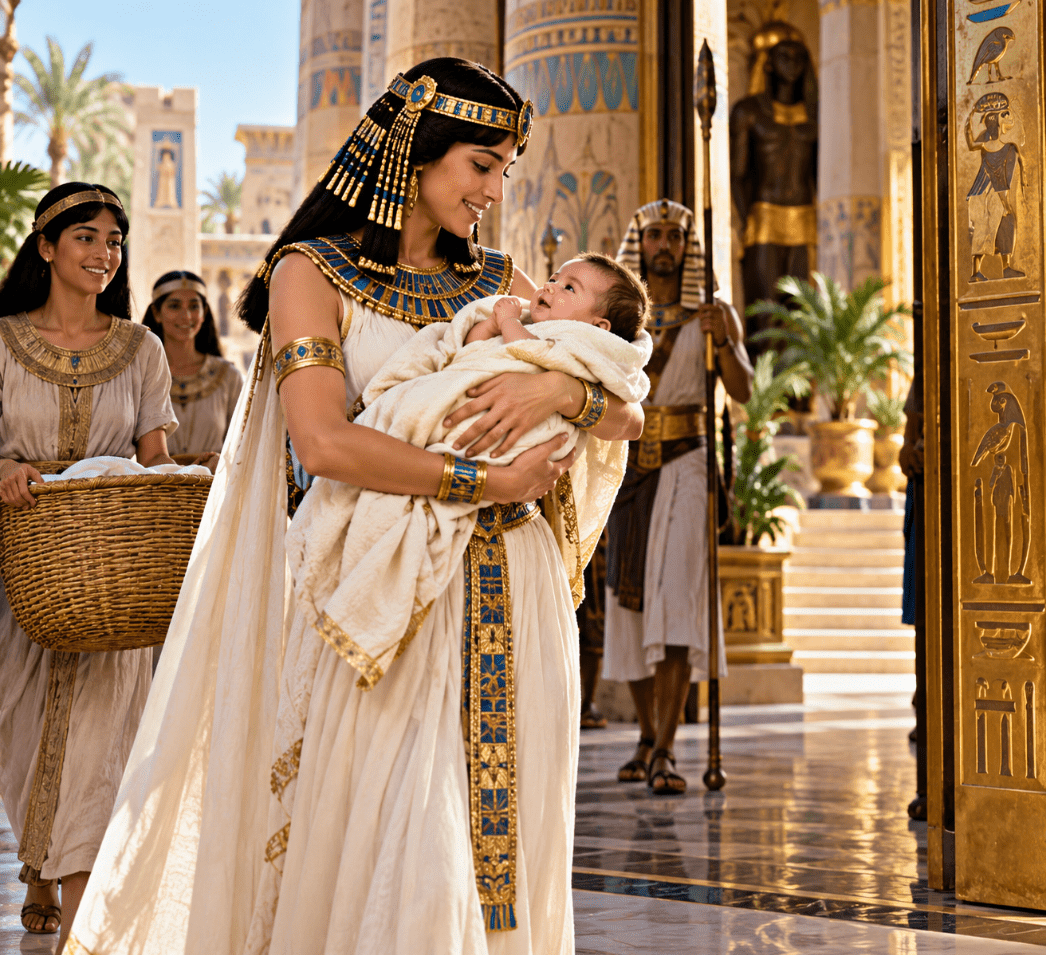
 What happened when Moses grew up?
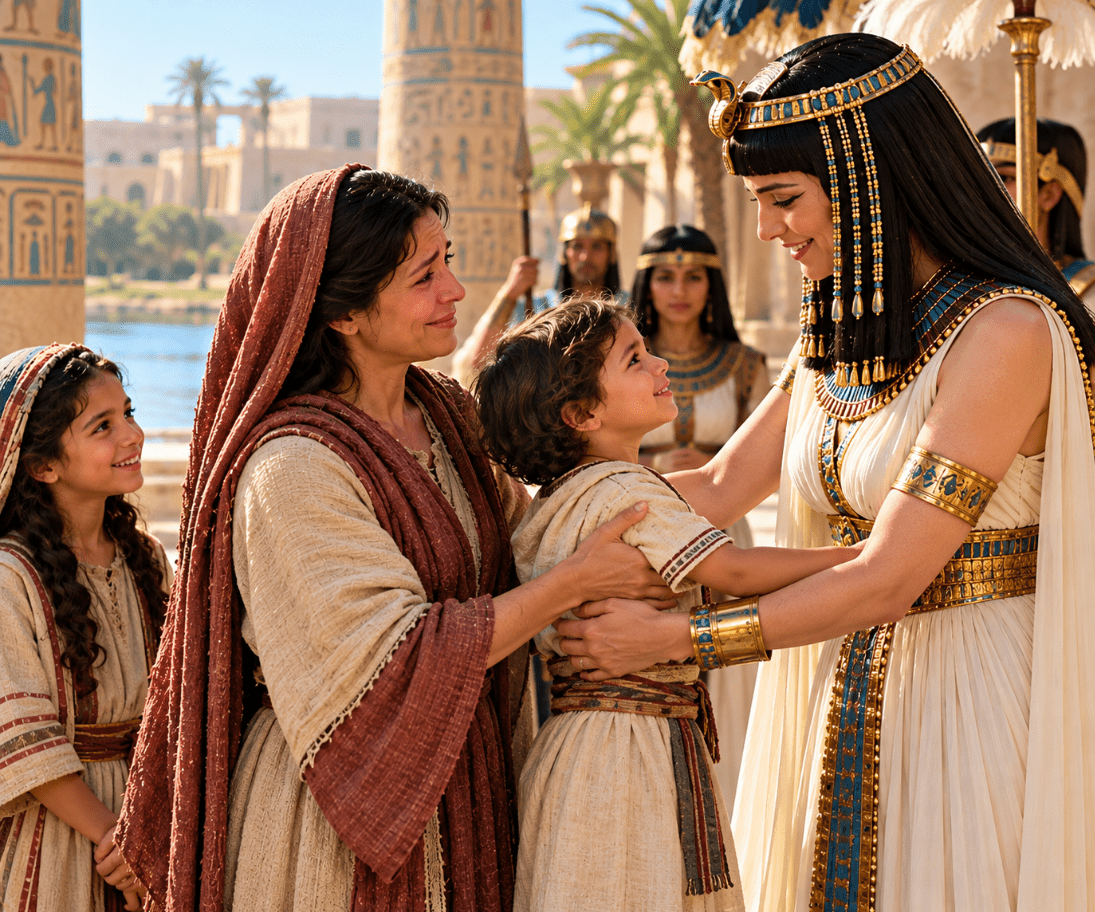
Su madre lo llevó a la hija de Faraón.
His mother took him to Pharaoh's daughter.
500
 ¿Por qué se le dio a Moisés el nombre de Moisés?
 Why was Moses given the name Moses?
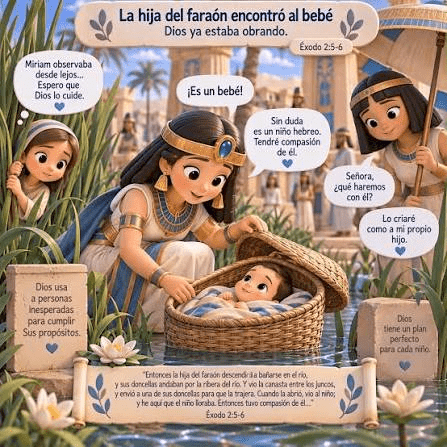
Porque la hija de Faraón dijo que lo había sacado de las aguas.
Because Pharaoh's daughter said that she had drawn him out of the water.