Characteristics of Life (Part 1)
Characteristics of Life (Part 2)
Plant & Animal Cell Parts
More Cell Parts & Powerhouses
Microscopes & Discoveries
100
This is the basic building block of all living things, often called the "brick" of life.
What is a cell?
100
Plants get this from the sun, while animals get it by eating food.
What is energy?
100
his acts like the "brain" or control center of the cell, directing all of its activities.
What is the nucleus?
100
Known as the "powerhouse" of the cell, this part turns food into usable energy.
What is the mitochondria?
100
: This is the lens at the very top of a microscope that you put your eye close to.
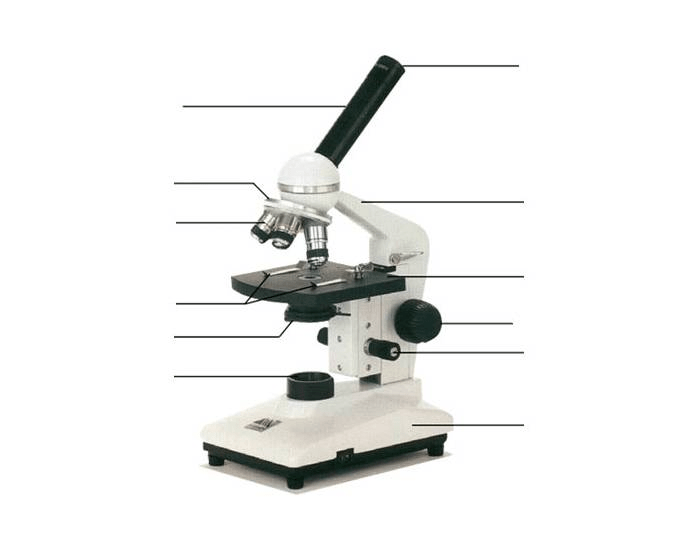
Answer: What is the eyepiece (or ocular lens)?
200
Living things do this to make more of their own kind so their species doesn't disappear.
What is reproduction?
200
Living things do this to find food, escape danger, or face the sun.
What is movement?
200
Found inside the nucleus, this holds the instruction manual or genetic code for the living thing.
What is DNA?
200
These are storage tanks inside a cell used for holding water, food, and waste.
Answer: What are vacuoles?
200
: Why was the discovery of the microscope so important to science?
It allowed scientists to see cells and microscopic organisms for the very first time.
Medical Advancements
Cell Theory
Germ Theory
300
This term describes the changes an organism goes through as it matures, like a caterpillar turning into a butterfly.
What is development?
300
A bright light makes your eyes blink. In this scenario, the blinking is your choice of this action.
What is a response
300
This is the stiff, outer layer found only in plant cells that gives them their boxy shape.
What is the cell wall?
300
Plant cells have one single, massive version of this storage tank to hold lots of water.
: What is a large vacuole?
300
When you look at an image through a microscope, it looks completely different in these two ways compared to real life.
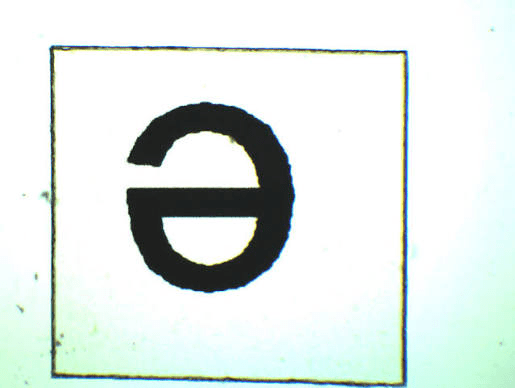
upside down and backward
400
1. Energy (Source of Food)
2. Gasses (Oxygen or Co2)
3. Water
4. Shelter
What is the importance of the above?
Answer: Essential needs for life.
400
Special features or behaviors that help an organism survive in its environment, like a camel's hump or a cactus's needles.
What are adaptations
400
These green parts are found only in plant cells and capture sunlight to make food. PHOTOSYNTHESIS HAPPENS HERE!!!!!!!
What are chloroplasts?
400
This old, incorrect theory claimed that living things could magically appear from non-living matter, like worms coming from the right mixture of mud and water.
What is spontaneous generation?
400
This is the Lens used first to focus the image.
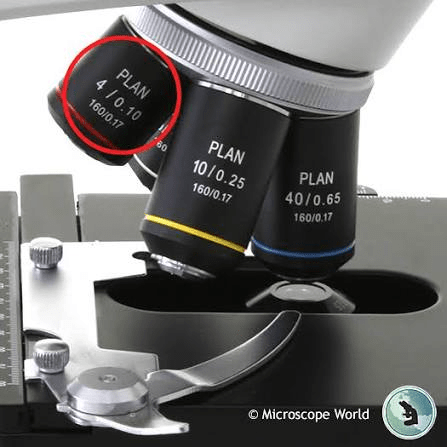
What is the Scanning Lens?
500
Living Factors in an Environment are____________
Non Living factors in an Environment are_________
What is Biotic and Abiotic?
500
1. Cells are the smallest unit of life
2. All living organisms are made of cells
3.Cells come from other cells
What Theory is this?
What is the Cell Theory?
500
This thin, flexible layer surrounds all cells and controls what goes in and out, like a gatekeeper.
What is the cell membrane?
500
This is the correct scientific law stating that living things can only come from other living things.
What is biogenesis?
500
This part of the microscope controls how much light passes up through the specimen.
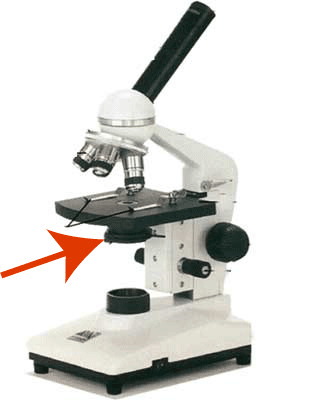
What is the diaphragm?