Planets
Moons
Classification
Facts
Types
100
The largest planet in the solar system
Jupiter
100
a natural satellite, rocky object that orbits another object in the solar system
moon
100
Planets closer to the sun than the earth
Inferior planets
100
This planet has a similar density to Earth
Mercury
100
two gas giants
Jupiter, Saturn, Uranus, or Neptune
200
The fourth planet from the sun
Mars
200
The amount of moons that Mars has
two
200
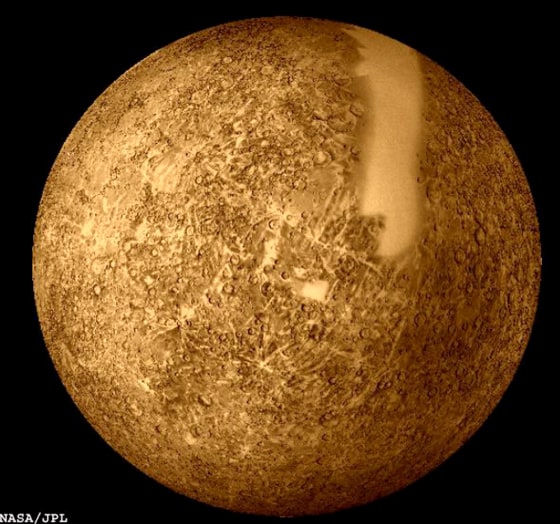 True or False: This is a superior planet (mercury). If it is false, what type is it?
False, inferior
200
A day on this planet is equal to .44 Earth days
Saturn
200
Jovian planets (name)
Jupiter, Saturn, Uranus, and Neptune
300
Named after the Roman god of the sea.
Neptune
300
The name for Earths moon
moon
300
When planets appear to move backward against the stars
retrograde motion
300
A year on this planet is equal to about 84 Earth years
Uranus
300
Planets that are larger than Earth and are mostly made of light elements
Jovian
400
These two planets have no moons.
Mercury and Venus
400
The moons, Phobos and Deimos, orbit around this planet
Mars
400
Planets farther from the sun than the earth
Superior planets
400
This planet is named after the goddess of beauty and love
Venus
400
Terrestrial planets
Planets that are about the same size and density as Earth
500
The planets in order from farthest to closest to the sun
Neptune, Uranus, Saturn, Jupiter, Mars, Earth, Venus, Mercury
500
Jupiter's largest moon
Ganymede
500
Transits
Black silhouettes of planets as they cross in front of the sun
500
Name of the largest volcano in the solar system
Olympus Mons
500
These planets are terrestrial planets
Earth, Mercury, Venus, and Mars