Dictionary
Figurative Language
Chance
100
Read the dictionary entry.
prime (prym) adj.
first in order or importance
excellent; of the highest quality
earliest stage of growth
n. 4. the best part of a person’s life
[from Latin primus, meaning “first”]
Which sentence uses prime as defined in meaning 2?
A. The teacher reminded us that the prime reason for rules is safety.
B. We planted the seeds in the prime of spring.
C. That restaurant is known for serving prime cuts of steak.
D. The actor said he was still in the prime of his career.
What is C. That restaurant is known for serving prime cuts of steak?
100
“Her voice was like warm honey.”
What type of figurative language is used?
A. Metaphor
B. Simile
C. Idiom
D. Hyperbole
What is B. metaphor?
100
“Billy bragged that he'd get an A on the science benchmark without studying. After failing the test, he had to eat humble pie.”
Question: What does this idiom mean, and what does it reveal about the situation?
A. He literally ate a pie in front of the teacher.
B. He accepted his mistake and admitted he was wrong.
C. He was punished unfairly by his parents.
D. He learned how to bake a pie for the entire class.
What is B. He accepted his mistake and admitted he was wrong.?
200
Read the dictionary entry.
vital (vahy-tl) adj.
necessary for life
extremely important
full of energy
[from Latin vita, meaning “life”]
Which sentence uses vital as defined in meaning 3?
A. It is vital that you turn in your permission slip before Friday.
B. After the long nap, the puppy was vital and ready to play.
C. Oxygen is vital for all living organisms.
D. Your support is vital to the success of the program.
What is B. After the long nap, the puppy was vital and ready to play?
200
In the sentence “Time is a thief that steals our moments,” what is the impact of the metaphor?
A. It shows that time literally commits crimes.
B. It suggests time feels guilty for moving quickly.
C. It emphasizes how quickly important moments pass.
D. It explains a scientific fact about aging.
What is C. It emphasizes how quickly important moments pass?
300
Read the dictionary entry.
charge (chahrj)
n.
a price or fee
care or custody
v.to rush forward
to accuse formally
Which sentence uses charge as defined in meaning 2?
A. The knight prepared to charge at the enemy.
B. The teacher left the class in Maria’s charge.
C. My phone needs to charge before we leave.
D. The lawyer said the charge was incorrect.
What is B. The teacher left the class in Maria’s charge?
300
The idiom “break the ice” means—
A. To literally crack frozen water
B. To make a situation less awkward
C. To ruin a good moment
D. To cause trouble on purpose
What is To make a situation less awkward?
400
Read the dictionary entry.
harbor (hahr-ber) n.
a sheltered place for ships
a place of safety
v. 3. to keep in one’s mind
[from Old English herebeorg, meaning “shelter”]
According to this dictionary entry, what is the word origin of the word harbor?
A. Greek
B. Old English
C. German
D. Old Norse
What is B. Old English?
400
“He really let the cat out of the bag when he mentioned the surprise party.”
Which of the following best explains the idiom and its effect on the sentence?
A. He freed a literal cat; it distracts the reader.
B. He bought a pet; it adds humor.
C. He made a mess; it confuses the plot.
D. He revealed a secret; it builds tension in the story.
What is D. He revealed a secret; it builds tension in the story?
500
Read the dictionary entry.
passport (PASS-port) n.
an official document that allows someone to travel internationally
— from Middle French passeport, from Italian passare (to pass) + Latin portus (harbor)
What does the etymology of passport show?
A. The word is formed from two Latin roots only.
B. The word has origins in more than one language.
C. The word originally meant “permission to carry goods.”
D. The word changed languages but kept the same spelling.
What is B. The word has origins in more than one language?
500
In the line “The wind whispered secrets through the trees,” why might the author use personification instead of a literal description?
A. To make the wind feel like it is alive and mysterious
B. To confuse the reader about the weather
C. To explain a scientific fact about wind
D. To create a simile comparing wind to voices
What is A. To make the wind feel like it is alive and mysterious?
600
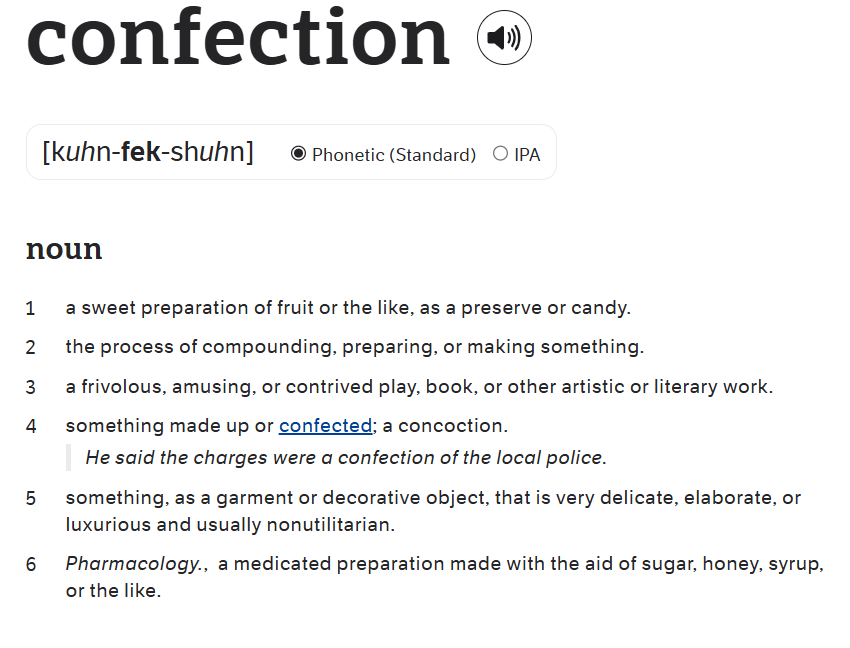
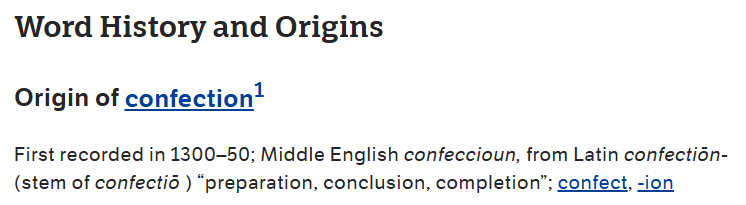
Which answer best shows the etymology of the word?
A. Middle English
B. Latin
C. Middle English, Latin
D. English, Old Latin
What is C. Middle English, Latin?
600
“His mind was a labyrinth, full of twisting thoughts and hidden corners.”
Question: What does the metaphor suggest about the character’s thinking?
A. His thoughts are simple and direct.
B. His thoughts are confusing and complex.
C. He enjoys puzzles and games.
D. He is physically lost in a maze.
What is B. His thoughts are confusing and complex?