Definitions
Types of Inheritance
Natural Selection/Evolution
DNA/RNA
Random Review
100
Define Genetics
The scientific study of heredity.
100
Explain the difference between heterozygous and homozygous
Homozygous means the chromosomes are the same
Heterozygous means the chromosomes are different
100
Who is Darwin and what is his theory?
Father of evolution, came up with the theory that organisms change and adapt to their environment over time
100
What does DNA and RNA stand for?
Deoxyribose and Ribonucleic
100
True/ False - genetic variations help create more evolution
True
200
Define Dominant Traits
Dominant traits are caused by alleles that cover up or mask the recessive traits of other alleles.
200
What type of genetic dominance is being described?
- The combination of red and white flowers results in pink flowers.
Incomplete Dominance
A form of inheritance in which one allele for a specific trait is not completely expressed over its paired allele. Looks like a blending of the traits.
200
Why do most embryos look the same in the early stages of development?
Common Ancestors
200
What are the 3 parts of a nucleotide?
Sugar, Phosphate, Nitrogen Base 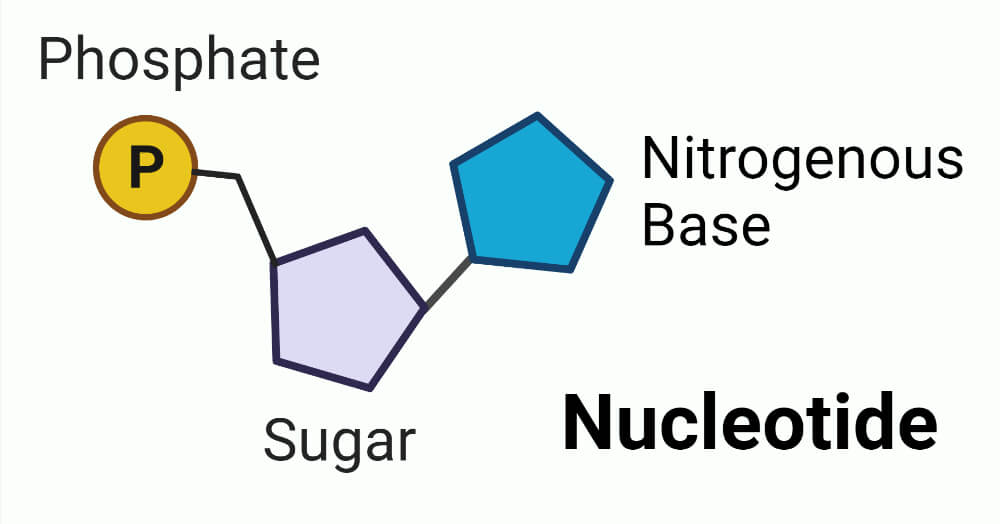
200
What is an example of a species that has evolved?
Whales used to walk on land, Finches with beaks, Humans, etc.
300
Define Recessive Traits
Recessive traits are covered up by dominant alleles.
300
This is an example of what type of dominance?:max_bytes(150000):strip_icc():format(webp)/Flower_374-59accd2903f4020011066c18.jpg)
Codominance
A situation in which both alleles contribute to the phenotype
Offspring’s genotype is neither dominant nor recessive
The traits are both expressed at the same time.
300
Name and give an example of the 2 main types of fossils
Body Fossils - Bones, tissue, teeth
Trace Fossils - Footprints, tracks or burrows
300
What are the Nitrogen Bases for DNA and RNA?
DNA:
Adenine - Thymine
Cytosine - Guanine
RNA:
Adenine - Uracil
Cytosine - Guanine
300
What is a homologous, analogous, and vestigial structure?
Homologous - structures that look the same but serve different functions
Analogous - structures that look different but serve the same function
Vestigial - a part that used to be important but is no longer important
400
Define Polypeptide
A chain of amino acids forming a protein molecule
400
How many chromosomes do humans have?
46 chromosomes
23 pairs
400
What does a Cladogram show?
Common ancestry through genetic similarities

400
Describe Protein synthesis and how RNA works
Messenger RNA (mRNA) carries genetic information from DNA to ribosomes
Transfer RNA (tRNA) delivers specific amino acids to the ribosome, creating the code
Ribosomal RNA (rRNA) is part of the ribosome itself which creates the protein
400
What are the 4 phases of Meiosis, and what happens at each stage?
Prophase - Crossing Over
Metaphase - Independent Assortment
Anaphase - Spindle fibers move chromosomes
Telophase - The cell membrane breaks down, and cell splits
500
What is a genotype and phenotype?
Genotype: The genetic make-up of an organism, which includes the physical and performance traits.
Phenotype: The physical characteristics of the organism.
500
Give an example of a homozygous dominant, homozygous recessive, and heterozygous chromosome
You should have a total of 3 genotypes on your board
RR - Homozygous Dominant
rr - Homozygous Recessive
Rr - Heterozygous
500
What are the two things that an individual needs to do to evolve over time?
Also, can evolution happen during an organism's life?
Survive and Reproduce
No, it takes thousands/ millions of years to evolve
500
What is the shape of DNA/ RNA?
DNA - Double Helix
RNA - Single Strand
500
Name the start and stop codons
Start - AUG
Stop - UGA, UGG, UAA