Nature of Science🧪
Space 🚀👽
Force & Energy⚡
Matter 🫗
~Life ~
100
What is the control group in an experiment?
The group that receives no changes
100
What causes day and night on Earth?
Earth’s rotation
100
What force pulls objects toward Earth?
Gravity
100
What are the 3 basic forms of matter?
Solid, Liquid, Gas
100
How are inherited traits passed from parents to offspring?
Genetic (DNA)
200
A student changes the temperature of water to see how fast salt dissolves.
- What is the independent variable?
Temperature
200
Why do we see phases of the Moon?
Different portions of the Moon are lit as it orbits Earth
200
A ball rolls faster down a steeper ramp. What kind of energy is this?
potential (because of gravity!!!)
200
What is the smallest unit of matter?
Atoms (or subatomic particles)
200
Which offspring is presenting as homozygous recessive?
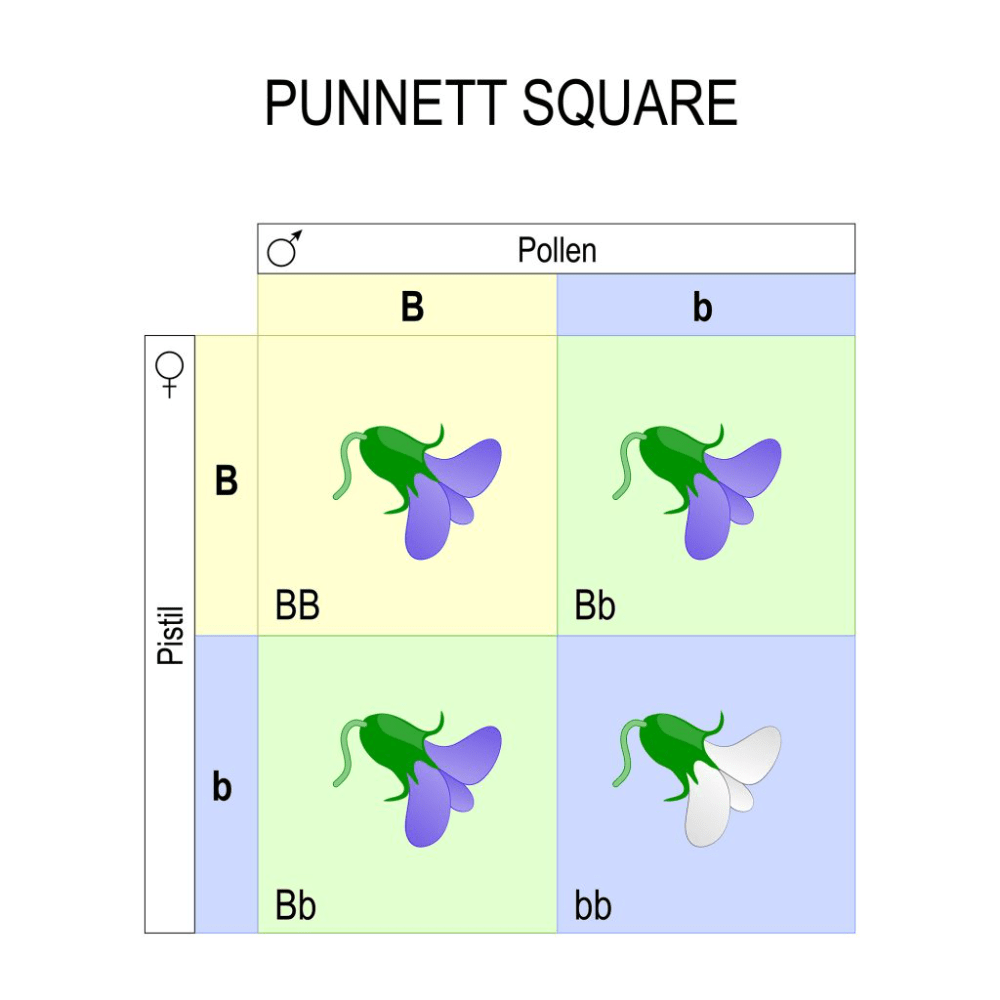
bb - white flower - bottom right
300
Why do scientists repeat experiments multiple times?
reliability/reduce error/accuracy
300
This causes seasons & takes a year to complete
revolution
300
What happens to the motion of an object if friction increases?
Motion slows down
300
A compound is made up of two or more of these
elements
300
Which consumer in the food chain gets the least amount of energy?
Axpex predators
400
A student measures plant growth in sunlight vs. shade. What is one controlled variable in this investigation?
Type of plant, amount of water, soil type
400
What causes tides on Earth?
the moon & the sun
400
How does mass affect gravitational force?
More mass = stronger gravitational pull
400
The rows on the periodic table are called? 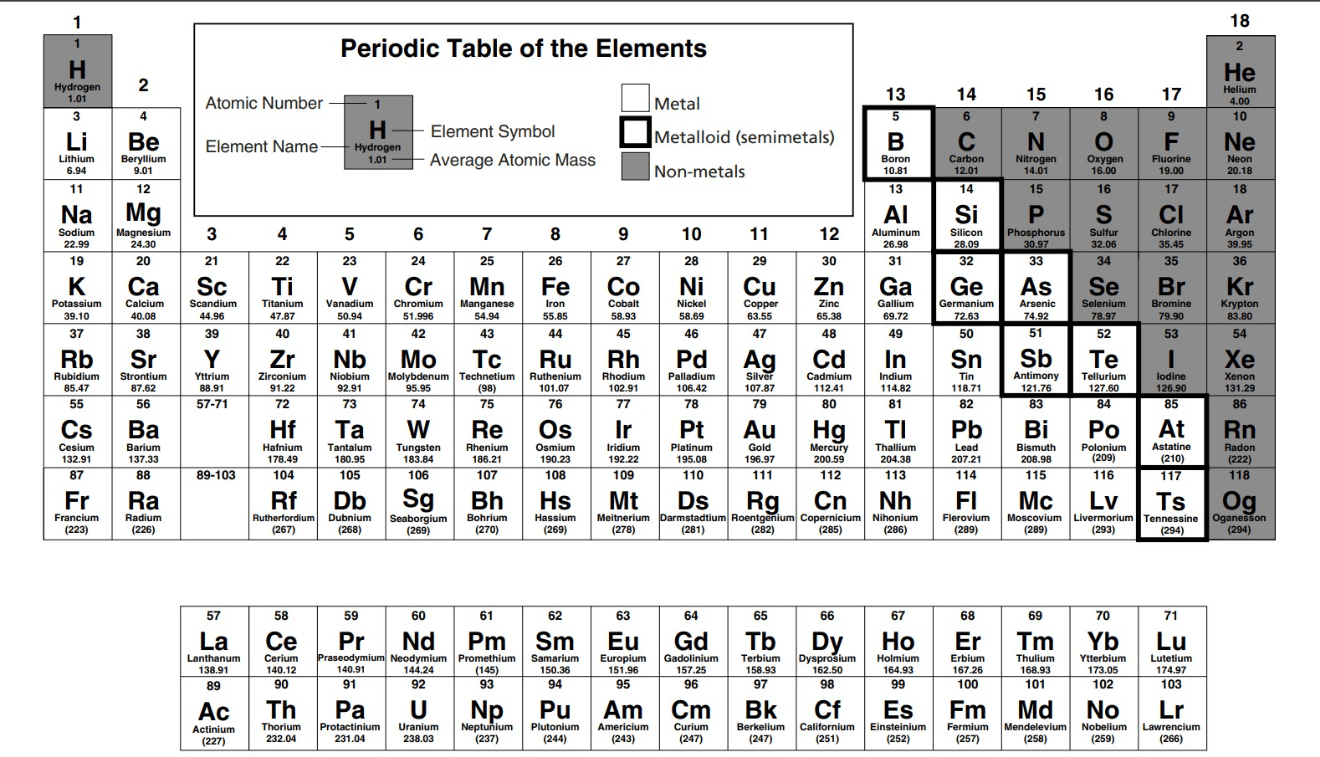
Periods - the number of protons increase from left to right
400
What is the role of chlorophyll in plants?
Absorbs sunlight & green pigment
500
What makes a scientific explanation valid?
It is supported by evidence and can be tested
500
what kind of eclipse is this?
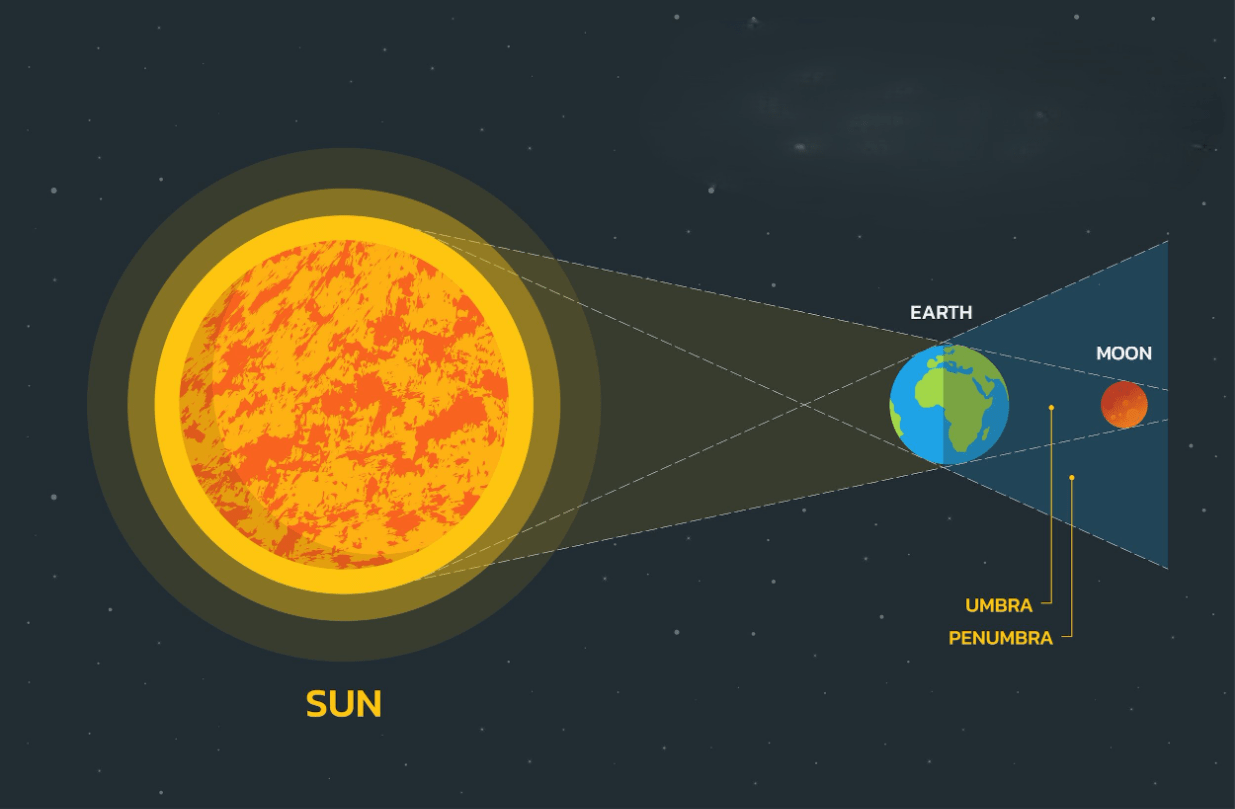
Lunar - sun, earth, moon
500
Which point will use kinetic energy?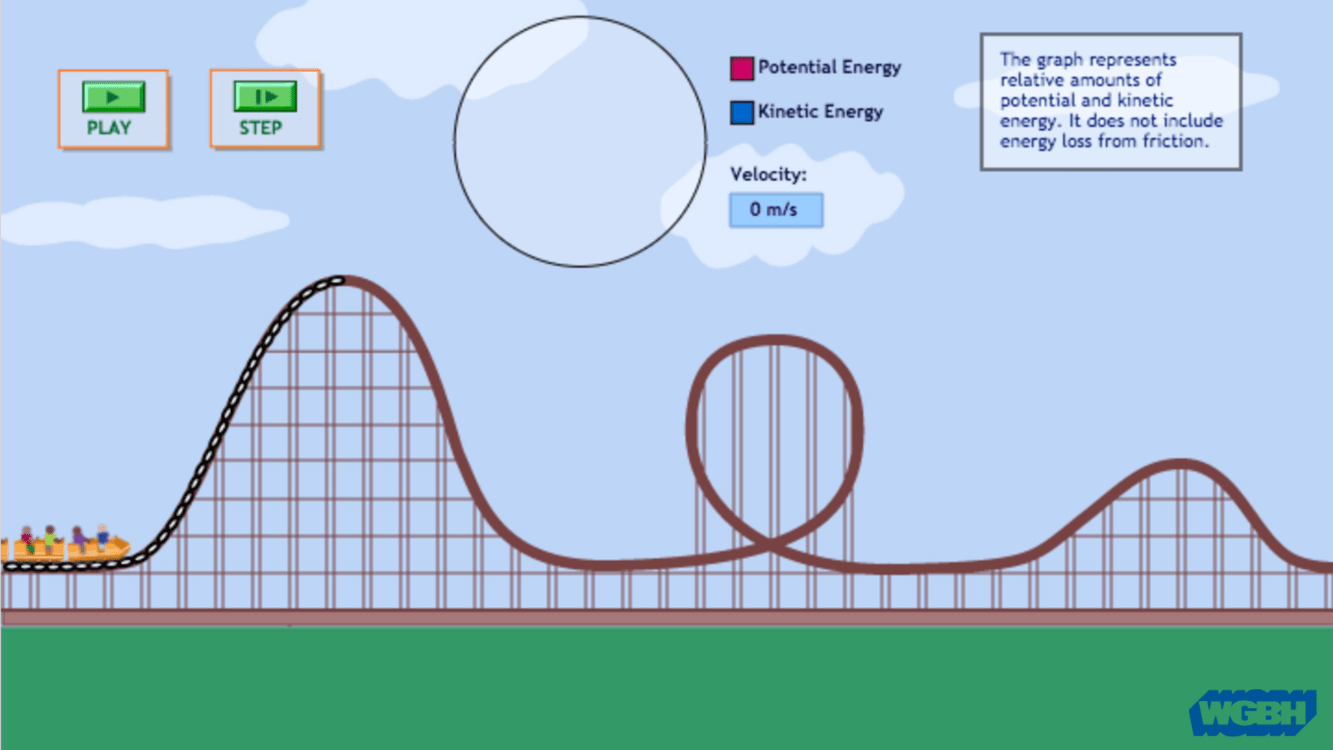
going up the hill.
500
What are columns on the periodic table called?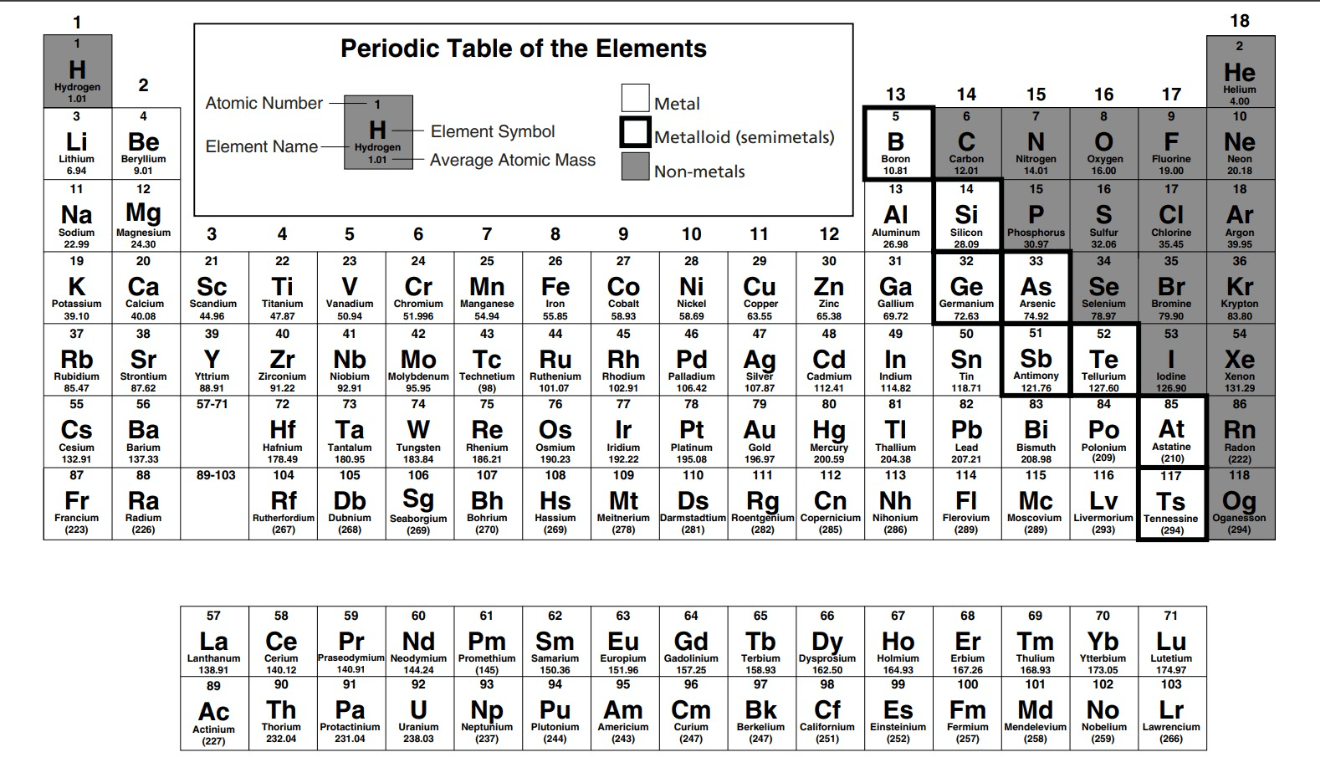
groups - elements in the same group have similar characteristics
500
How do producers get their energy?
The sunlight
600
What type of space object is the Sun?
A star
600
What happens when two equal forces act in opposite directions on an object?
They cancel out → no change in motion
600
Why does ice float in water?
It is less dense
600
What makes a plant cell different from an animal cell?
Plants have cell wall, chloroplasts, and chlorophyll.