Heart
Anatomy
Anatomy
This chamber receives deoxygenated blood from the body.
right atrium
This structure is known as the natural pacemaker of the heart.
the sinoatrial (SA) node?
This muscle is the primary muscle of respiration.
the diaphragm
This organ produces insulin.
the pancreas
This bone is commonly known as the collarbone.
the clavicle
This chamber pumps blood to the lungs.
right ventricle
Electrical impulses are delayed here to allow ventricular filling.
the atrioventricular (AV) node?
This structure prevents food from entering the airway during swallowing
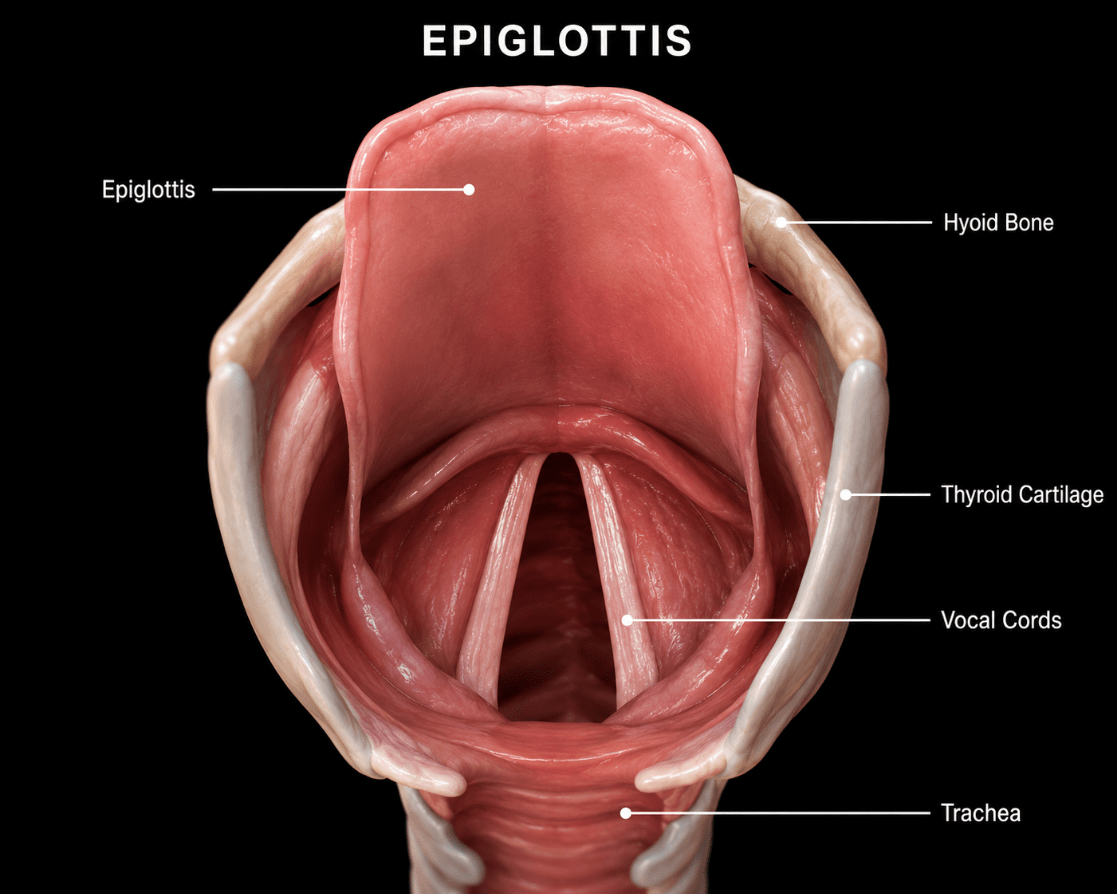 the epiglottis?
This branch of the nervous system is responsible for the "fight-or-flight" response
the sympathetic nervous system?
This bone is commonly called the kneecap.
the patella?
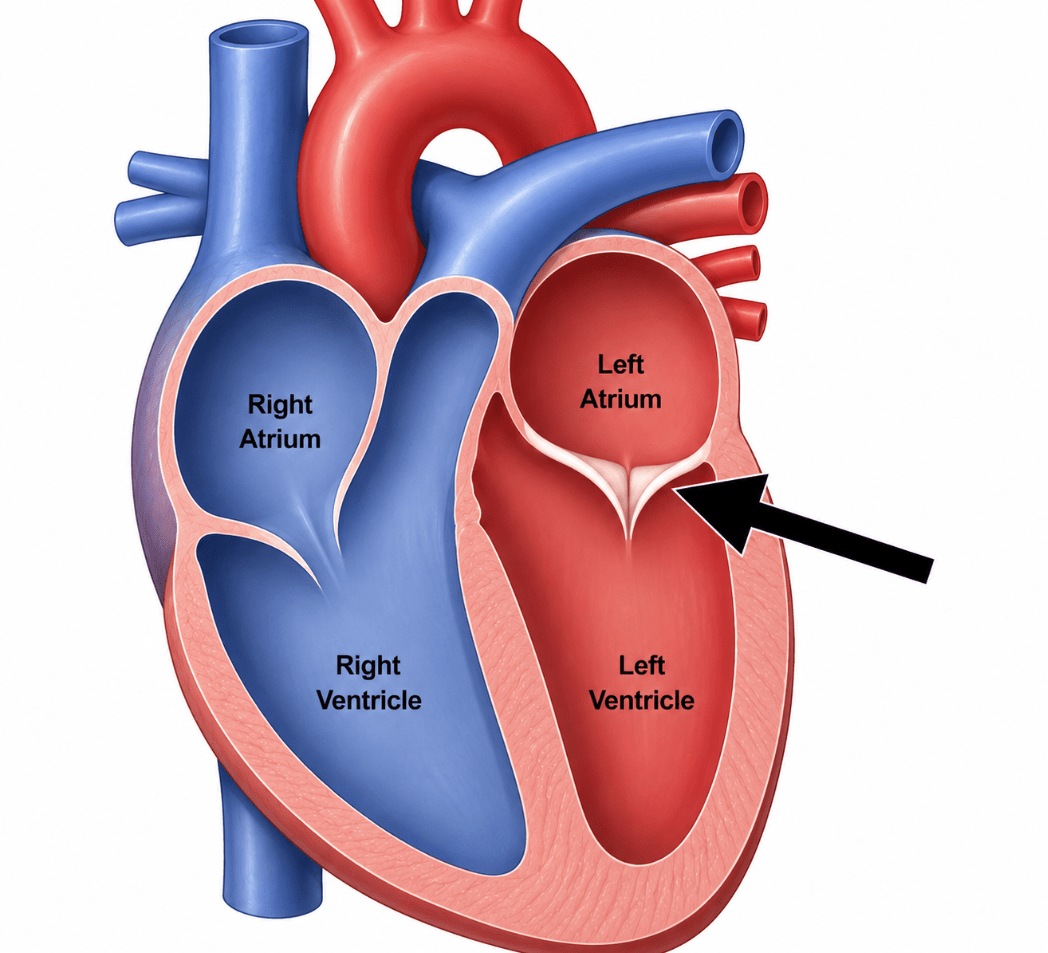 This valve prevents blood from flowing back into the left atrium.
mitral (bicuspid) valve?
A blockage below the AV node would most directly affect conduction through these structures.
the Bundle Branches and Purkinje Fibers
This structure marks the division between the right and left mainstem bronchi.
the carina?
This portion of the brain controls respiration, heart rate, and blood pressure.
the medulla oblongata
This section of the spine contains seven vertebrae.
the cervical spine
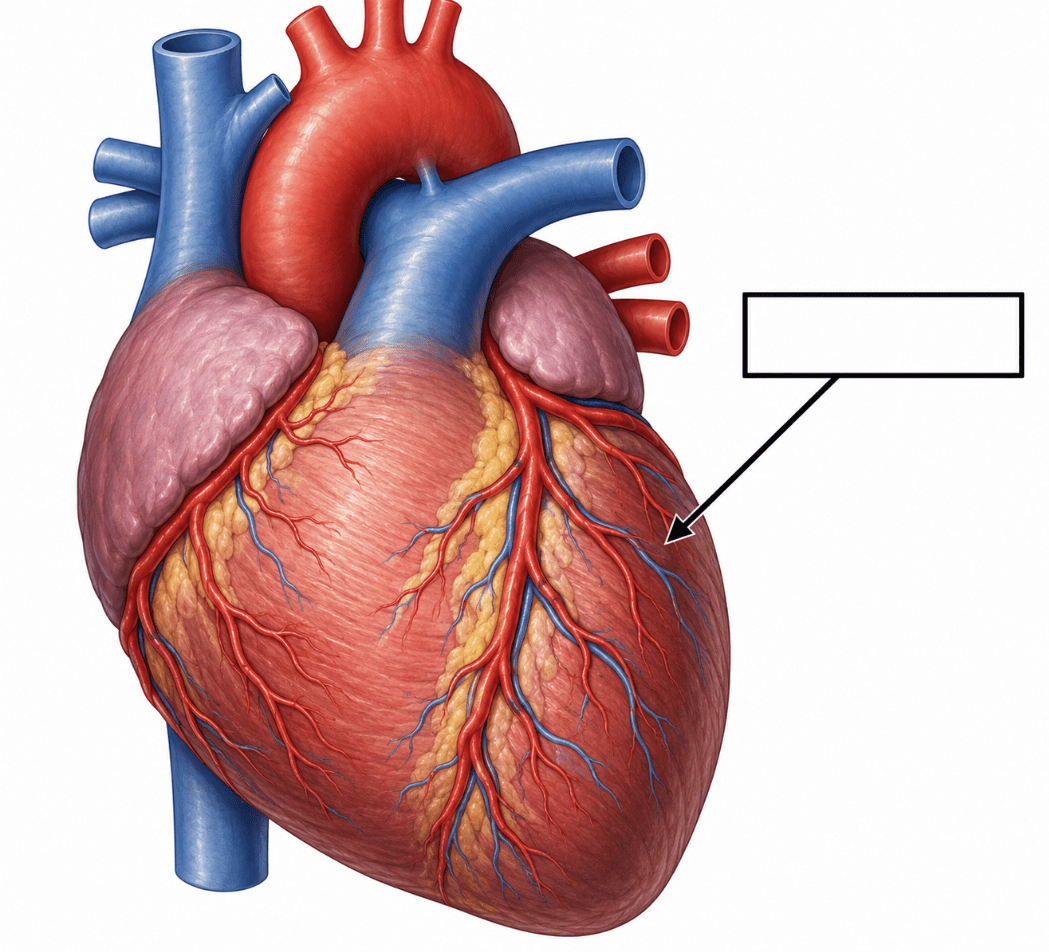 These arteries supply the heart muscle with oxygen-rich blood.
the coronary arteries?
This structure acts as the heart's secondary pacemaker if the SA node fails, typically generating impulses between 40-60 beats per minute.
the AV Node
This lung contains three lobes
the right lung
A decrease in blood pH below 7.35 is known as this condition.
acidosis?
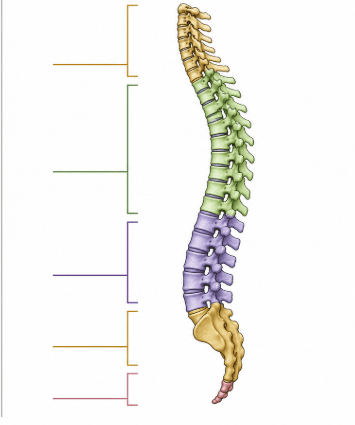 Name the five sections of the vertebral column in order from superior to inferior.
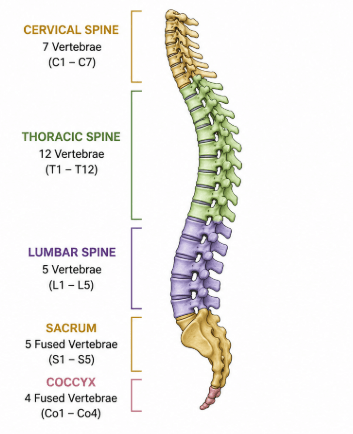 Cervical, Thoracic, Lumbar, Sacral, and Coccygeal
This vessel is the only artery in the adult body that normally carries deoxygenated blood.
the pulmonary artery?
An impulse originating in the SA node normally reaches the ventricles by traveling through these structures in order.
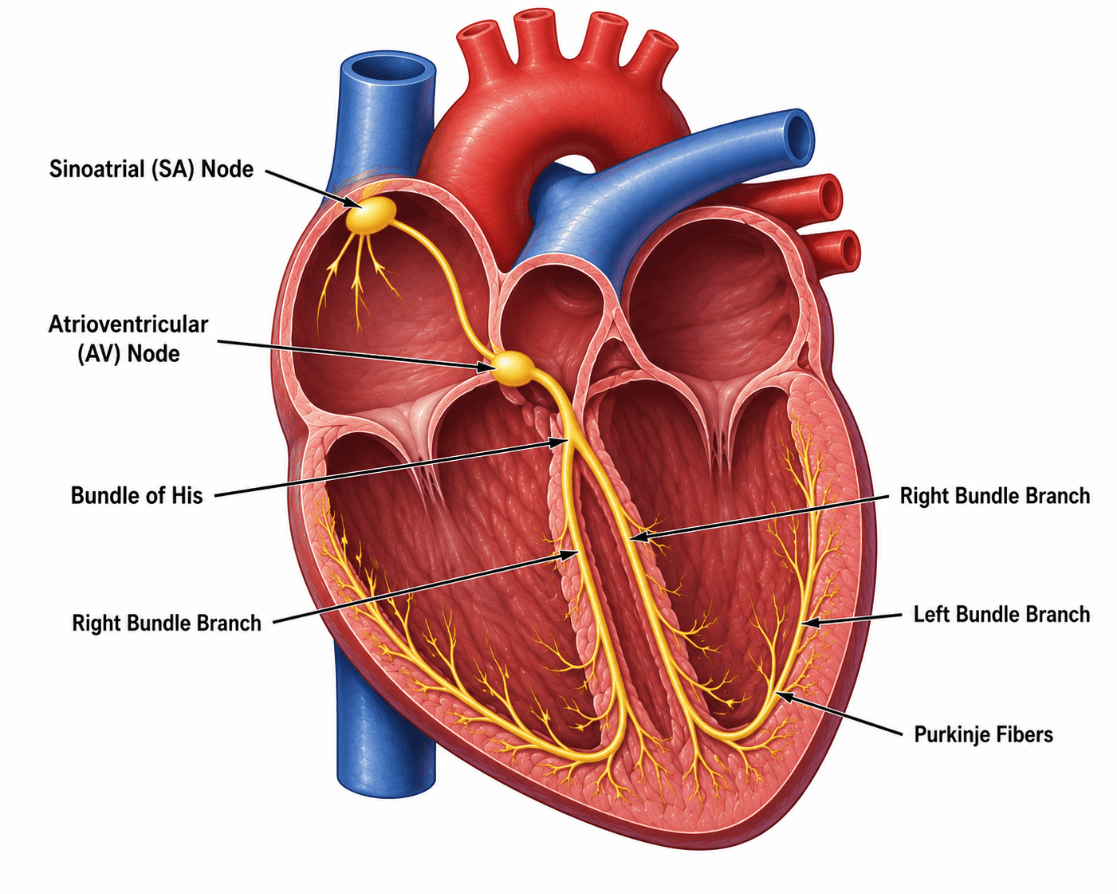 What are the AV node, Bundle of His, right and left bundle branches, and Purkinje fibers?
This membrane surrounds the lungs and helps reduce friction during breathing.
the pleura?
This body system is responsible for producing red blood cells, storing minerals, and protecting vital organs.
the skeletal system
A trauma patient has loss of sensation and motor function below the waist but normal arm movement. Injury is most likely to which section of the spinal cord?
thoracic spinal cord