Physical Properties of Matter
Mixtures & Solubility
Solutions & Conservation of Matter
Forces & Motion
Force & Energy
100
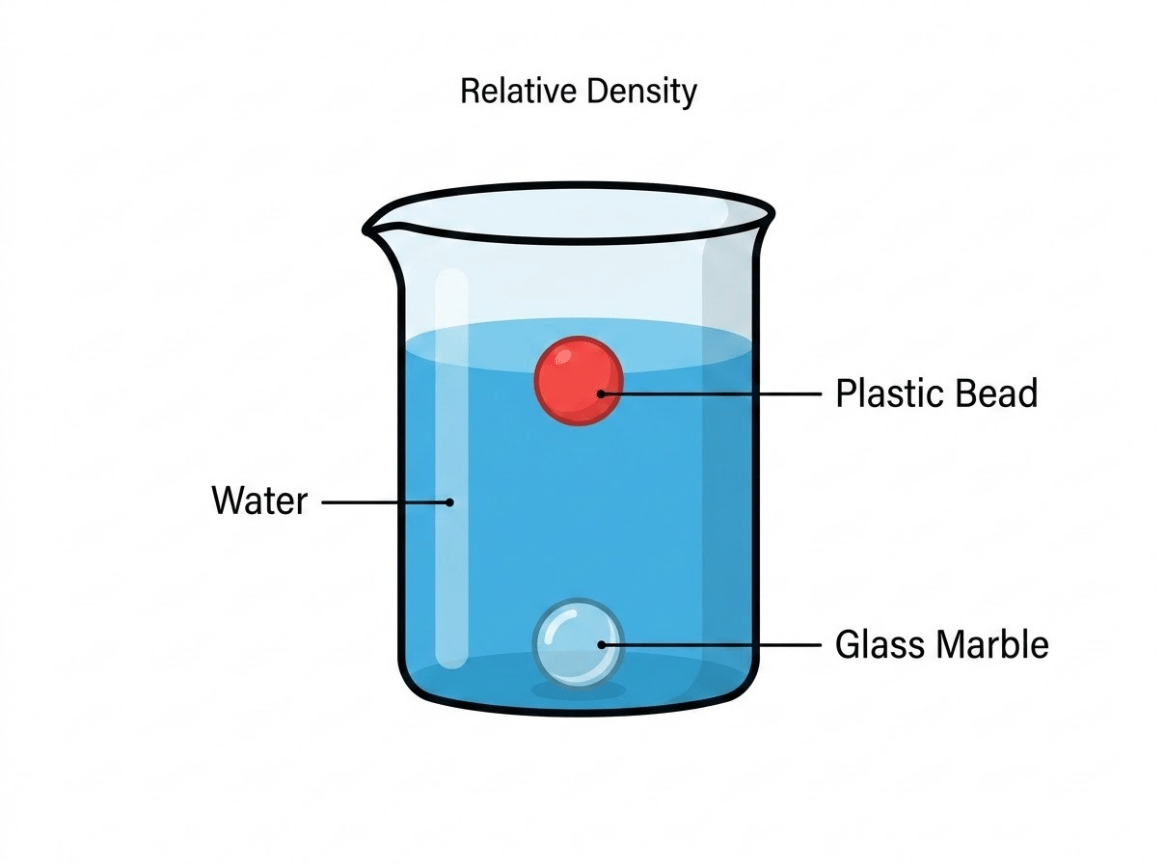
A student drops a plastic bead 9g/cm3 and a glass marble 2.5g/cm3 into a beaker of pure water 1.0g/cm3. Describe the relative density of both objects compared to water.
What is: The plastic bead floats because its relative density is less than water, while the glass marble sinks because its relative density is greater than water.
100
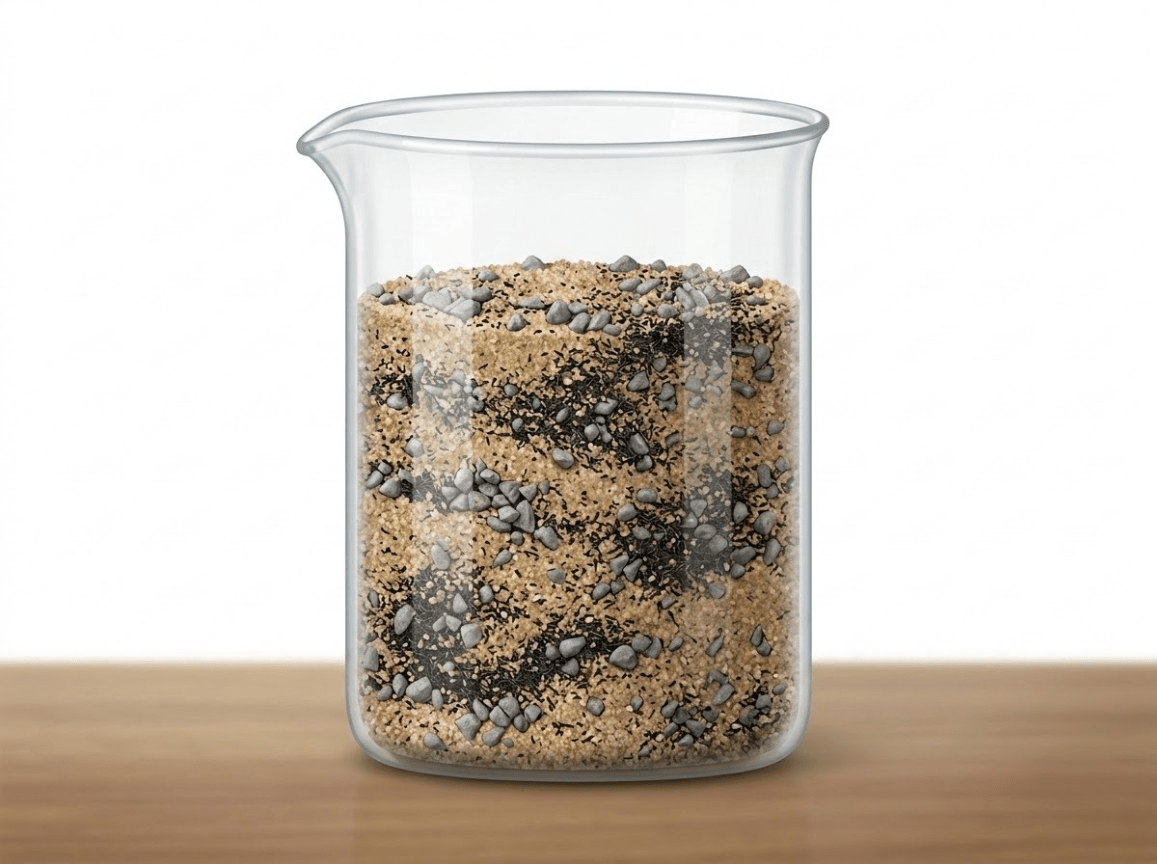
A mixture is made of sand, small rocks, and iron filings. Which statement is true about the physical properties of the ingredients after they are combined?
What is: All substances maintain their original physical properties.
100
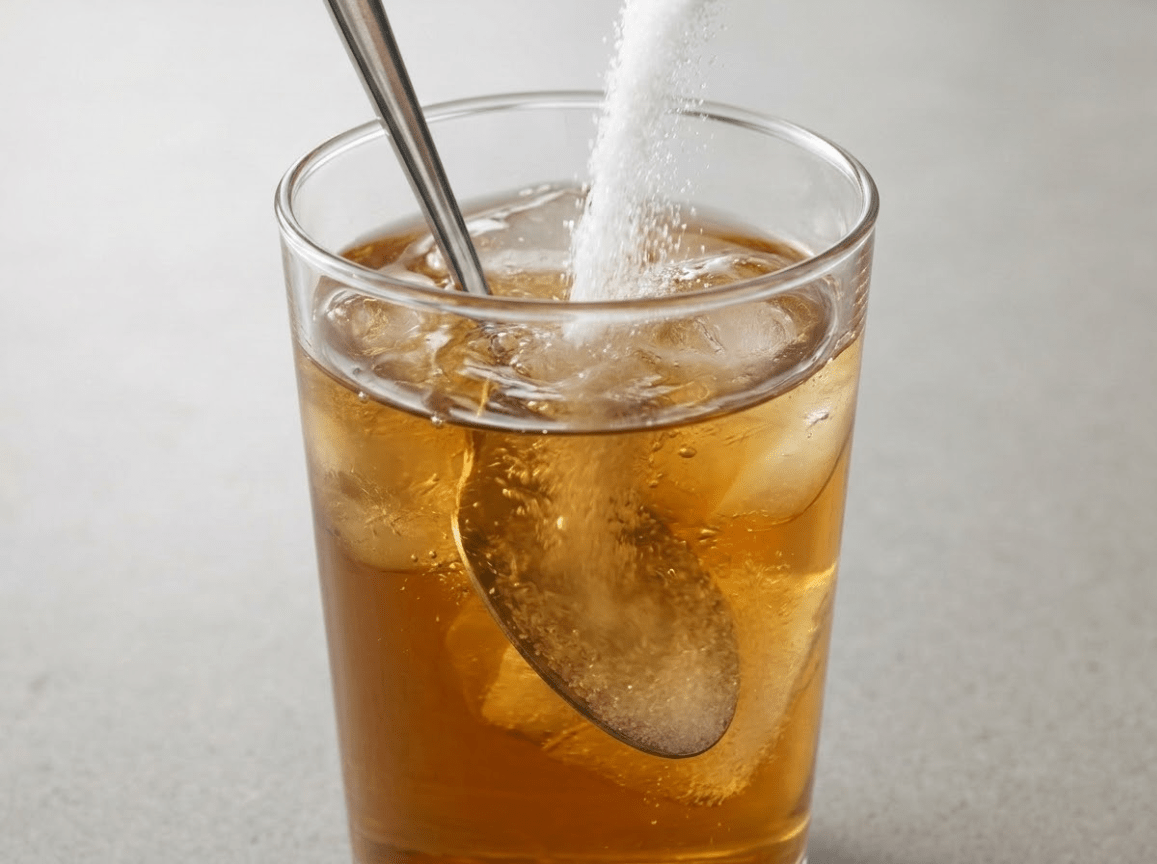 What physical process occurs when sugar is stirred into warm tea, making it a solution rather than a simple mechanical mixture?
What is: The sugar dissolves and is spread evenly throughout the liquid.
100
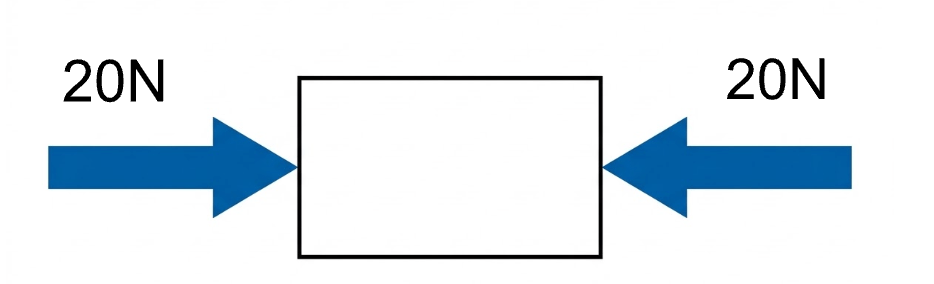
Two students push on opposite sides of a heavy box. Student A pushes with a force of 20N to the right, and Student B pushes with a force of 20N to the left. What is the pattern of motion for the box?
What is: The box will not move. The forces are balanced/equal.
100
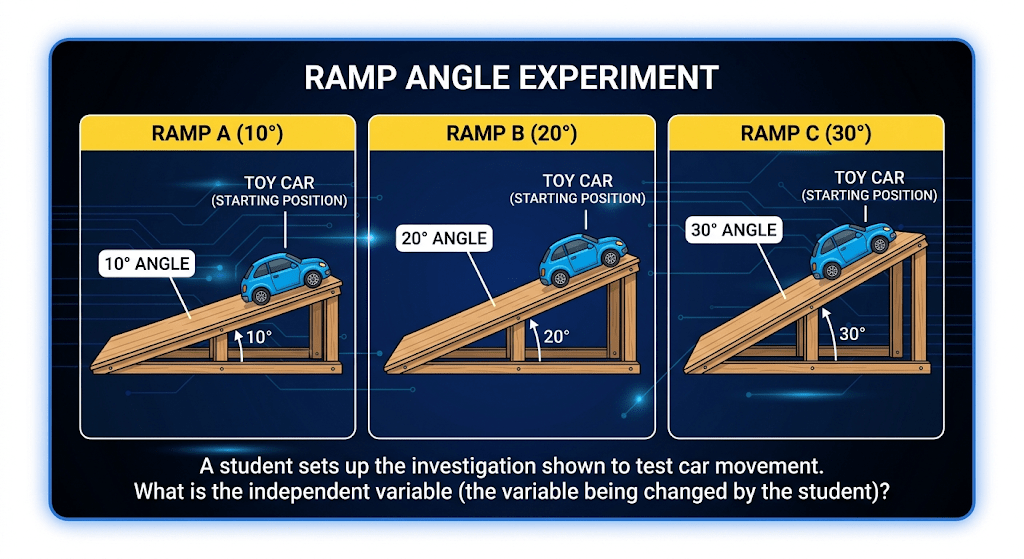
A student sets up an investigation to answer: "How does the height of a ramp affect the distance a toy car travels?" What is the independent variable?
What is: The height of the ramp.
200
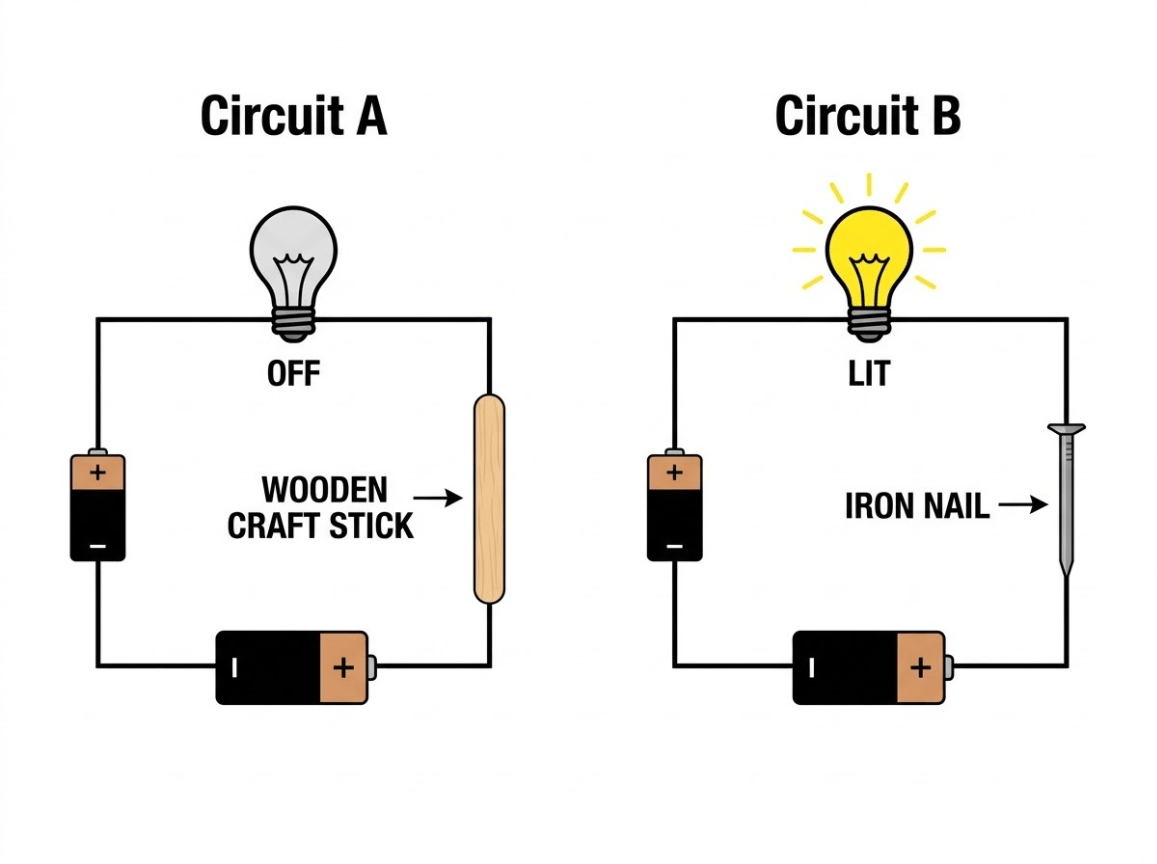
A student creates a complete circuit with a battery, wire, and bulb. When a wooden craft stick is added to the circuit, the bulb turns off. When an iron nail is added, the bulb turns on. What physical properties do these two items demonstrate?
What is: Wood is an electrical insulator, and iron is an electrical conductor.
200
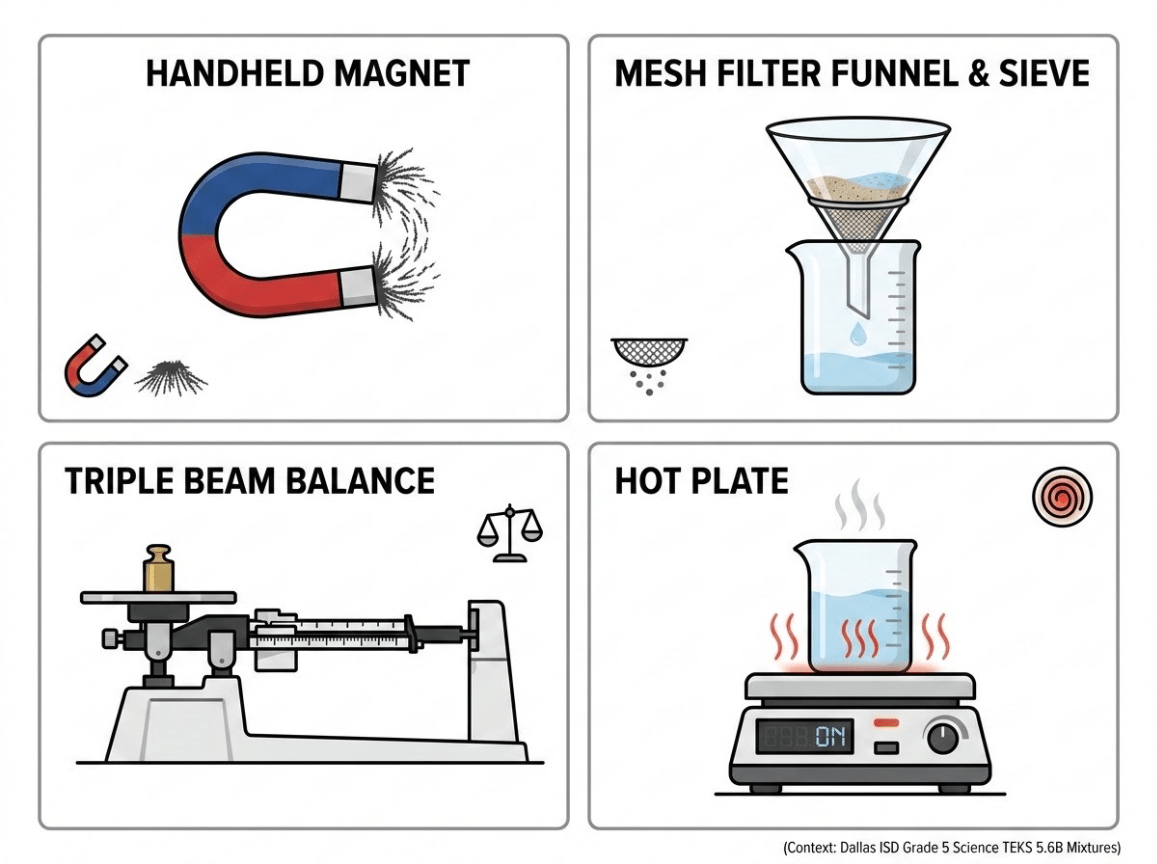
A student wants to separate a mixture of sand, salt, and water. Which set of tools (select 2) should the student use in order?
What is: A filter (or funnel with filter paper) to catch the sand, followed by a hot plate (or heat source) to evaporate the water and leave the salt.
200
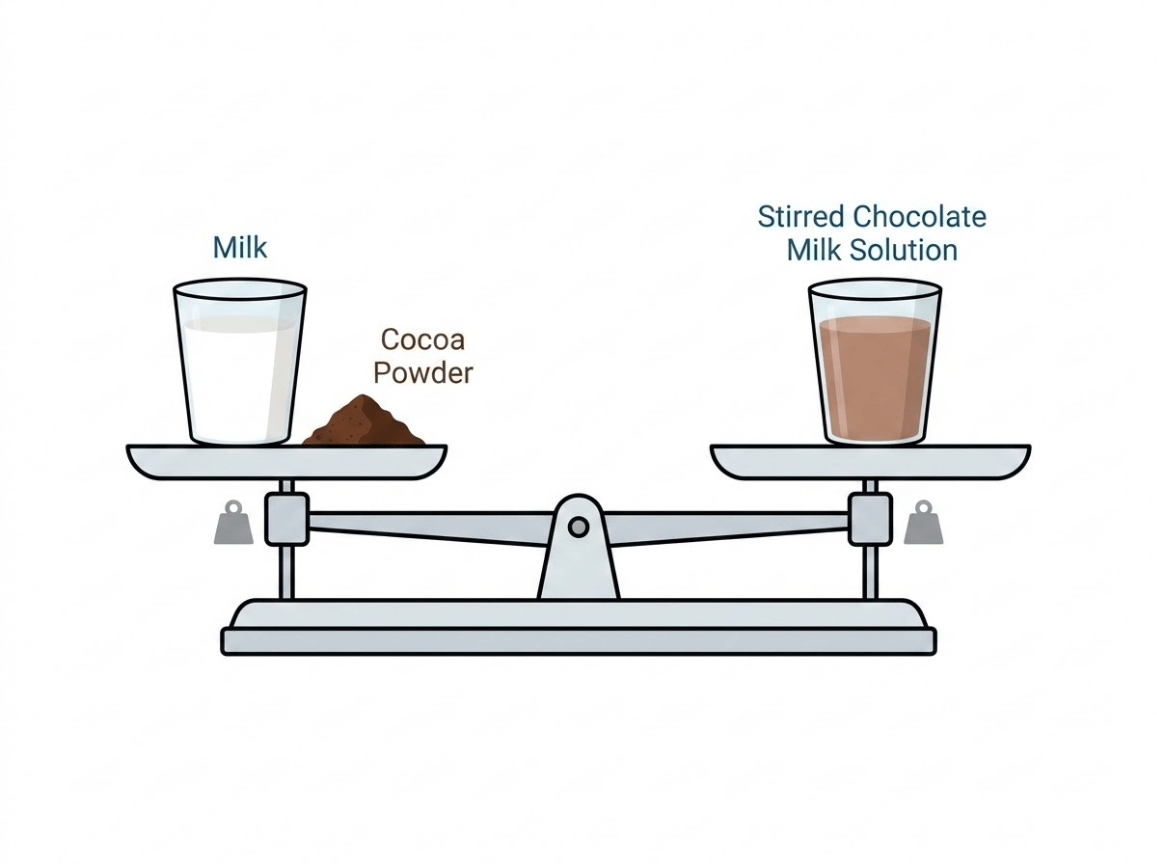
A student stirs 25g of cocoa powder into 200g of warm milk until it completely dissolves. What is the mass of the chocolate milk solution?
What is: 225g
200
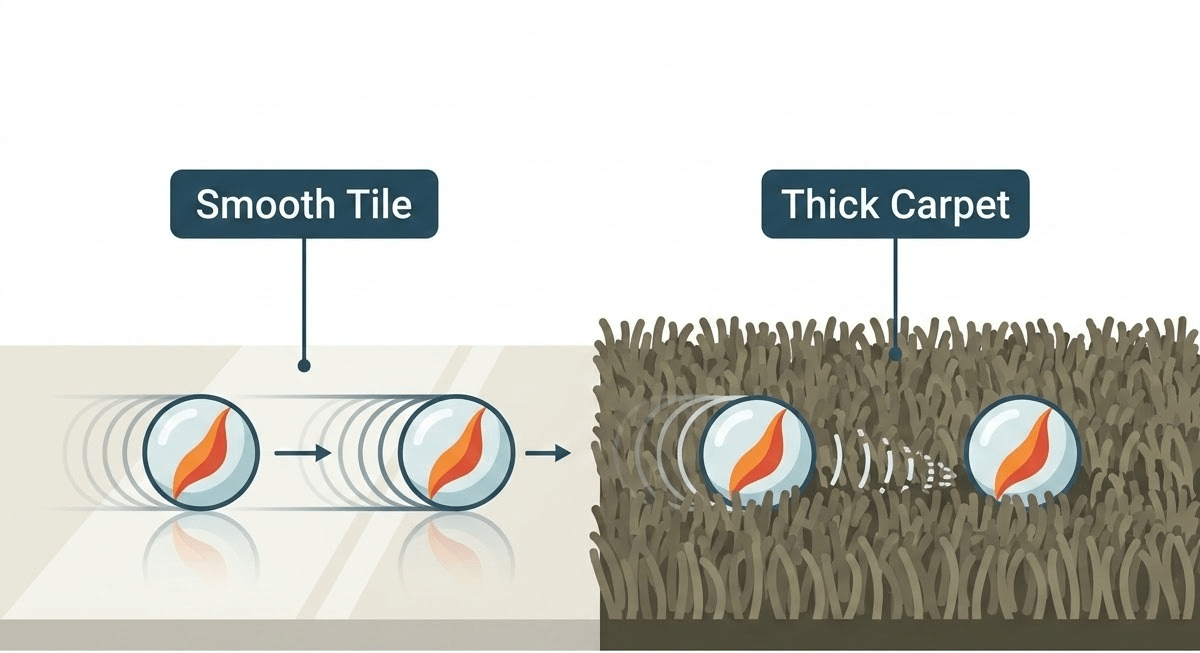
A rolling marble travels across smooth tile, then rolls onto a thick rug and slows down quickly. What force caused the pattern of motion to change?
What is: Friction.
200
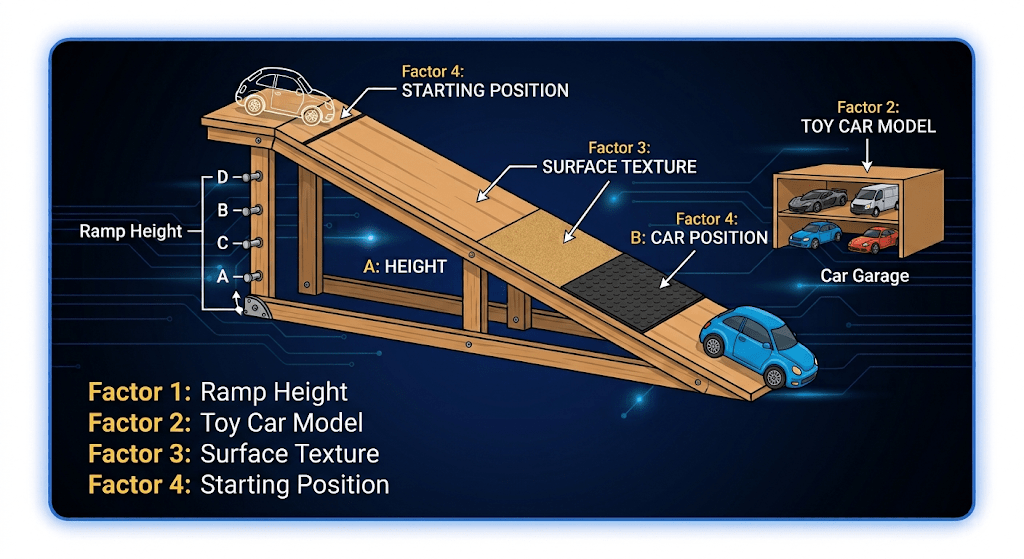
A student sets up an investigation to answer: "How does the height of a ramp affect the distance a toy car travels?"
In the ramp investigation, list TWO variables that must be kept constant for the experiment to be a fair test.
What is: Any two:
-the same toy car
-the same release point
-the same floor surface
-the same measuring tool
300
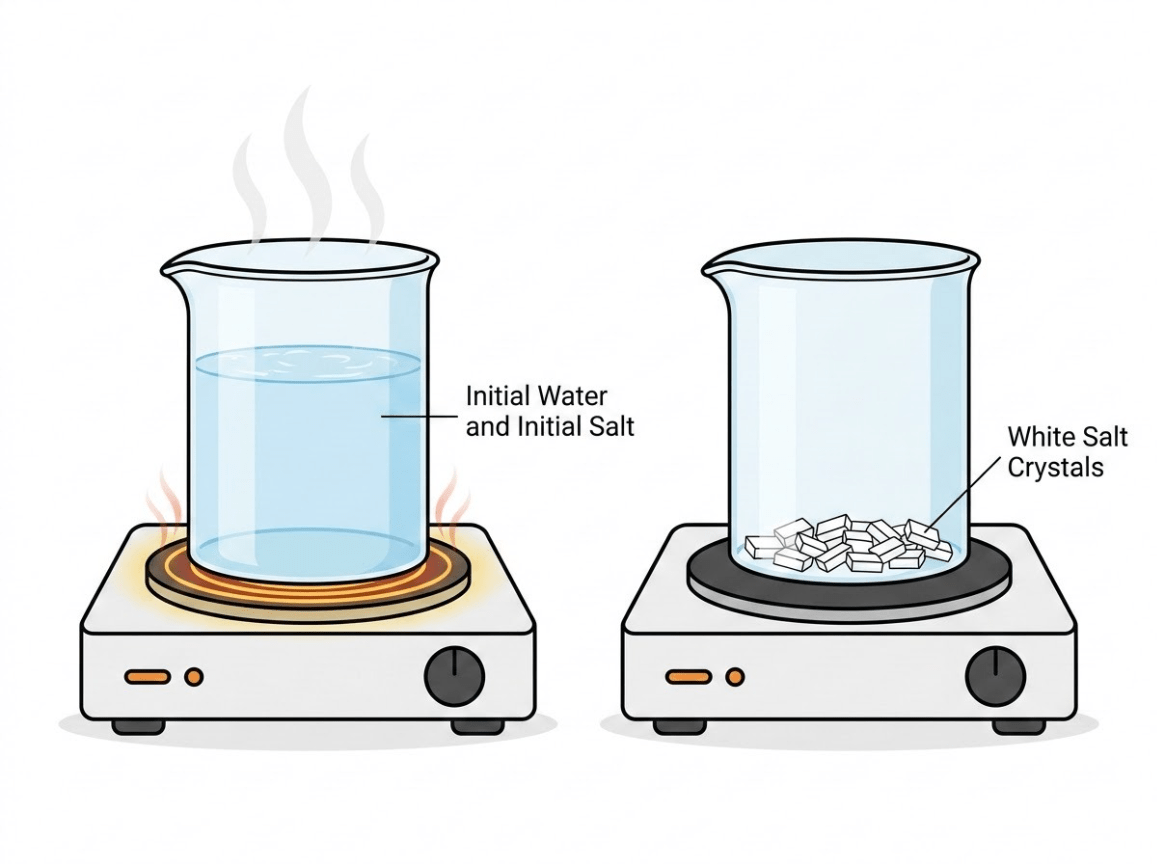
A student measures 50g of water and 10g of salt. After mixing them, the salt dissolves. The student heats the mixture until all the water evaporates. How many grams of salt remain in the beaker?
What is: 10 grams (matter is conserved and salt does not evaporate).
300
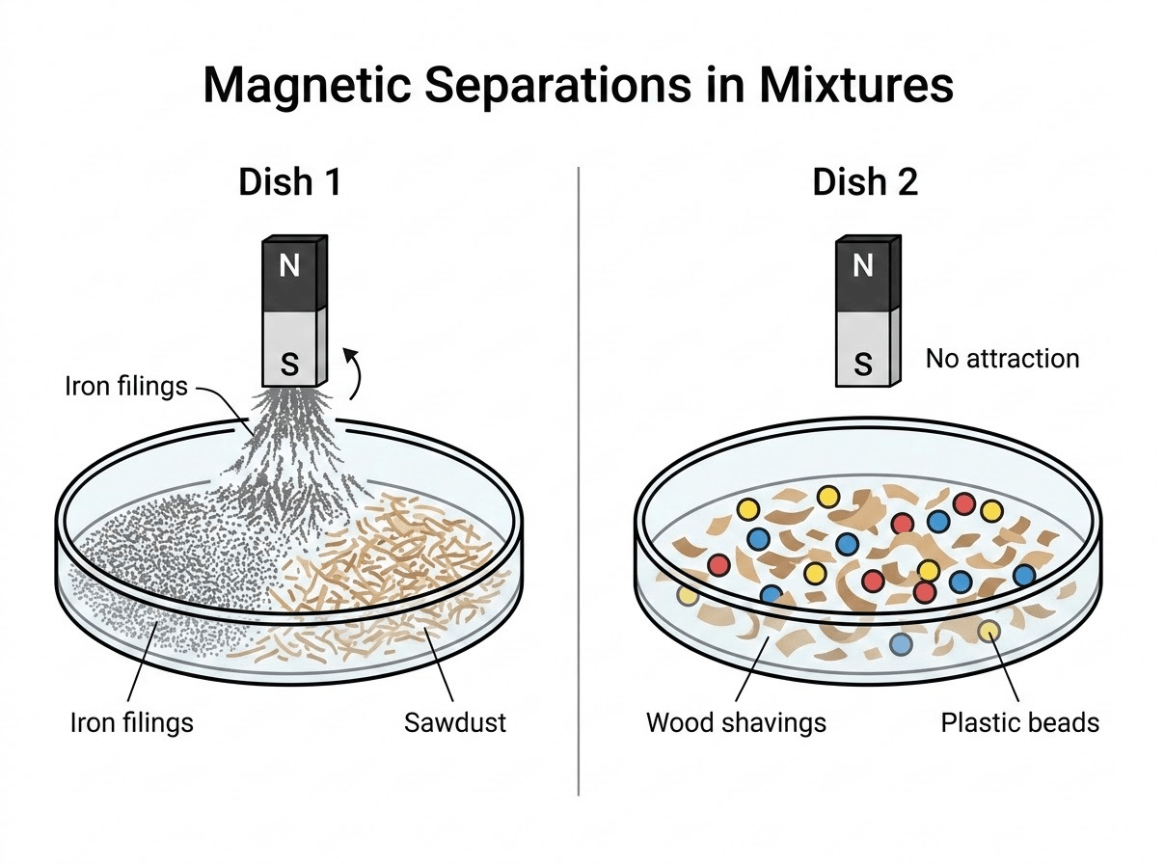
Why can a mixture of iron filings and sawdust be separated using a magnet, but a mixture of wood shavings and plastic beads cannot?
What is: Iron has magnetic properties, whereas neither wood nor plastic is magnetic.
300
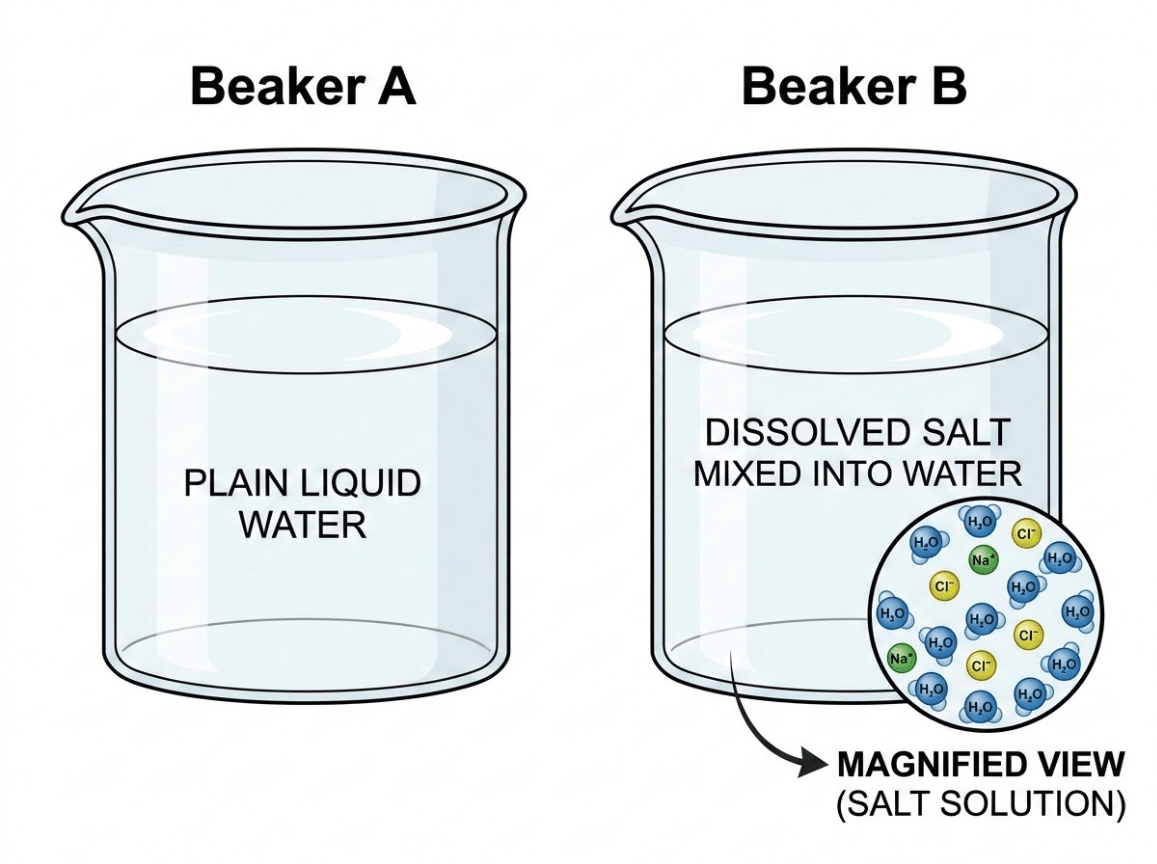
Which property of water changes when salt is added to form a solution: its mass, its volume, or its taste?
What is: Taste.
300
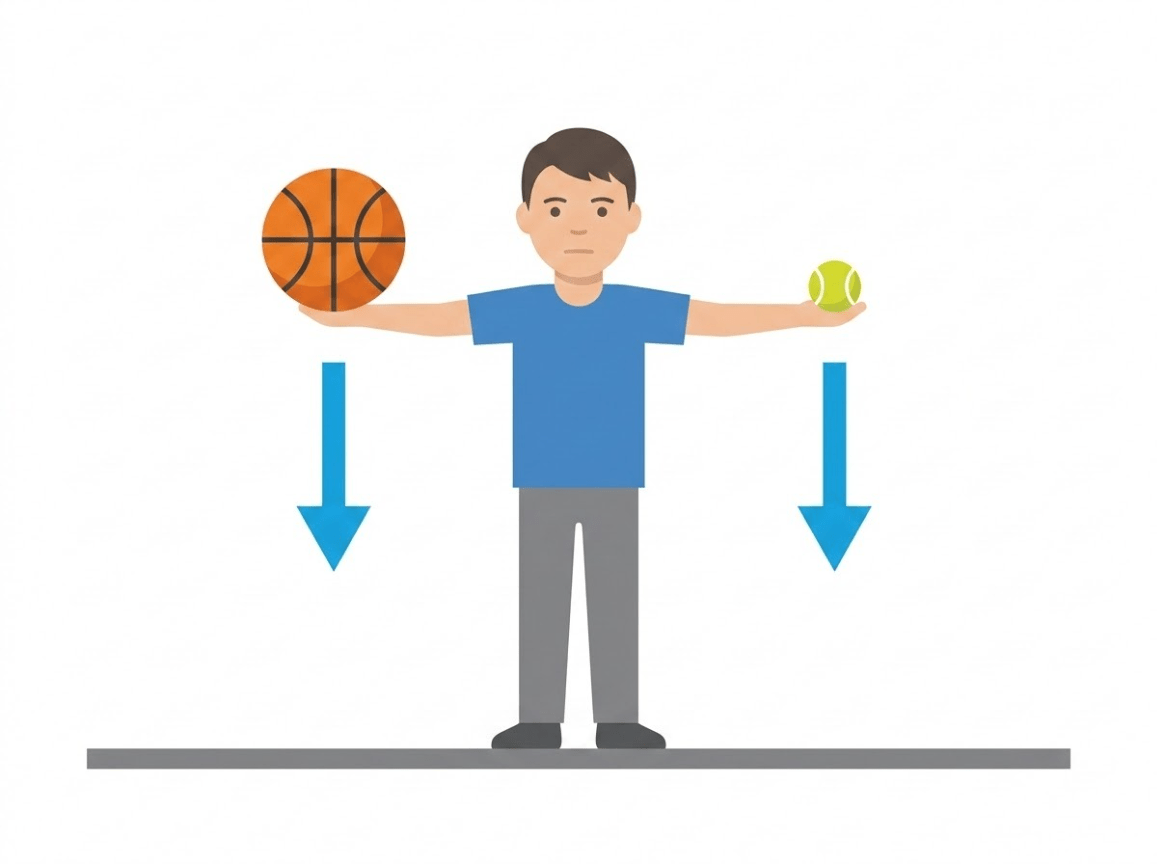
A student drops a basketball and a tennis ball from the same height at the same time. What force pulls both balls downward toward Earth?
What is: Gravity.
300
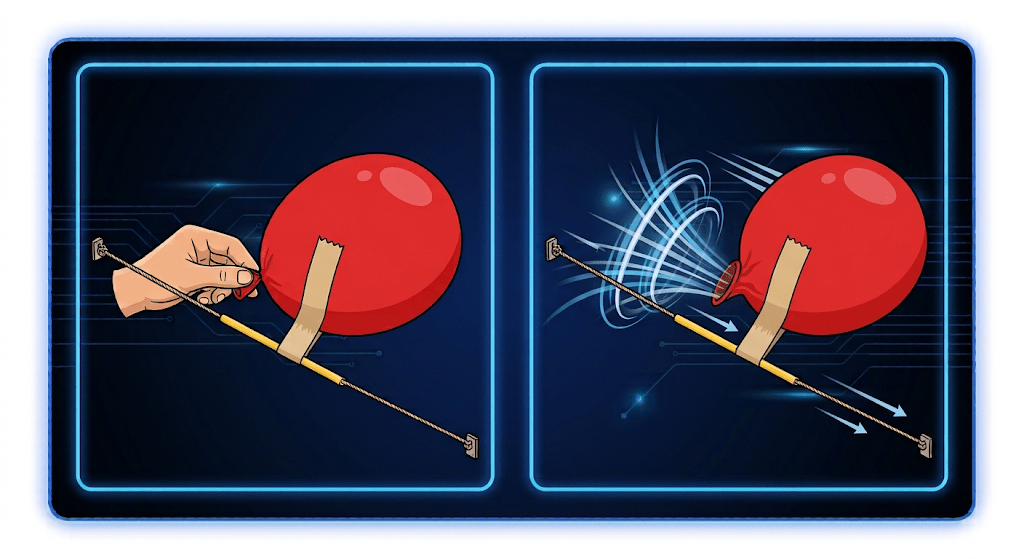
A balloon rocket attached to a string flies across a room when air escapes from the nozzle. What form of energy stored in the inflated balloon is transferred into mechanical energy?
What is: Potential energy.
400
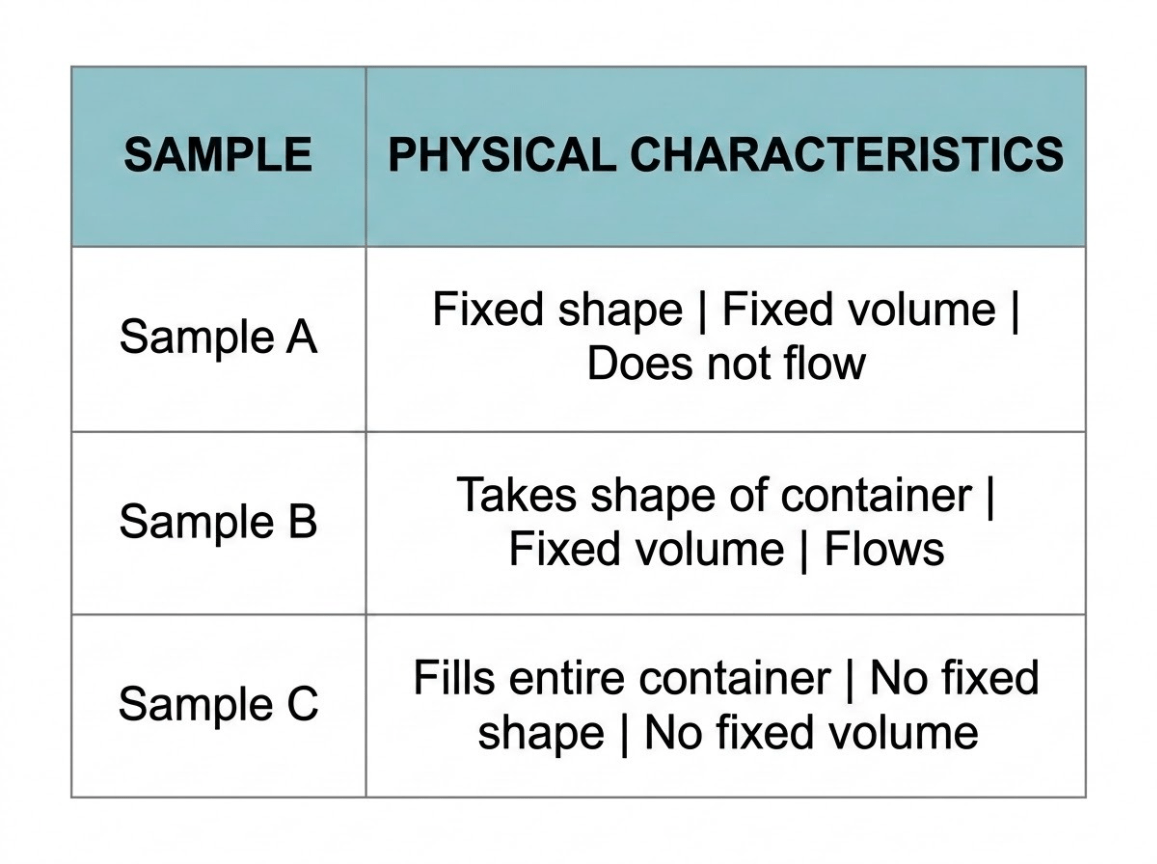
A table lists three mystery samples:
Sample A: Fixed shape, fixed volume, does not flow.
Sample B: Takes the shape of its container, fixed volume, flows.
Sample C: Fills entire container, no fixed shape, no fixed volume. Identify the physical state of each sample.
What is: Sample A is a solid, Sample B is a liquid, and Sample C is a gas.
400
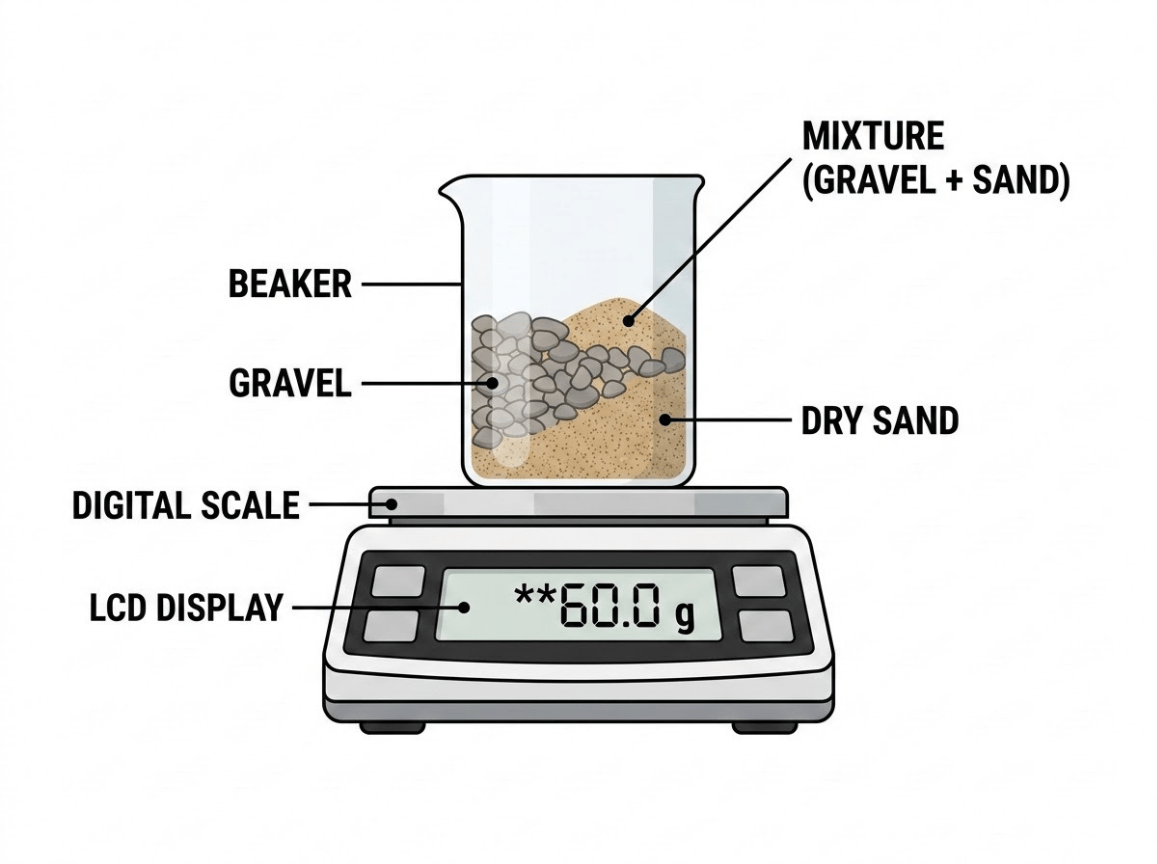
A science class combines 15g of gravel and 85g of dry sand in a beaker. What is the total mass of the mixture, and how do you know?
What is: 100g, because the law of conservation of matter states that matter can neither be created nor destroyed.
400
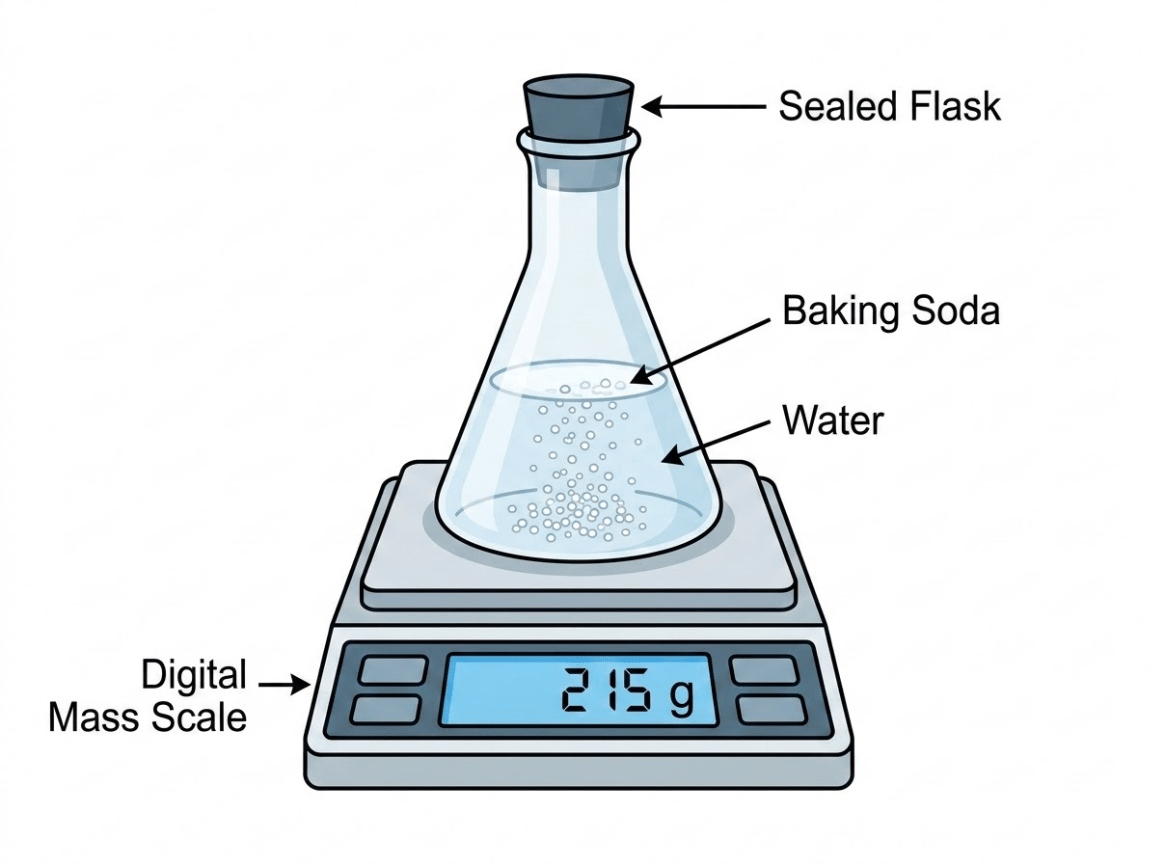
A student dissolves 5g of baking soda into 100g of water in a sealed container. After the solution is clear, what evidence supports the Law of Conservation of Matter?
What is: The mass of the solution (105g) equals the sum of the dissolved baking soda (5g) and water (100g).
400
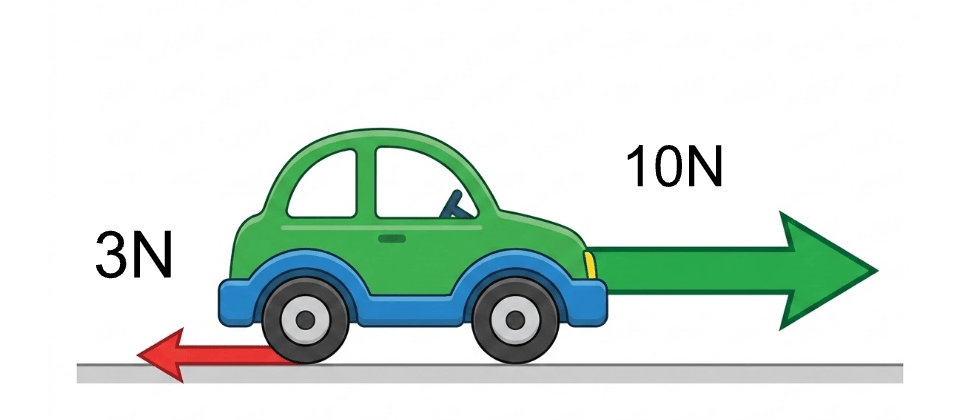
A toy car receives a 10N push forward and experiences 3N of friction pulling backward. Describe the motion of the car.
What is: The car accelerates/moves forward because the acting forces are unequal. It moves 7N forward.
400
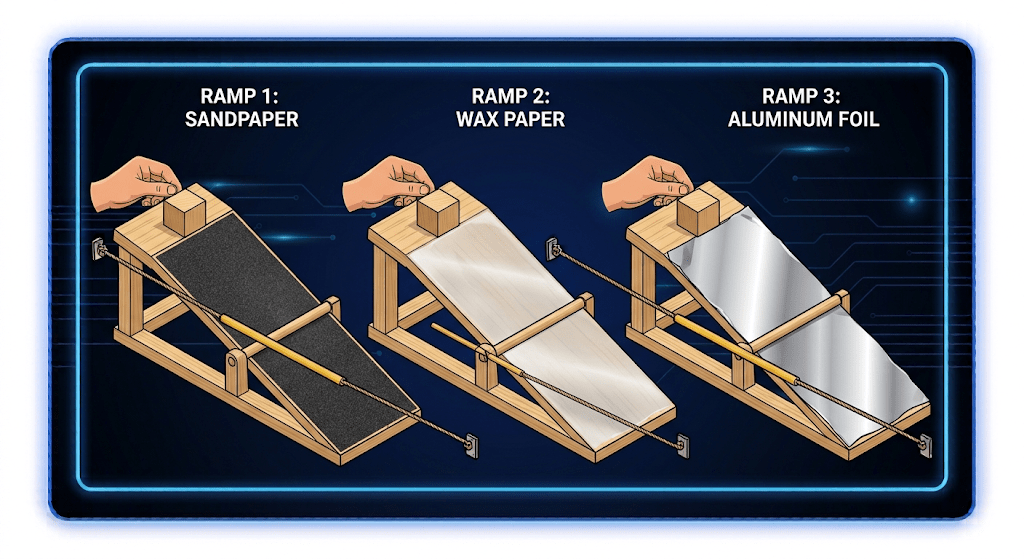
A student tests three different surfaces (sandpaper, wax paper, aluminum foil) on a ramp to see which surface allows a block to slide the fastest. What hypothesis is the student testing?
What is: How friction affects the speed/distance of a sliding object (or smoother surfaces reduce friction, increasing speed).
500
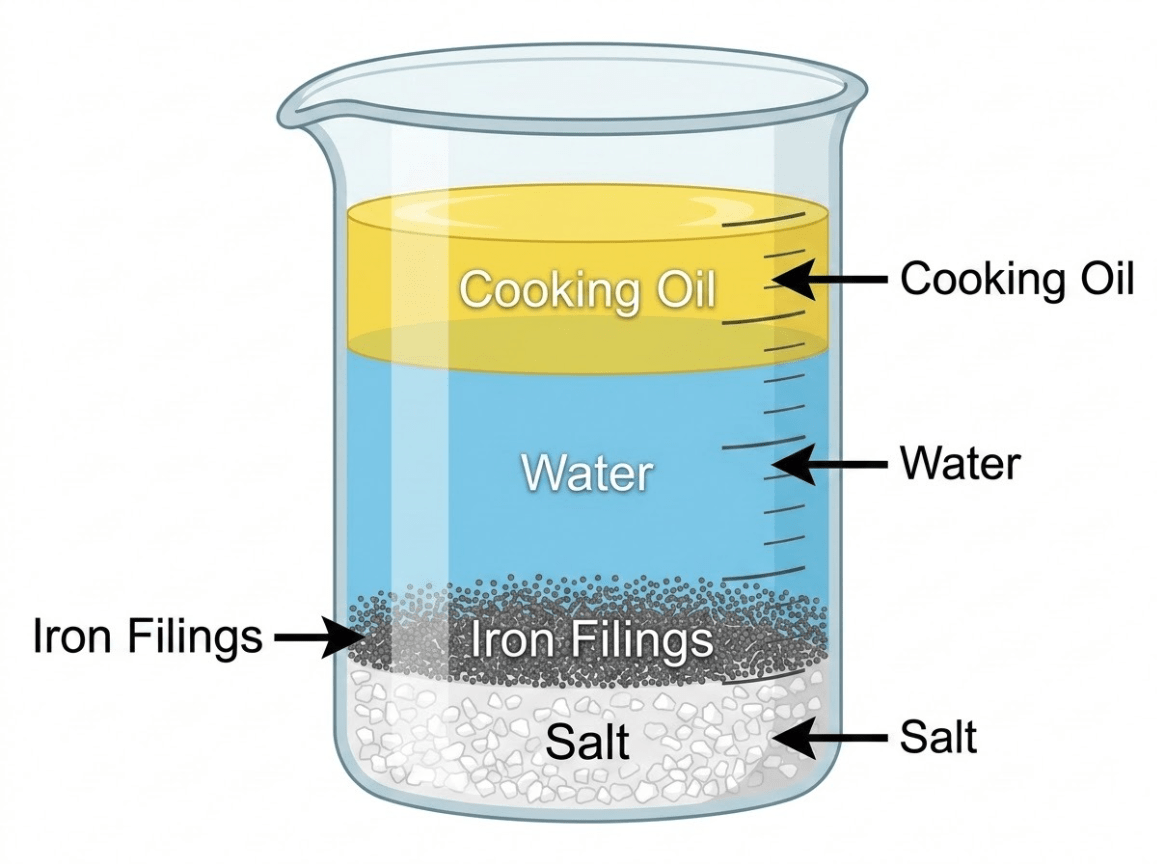
A student has a mixture containing cooking oil, iron filings, water, and salt. Describe the step-by-step procedure to separate all four components.
What is: 1. Use a magnet to extract the iron filings. 2. Skim the oil off the water. 3. Evaporate the water to leave the salt behind.
500
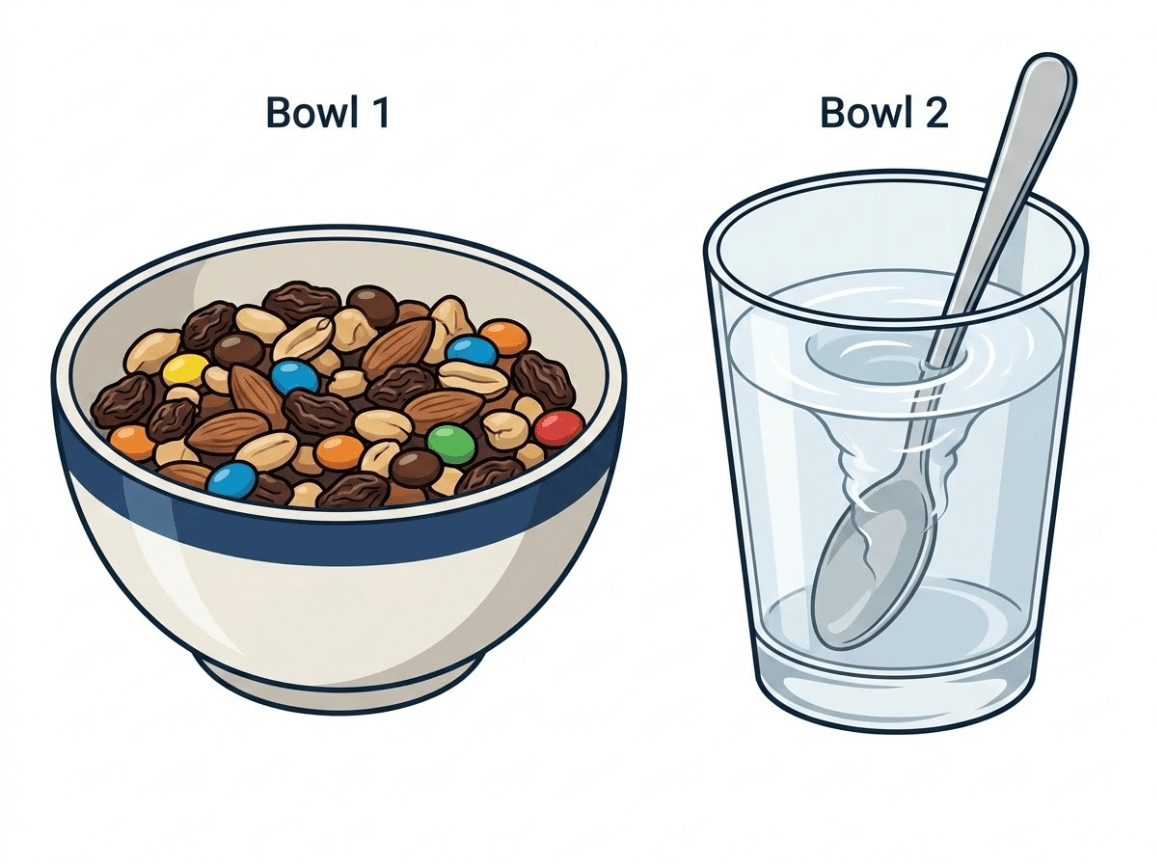
A teacher shows students two bowls: Bowl 1 contains trail mix (raisins, nuts, M&Ms), and Bowl 2 contains saltwater. How do these two mixtures differ in terms of physical properties?
What is: In Bowl 1, ingredients retain all visible physical properties and shape. In Bowl 2, the salt dissolves and spreads evenly, changing the physical appearance of the solid salt.
500
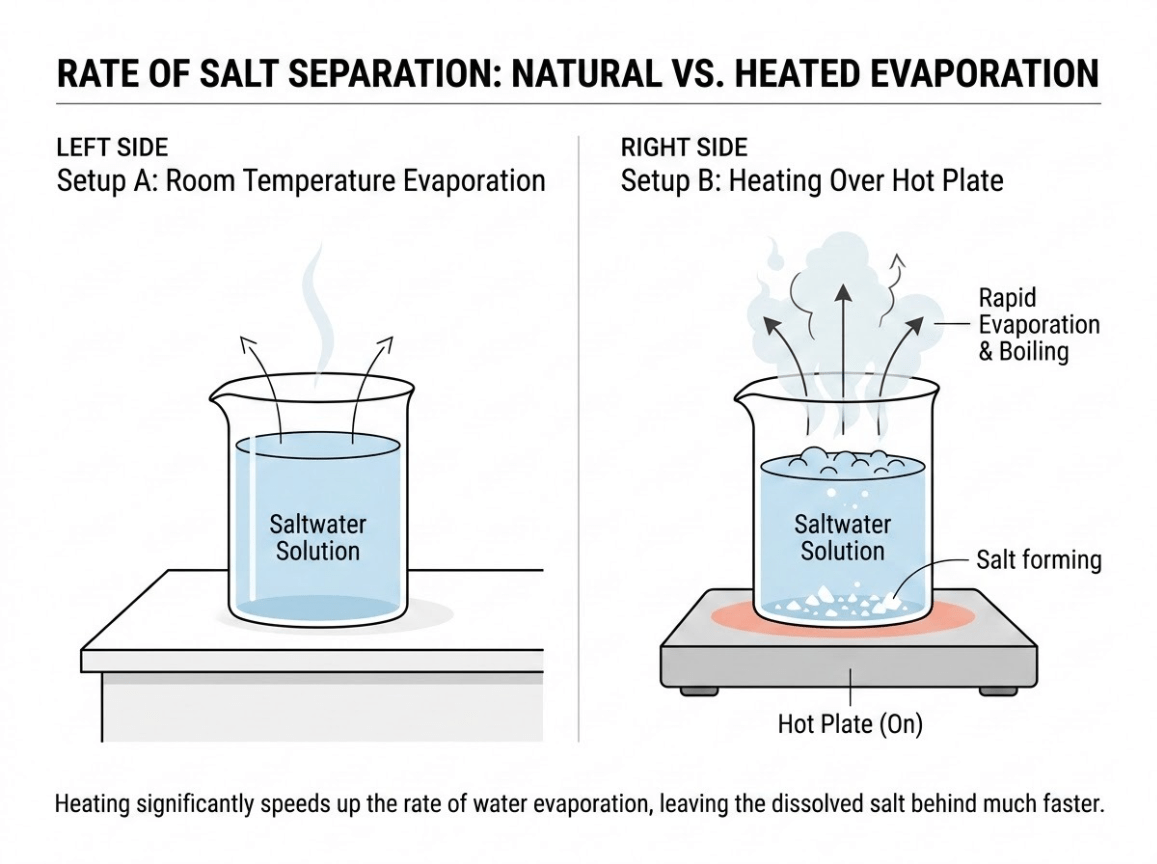
How does heating a saltwater solution affect the separation of its components compared to letting it sit at room temperature?
What is: Heating speeds up the evaporation of liquid water, leaving the solid salt behind faster.
500
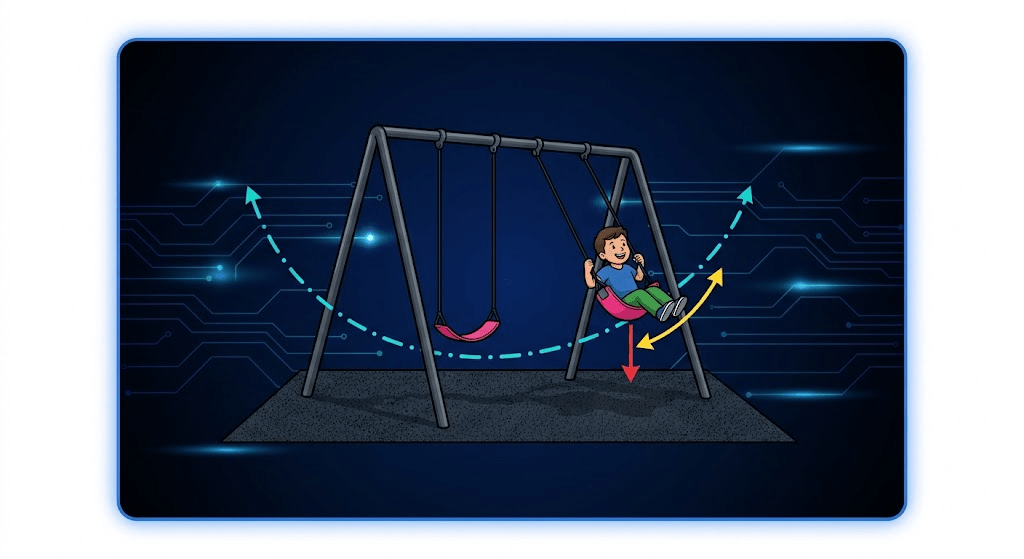
A swing moves back and forth in a predictable path. What two forces act together to maintain this continuous pattern of motion?
What is: Gravity and push/pull forces.
500
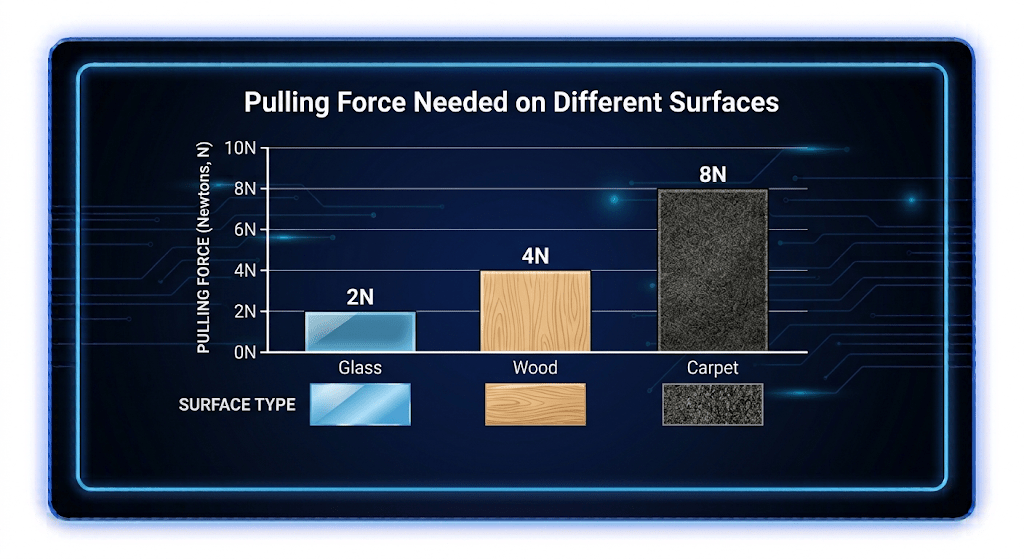
An investigation uses a spring scale to pull a 500g block across wood, carpet, and glass. The spring scale reads 2N on glass, 4N on wood, and 8N on carpet. What pattern in the data can be identified?
What is: Rougher surfaces (carpet) create greater friction and require more force to move an object compared to smoother surfaces (glass).