General IM Knowledge
Qatar
Spot Diagnosis
Gastroenterology
(DOUBLE OR LOSE!)
(DOUBLE OR LOSE!)
100
This vital sign is considered "high" when it is equal to or greater than 140/90 mmHg
Blood pressure!
100
This disease affects over 17% of adults in Qatar and can be diagnosed with an HbA1c greater than 6.5% or a random glucose above 200 mg/dl.
Diabetes!
100
After eating peanuts...

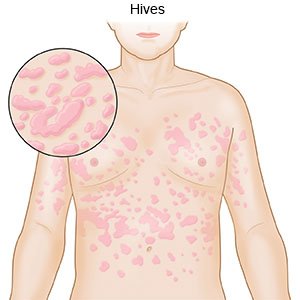
Anaphylaxis/Allergic reaction
Bonus: how do you treat this?
100
This organ stores bile produced by the liver and releases it into the small intestine.
Gallbladder!
200
This common lung condition causes reversible airway obstruction and is treated with bronchodilators such as albuterol.
Asthma!
200
This deficiency is widespread due to limited sun exposure and leads to weak bones because calcium can’t be absorbed properly.
Vitamin D deficiency!
200
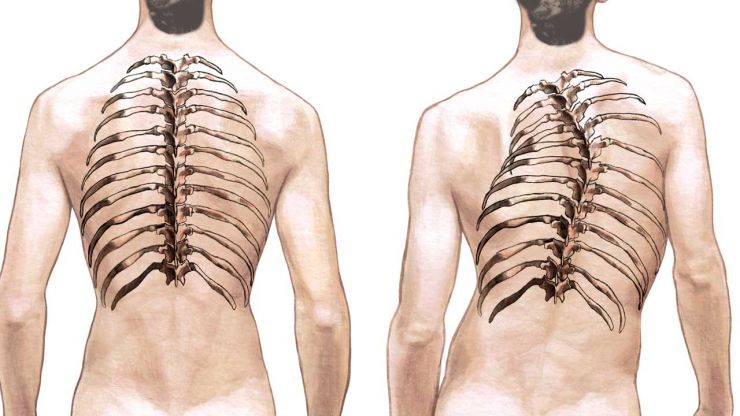
Scoliosis
200
This condition occurs frequently after heavy meals, when acidic fluid from the stomach moves back up into the esophagus.
Heartburn
Bonus: what is the medical term for heartburn?
300
This disease is commonly caused by low dietary intake or chronic blood loss and often shows up as pale skin, fatigue, and shortness of breath.
Anemia!
Bonus: what type of anemia is it?
300
This genetic disorder has a carrier prevalence of around 12-17% in the region and is part of the national premarital screening program in Qatar.
Thalassemmia!
Bonus: can you name the 2 types of thalassemia?
300
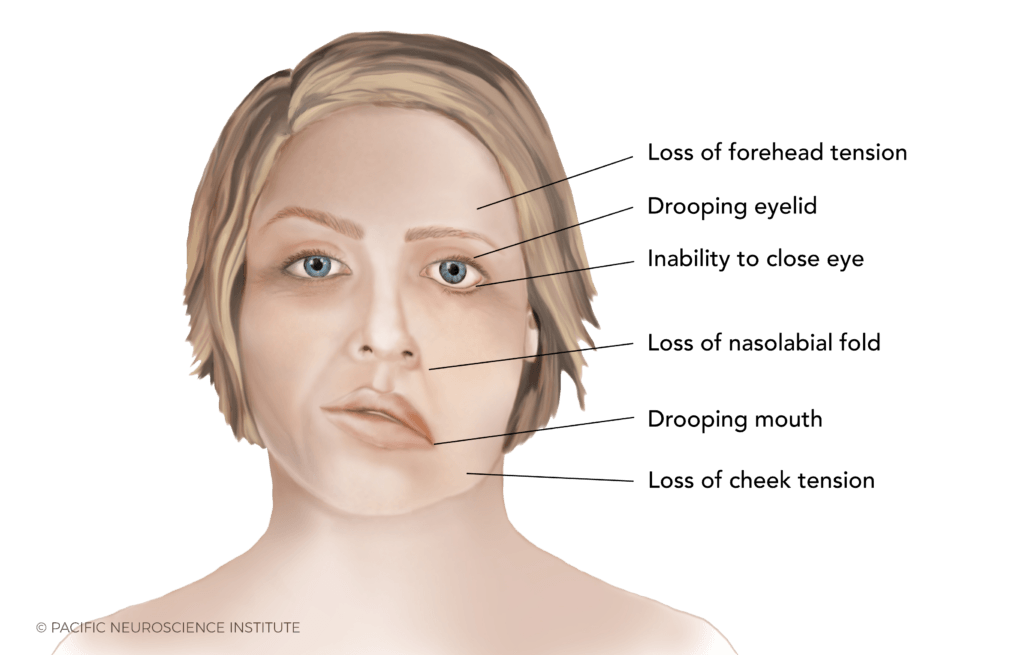
Bell's palsy
300
This autoimmune disease causes the body to attack the small intestine when gluten is eaten, leading to malabsorption.
Celiac disease!
400
This thyroid condition causes fatigue, weight gain, cold intolerance, and elevated TSH.
Hypothyroidism!
Bonus: how do you treat this?
400
Qatar's national cancer registry shows this cancer as the most common malignancy in men, mirror global Middle Eastern trends.
Colorectal cancer
400
Exopthalmos + weight loss + sweating
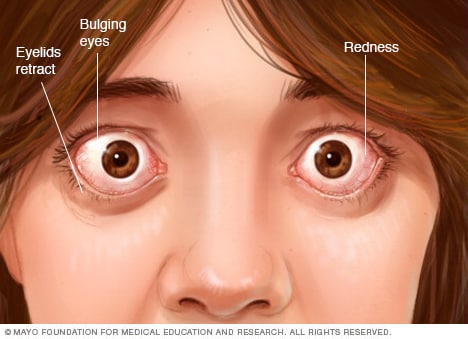
Grave's disease!
400
Chronic infection with this virus can lead to cirrhosis, liver failure, and increased risk of liver cancer.
Hepatitis B or C