Renewable & Non-Renewable Resources
Thermal & Transformations
Physical & Chemical Changes
Energy
Other
Elements, Compounds, & Density
100
A solid fossil fuel that is formed from decayed plant material.
What is COAL?
100
The transfer of energy from one object to another.
What is ENERGY TRANSFORMATION?
100
a change in a substance that doesn't change the identity of the substance (i.e., change in size/shape, state of matter, mixed or dissolved in a substance).
What is PHYSICAL CHANGE?
100
Point B represents...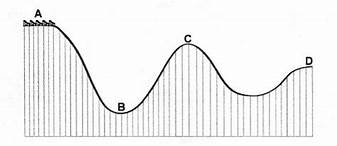
What is GREATEST KINETIC ENERGY?
100
Found on the periodic table and are considered pure substances.
What are ELEMENTS?
100
Substances made of two or more elements are known as.
What are COMPOUNDS?
200
A natural resource that is used faster than it can be replaced.
What is NON-RENEWABLE RESOURCE?
200
The transfer of heat through a direct contact.
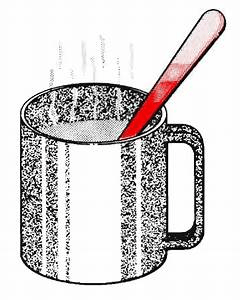
What is CONDUCTION?
200
A change that results in the formation of a NEW SUBSTANCE.
What is CHEMICAL CHANGE?
200
Point A represents...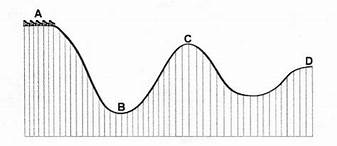
What is GREATEST POTENTIAL ENERGY?
200
Starts with Boron the Moron at the top of the stairs.
What are METALLOIDS?
200
Mass / Volume
What is DENSITY?
300
Can be replaced over time; very expensive; produces very little waste for the environment...
What is RENEWABLE ENERGY RESOURCES?
300
Label the energy transformation... 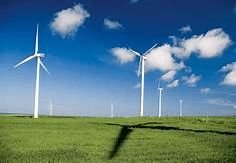
What is MECHANICAL to ELECTRICAL?
300
Shiny luster, malleable, and a good conductor are examples of...
What are METALS?
300
The points on the diagram represent...
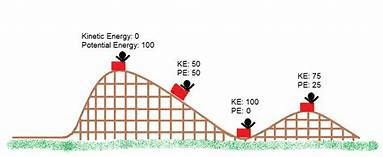
What is an INVERSE RELATIONSHIP?
300
Elements to the left of the staircase, except Hydrogen.
What are METALS?
300
The number 4 in the formula 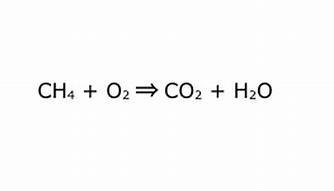 is known as a...
What is a SUBSCRIPT?
400
Advantages: Water supply and flood control; clean resource
Disadvantages: Impacts wildlife; does not work during a drought
What is HYDROPOWER?
400
The transfer of energy from a light source (sun, light bulb) to an object.
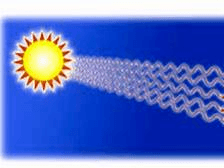
What is RADIATION?
400
Shiny luster, not a good conductor, brittle is an example of...
What is a METALLOID?
400
As the pendulum moves from point C to point E, the ball is gaining...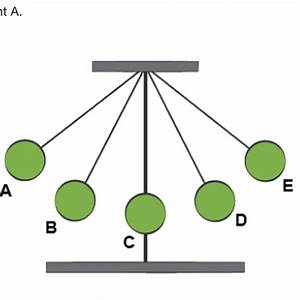
What is POTENTIAL ENERGY?
400
Energy that comes from the heat within the earth.
What is GEOTHERMAL POWER?
400
Calculate density.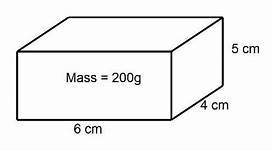 Iron: 27.9 g/cm
What is 1.667 g/cm3?
500
Advantages: Less garbage in landfills; widely available
Disadvantages: leads to deforestation; requires lots of land
What is BIOMASS?
500
A form of kinetic energy resulting from the motion of particles that is transferred as heat; associated with the temperature of substances.
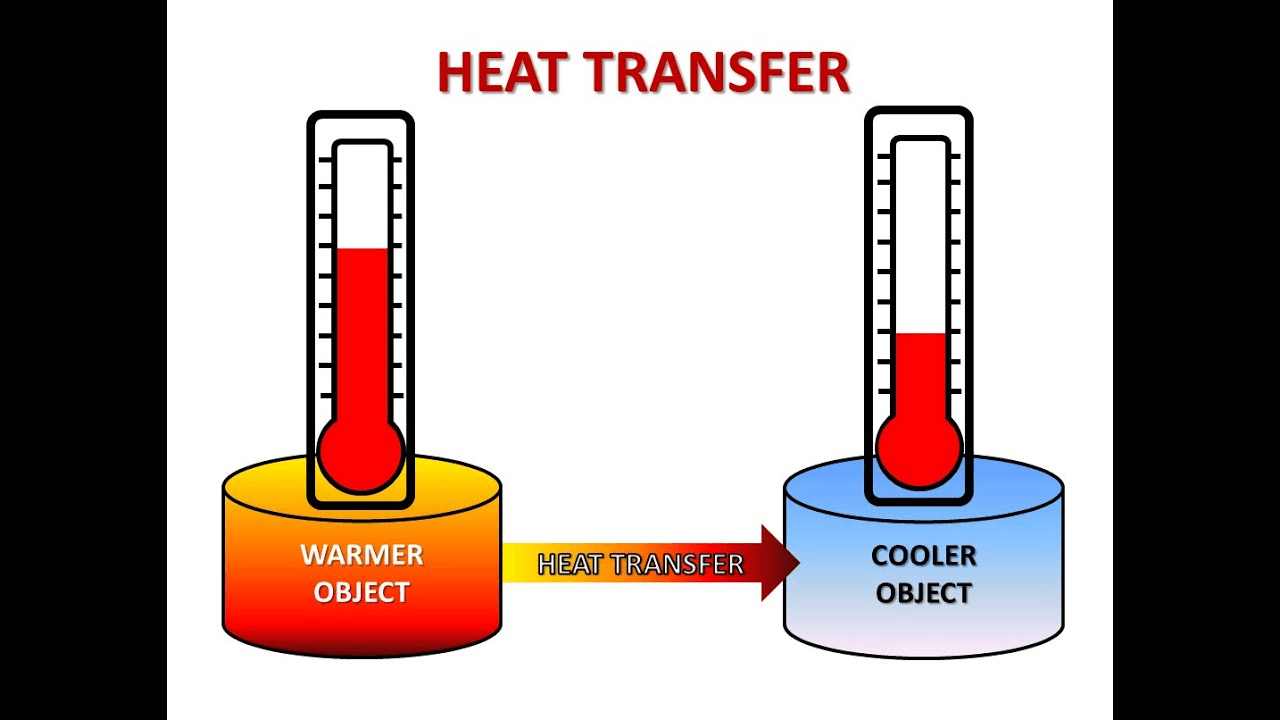
What is THERMAL ENERGY?
500
Brittle, dull, and does not conduct electricity or heat is a...
What is NON-METAL?
500
Mass and Speed are components of...
What is KINETIC ENERGY?
500
Large machines powered by mechanical energy that produce electricity (hint: most likely found in wind farms)
What are TURBINES?
500
A pure substance made from a single type of atom...
What are ELEMENTS?
600
Advantages: Used to make metals and plastics; easily available
Disadvantages: Pollutes air; creates greenhouse gases that destroy the ozone
What is OIL?
600
The transfer of thermal energy, in a liquid or gas, in which the warmer substances rises and the cooler substances sinks; forms a current.
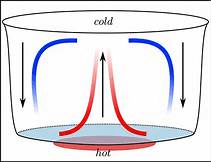
What is CONVECTION?
600
The photo shows two substances combining to form a... 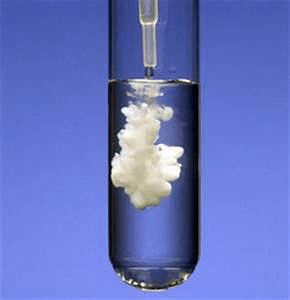
What is a PRECIPITATE?
600
Position 1 represents which type of energy?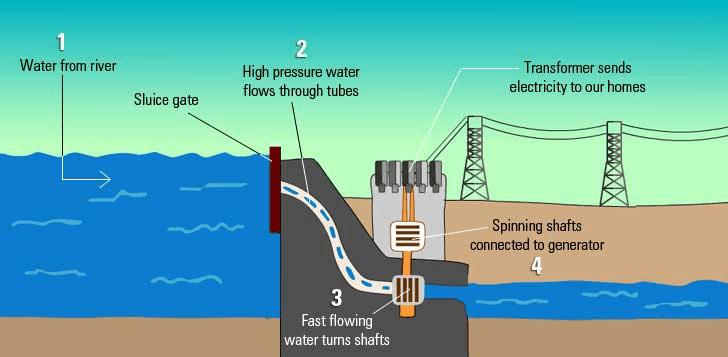
What is POTENTIAL ENERGY?
600
Mixing baking soda and vinegar is an example of...
What is a CHEMICAL CHANGE?
600
The density of water...
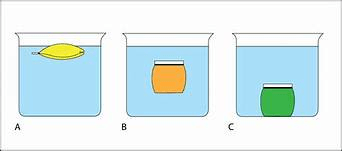
What is 1 g/mL?
700
Advantages: Efficient; clean burning; multiple uses
Disadvantages: Drilling changes landscape; flammable and toxic
What is NATURAL GAS?
700
Label the energy transformation in the photo.
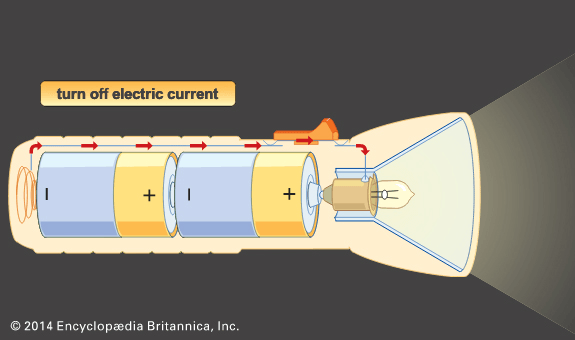
What is CHEMICAL to ELECTRICAL to LIGHT & THERMAL?
700
The photo is an example of...

What is a CHEMICAL CHANGE?
700
Position 2 represents which type of energy?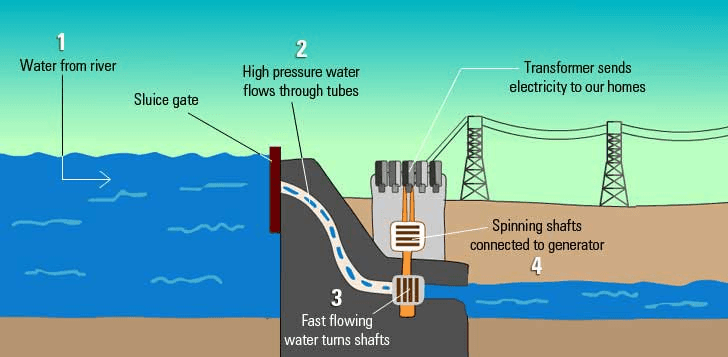
What is KINETIC ENERGY?
700
Dissolving sugar in tea is an example of...
What is a Physical Change?
700
Calculate density & identify which sample has the most density (must show work!)
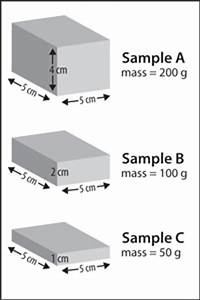
What is SAMPLE C?