Sounds & Print
Reading & Writing Processes
Word & Text Structures
Instruction & Support Systems
Bonus Questions
200
What is a phoneme?
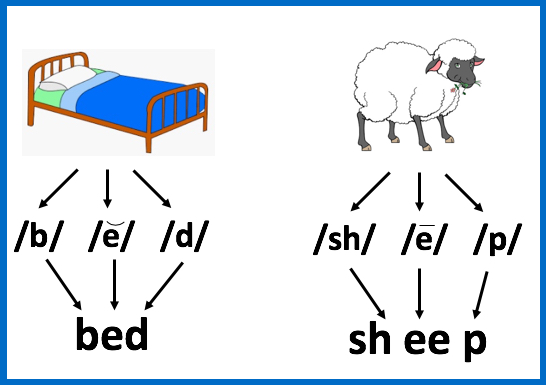
Phoneme: The smallest distinct units of sound we can perceive in words.
EXAMPLE: The word 'cat' has 3 phonemes.
(cat)
/k/ /ă/ /t/
200
What is oral language?
Refers to spoken language, including spoken words and articulated sounds.

200
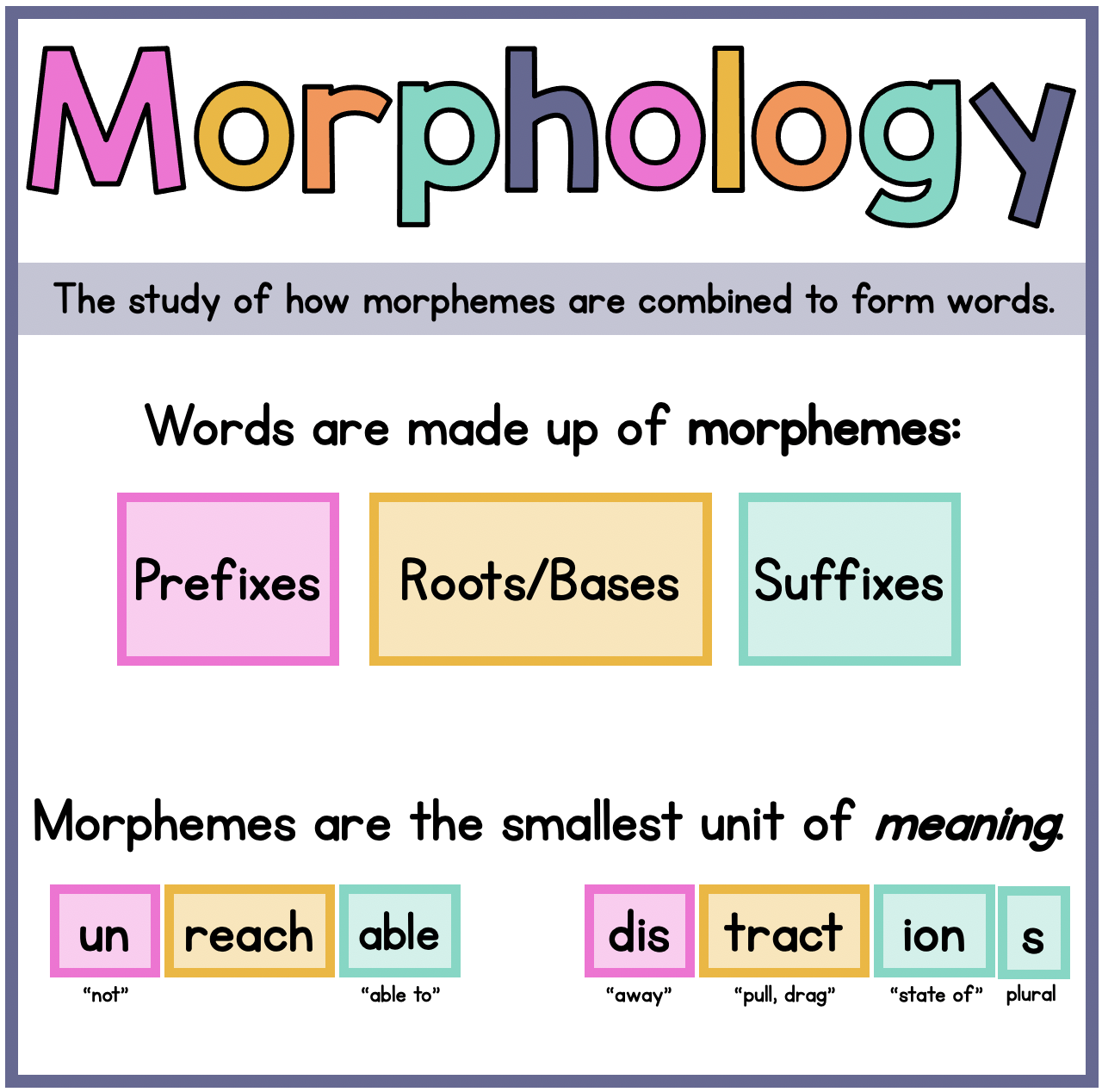
What is a morpheme?
Meaning-carrying units of written language including base words, prefixes, suffixes, combining forms, and roots.
200
What are foundational literacy skills?
The continuum of skills that research has demonstrated are required to systematically teach reading, including phonological awareness, phonemic awareness, phonics, fluency, decoding, vocabulary development and comprehension.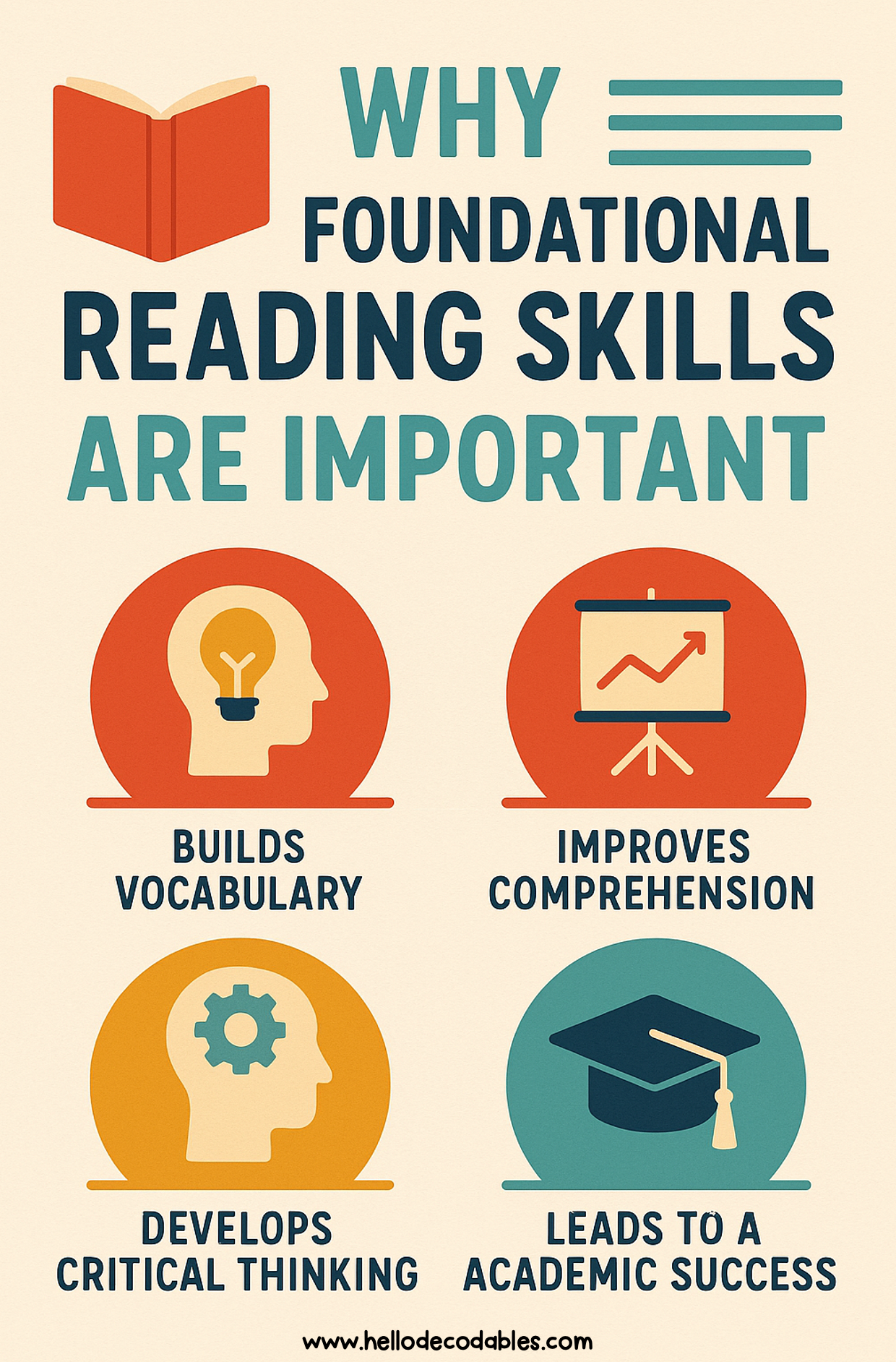
200
What is the difference between a phoneme and grapheme?

400
The specific ability to focus and manipulate the individual sounds in spoken words.
Phonemic Awareness
400
Which term describes the cognitive process of transferring speech to print by linking a speech sounds to a visual symbol?
Encoding!
Encoding is the cognitive process of transferring speech to print, or linking a speech sound to a visual symbol.
400
What is decodable text?
Decodable text is carefully sequenced texts to progressively incorporate words that are consistent with the letters-sound relationships that have been taught to the new reader.
400
Practices, materials and educational strategies that have been proven to be effective via studies.
Evidence-based research
400
What is the difference between decoding and encoding?
Decoding is the ability to apply knowledge of letter-sound relationships as well as letter patterns to correctly pronounce written words.
Encoding is the cognitive process of transferring speech to print, or linking a speck sound to a visual symbol.
600
What is phonological awareness?
Refers to the ability to identify and manipulate oral language including words, syllables, onsets, and times and is inclusive of the advanced skills within phonemic awareness.
600
What is decoding?
The ability to apply knowledge of letter-sound relationships as well as letter patterns to correctly pronounce written words.
600
Letter knowledge is the ability to identify the letters of the alphabet with speed and automaticity and understanding of alphabetic and print concepts, as well as the ability to identify and discriminate between letters.
TRUE or FALSE
TRUE!

600
Complex sets of resources that build conceptually through the yearlong scope and sequence as well as through grade levels that includes comprehensive tools that allow teachers to prepare instructional experiences for all learners.
High-quality instructional materials
600
What is alphabetic principle?
The understanding that letters and letter combinations are symbols that represent speech sounds in words, or that the sounds of language are represented by letters and letter combinations.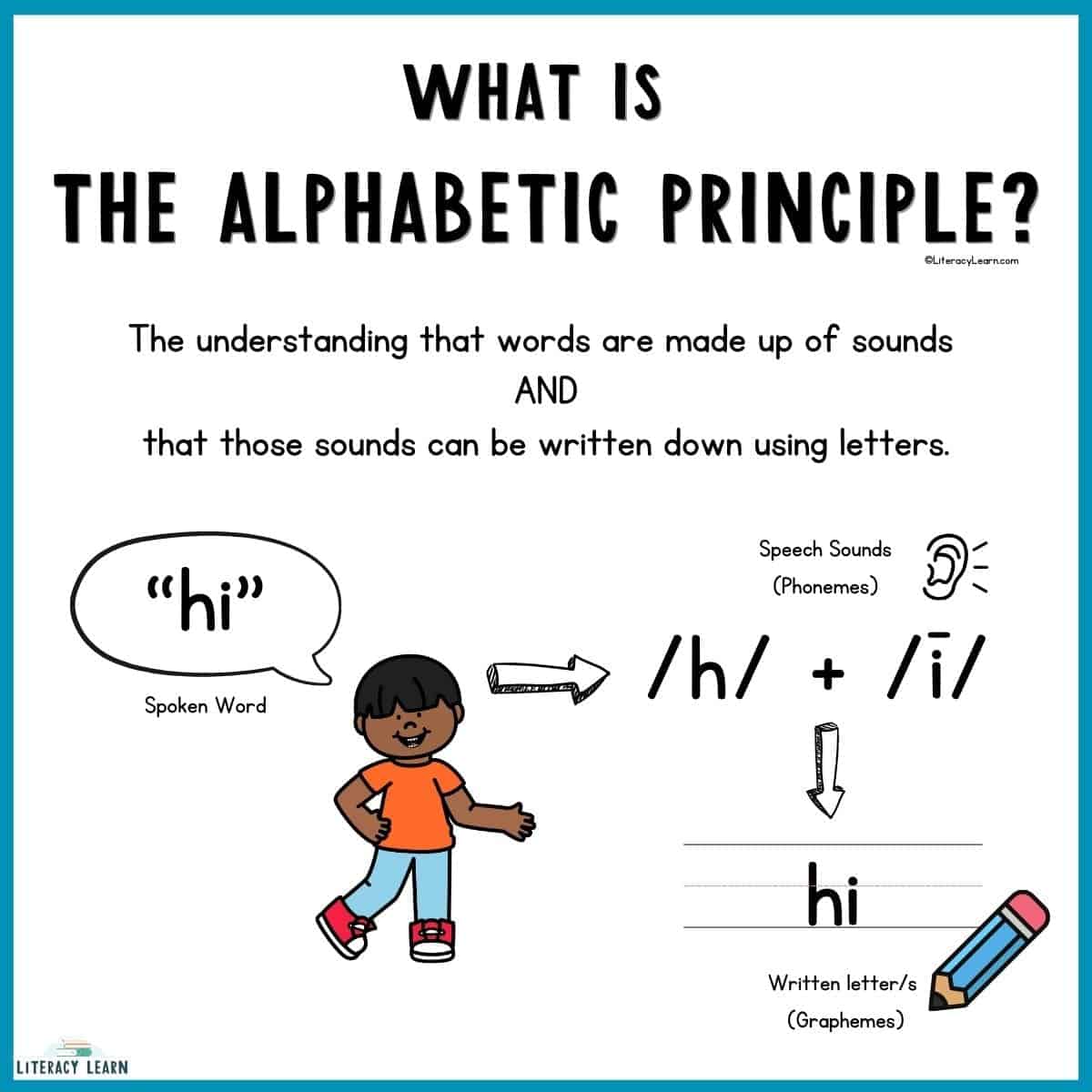
800
An instructional approach that acknowledges children's ability to notice and manipulate sounds as the very first step in foundational skills development is known as:
Sounds first!
The 'sounds first' approach prioritizes oral phonological and phonemic awareness before rushing into complex print work.
800
What is the specific term for the process that occurs when unfamiliar words become automatic sight words through accurate and automatic word retrieval?
Orthographic mapping!
Orthographic mapping is the mental mechanism that binds spelling, pronunciation, and meaning together for instant word recognition.
800
What term refers to the comprehension strand of Scarborough's rope that focuses on developing conceptual understanding on topics after reading a series of texts on the same concept?
Comprehension building!
Comprehension building uses text sets around shared concepts to intentionally grow vocabulary and domain knowledge.
800
What is learning access points?
Explicit access points in high-quality instructional materials designed to help learners with additional needs engage in materials.
800
Identify which is phoneme, morpheme, and grapheme.
Example: /k//a//t/ Cat
Example: C Cat
Example:
un- = prefix meaning 'not'
-S = suffix meaning 'more than one'
rupt = Latin base meaning 'to burst
luck = Anglo-Saxon base
1. Phoneme
2. Grapheme
3. Morpheme
1000
Phonics is the understanding that letters and letter combinations are symbols that represent speech sounds in words, or that the sounds of language are represented by letters and letter combinations.
TRUE or FALSE
FALSE!
Phonics refers to the process when readers learn the predictable relationships between sounds and the letters and spellings that represent those sounds in written language.
Alphabetical Principle is the understanding that letters and letter combinations are symbols that represent speech sounds in words, or that the sounds of language are represented by letters and letter combinations.
1000
Refers to a students ability to derive meaning from written and oral language.
Language comprehension
1000
Fluency is the ability to read with sufficient automaticity, pacing, prosody, and accuracy to support comprehension.
TRUE or FALSE
TRUE!

1000
What is Intervention?
Is a multi-tiered system of academic supports for reading gaps defined by assessments; in Tennessee, interventions are frequently a component of the Response to Instruction and Intervention (RTI^2) system.
1000
What is the importance of phonics?
Helps children understand how letters and groups of letters link to sounds.