Thermal Energy
Weather
Chemical Reactions
Metabolic Reactions
Photosynthesis and Matter Cycling
Ecosystems
Genetics
100
Thermal energy is an example of ___
A. Kinetic energy
B. Potential energy
C. Nuclear energy
D. Mechanical energy
What is A. kinetic energy?
100
Clouds are made of tiny drops of _____.
A. dust
B. cloud particles
C. water or ice
D. precipitation
What is C. water or ice
100
What are the building blocks of all matter?
A. Genes
B. Energy field
C. Atoms
D. DNA
What are C. atoms?
100
What is the smallest unit of life?
A. cells
B. tissues
C. organs
D. organisms
What is A. cells?
100
In which part of a plant cell does photosynthesis take place?
A. Nucleus
B. Cell Wall
C. Chloroplast
D. Mitochondria
What is C. chloroplast?
100
Which of these is a biotic (living) factor?
A. rock
B. tree
C. water
D. air
What is B. tree?
100
A cell's chromosomes contain what?
A. Genes
B. Mitochondria
C. Eggs
D. Sperm
What is A. genes?
200
____ of particles results in the rise of thermal energy.
A. atoms
B. vibration
C. molecules
D. shape
What is B. vibration?
200
What is an air mass?
A. a place where weather always changes in an extreme way
B. any cloud that produces rain, sleet, snow, or hail
C. a large body of air with the same temperature and moisture
D. any kind of air, as long as it is wet and freezing
What is C. a large body of air with the same temperature and moisture
200
Which of the following is an example of a chemical reaction?
A. using an axe to split wood
B. ice melting by a fire
C. roasting a marshmallow
D. mixing water and salt
What is C. roasting a marshmallow?
200
What substances do cells in the human body use for energy?
A. coffee and Jesus
B. water and oxygen
C. food and oxygen
D. sleep and air
What is C. food and oxygen?
200
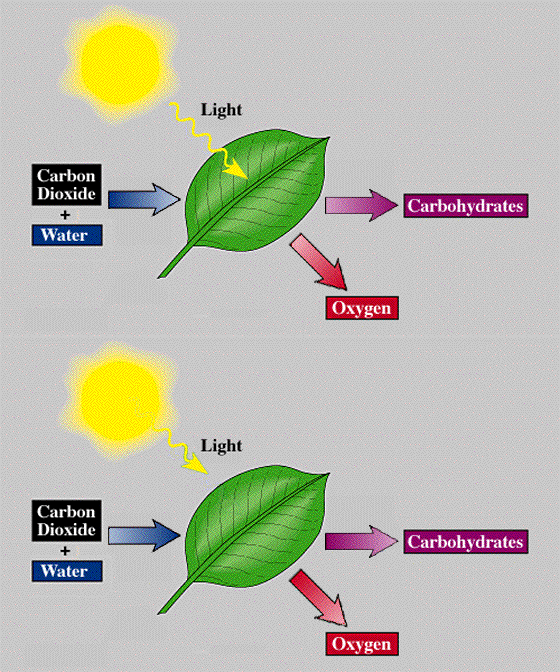
What is photosynthesis?
200
An ecosystem includes...
A. biotic and abiotic factors
B. biotic factors only
C. abiotic factors only
D. sunshine and waterfalls
What is A. biotic and abiotic factors?
200
Dominant alleles are represented by ___
A. lowercase letters
B. capital letters
C. XY
What is B. capital letters?
300
How many ways can thermal energy travel?
A. 1
B. 2
C. 3
D. 4
What is C. 3?
300
When water droplets in a cloud combine, get too heavy, and fall to the ground, we are experiencing ___
A. evaporation
B. precipitation
C. condensation
D. transpiration
What is B. precipitation?
300
Which of the following is NOT an example of a chemical change?
A. temperature change
B. formation of a precipitate
C. shape change
D. production of light
What is C. shape change?
300
Which system breaks down food and absorbs it into the bloodstream?
A. circulatory
B. respiratory
C. nervous
D. digestive
What is D. digestive?
300
What are the reactants of photosynthesis?
A. Oxygen and Sugar
B. Oxygen and Carbon Dioxide
C. Sunlight and Sugar
What is A. oxygen and sugar?
300
What do we call the number of different species living in an ecosystem?
A. species diversity
B. habitat diversity
C. species services
D. habitat services
What is A. species diversity?
300
Recessive alleles are represented by ___
A. capital letters
B. lowercase letters
C. XY
What is B. lowercase letters?
400
If two objects have different temperatures then heat will flow...
A. up then sink
B. back and forth from one object to the other object
C. from the colder object to the warmer object
D. from the warmer object to the colder object
What is D. from the warmer object to the colder object?
400
____ is the measure of water vapor in the air.
A. Humidity
B. Precipitation
C. Hail
D. Rain
What is A. humidity?
400
True or false: The properties of new substances formed after a chemical reaction are the same as the original substances.
What is False?
400
What are the small finger-like projections in the small intestine?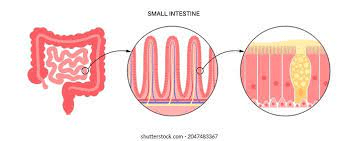
What are villi?
400
Where does cellular respiration occur in the cell?
A. chloroplasts
B. nucleus
C. mitochondria
D. cell membrane
What is C. mitochondria?
400
What happens to a species when its environment changes and it does not adapt?
A. Migration Reflux
B. Reclassification
C. Extinction
D. Revolution
What is C. extinction?
400
This type of reproduction involves 2 parents, 2 sets of genetic material, and produces offspring that have different traits than the parents.
A. sexual reproduction
B. asexual reproduction
What is A. sexual reproduction?
500
The amount of energy required to increase 1 kg of a material by 1*C is called the ___
A. thermal energy
B. specific heat
C. radiation
D. heat
What is B. specific heat?
500
The interactions between air, water, and ___ cause weather.
A. The Sun
B. The Land
C. The Humidity
D. The Wind
What is A. the sun?
500
What is the Law of Conservation of Mass?
A. in a chemical reaction, no new atoms are created, and no atoms are destroyed
B. in a chemical reaction, no atoms are destroyed, but new atoms are created
C. in a chemical reaction, old atoms are destroyed, and new atoms are created
What is A. in a chemical reaction, no new atoms are created, and no atoms are destroyed.
500
What is the name of the reaction that happens in ALL cells to obtain energy?
A. nuclear reaction
B. cellular respiration
C. photosynthesis
D. fermentation
What is B. cellular respiration?
500
Why are cellular respiration and photosynthesis opposites?
A. plants and living things trade what they make to what they give away as waste
B. they're not opposites, they're the same thing
C. animals make their own food, which is photosynthesis
D. plants only do respiration, not photosynthesis
What is A. plants and living things trade what they make to what they give away as waste.
500
An ecosystem is a network of (a) ___ that depend on one another and their environment for survival.
A. living things
B. plants and animals
C. people
D. natural features and living things
What is A. living things?
500
What type of reproduction is this?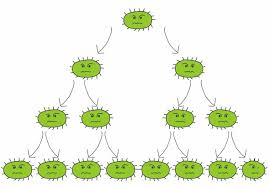
What is asexual reproduction?