Early Humans & Migration
The Agricultural Revolution
Geography & Civilizations
Ancient Egypt & Mesopotamia
Culture & Communication
Nomads, Farmers & Society
Key Terms & Definitions
100
This continent is where the earliest humans originated before migrating to other parts of the world.
What is Africa?
100
This historical revolution marked the transition from hunting and gathering toward farming and domesticating animals. Both terms!
What is the Neolithic Revolution (Agricultural Revolution)?
100
The earliest civilizations often developed near this geographic feature because it provided fresh water and supported farming.
What are rivers?
100
Ancient Egyptian civilization developed along this major river in northeastern Africa.
What is the Nile River?
100
This process occurs when ideas, beliefs, technology, or customs spread from one society to another.
What is cultural diffusion?
100
People who move from place to place rather than living permanently in one settlement are described by this term.
What are nomads?
100
The study of past human societies through artifacts, buildings, and other physical remains.
What is archaeology?
200
Archaeologists study objects left behind by ancient people. These human-made objects are called this.
What are artifacts?
200
This practice involves intentionally growing plants for food rather than relying entirely on wild plants.
What is cultivation (or farming)?
200
Farmers constructed canals and channels to bring water to crops. This agricultural technique is called this.
What is irrigation?
200
This civilization developed between the Tigris and Euphrates rivers in Southwest Asia.
What is Mesopotamia?
200
It is the writing system used in this ancient inscription.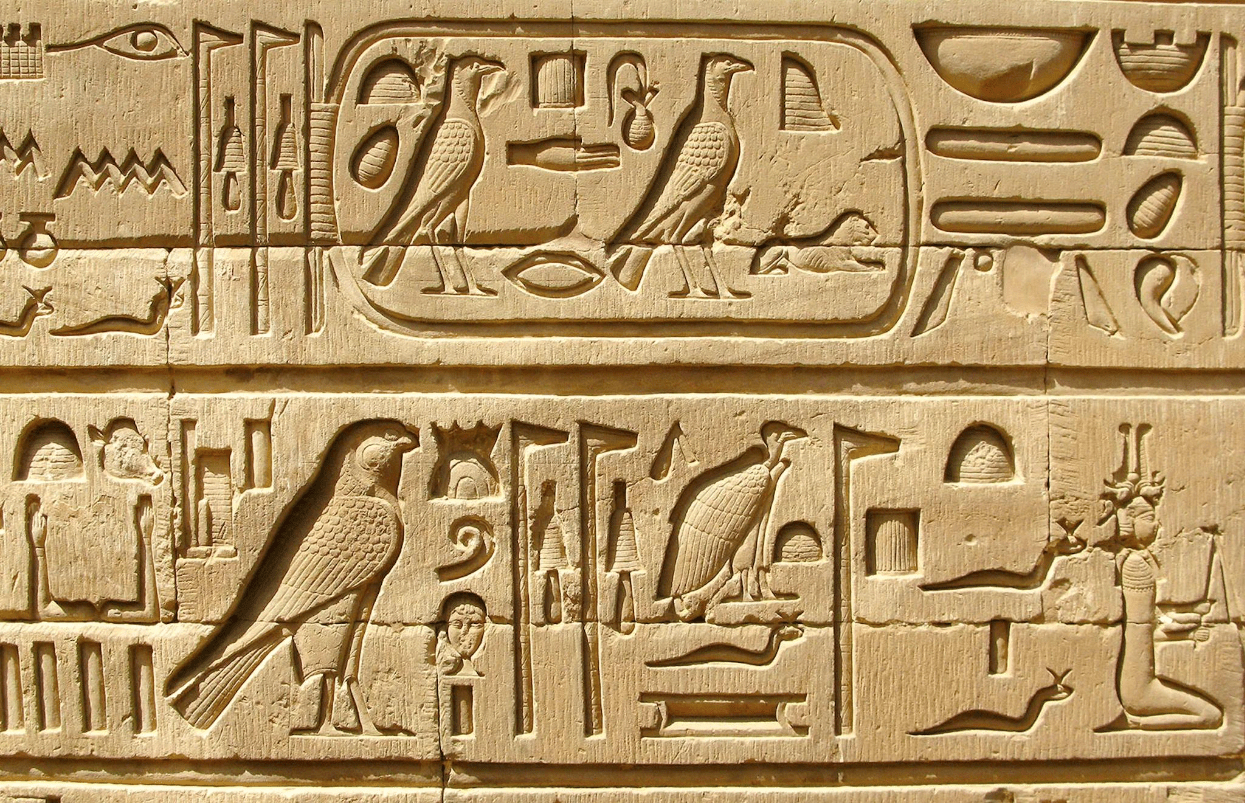
What are Egyptian hieroglyphics?
200
These early people obtained food by hunting animals and gathering wild plants.
Who are hunter-gatherers?
200
The process of bringing wild plants or animals under human control for food, work, or other purposes.
What is domestication?
300
During the last Ice Age, lower sea levels exposed this land connection between Asia and North America, allowing humans to migrate.
What is the Bering Land Bridge (Beringia)?
300
When farmers produced more food than their families needed, the extra food was called this.
What is a food surplus?
300
Rivers often deposited this nutrient-rich material along their banks after flooding, making the surrounding land suitable for farming.
What is fertile soil (or silt)?
300
This Babylonian king created one of the ancient world's best-known written collections of laws.
Who was Hammurabi?
300
It is the writing system in this ancient inscription.
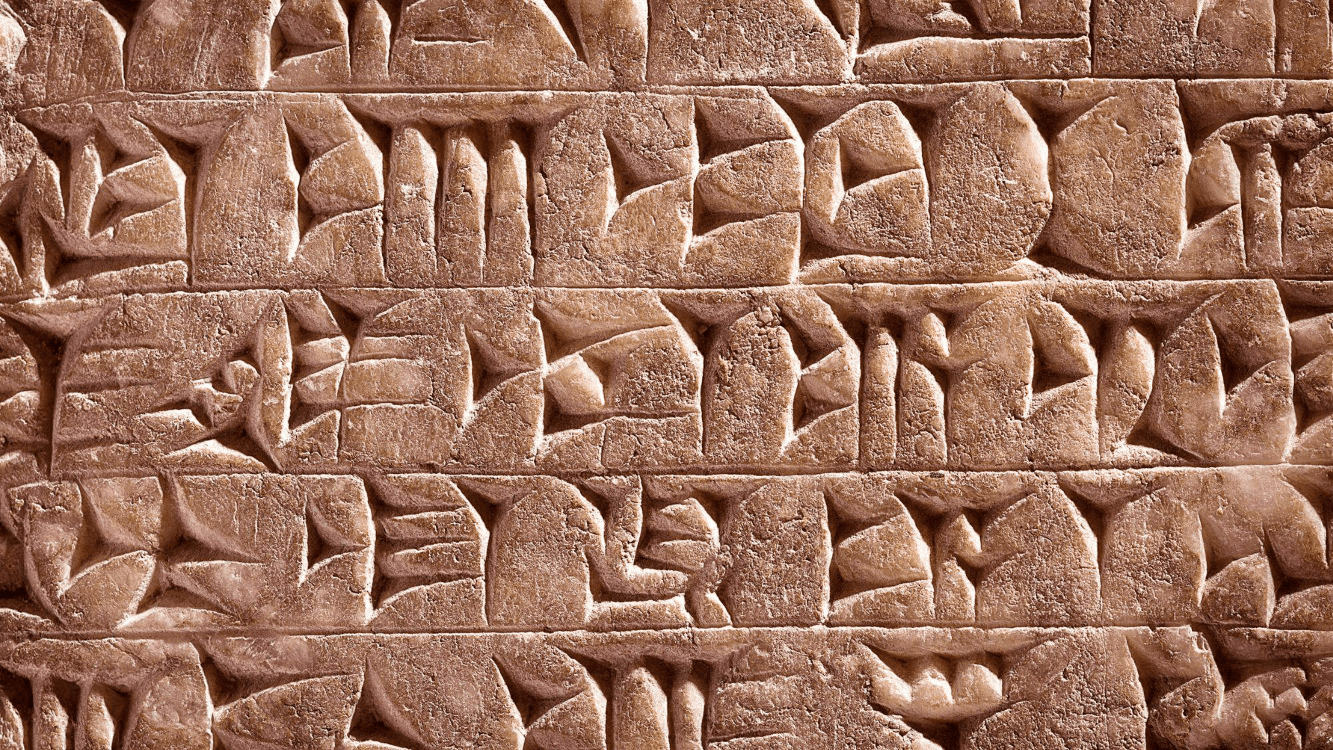
What is cuneiform?
300
In a settled farming community, some people began working as builders, potters, or merchants instead of farmers. This division of work is called this.
What is specialization of labor?
300
A settlement or society in which people live permanently in one location rather than continually moving.
What is sedentary?
400
Archaeologists discover stone tools, animal bones, and remains of temporary shelters at an ancient campsite. These discoveries suggest the people survived primarily through these two activities.
What are hunting and gathering?
400
READ THE PASSAGE
Thousands of years ago, people began changing how they obtained food. Instead of depending entirely on wild plants and animals, communities started producing their own food. This change allowed people to remain in one place for longer periods and establish villages.
This is the historical development described in the passage.
What is the Neolithic Revolution?
400
This type of geographic feature would make travel and the exchange of ideas between northern Italy and areas north of it more difficult.
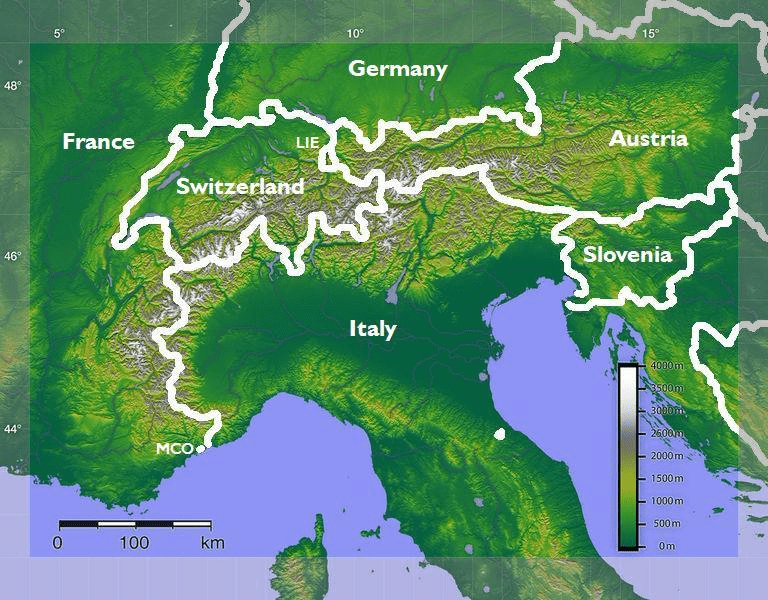
What is a mountain range (the Alps)?
400
Ancient Egyptian farmers depended on the Nile's annual flooding for fertile soil. Explain how this helped Egyptian cities grow.
The flooding made farming possible, supporting food surpluses, larger populations, specialization, and permanent settlements.
400
As the Bantu peoples migrated through parts of Africa, they spread these two important cultural developments.
What are languages and ironworking (metallurgy) techniques?
400
Unlike farming communities that remained in one place, these societies often moved with herds of domesticated animals to find grazing land and water.
What are pastoral societies (or pastoral nomads)?
400
A source created by someone who directly experienced an event or during the historical period being studied.
What is a primary source?
500
Early humans originated in Africa and gradually migrated to other continents. These two continents were the last major landmasses reached by early humans.
What are North and South America?
500
Read the passage:
As agriculture spread, farming communities established permanent settlements and began using more land to grow crops. However, much of this land had previously been used by groups who relied on hunting and gathering. As farms expanded, these groups sometimes lost access to the land and resources they needed to survive.
What happened to some hunter-gatherer communities as agricultural settlements expanded?
What is displacement from their traditional lands?
500
A traveler attempting to move south from the Mediterranean coast would encounter a vast region with scarce water and harsh conditions. Identify the geographic barrier and explain why it could limit cultural diffusion.
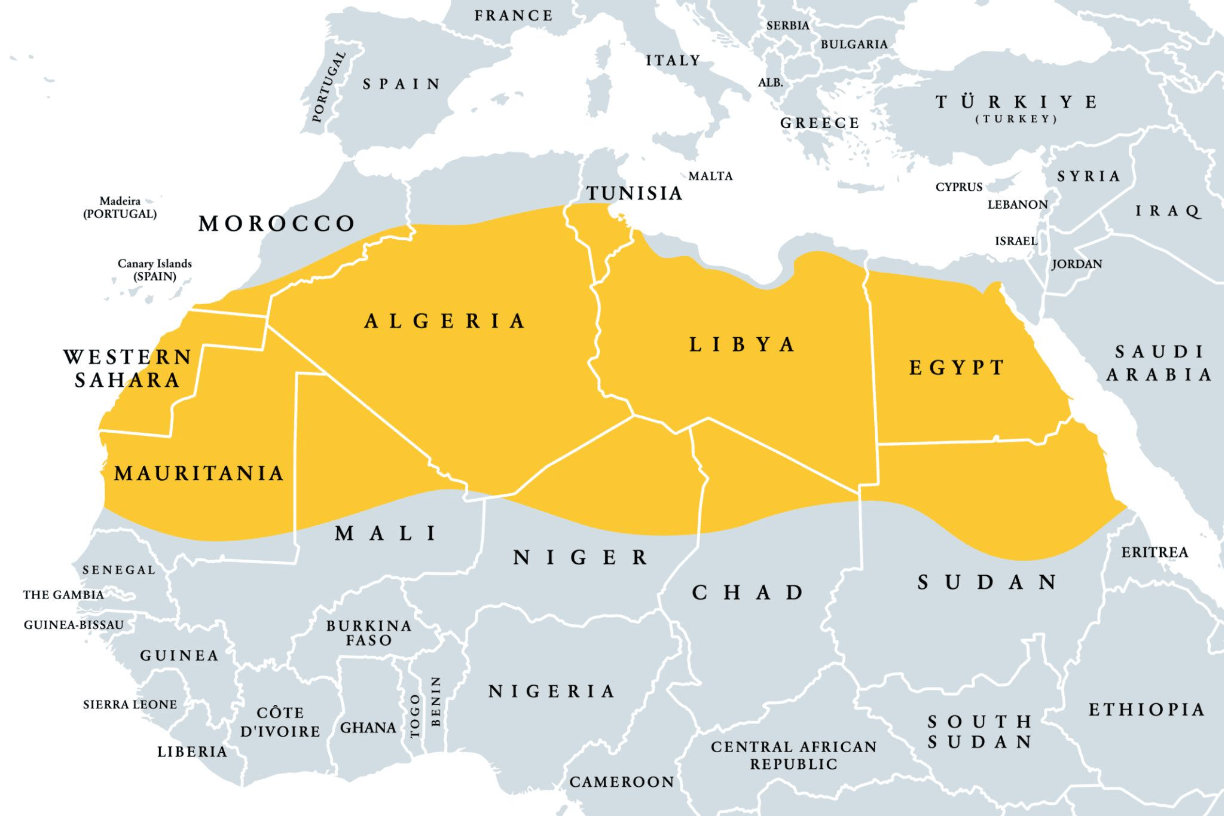
What is the Sahara Desert? Its dry climate, great size, and limited water sources made travel and communication more difficult.
500
A historian compares the Nile River in Egypt with the Tigris and Euphrates rivers in Mesopotamia. Identify TWO ways these river systems helped early civilizations develop.
They supplied fresh water, supported agriculture through irrigation and fertile soil, and provided transportation and trade routes.
500
A historian discovers an ancient Egyptian inscription describing a pharaoh's victory in battle. Explain why the inscription is a primary source.
It is a firsthand record created during the historical period.
500
An ancient society is organized into ranked groups, with rulers and priests at the top and farmers and laborers below. Identify the term used to describe this social structure.
What is a social hierarchy?
500
A complex society typically characterized by permanent cities, organized government, specialized workers, and systems of recordkeeping.
What is a civilization?