Lab Safety 101
Rules
Lab safety 102
Safety Symbols
Policies
100
This method of using your hand to gently wave chemical vapors toward your nose should always be used instead of sniffing directly from a container.
What is wafting?
100
This is the penalty for turning in late work
what is 10% deduction
100
If a chemical splashes directly into your eyes, you should use this station to flush them with water for at least 15 minutes.
What is the eyewash station?
100
This symbol featuring two hands under a dripping faucet reminds you to perform this basic hygienic step before leaving the laboratory.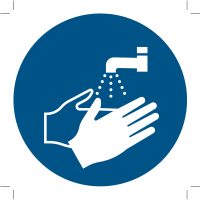
What is hand washing?
100
This item, alongside a pencil and your Chromebook, must be brought to class every day and contains most daily assignments.
What is a 2-inch binder?
200
This piece of protective eyewear must be worn whenever you are working with heat, glass, or chemicals.
What are safety goggles?
200
Before leaving the science room after an experiment, you should always wash your hands using these two items.
What are soap and water?
200
You should pull the pin and aim at the base of the fire when operating this handheld device.
what is a fire extinguisher?
200
Displaying a pair of scissors or a scalpel, this symbol warns you that you are working with tools that could puncture or cut skin.
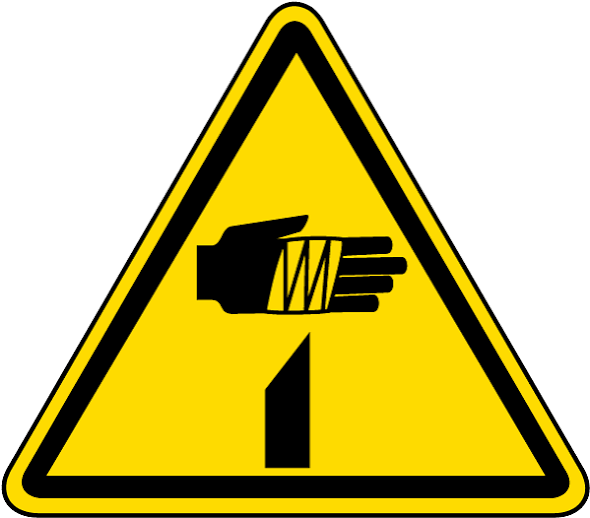
What is Sharp Object Safety?
200
What must a drink contain in order to bring it to class?
What is a closed Lid?
300
If a piece of glassware cracks or breaks during an experiment, this is the very first thing you should do.
What is notify/tell the teacher?
300
This long physical feature must be tied back behind your head to prevent it from catching fire or touching chemicals.
What is long hair?
300
This piece of equipment protects your clothing and skin from chemical spills and splatters during lab activities.
What is a lab apron (or lab coat)?
300
Showing a small fire icon, this symbol warns of flammable materials, lit Bunsen burners, or hot items that can cause burns.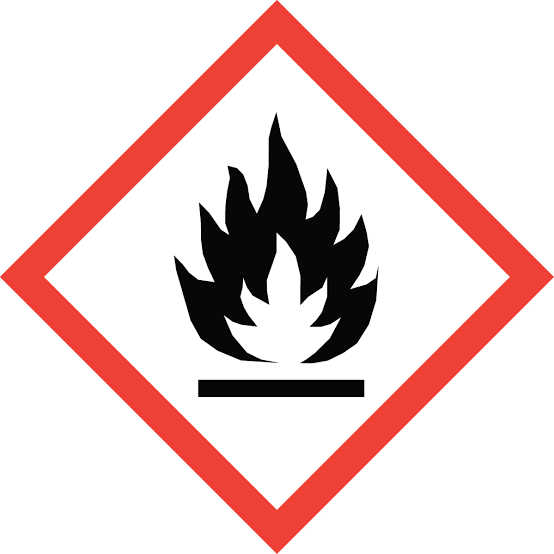
What is Open Flame (or Heat) Safety
300
In 7th Grade Science, labs, projects, and assessments account for this percentage of your overall grade.
What is 70%?
400
When heating a liquid over a Bunsen burner or hotplate, you should always point the open end of the test tube here.
What is away from yourself and others?
400
When using sharp instruments like scalpels or scissors, you should always cut in this direction relative to your body.
What is away from yourself (or away from your body)?
400
If a chemical splashes onto your skin or clothing, you should immediately flush the affected area with water for at least this many minutes.
What is 15 minutes (or 15–20 minutes)?
400
Featuring a small leaf or stem, this symbol reminds students to handle botanical specimens with care and report any toxic reactions or allergic responses.

What is Plant Safety?
400
If you are absent from class, you are given this many days to turn in your missed assignments.
What is two days?
500
If you are dissecting a specimen using a scalpel, this is the safety symbol you would NOT expect to see on your lab handout.
What is Heat Safety (or Open Flame Safety)?
500
If an accident, injury, chemical spill, or broken piece of equipment occurs, this is the very first person you must notify immediately.
Who is the teacher?
500
In the event of a severe chemical splash covering a large portion of the body, this piece of emergency equipment is used to drench the entire person in water.
What is the safety shower?
500
Displaying a skull and crossbones or a spilling test tube, this hazard symbol warns that the substances being used are toxic, corrosive, or dangerous to touch.
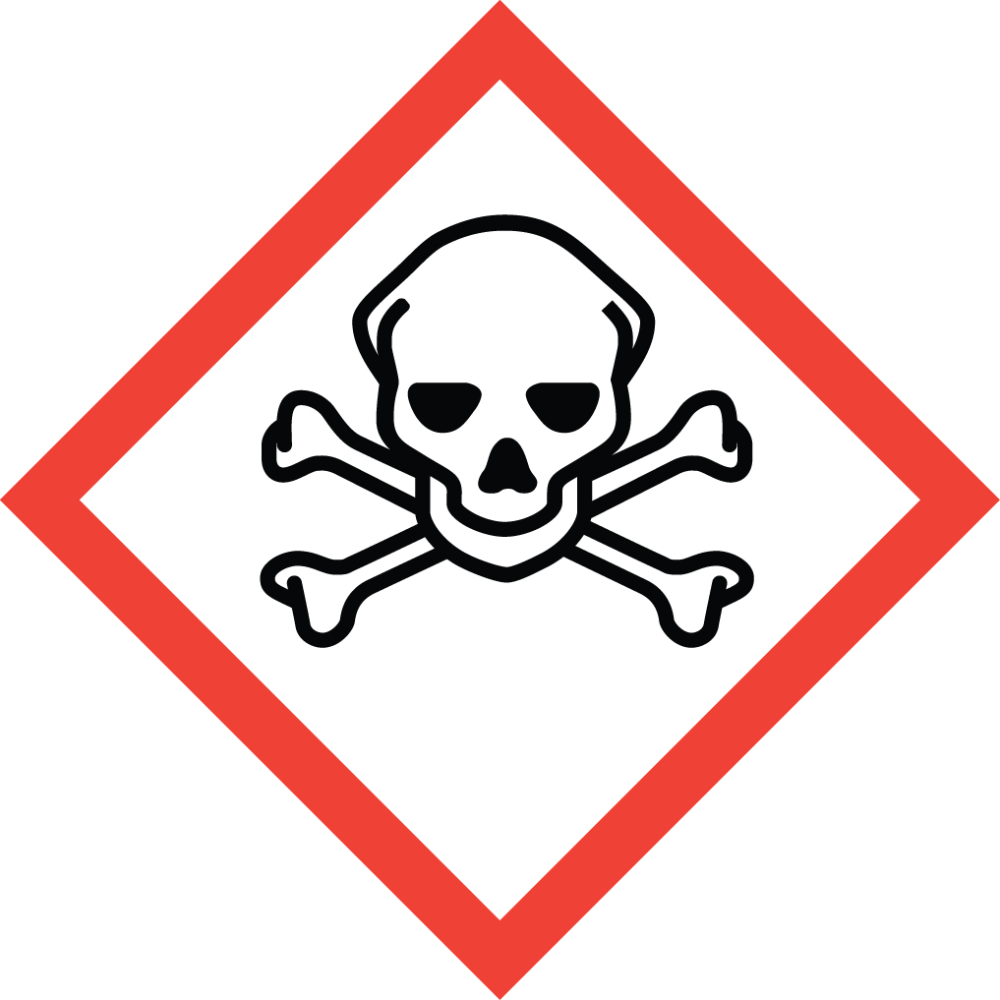
What is Chemical Safety?
500
Under Ohio law and district policy, these personal electronic items must remain put away and unused during instructional hours.
what are smart devices (cell phone, smartwatches, tablets, smart glasses)