Chemistry 1
Chemistry 2
Heat 1
Heat 2
Sound Waves
Light Waves
Random
100
An atom has one proton. What element is it?
Hydrogen
100
Is this an atom or a molecule?
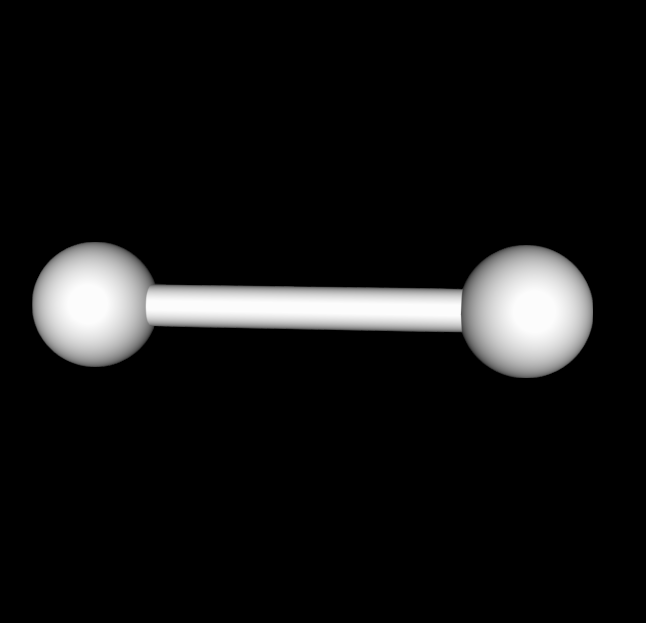
Molecule
100
What is the name of the heat transfer that allows heat to travel WITHOUT touching?
Radiation
100
Another word for balanced or equal temperatures of two objects...
Equilibrium
100
Name the 5 parts of a wave!
Rest, crest, trough, amplitude, wavelength
100
When you think about light, think about ...
RRATs
100
Name the three subatomic particles
Protons, neutrons, electrons
200
All matter is made up of _________.
Atoms
200
I cause a chemical reaction. The number of atoms and molecules stayed the same. What happened to the mass of the products after the reaction?
The mass stayed the same, too.
200
Heat moves from ___________________________________________________________________________________________________________________________________
Hotter systems into colder systems until they reach equilibrium
200
I dropped my marshmallow into the campfire! I reach in to grab it, but I was burned! This heat transfer is called..
Conduction.
200
Sound waves are this type of wave...
Mechanical
200
This is an example of...
Refraction
200
What is kinetic energy?
The energy of movement (of particles, when talking about heat)
300
Define "molecule"
2 or more atoms bonded together
300
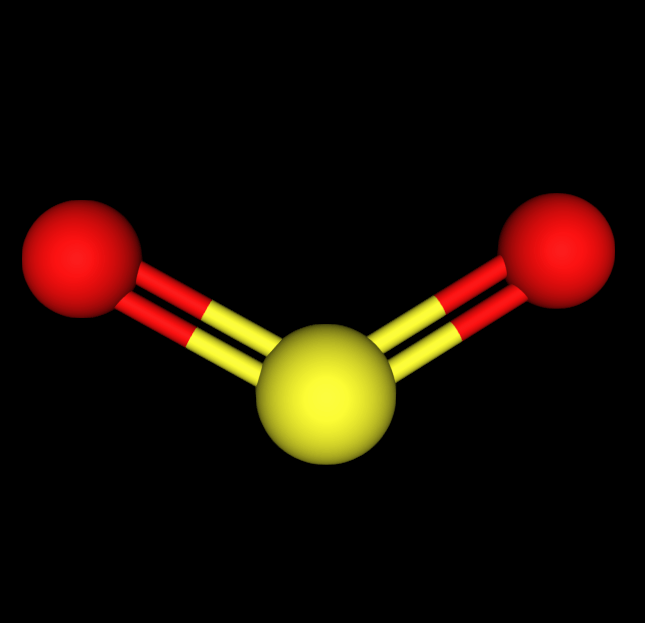 Is this a compound?
Yes.
300
Describe why an open system is so much better than a closed system.
Open = heat loss
Closed = everything stays in, heat is retained
300
What type of heat transfer is technically a wave?
Radiation
300
Sound travels the slowest through _____. This is because...
Gas. The particles are spread out, so it takes longer for them to collide.
300
Label the light interaction happening with each material.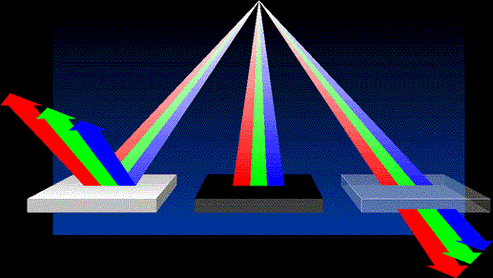
Reflection, absorption, transmission.
300
Name THREE differences between light waves and sound waves
1. Energy calculation. Sound uses amplitude, light uses wavelength.
2. Sound is mechanical, light is electromagnetic.
3. Sound MUST travel through a medium, light doesn't need one. (AKA can or cant in a vacuum)
4. Light is MUCH faster than sound.
400
Define "compound molecule"
2 or more different atoms bonded together
400
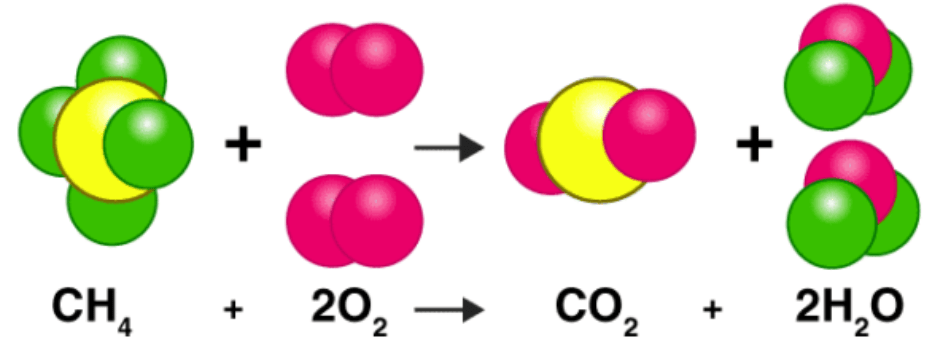
Does this reaction follow the law of conservation?
Yes.
400
What CAUSES something to be hot or cold? Hint: particle
Hot = particles in the object moving VERY fast
Cold= particles in the object moving SLOW
400
What type of heat transfer is happening? Explain how it works.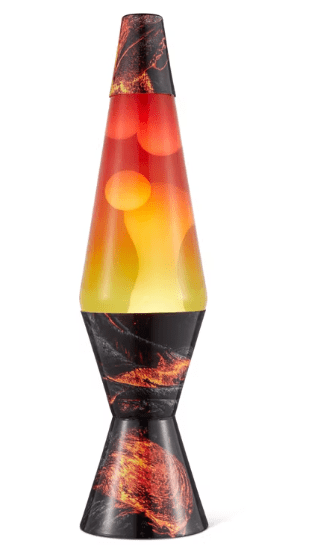
Convection. The wax heats up and rises, the wax gets cold and falls. It goes in a cycle.
400
What is the amplitude of this wave?
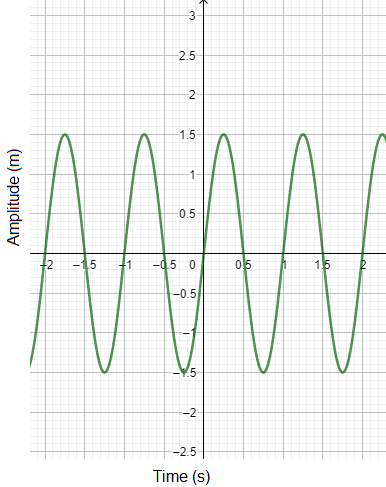
1.5
400
What is the wavelength of this light wave?
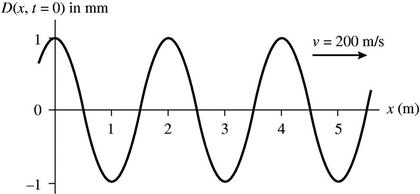
2
400
What makes a wave mechanical?
The collision of particles.
500
5Fe + 3O₂ → 2Fe₂O₃
Does this follow the law of conservation?
No
500
Do the molecules have to stay the same before and after a chemical reaction? Explain.
No. The molecules change because the atoms rearrange. The number of each ATOM will stay the same.
500
Explain how all 3 types of heat transfer are happening in this picture.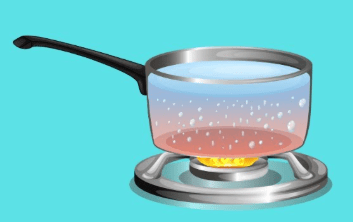
(Explanations vary)
500
Name at least THREE things that would be effective in a cooler or cup design to keep drinks COLD.
Use of insulators (plastic, cardboard, fabrics), double layers, lid (closed system), and vacuum between layers.
500
According to the wave speed equation, what happens to the frequency of a wave if you INCREASE the wavelength?
Frequency will decrease. (They have an INVERSE relationship).
500
Explain why you see lightning first and hear thunder later.
Light travels faster than sound. So, when the both waves are send out, light gets to you faster than the boom.
500
WHY can't heat move from a COLD system into a HOT system?
Cold does not have any heat to give away to the other object to begin with. So, it cannot move from hot to cold.