Syn(copy)and paste
To Tap or not to tap
How low can you go?
Heebie-jeebies
CatDog
100
What are the 3 primary classifications of syncope?
A: cardiac, reflex (neurogenic), and orthostatic
Cardiac syncope is caused by cerebral hypoperfusion due to decreased cardiac output.
Reflex syncope is the most common type of syncope in all age groups. Typically, a provoking factor, such as fear, pain, or emotional distress, is the source of the syncopal episode.
Orthostatic syncope occurs with positional changes
100
Patients with decompensated heart failure, cirrhosis, or kidney failure are likely to have what type of pleural effusion?
transudative
Small bilateral effusions in patients with decompensated heart failure, cirrhosis, or kidney failure are likely transudative and do not require diagnostic thoracentesis. In contrast, pleural effusion in the setting of pneumonia (parapneumonic effusion) may require additional testing (Exudative)
100
What are symptoms of severe hyponatremia?
Severe symptoms of hyponatremia include delirium, confusion, impaired consciousness, ataxia, seizures, and, rarely, brain herniation and death.
100
What is the most common intestinal parasite in children?
Pinworm, the most common intestinal parasite in children, is not a locally notifiable infection.
100
Patients at increased risk of infection from dog and cat bites should receive antibiotic prophylaxis
True or False
True. Routine antibiotic prophylaxis for dog and cat bites is controversial. For bites that have not broken the skin or drawn blood, antibiotic prophylaxis is not warranted 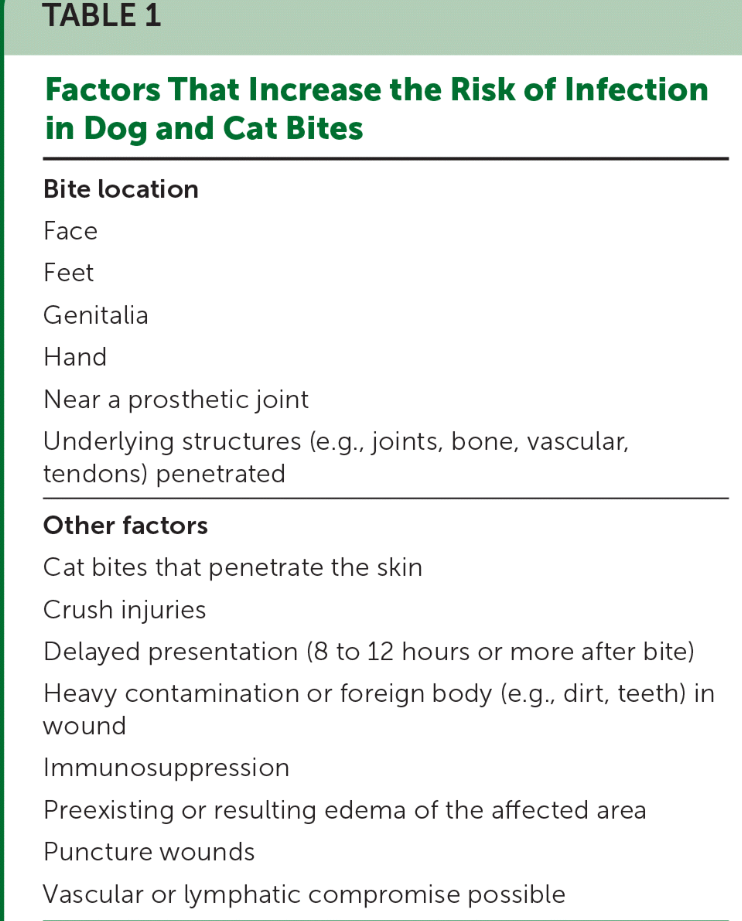
200
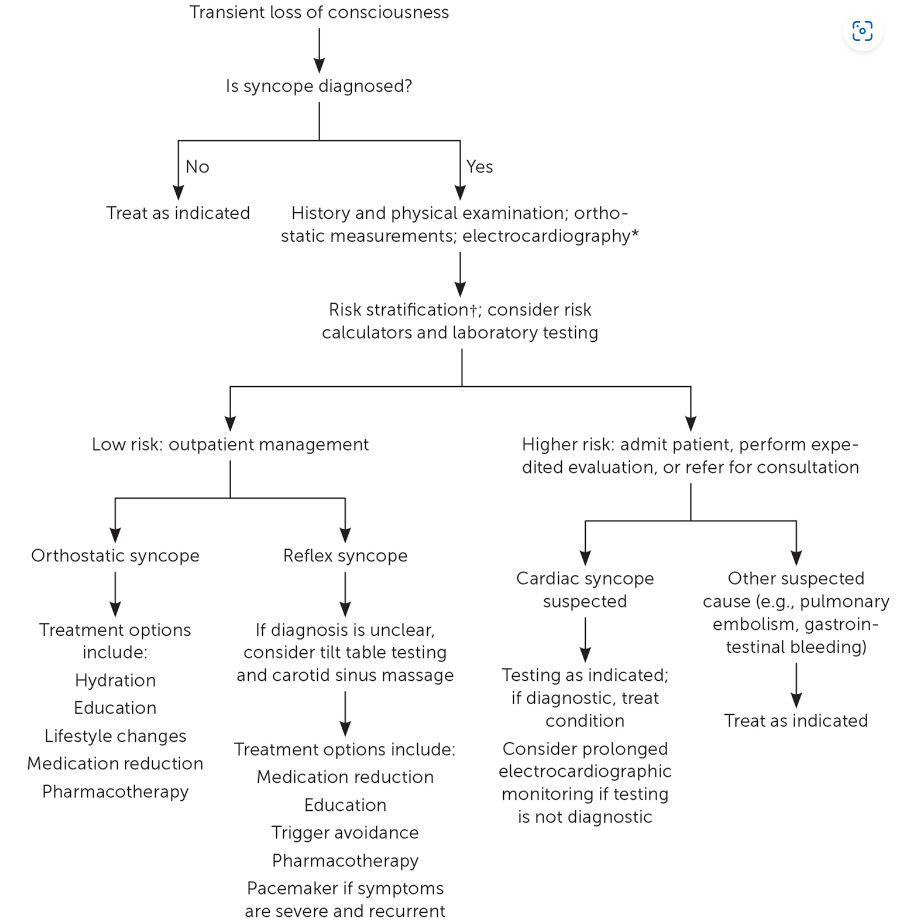
What are the main components of eval for syncope
history, orthostatic blood pressure, EKG
200
A pH level less than 7.2 is indicative of ?
complicated parapneumonic effusion and warrants prompt consultation for catheter or chest tube drainage, possible tissue plasminogen
200
If Na is less than 135 and pt has hyperglycemia what should you do next?
Correct Na for glucose then complete evaluation
200
To diagnose Giardia infection what test should you order?
To diagnose Giardia infection, stool microscopy with direct fluorescent antibody testing is recommended;
200
Imaging is usually warranted for dog/cat bites.
T/F
False. Imaging and laboratory studies are usually not required unless there is suspicion of a retained foreign body, damage to underlying structures, infection, or extensive injury
300
If syncope is associated with exertion which further testing should you order?
stress testing
300
What test/imaging would you order to evaluate pleural effusion
thoracentesis w/ point of care ultrasound
send thoracentesis fluid for testing
300
Patients with a sodium concentration of less than 125 mEq per L and severe symptoms require what treatment?
Patients with a sodium concentration of less than 125 mEq per L and severe symptoms require emergency infusions with 3% hypertonic saline.
300
Cryptosporidium infection with diarrhea for 8 days should be treated with nitazoxanide (Alinia).
True or False
Cryptosporidium infection with diarrhea persisting beyond two weeks should be treated with nitazoxanide (Alinia).
300
____ bites may cause crush and soft-tissue avulsion, whereas ____bites usually cause deeper puncture-type wounds
1. Dog 2. Cat
400
Neurologic imaging, including carotid ultrasonography and CT or MRI or head, should be ordered as part of the evaluation for syncope in the absence of neurologic signs or symptoms.
True or False?
A: False
Evidence rating B (expert opinion) neurologic imaging including carotid US and CT or MRI of head should not be ordered as part of evaluation for syncope in the absence of neurologic signs or symptoms. Regarding CT of the head, many studies show that in the absence of head trauma or neurologic abnormalities, it provides almost no benefit. In the absence of physical examination findings consistent with symptomatic carotid stenosis, carotid ultrasonography is not recommended
400
What are the leading causes of pleural effusion in adults ??
heart failure, infection, malignancy, and pulmonary embolism
400
What are common causes of hyponatremia?
excessive alcohol consumption, use of illicit drugs (e.g., ecstasy), diets with very low solute intake (e.g., tea and toast diet), and prolonged exercise in which free water intake exceeds water loss from sweat (dilutional hyponatremia), certain meds (diuretics)
400
In immunocompetent patients without a history of travel to areas with endemic parasites, ova and parasite examination should not be ordered if diarrhea has lasted fewer than ____ days?
7 days
400
Which is first line antibiotic for bites, especially high risk bites?
Antibiotic prophylaxis, with amoxicillin/clavulanate as the first-line choice, should be considered for all bites, particularly for those at increased risk of infection
500
Which stratification tool can be used to help during evaluation of syncope?
Canadian Syncope Risk Score
500
What tests would you order if sending off thoracentesis fluid?
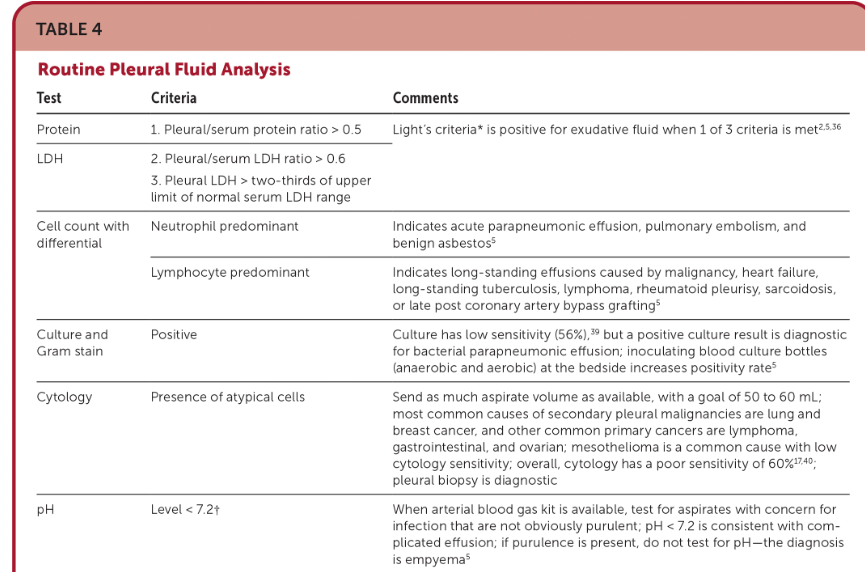 Pleural aspirate should routinely be evaluated using Gram stain, cell count with differential, culture, cytology, protein, l-lactate dehydrogenase, and pH levels.
500
What are additional tests you would order to assess for hyponatremia>
Common initial tests include serum osmolality, a comprehensive metabolic profile, and urine screening for sodium, creatinine, and osmolality. Serum osmolality can distinguish between isotonic, hypotonic, and hypertonic hyponatremia
500
A single dose of ______ is the most effective treatment for people older than three years with Giardia infection (greater than 90% cure rate)
Tinidazole
500
Pt coming in for animal bite contaminated with dirt that did puncture the skin. Pt has unknown tetanus vaccination status. What is needed for the pt in terms of tetanus vaccine, immune globin etc?
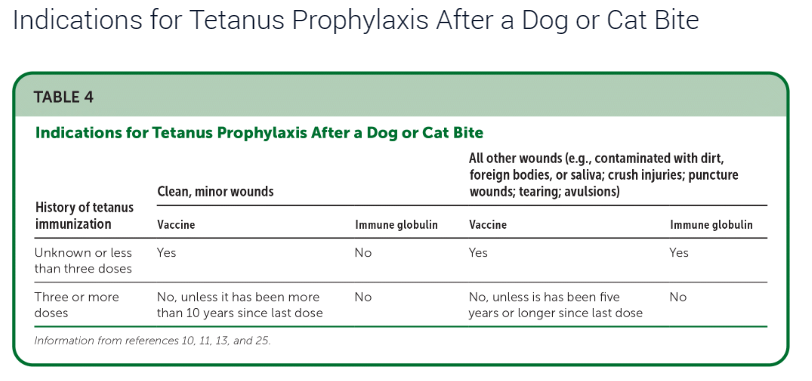 Needs both tetanus vaccine and immune globin