Ouch...All about ear pain
PT and Other Potpourri
Spondyloarthropathies
Talking about CBT
What did I eat?(Foodborne Illness)
100
A 25-year-old woman presents with ear pain that began 3 weeks ago. She has a history of anxiety and has been working on her master’s thesis. Which one of the following findings most strongly suggests temporomandibular joint (TMJ) disorder as the cause of her ear pain?
A. Hearing loss.
B. Dental caries.
C. Tenderness on palpation of the TMJ.
D. History of degenerative joint disease of the cervical spine.
C. TMJ disorders are frequently associated with otalgia due to proximity of the TMJ to the anterior wall of the external auditory canal but are rarely associated with hearing loss. Patients may report jaw clicking, crepitus, or pain with mastication. Palpation of the TMJ and muscles of mastication during jaw opening and clenching may elicit tenderness.
100
3. Which one of the following statements about physical therapists is correct?
A. They are not allowed to practice autonomously and are required to provide therapy under the license of a referring physician.
B. All physical therapists entering the profession earn a Doctor of Physical Therapy degree.
C. Patients must be referred for physical therapy and are not allowed to self-refer.
D. The use of adjunctive treatments and biophysical agents is not within their scope of practice and must be performed by other health care team members.
B. Patients can self-refer to PT (although insurances may limit this) and PTs are independent in their care plans.
100
What is enthesitis?
Enthesitis is inflammation of tendonous or ligamentous attachments to bone.
100
A 24-year-old woman presents with severe depression, severe obsessive-compulsive disorder, insomnia, and chronic headaches. For which one of the following disorders is cognitive behavior therapy (CBT) recommended as monotherapy?
A. Chronic headaches.
B. Severe depression.
C. Insomnia.
D. Severe obsessive-compulsive disorder.
C. CBT is a primary treatment for insomnia, using a variant called CBT for insomnia (CBT-I); medication reduces the effectiveness of CBT-I. Hypnotics are recommended only for patients whose symptoms are unresponsive to CBT. Combination therapy with CBT and medication is recommended for severe depression and severe obsessive-compulsive disorder. It is an effective adjunctive treatment for chronic pain disorders, including headaches.
100
A 32-year-old patient presents to your office after 4 days of watery bowel movements following an international trip. She has family members at home with similar symptoms. She is otherwise healthy. In which one of the following situations is empiric antibiotics recommended for travelers diarrhea?
A. Infants younger than 3 months who are ill appearing.
B. All international travelers.
C. Patients with zinc deficiency.
D. Shiga toxin–producing Escherichia coli O157:H7 is suspected.
A. Empiric antibiotics should be reserved for patients with severe symptoms or high-risk comorbidities, including infants younger than 3 months with a suspected bacterial etiology; immunocompetent patients with fever, abdominal pain, bloody diarrhea, or abdominal cramps; those who recently traveled internationally and have fever or signs of sepsis; and immunocompromised individuals.
Antibiotics are not recommended if Shiga toxin–producing E coli O157:H7 is suspected because they increase the risk of hemolytic uremic syndrome.
200
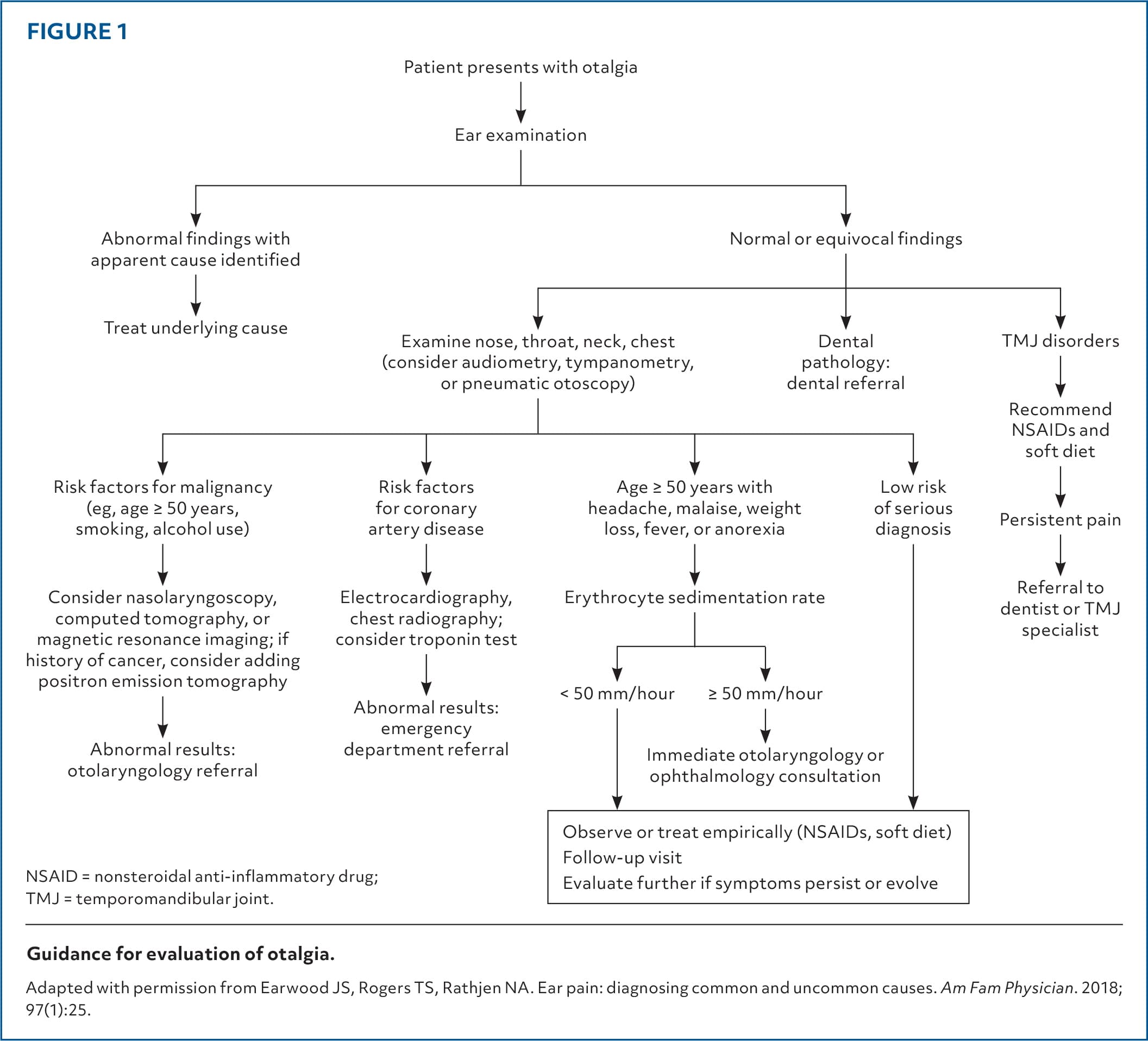
A 54-year-old patient presents with ear pain. She reports rarely drinking alcohol and no history of smoking. Which one of the following raises suspicion for possible malignancy as a cause of referred secondary otalgia?
A. Bilateral ear pain.
B. Episodic sensation of electric shock.
C. Abnormal otoscopic examination with squamous debris.
D. Human papillomavirus exposure.
D. Malignancies from the nasopharynx and oropharynx can cause referred otalgia. History may include red flag symptoms, such as voice changes, difficult or painful swallowing, shortness of breath, weight loss, or neck mass. Unilateral symptoms and constant pain lasting longer than 4 weeks with a normal otoscopic examination should raise suspicion of malignancy. Risk factors such as smoking or alcohol use warrant a high index of concern. Human papillomavirus–associated oropharyngeal carcinoma is an increasingly recognized cause of referred otalgia in adults, particularly nonsmokers.
200
A patient at 33 weeks’ gestation has never received respiratory syncytial virus (RSV) vaccination. Which one of the following statements about RSV vaccination is correct?
A. In pregnant patients, it reduces RSV-associated lower respiratory tract infections that require medical attention in their infants, including hospitalization due to RSV disease.
B. It results in a moderate increase in adverse events.
C. It is recommended by the Centers for Disease Control and Prevention for pregnant patients at any gestational age at the start of the typical RSV season.
D. All of the above.
A. RSV is a prevalent and highly contagious cause of respiratory tract illness and can increase the risk for secondary otitis media, bacterial pneumonia, and death in infants and children. The authors of a Cochrane analysis of 14 trials and 114,327 patients determined that maternal RSV vaccination reduces the risk of RSV-associated lower respiratory tract illness that required medical attention, severe complications, and hospitalizations in their infants.
200
A 35-year-old man with a history of Crohn disease presents with 4 months of low back pain and intermittent swelling in his fingers. Which one of the following is recommended to determine the most likely diagnosis?
A. Measurement of erythrocyte sedimentation rate.
B. Measurement of C-reactive protein.
C. Testing for HLA-B27.
D. Radiography to screen for “pencil-in-cup” deformities.
C. Patients with suspected spondyloarthropathy should be tested for HLA-B27. This patient’s known inflammatory bowel disease places him at greater risk. Inflammatory markers such as erythrocyte sedimentation rate and C-reactive protein can support the diagnosis but are nonspecific. The “pencil-in-cup” deformity of the phalanges is the classic radiographic finding in psoriatic arthritis as opposed to inflammatory bowel disease–associated arthritis.
200
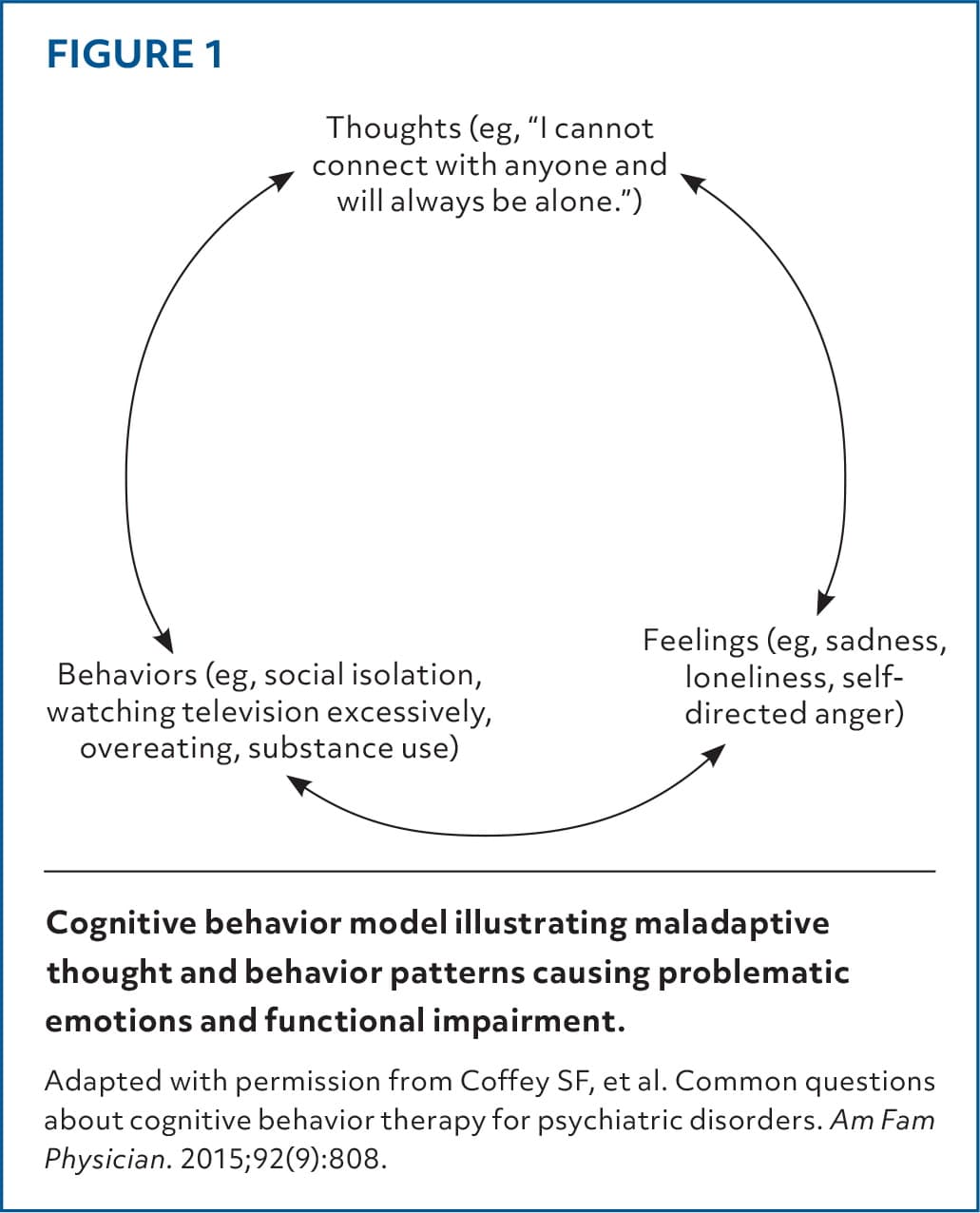
Define psychoeducation.
Cognitive interventions modify thoughts or beliefs (eg, cognitive distortions, core beliefs) to become more realistic and beneficial. This is called psychoeducation.
200
Name a class of commonly used OTC medications that increases risk of foodborne illness.
The use of proton pump inhibitors increases susceptibility to foodborne illness because they reduce gastric acidity, which provides an essential first line of defense against foodborne illness.
300
What is the difference between primary and secondary otalgia? Name 2 causes of each.
Primary otalgia is in the ear itself and secondary otalgia is referred pain from elsewhere. Acute otitis media, otitis externa, and eustachian tube dysfunction are common causes of primary otalgia. Temporomandibular joint disorders, dental pathology, and cervical spine pathology are common causes of secondary otalgia.
300
Which one of the following statements about the tools used by physical therapists is correct?
A. Slow resistance exercises combine a rapid concentric phase with a slow eccentric phase.
B. Dry needling has been shown to be more effective than trigger point manual therapy for myofascial pain.
C. In blood flow restriction therapy, a pneumatic cuff is used to fully occlude blood flow to a limb while 15 to 30 repetitions of an exercise are performed.
D. Neuromuscular re-education uses electrode sensors to provide biofeedback to increase or decrease recruitment of a particular muscle.
D. In neuromuscular re-education, electrode sensors are used to provide biofeedback to increase or decrease recruitment of a particular muscle. Slow resistance exercises combine a slow concentric phase with a slow eccentric phase. Dry needling may be as effective as trigger point manual therapy, which is less invasive, for treatment of myofascial pain. In blood flow restriction therapy, a pneumatic cuff is typically set to 80% (not full) limb occlusion pressure and placed proximal to the target area. Low-resistance exercises are then performed for 15 to 30 repetitions.
300
Name 2 diseases that are in the category of spondyloarthropathies.
Spondyloarthropathies are a group of inflammatory syndromes that includes ankylosing spondylitis, reactive arthritis, inflammatory bowel disease–associated arthritis, psoriatic arthritis, and undifferentiated spondyloarthropathy.
300
A 54-year-old man with anxiety, moderate to severe osteoarthritis, chronic pain, fatigue, and irritable bowel syndrome with constipation (IBS-C) was previously prescribed duloxetine. He is concerned about adverse effects and has questions about nonpharmacologic options. Which one of the following statements about CBT is correct?
A. Medication is preferred over CBT for the primary treatment of anxiety.
B. It does not have evidence to support its use in the treatment of fatigue in adults and adolescents.
C. It does not have a role in the treatment of chronic pain.
D. It has a role as an adjunctive treatment for IBS-C.
D. CBT is recommended as an adjunctive treatment for IBS. Patients with anxiety may be initially treated with medication, CBT, or both. CBT is the primary treatment for reducing fatigue related to chronic physical health conditions in adolescents and adults. CBT as an adjunctive treatment for chronic pain conditions in adults reduces pain and increases functioning.
300
A 9-month-old infant is brought to your clinic by his parents because of emesis and watery diarrhea over the past 48 hours. The infant has signs of mild dehydration (eg, dry mouth) but is making tears and has adequate wet diapers (ie, more than six in 24 hours). Which one of the following rehydration methods is first-line treatment of mild dehydration in children?
A. Sports drinks.
B. Reduced osmolarity oral rehydration solution.
C. Intravenous saline.
D. Undiluted apple juice.
B. Reduced osmolarity oral rehydration solution is recommended as first-line therapy for mild to moderate dehydration in patients with acute vomiting or diarrhea. Common household beverages such as fruit juices, sports drinks, and soft drinks should be avoided because these have higher osmolarity and typically high sugar content, which can result in worsened diarrhea. Half-diluted apple juice may be recommended for patients who cannot tolerate or do not have access to oral rehydration solution.
400
Name 2 history questions for adults and 2 history questions for children which are important to determining causes of unilateral otalgia.
In adults with unexplained unilateral otalgia, a history of tobacco and alcohol use and human papillomavirus exposure should be obtained. History of these may indicate risk of oropharyngeal malignancy, which can be associated with referred ear pain.
In children, additional social history should include day care attendance, breastfeeding, exposure to tobacco products, immunization status, and family history of ear problems.
400
Which one of the following statements about testosterone replacement therapy in men with hypogonadism is correct?
A. Transdermal formulations are most effective.
B. It increases the risk of prostate cancer.
C. Its most consistent benefit is improvement in sexual desire and function.
D. It is contraindicated if the baseline hematocrit level is 42%.
C. Testosterone replacement therapy is available as pills, patches, gels, and injections, with a meta-analysis finding that no formulation is clearly superior. Although men who take testosterone replacement therapy are more likely to have elevated prostate-specific antigen levels, studies have shown no increased risk of prostate cancer. The Testosterone Trials, a group of seven randomized trials in 790 men with low testosterone, showed statistically significant improvements in sexual function and desire in the treated group. The risk of erythrocytosis is a known effect of testosterone replacement therapy, and a baseline hematocrit level greater than 48% is a contraindication to treatment.
400
A 43-year-old man presents for follow-up for a new diagnosis of ankylosing spondylitis. Which one of the following is considered first-line treatment?
A. Physical therapy.
B. Sulfasalazine.
C. Methotrexate.
D. Oral corticosteroids.
A. Nonsteroidal anti-inflammatory drugs and physical therapy are first-line treatments for symptomatic patients with axial spondyloarthritis. Use of the disease-modifying anti-rheumatic drugs sulfasalazine and methotrexate is controversial and has shown mixed results. Oral corticosteroids are not recommended.
400
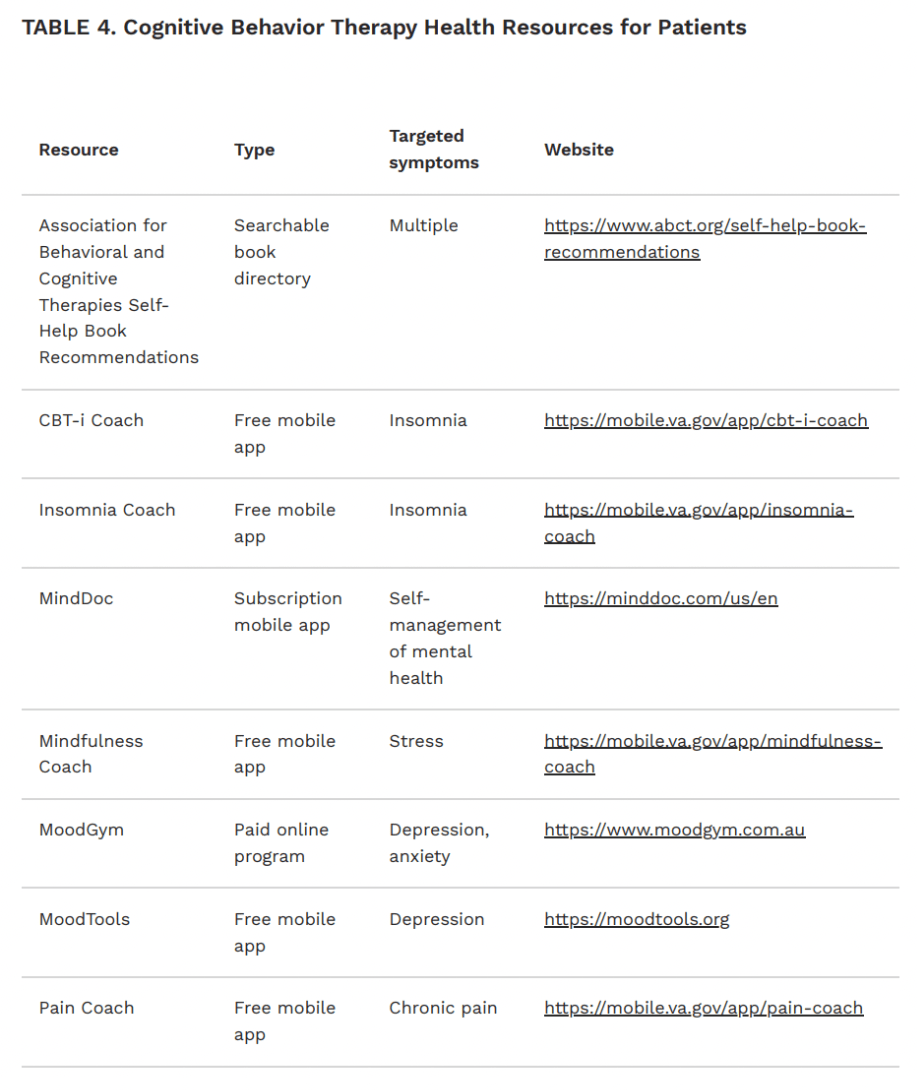
How do stand-alone CBT based apps compare to traditional CBT?
They have worse outcomes but are better than not using any CBT modality. Stand-alone CBT smartphone apps have shown minimal effects on mental health symptoms but may be a suitable first-step intervention for patients with limited access to care.
400
Name the infectious agent that is the number one cause of dehydration and diarrhea worldwide.
Rotavirus is a leading cause of diarrhea and dehydration worldwide. However, with the introduction of the rotavirus vaccine in 2006, occurrence in the United States has dropped significantly. The enteropathogenic landscape has shifted after implementation of the rotavirus vaccine, and norovirus is currently the leading cause of gastroenteritis in children.
500
Which lab test is considered the most helpful in determining malignancy risk in a patient with high risk features or history and unilateral otalgia?
500
A 72-year-old woman is hospitalized with Escherichia coli bacteremia secondary to pyelonephritis. She becomes afebrile within 48 hours of treatment, and repeat blood cultures are negative. She has no immunocompromising conditions and is clinically stable for discharge. Which one of the following is the most appropriate duration of antibiotic therapy?
A. 7 days.
B. 10 days.
C. 14 days.
D. 21 days.
A. Patients with uncomplicated gram-negative bacteremia should receive 7 days of antibiotic therapy. Multiple randomized controlled trials and systematic reviews have shown that a 7-day course of antibiotics is noninferior to a 14-day course with respect to 90- and 30-day all-cause mortality, bacteremia recurrence, length of hospital stay, readmission, infection complications, adverse events, or emergence of antibiotic resistance. These findings do not apply to infections requiring prolonged treatment, such as endocarditis, necrotizing fasciitis, osteomyelitis, and uncontrolled source of infection.
500
Name 2 symptoms that all spondyloarthropathies share.
Patients report back pain, peripheral arthritis, dactylitis, and enthesitis. Additional clinical features include ocular disease, mucocutaneous lesions, and inflammatory bowel disease.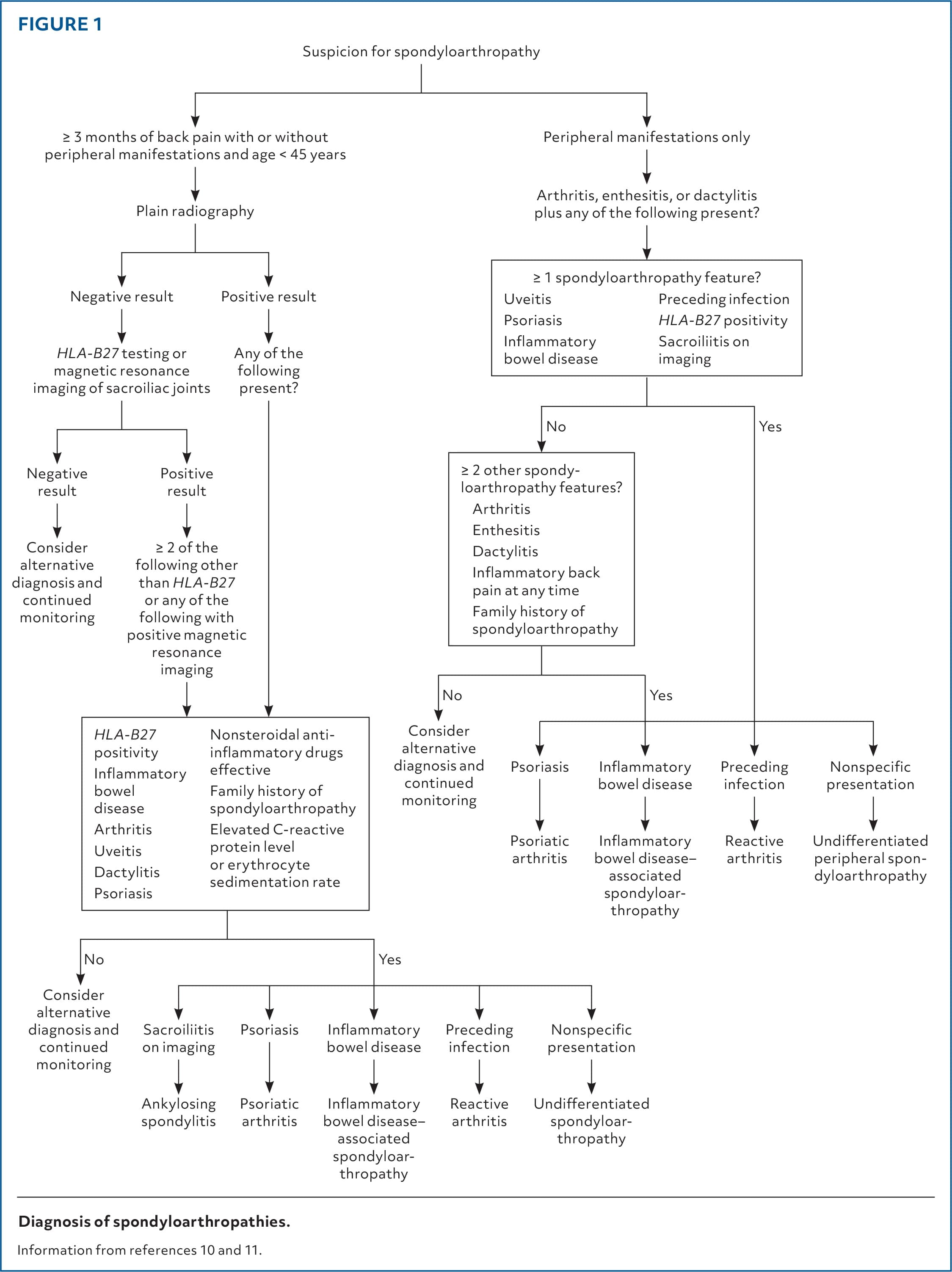
500
Name on CBT based app.
500
When/what patient symptoms or characteristics should diagnostic testing be used for cases of diarrhea?
Stool testing is recommended in patients with fever, bloody or mucoid diarrhea, severe abdominal cramping or tenderness, or signs of sepsis. Diagnostic testing is warranted in infants younger than 3 months, immunocompromised patients, and patients reporting recent travel. Ancillary testing can also be performed in those with diarrhea lasting longer than 14 days or in the context of an outbreak when testing can quickly and broadly help with efforts for infection control.